
TODAS in pictures – A short photo report
In early May, the scientific-artistic festival TODAS Latin American Musicians in Vienna. Concerts, lecture, dialogues was held at the mdw (University of Music and Performing Arts Vienna) in the packed Fanny Hensel Hall. Over two afternoons and evenings, we listened to a wide variety of music performed by Latin American female musicians from Vienna and gained foundational insights into academic discourses and the challenges and wishes of these musicians. The event vividly demonstrated the artistic excellence of the performers, but also highlighted the necessity to acknowledge and deeply research the realities of life for Latin American musicians in the diaspora.
The festival was a cooperation between the Department of Folk Music Research and Ethnomusicology (IVE), the Music and Minorities Research Center (MMRC), and the cultural association Opera Trip. It was organized by Assistant Professor Dr. Anja Brunner and singer/activist Gabriela Dossow Ponce and was an outcome of the research project Reverse Ethnomusicology: Migrant Musicians as Researchers (2023–2026; Austrian Science Fund FWF 10.55776/TAI724).
Following the opening by the organizers and introductory remarks by Javier Silvestrini (IVE), Ursula Hemetek (MMRC), and Natalia Hurst (Opera Trip), the festival began with a keynote by ethnomusicologist Sydney Hutchinson on feminism and music in the Dominican Republic. Hutchinson approached the topic through the figure of tígueras (female tigers) and the associated activism of tígueraje, exploring the potential of musical creation within a "feminism from below." Using numerous musical examples from different generations and eras, dating back to the early 20th century, Hutchinson traced a convincing and complex history of feminist activism through and within music in the Dominican Republic.
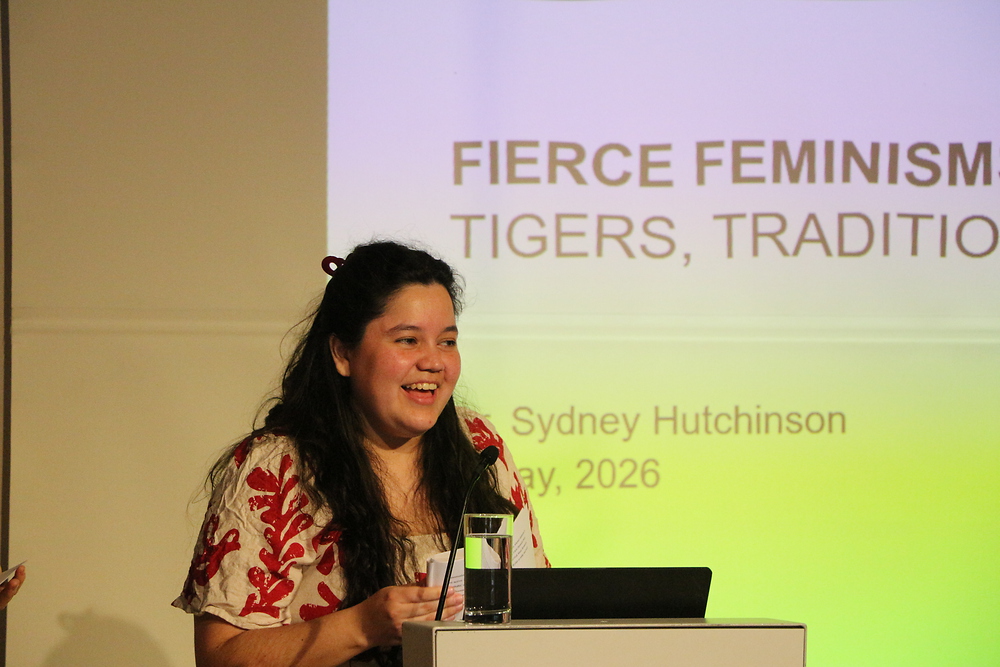
Organisator Gabriela Dossow Ponce
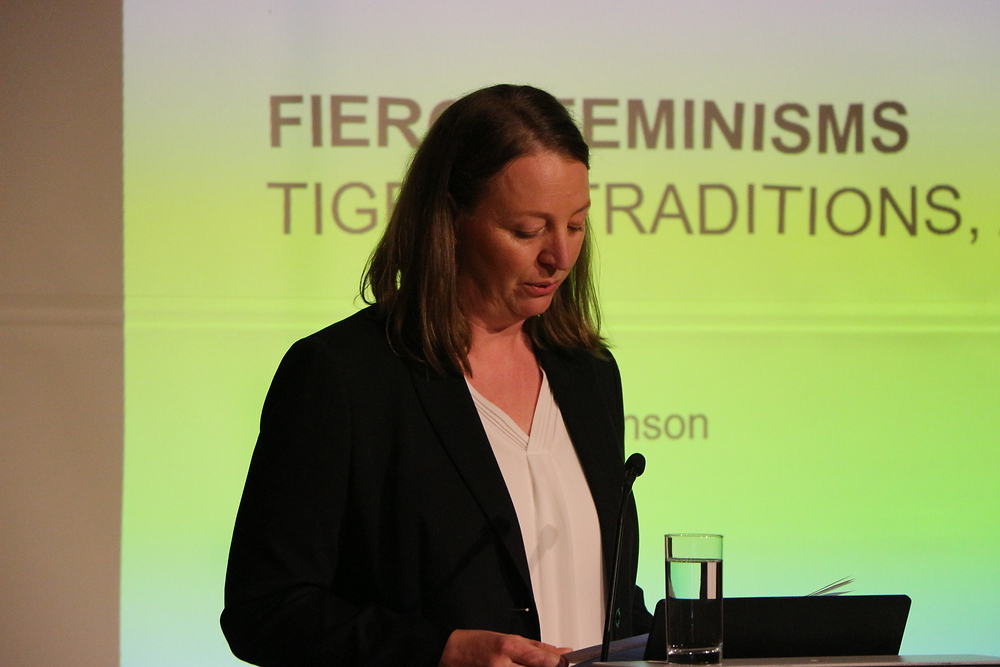
Organisator Anja Brunner
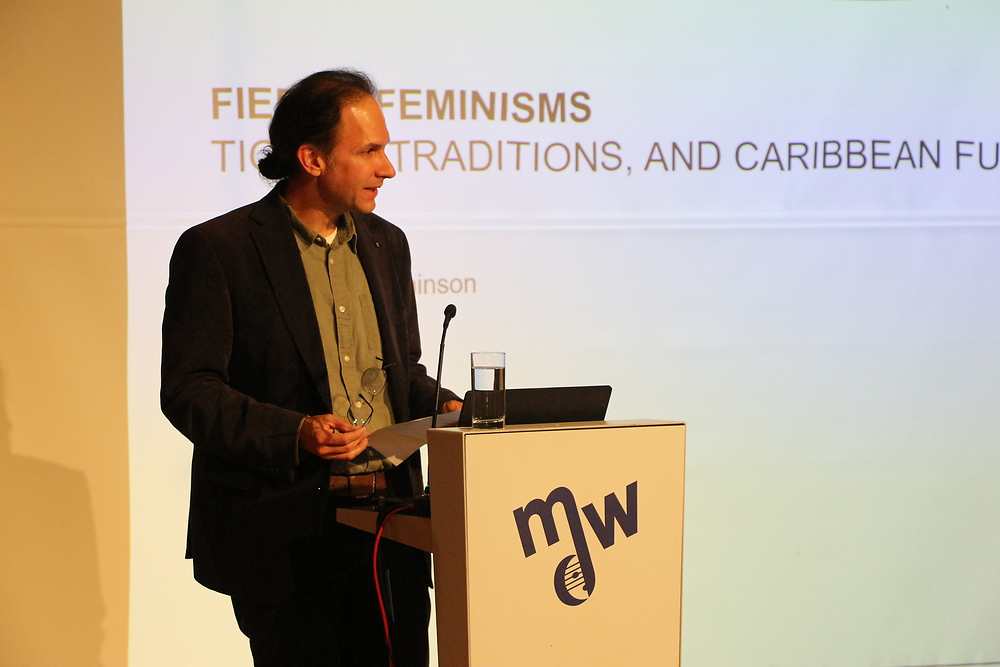
Javier Silvestrini, Head of the Department of Folk Music Research and Ethnomusicology
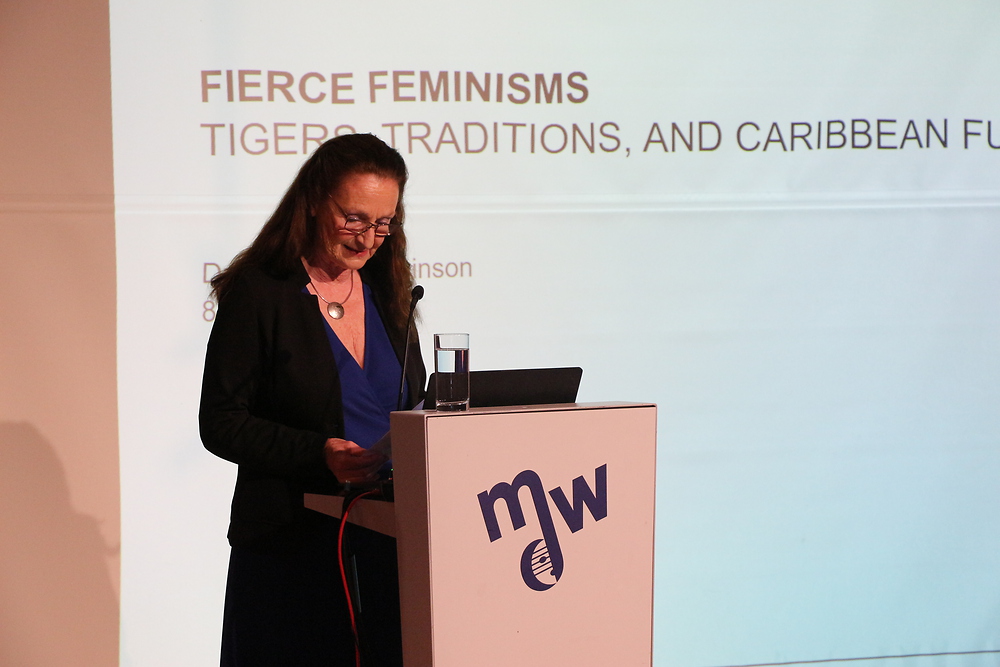
Ursula Hemetek, Head of the Music and Minorities Research Center
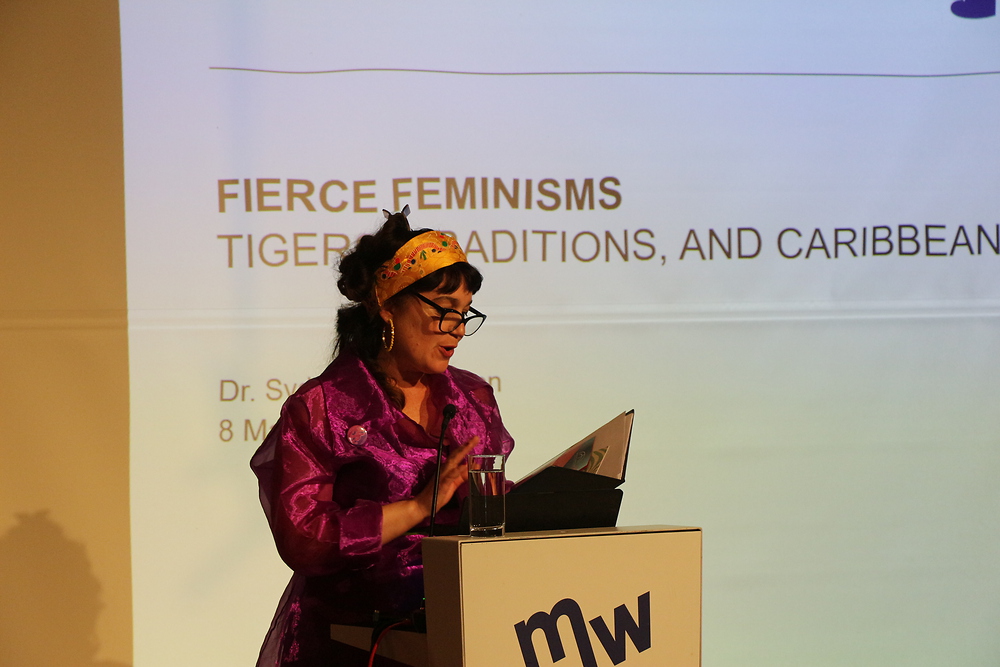
Natalia Hurst, Head of Opera Trip Kulturverein
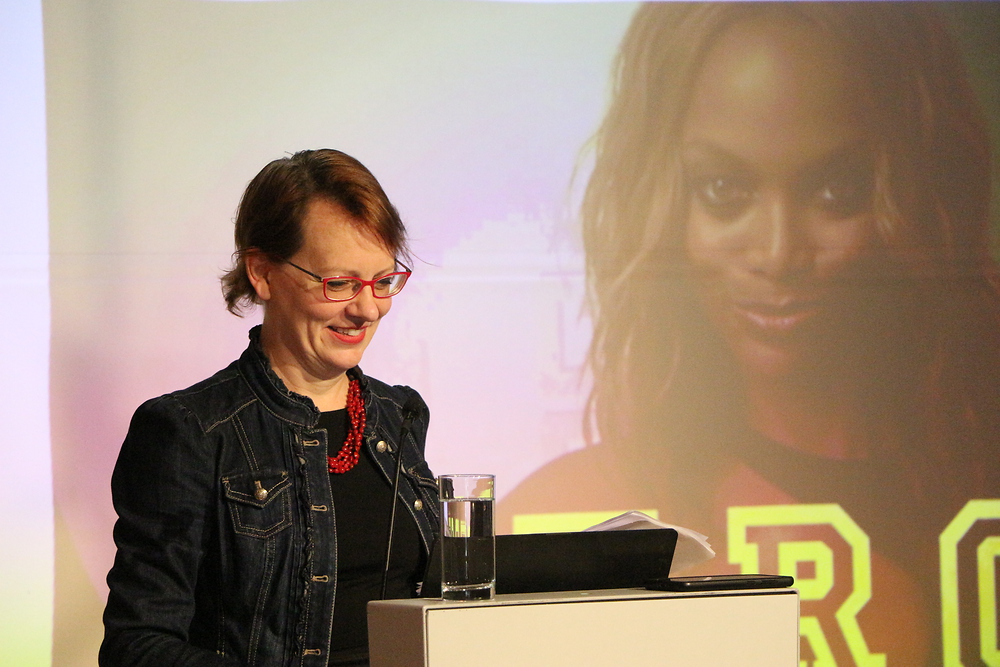
Sydney Hutchinson, Ethnomusicologist, Keynote Speaker
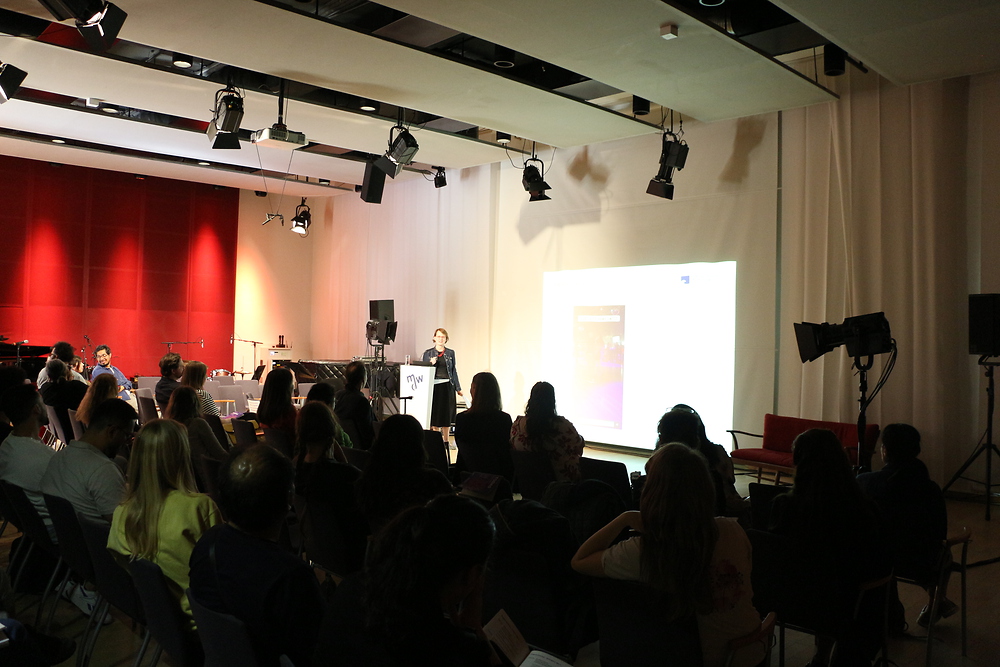
Sydney Hutchinson, Ethnomusicologist, Keynote Speaker
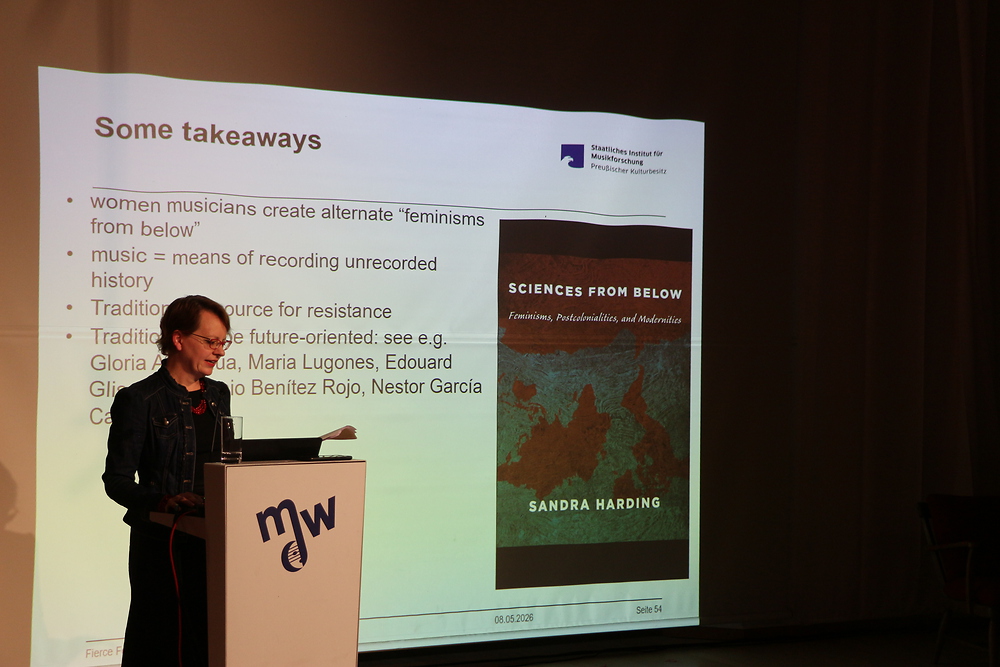
Sydney Hutchinson, Ethnomusicologist, Keynote Speaker
The musical acts of the first evening began with the multimedia opera performance Opera Triptychon: Quarantine Story of a Woman by Natalia Hurst. In her work, Hurst places classical music pieces into new contexts. In this performance, live-sung arias from operas by W.A. Mozart, G. Puccini, and G. Verdi were interwoven with video performance and acting to address the complexity of women's, specifically artists', reality during the Corona pandemic. Violence against women and the loneliness of that time were made equally relevant.
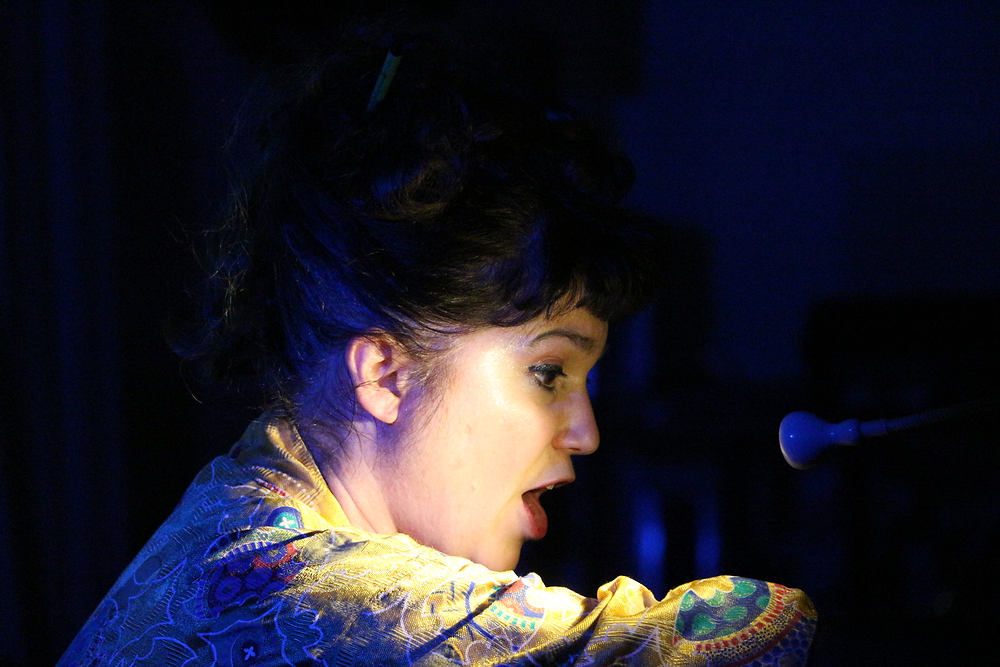
Natalia Hurst, Opera Triptychon
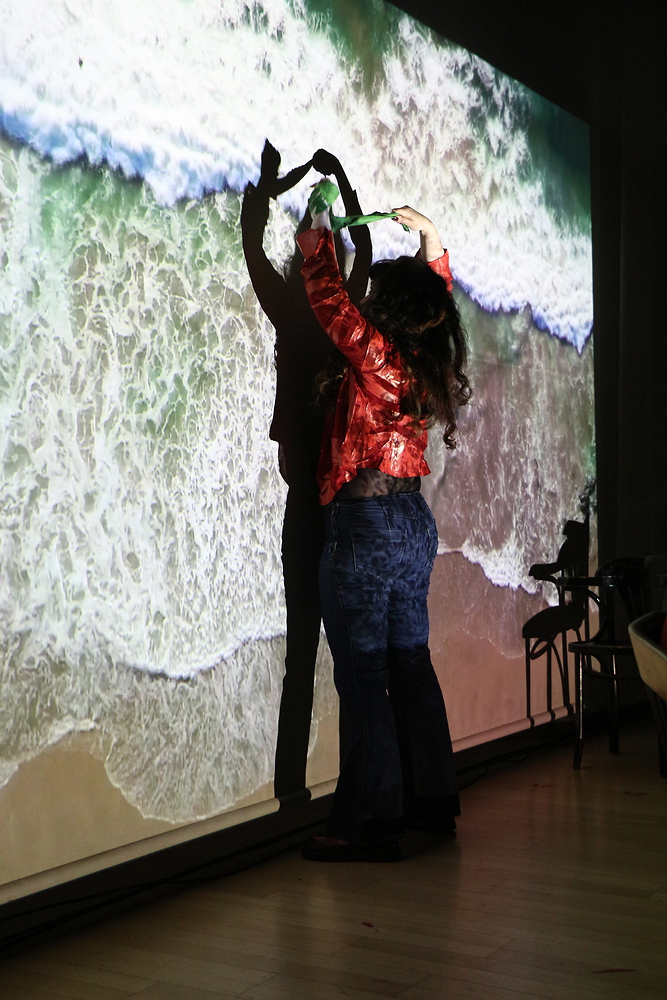
Natalia Hurst, Opera Triptychon
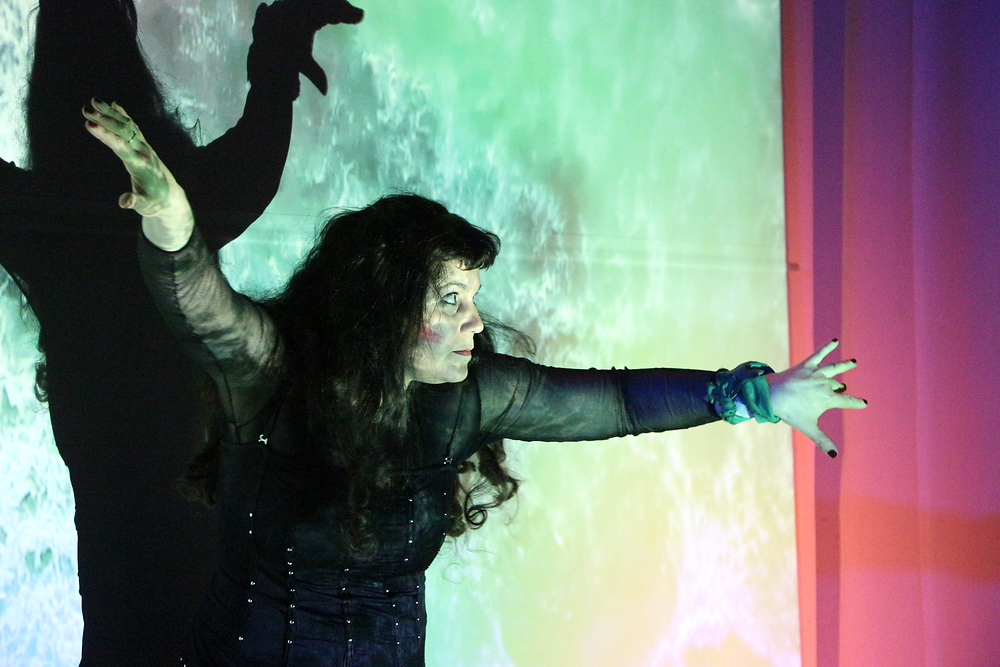
Natalia Hurst, Opera Triptychon
The second act of the evening was the quintet led by saxophonist Laura Valbuena. This outstanding ensemble consists, besides the lead saxophone, of keyboard (Julia Radschiner), electric guitar (Jocsán Mendoza), electric bass (Thatiana Gomes), and drums (Julian Villegas). Valbuena's compositions and arrangements, which effortlessly combined Latin American musical traditions and jazz, captivated the audience.
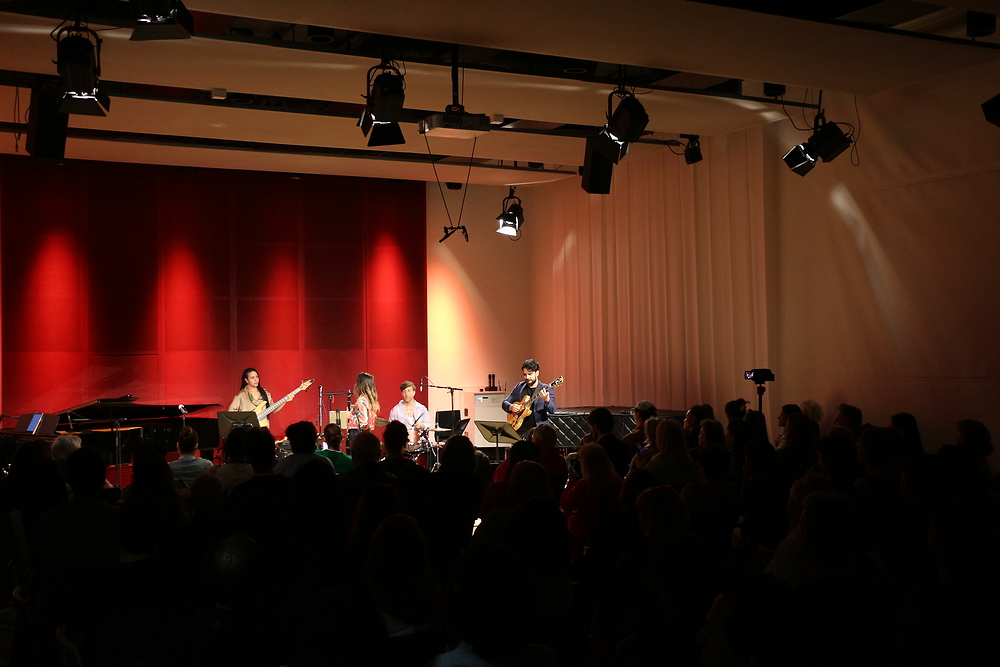
Valbuena Quintet
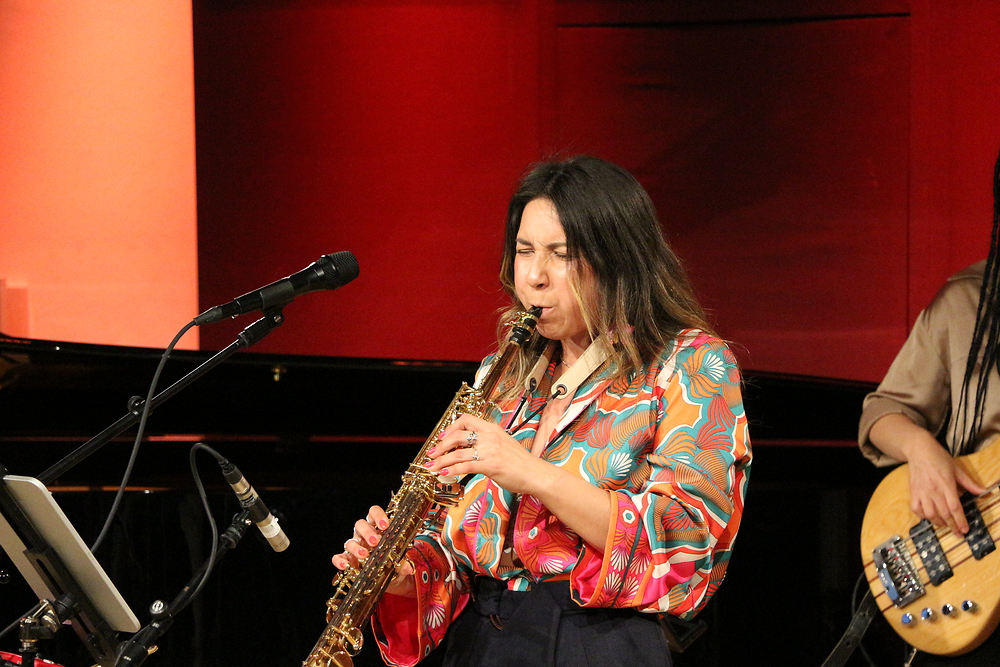
Laura Valbuena
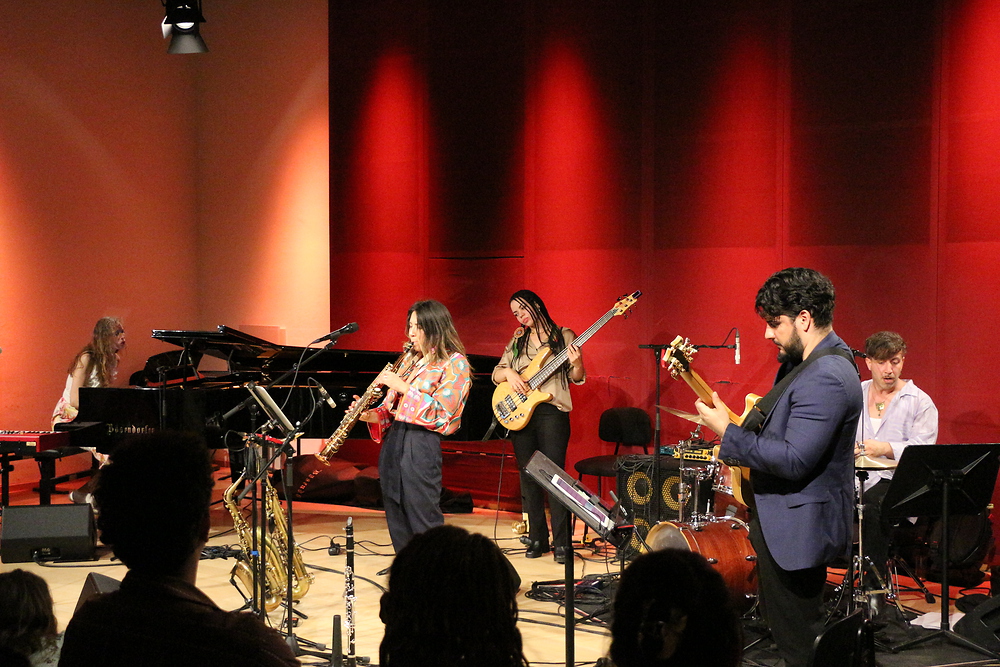
Valbuena Quintet
The second day of the festival began with an intense and urgently needed discussion regarding the situation of musicians from Latin America in Vienna's music scenes. Moderated by Conny Gruber, music scholars Sydney Hutchinson and Constanza Toledo and musicians Natalia Hurst, Gabriela Dossow Ponce, and Laura Valbuena discussed presentation, representation, stages, and financial opportunities for Latin American musicians in Vienna together with the attending audience. The musicians on the panel described vividly in a productive and lively discussion the challenges they face, including exoticizing structures and behaviors within the music field and a lack of performance opportunities.
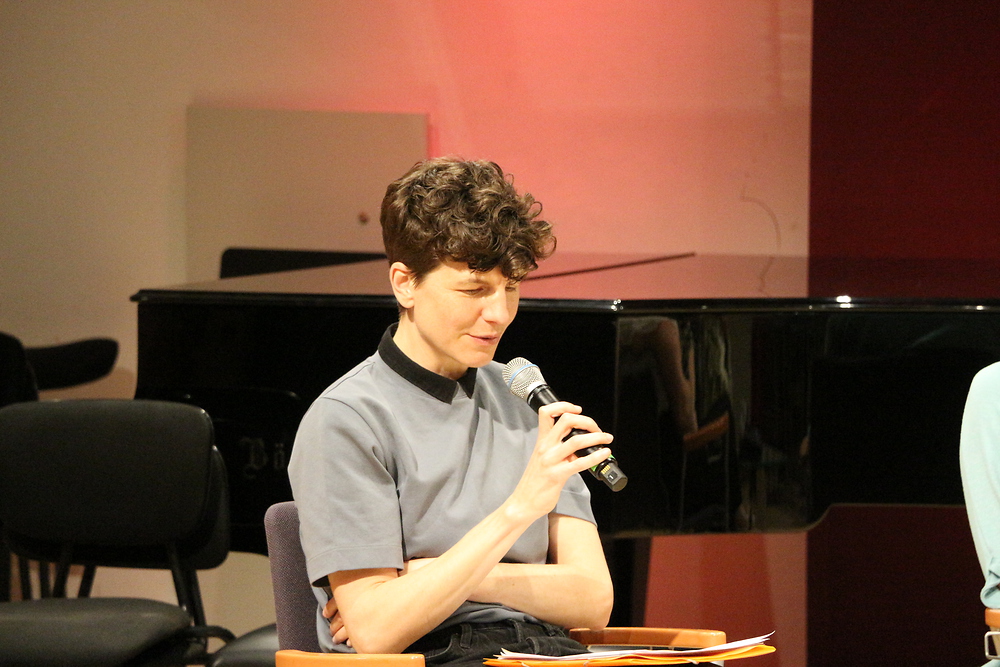
Conny Gruber
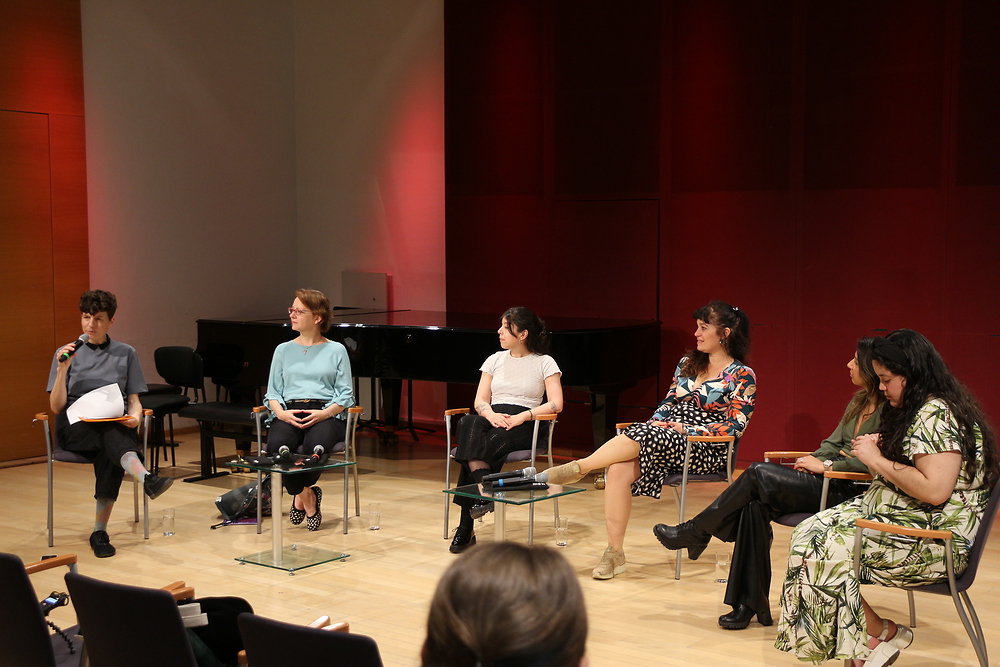
Roundtable: Sydney Hutchinson und Constanza Toledo und die Musikerinnen Natalia Hurst, Gabriela Dossow Ponce and Laura Valbuena
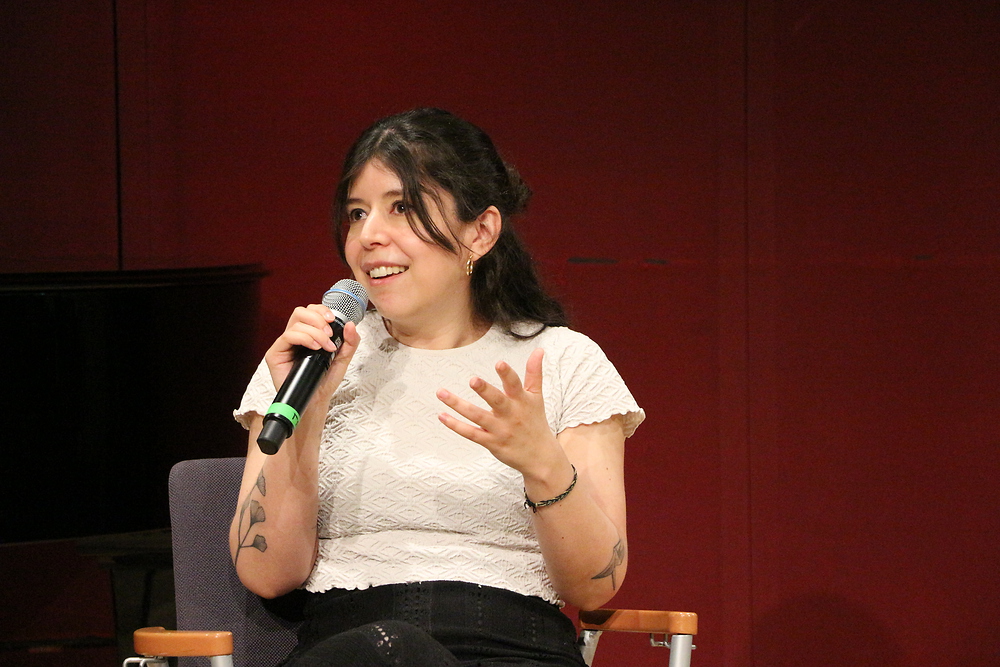
Constanza Toledo
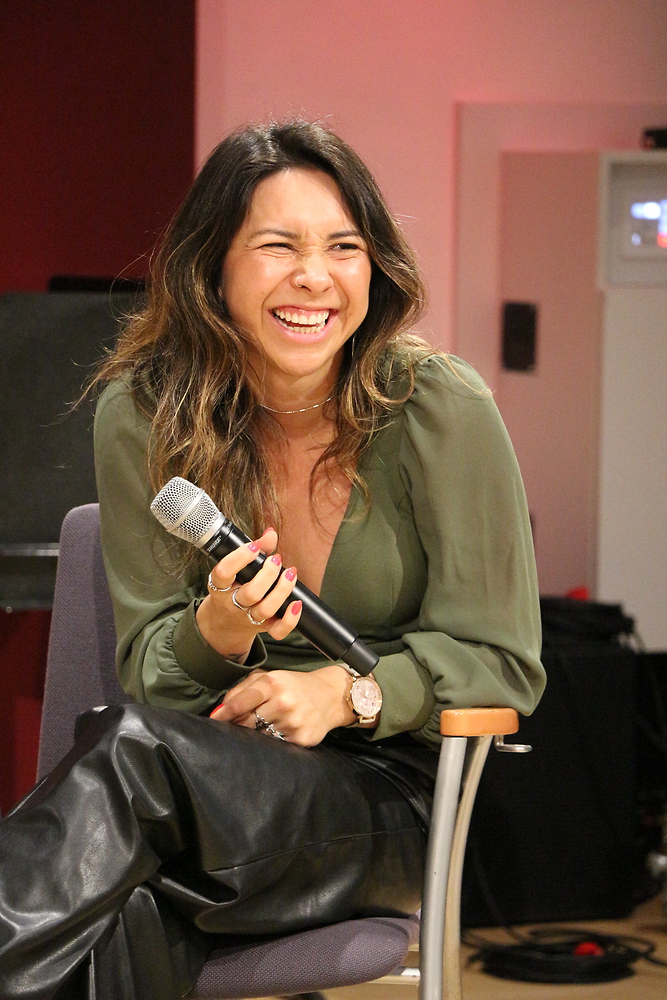
Laura Valbuena
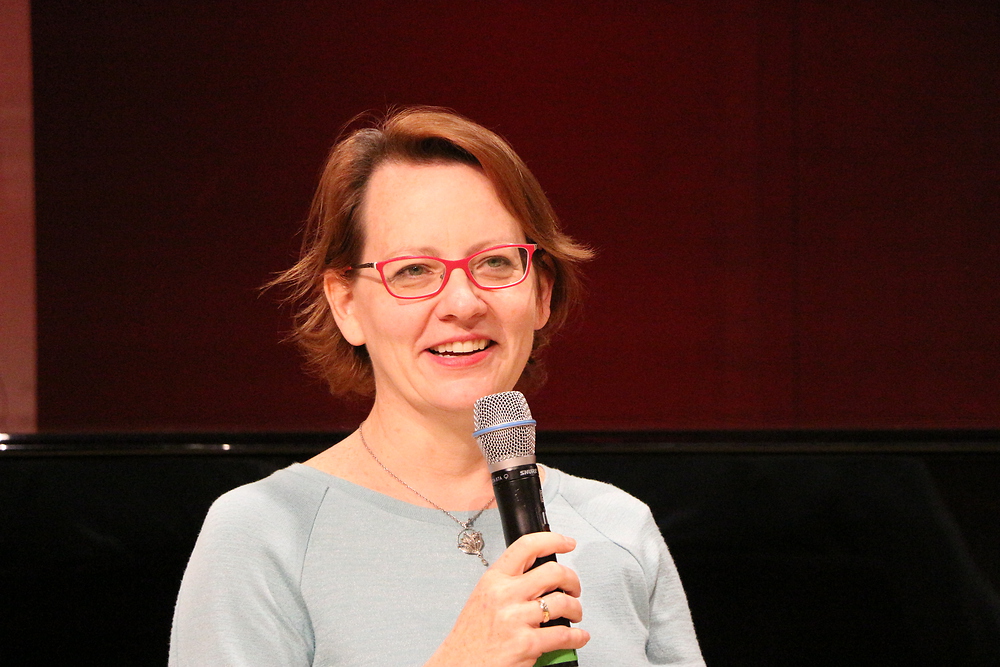
Sydney Hutchinson
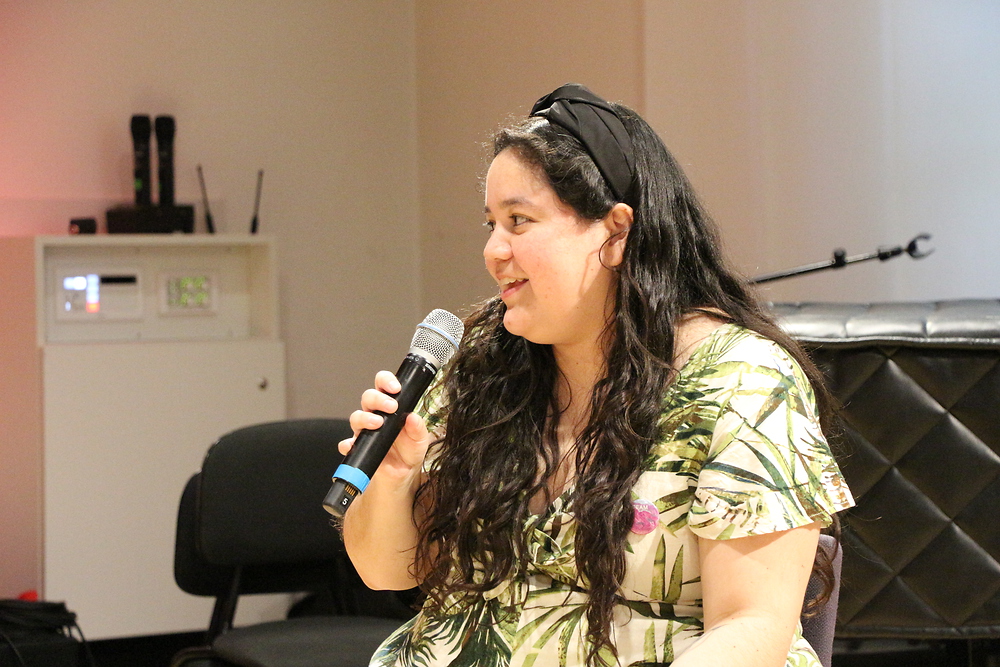
Gabriela Dossow Ponce
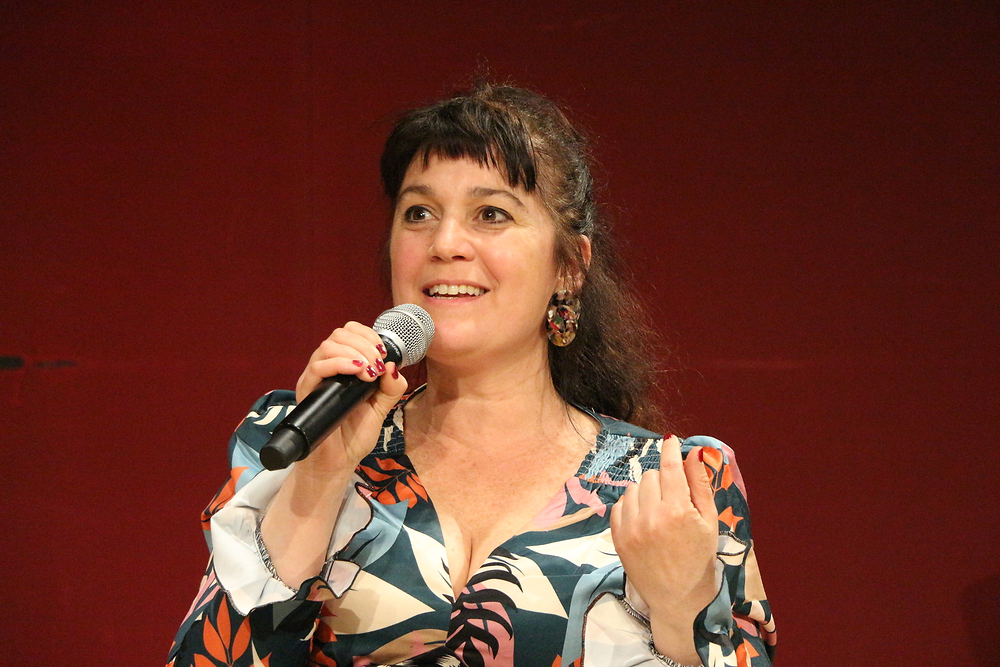
Natalia Hurst
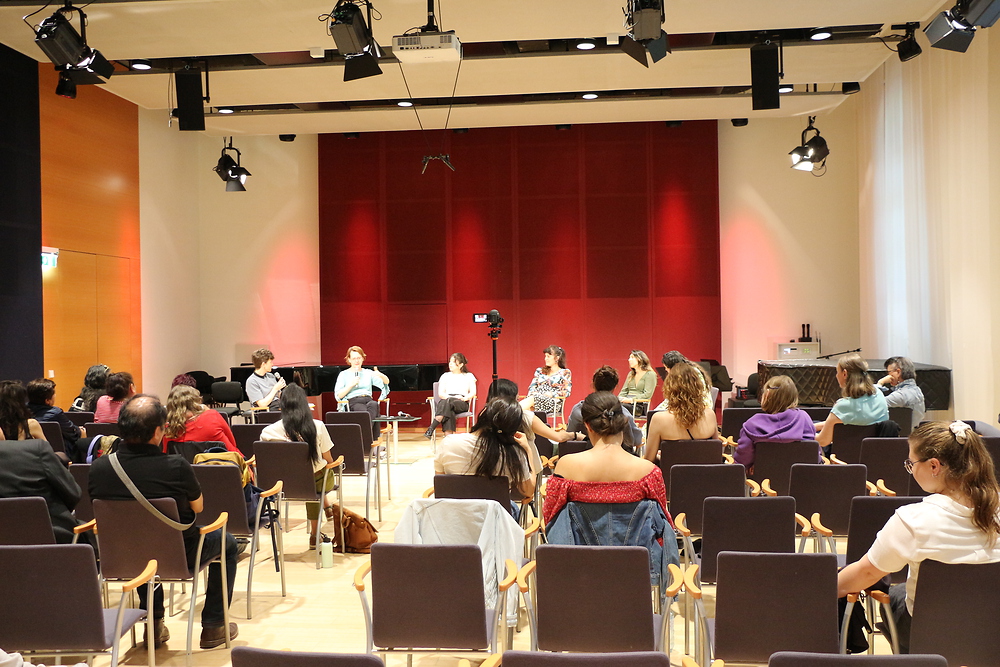
Audience
The concert evening of the second festival day was opened by classical guitarist Sonia Hernández with a solo program. She presented exclusively pieces by female composers from Latin America, including herself, and shone with a subtle and emotional performance.
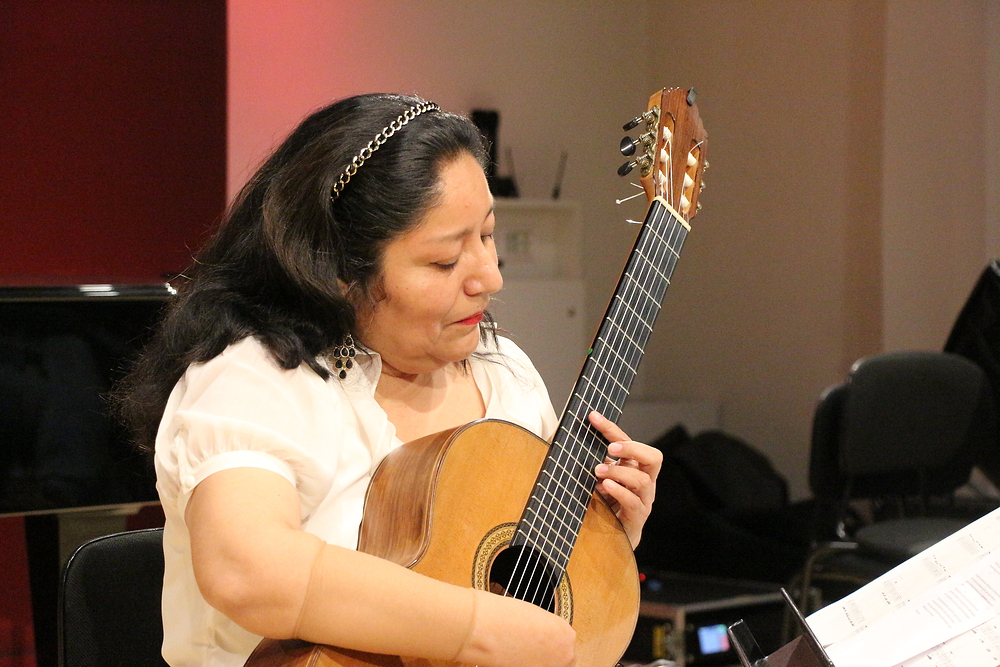
Sonia Hernández
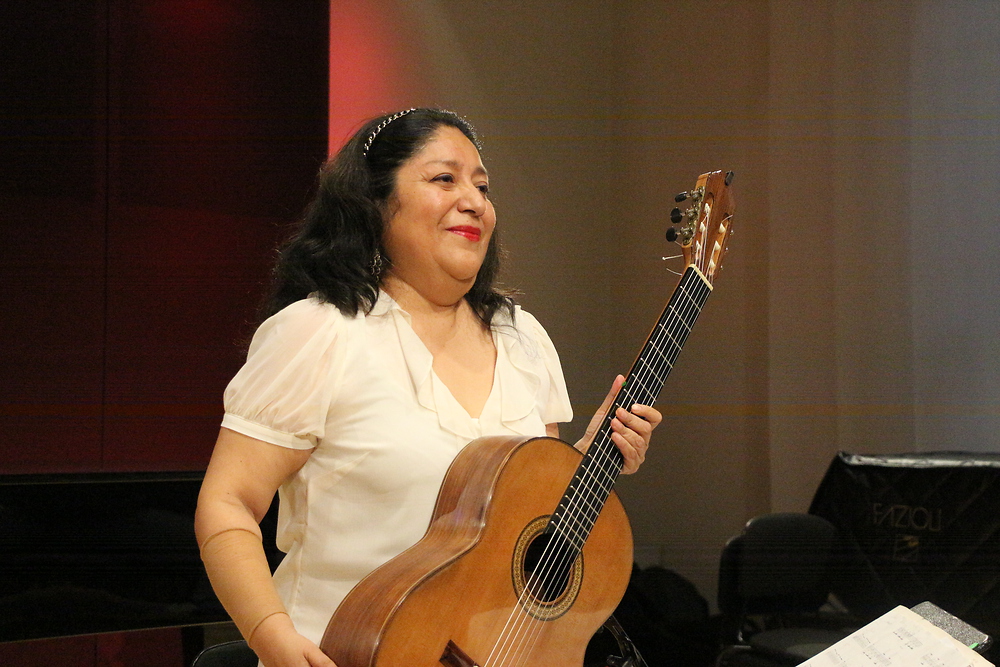
Sonia Hernández
This was followed by a moving excursion into the world of classical singing with a performance by soprano Mariana Pedrozo, accompanied on the piano by Florencia Hernández. Under the title "Women, Spring, and Life," the two musicians delivered works by various composers from the 19th and 20th centuries in excellent fashion.
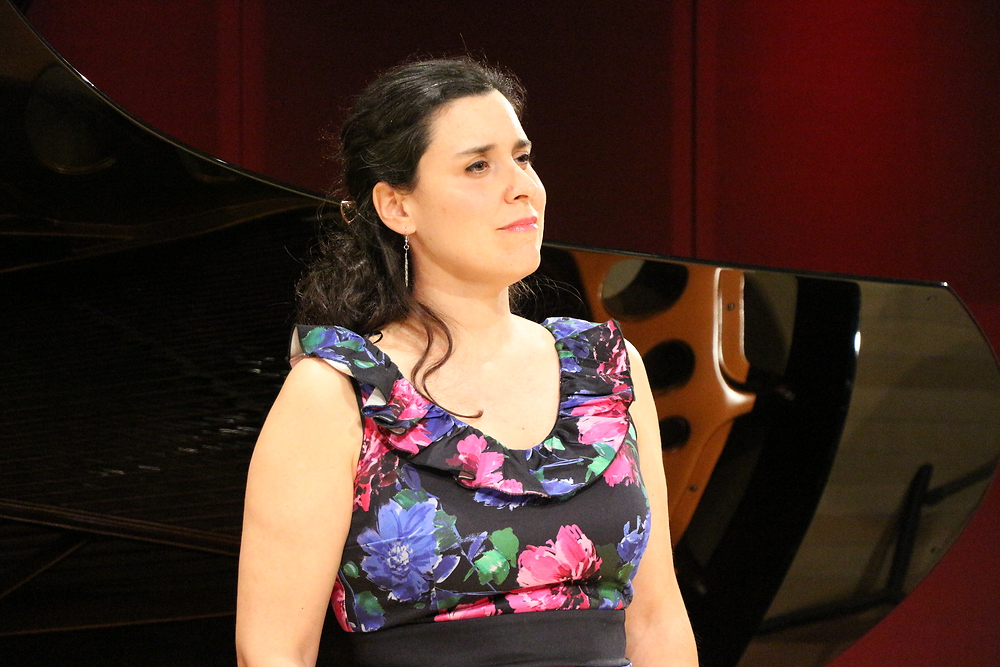
Mariana Pedrozo
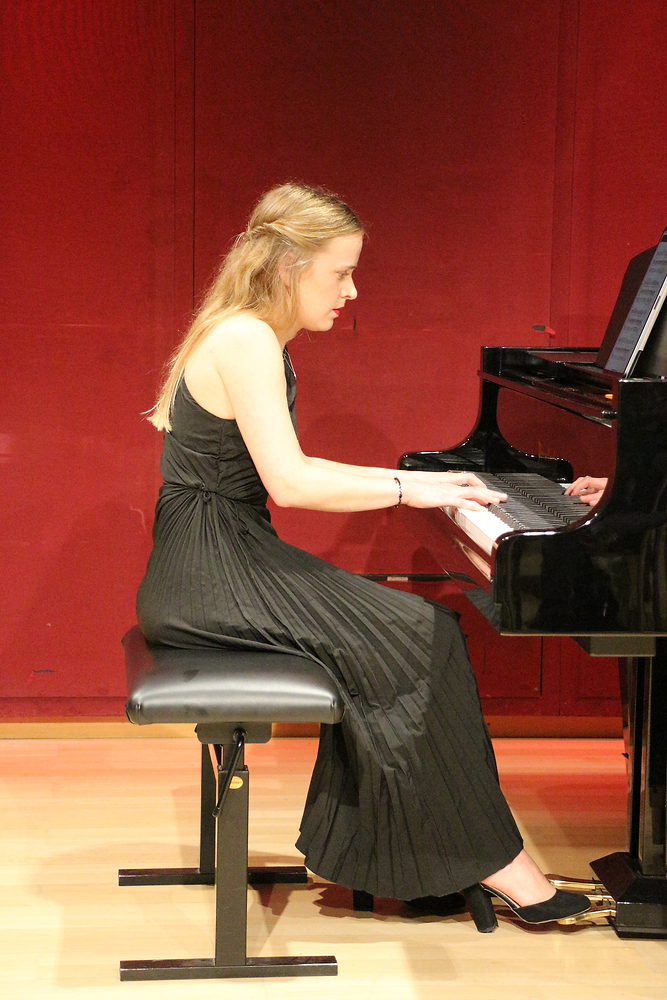
Florencia Hernández
Singer Laura Aya subsequently made the Fanny Hensel Hall sway with pieces from various Latin American music traditions. Accompanied by guitarist Jocsán Mendoza, we heard joropo, pajarillos, and pasajes; many of them composed and/or written by Laura Aya herself.
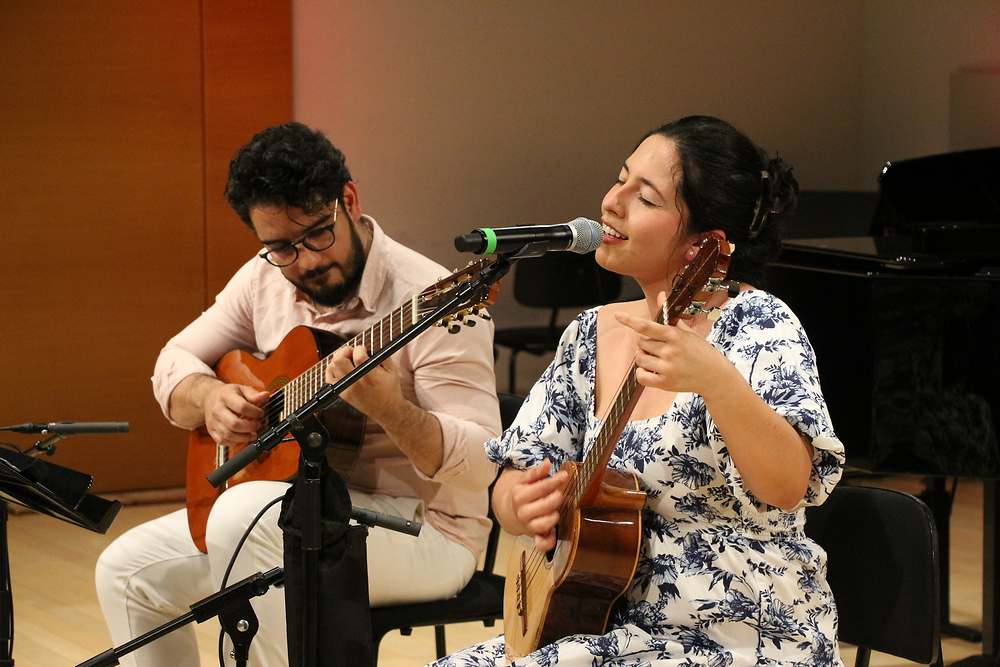
Jocsán Mendoza and Laura Aya
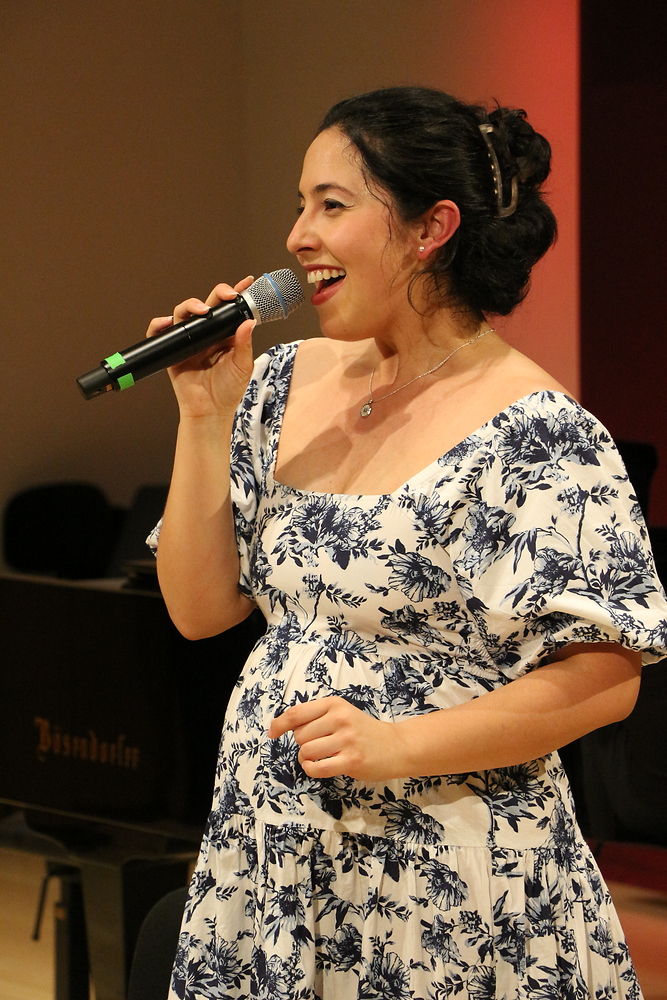
Laura Aya
The evening was concluded by an impressive performance of a work by the 19th-century French composer Louise Farrenc, played by the chamber music ensemble Cronopius Trio. Amalia Bernal (flute), Juan L. Cuamatzi (cello), and Florencia Hernández (piano) successfully achieved their goal of bringing chamber music to the stage as an intimate experience for the audience.
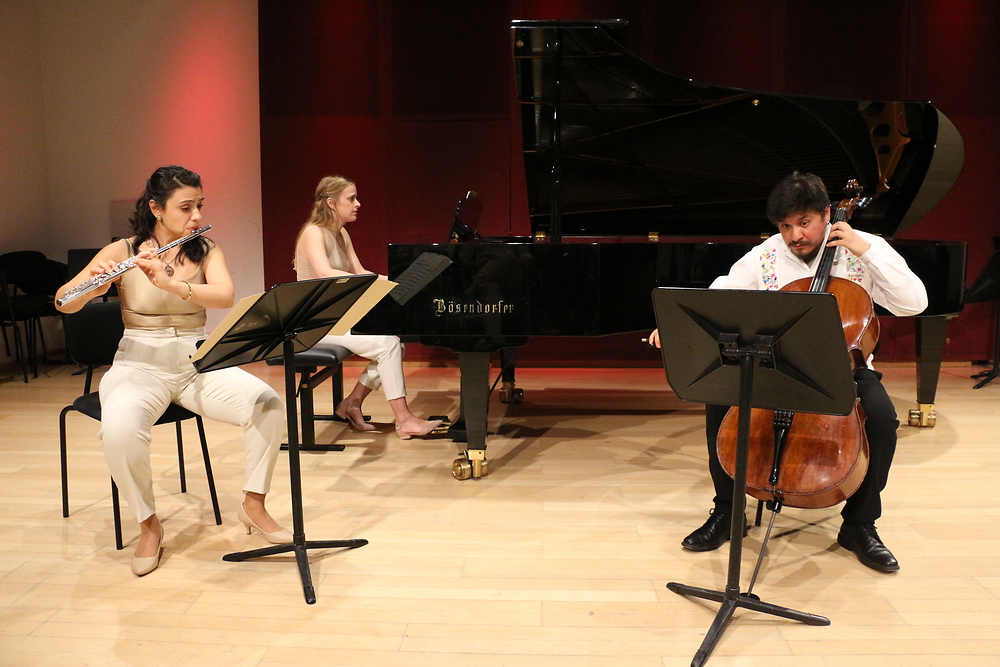
Cronopius Trio
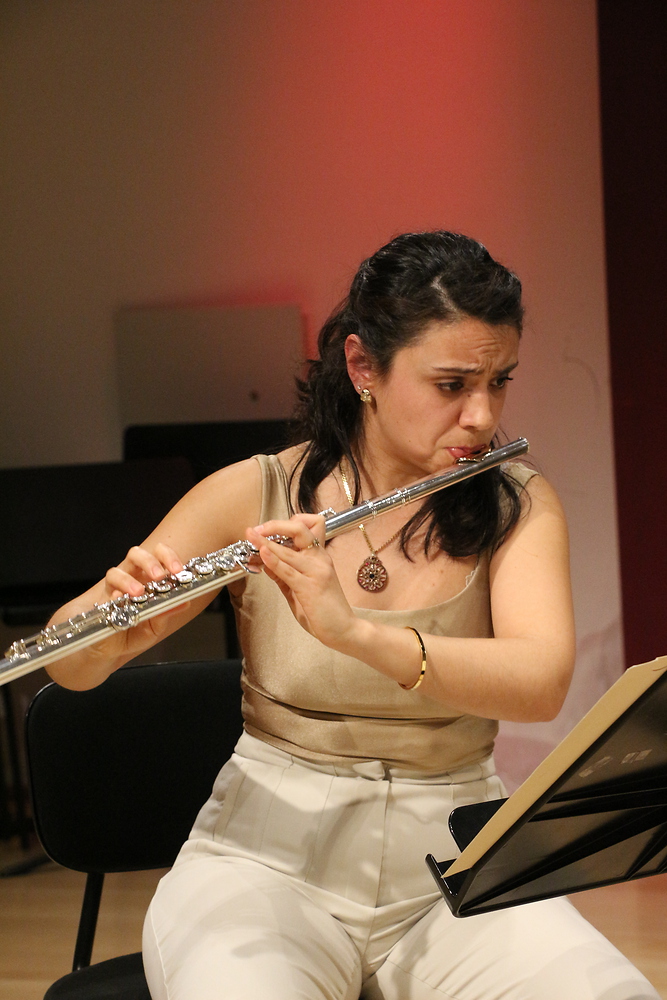
Amalia Bernal
We are very happy that we were able to actively and successfully contribute to the visibility and recognition of musical diversity and expertise in the Latin American diaspora with TODAS. We hope for a soon-to-come continuation!