Subject Area of Performing
In the performance group, students train and develop the non-vocal skills that are essential for a career as a singer on stage and in concert halls. These include stage presence, body awareness, acting out a role, dance, use of the speaking voice, and drama. Through interdisciplinary work, ongoing exchange between teachers (in subjects as diverse as acting, dance, breathing and bodywork, speech formation, and role study) and with the support of accompanists, we pursue the development of a holistic artistic personality and promote the individual artistic abilities of our students.
In basic music drama lessons, students acquire elementary skills and techniques that enable them to perform convincingly on the musical theatre stage. The focus is on developing emotional expressiveness and ensemble interaction, and various acting methods and techniques are also introduced. This gives students a wide range of options for individual application!
 The course objectives include the ability to develop diverse characters and embody them in musical theatre, the authentic portrayal of emotions, and the strengthening of stage presence and context-sensitive ensemble playing. It is essential to strengthen emotional expressiveness in conjunction with the vocal requirements of musical theatre. Students learn to express emotions through their voice and body. They also gain an overview of various acting methods and techniques, giving them the opportunity to explore their individual strengths and preferences. Students develop a strong stage presence and charisma (through the effective use of space, gestures, and facial expressions) as well as the ability to interact and communicate with other performers in the ensemble.
Theoretical lessons are combined with practical exercises, group work and staged presentations. Students are actively involved in exercises and discussions in order to apply and contextualise the knowledge they have learned in practical scenarios. In addition, individual acting lessons offer the opportunity for individual work and creation.
The dance classes initially focus on teaching students sound and fundamental technical dance and movement patterns with a view to future engagements. As the course progresses, greater emphasis is placed on choreographic work (solo, in pairs and in groups). In combination with the subjects of breathing and bodywork and Alexander technique, the focus is on practical application and the intention of developing a better and more conscious awareness of one's own body, laying an optimal foundation for a variety of dance styles (from ballet to improvisation) in order to meet the demands of modern musical theatre. Ultimately, students achieve a level of training that will enable them to enjoy a long and healthy stage career. Dance classes are held in German, English and Italian, which also allows students to learn international stage terminology in order to understand and correctly execute directing and choreography instructions.
Speech training (or speech formation) aims to teach students how to use their speaking voice in a sustained and healthy manner, both as a means of artistic expression and as a working tool in their everyday professional lives. The aim is to enable students to internalise the content and emotion of texts and translate them into speech. As a German-speaking music university, we pay particular attention to the linguistically correct interpretation (Hochlautung) of the German song and opera repertoire, as well as the implementation of dialogues from opera and operetta. (Text by Günther Strahlegger)
Ferdinando Chefalo (chefalo@mdw.ac.at), Fachbereichssprecher des Fachbereichs Darstellung
Günther Strahlegger(strahlegger@mdw.ac.at), stellvertretender Fachbereichssprecher des Fachbereichs Darstellung
Translated with deepl.com-25.02.2026
 Andrea Marie Baiocchi, Alexander technique
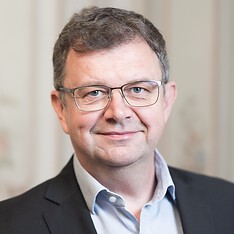 István Bonyhádi,
Interpretation of Musical Entertainment Theatre
Operette
Ferdinando Chefalo, Dance and Movement Education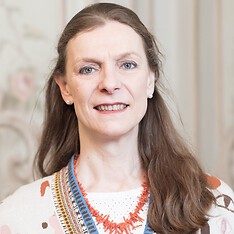 Katharina Czernin, Breathing Techniques and Body Awareness
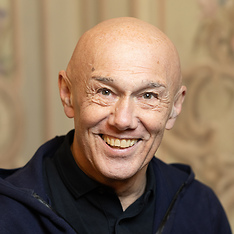 Wolfgang Dosch, Scenic-dramatic instruction|OperetteNatalie Forester, Music Drama Basic Training|Drama
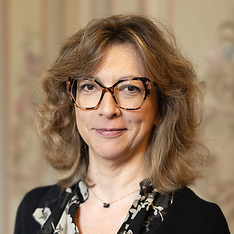 Luisella Germano, Recitative
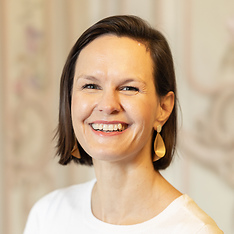 Clauida Goebl, Mental Coaching
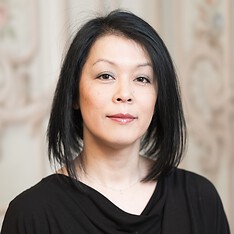 Chihiro Gordon, Class Accompaniment in Musical Theatre
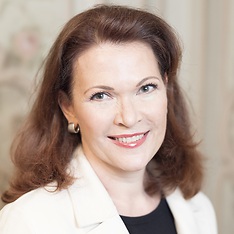 Verena Hanser, Breathing Techniques and Body Awareness|Diction
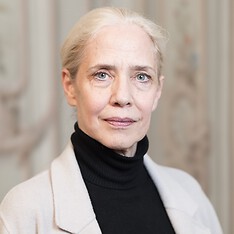 Marie Helle, Music Drama Basic Training, Opera as a Social Stage: Staging, Power and Gender
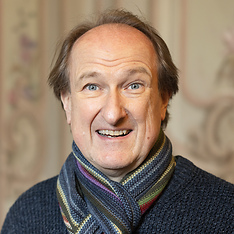 Markus Kupferblum, Acting|Ensemble
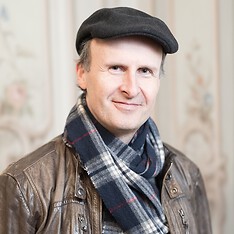 Daniel Linton-France, Musical Interpretation BA|Role Coaching
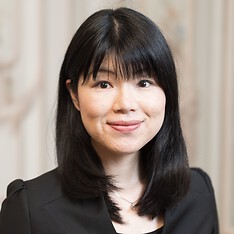 Nana Masutani, Class Accompaniment in Musical Theatre
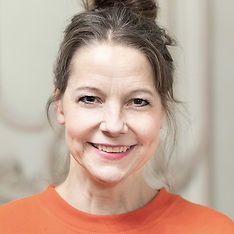 Chris Pichler, Acting|Drama Ensemble
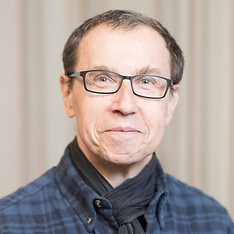 Robert Simma, Music Drama Basic Training
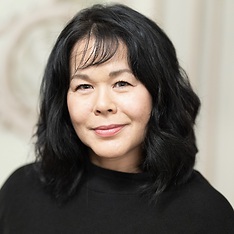 Uta Simone,
Diction
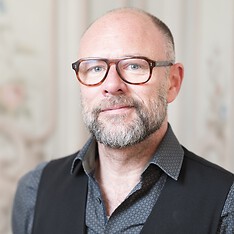 Günther Strahlegger, Diction
 Jürgen Tauber,
Solfeggio|Interpretation of Musical Entertainment Theatre
Operette