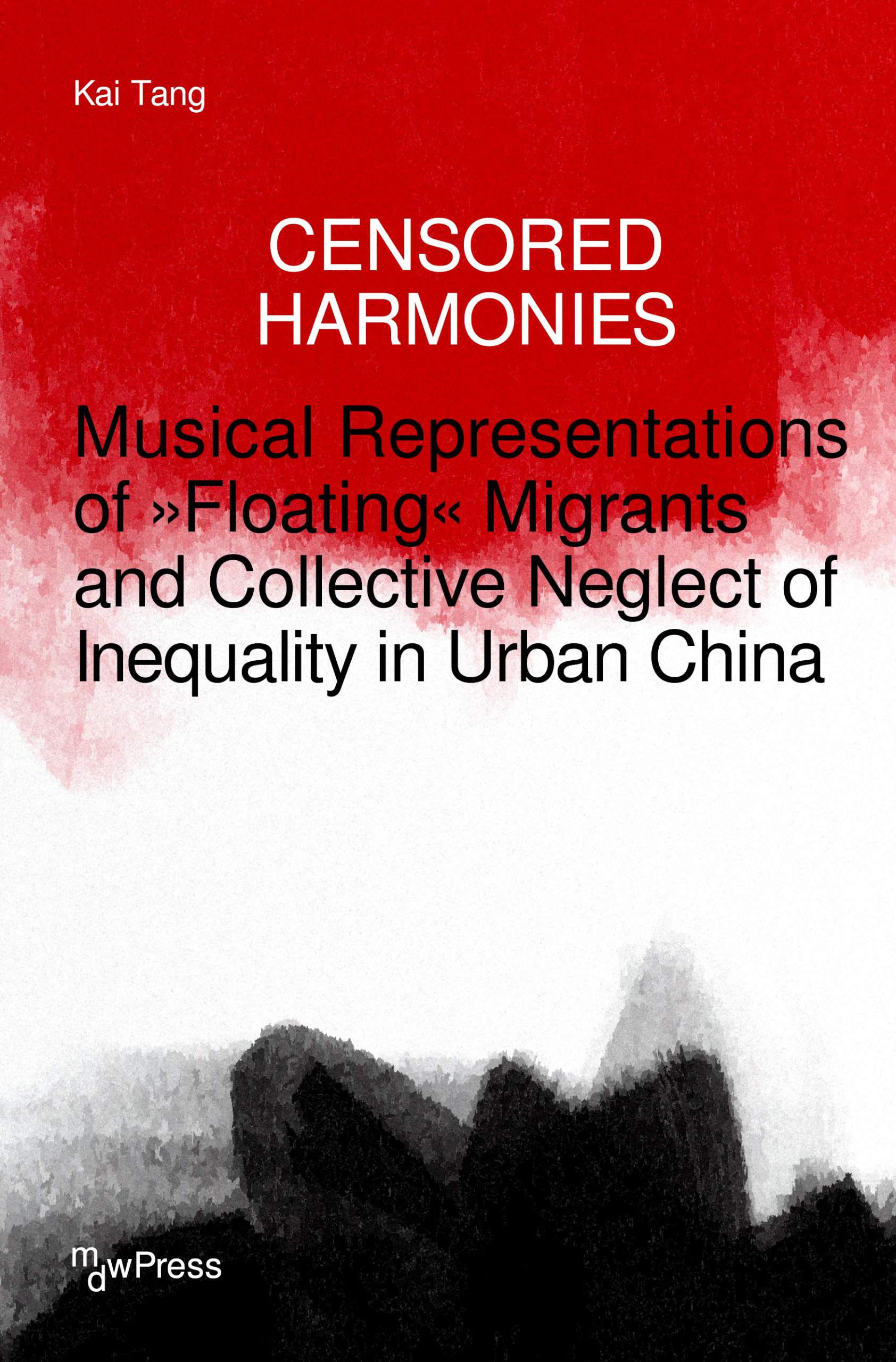
Musical Representations of “Floating” Migrants and Collective Neglect of Inequality in Urban China
Kai Tang
Chapter 1: Introduction
Who Are “Floating Migrants”?
Floating Migrants: from Familiar Strangers to Research Partners
The Music and Lives of Floating Migrants: A Day in Beijing
Ethical Consideration and Confrontations
Several Key Terms in the Socio-Cultural Lives of Floating Migrants
Music and Minorities: Representation, Public Perception, and Self-Empowerment
Chapter 2: The official Representations of Floating Migrants
State-sponsored Art Troupes: Performing for and as Representatives of the floating migrants
Basic Guidelines in Generating Official Musical Representations
Red Classics in Everyday Life: From Self-Advertisement to State-Sponsored Representation
Songs Written to Give a Voice to Peasant Workers and Performances Designed to Represent Floating Migrants
Legitimizing the Musical Representations: Images of Heroic Sacrifices and Habitual Sentiments about the Mother Country
Chapter 3: State-sanctioned Rebellion, Partial Reality, and Aboveground Rock of Floating Migrants
Dispelling the Myths about Chinese Rock
Floating Migrant Rockers: Joining the Urban Music World
Peasant Worker Rockers on China’s Mainstream Stage: “Grassroots Voices Moving China”
Aboveground Floating Migrant Rock: Performing a Partial Reality
Testing the Margins of Safe Musical Expression
Chapter 4: Sour Songs: Women’s Voices in Patriarchal Contexts
Liumin: Floating Migrants in Pre-modern China
Folk songs: A “Wild Zone” for Women in Patriarchal Contexts
Sour and Bitter Songs: The Musical Expressions of “Left-Behind Women” outside the Patriarchal Norms
“Sing a Song to Broaden the Heart”: Male Migrants Borrowing Women’s Songs, and Roundabout Ways of Musical Expression
Chapter 5: Conclusion
APPENDIX
List of Figures, Music Examples and Tables
A Note on Translation and Transliteration
References
About mdwPress
This work is licensed under the Creative Commons Attribution-NonCommercial 4.0 International Lizenz.
This publication received financial support from the Open Access Fund of mdw – University of Music and Performing Arts Vienna. The research
project on which this publication is based was funded by Harvard University Richard F. French Fellowship, John Knowles Paine Traveling Fellowship, and Harvard Graduate Society Dissertation Completion Fellowship.