Der Start des Masterstudiums Ethnomusikologie an der mdw im Oktober 2019 hat eine anfangs unauffällige, doch stetig größer werdende und tatsächlich weittragende Veränderung ins Haus gebracht. Erstmals in der 200-jährigen Geschichte der Institution sind Musik- und Tanzstile, die bisher im akademischen Kontext nicht repräsentiert waren, studierbar – und zwar in forschender Erkundung und künstlerischer Praxis. Der Master hat zwei integrale Komponenten: wissenschaftliche Forschung mit künstlerischer Praxis. Die wissenschaftliche Disziplin der Ethnomusikologie basiert auf ethnografischer Feldforschung, also der Begegnung mit Menschen und den musikalischen und tänzerischen Welten, in denen sie sich bewegen. Dabei spielt kulturelle Pluralität eine wesentliche Rolle: In ihren ethnomusikologischen Forschungen widmen sich die Studierenden den unterschiedlichen Erscheinungsformen von Musik und Tanz auf unserer Erde. In den wissenschaftlichen Studienbereichen trainieren sie weiters grundlegende Forschungskompetenzen, wie kritisches Hinterfragen, analytisches Urteilsvermögen, gesellschaftspolitische Verantwortung und Reflektieren der eigenen Positionalität.

Die künstlerische Praxis im Studium ermöglicht Studierenden neben dem Kennenlernen verschiedenster tänzerischer und musikalischer Traditionen die tiefgehende Auseinandersetzung mit einer von ihnen gewählten musikalischen oder tänzerischen Ausdrucksform, wobei das Curriculum hier – anders als bei international vergleichbaren Studien – keine Vorgaben macht. Ein zentrales Qualitätskriterium des Studiums: Jede Musik der Welt, jeder Tanzstil der Welt ist willkommen und kann als künstlerisches Schwerpunktfach gewählt werden. Studierende haben also nicht aus einem vorgegebenen Kanon zu wählen, sondern bringen mit ihrer Expertise, ihren künstlerischen Erfahrungen und Wünschen Musik- und Tanzstile ins Haus hinein. Für diese künstlerischen Schwerpunktfächer vergibt das Institut eigens maßgeschneiderte Lehraufträge – die Lehrbeauftragten tragen dann wiederum zur Diversifizierung des künstlerischen Lehrangebots der mdw im Ganzen bei, denn als Ensemblekurse können die Lehrangebote von allen Studierenden besucht werden. Ein sich ständig änderndes künstlerisches Lehrangebot zu managen, bedeutet administrativen Aufwand, ergibt aber einen immensen Mehrwert. Es ist diese stilistische und kulturelle Offenheit, die das Masterstudium Ethnomusikologie international zu einem Unikum macht und darüber hinaus Ausschlussmechanismen entgegenwirkt. Die künstlerische Zulassungsprüfung sieht ab von Exzellenz, Virtuosität oder kompetitivem Übertrumpfen: Zentrales Zulassungskriterium ist, sich im gewählten Stil überzeugend ausdrücken zu können. Die musikalische Vielfalt, die im künstlerischen Bereich auf diese Weise Einzug in die mdw hält, ist groß: Das künstlerische Schwerpunktfach von Parmis Rahmani, Ethnomusikologiestudentin im dritten Semester, ist das iranische Streichinstrument Geychak, Unterricht hat sie im iranischen Ensemble bei Armin Sanayei. Für die Geychak interessiert sich Parmis Rahmani auch aus forschender Perspektive. Parmis musiziert in diversen Ensembles, darunter das Alhân Ensemble für klassische persische Musik geleitet von Nima Noury, der mit dem Schwerpunkt auf der persischen Langhalslaute Tar ebenfalls gerade das erste Semester des Masterstudiums begonnen hat.

Auch Tanz kann ein künstlerisches Schwerpunktfach sein, so beispielsweise für Katarina Petrović, die im Oktober ihr Studium mit Auszeichnung abschloss und vom Lehrbeauftragten Igor Perić Unterricht im serbischen Kolo („Reigen“) erhielt. Perić unterrichtet auch im österreichweit regelmäßig ausgezeichneten serbischen Tanzverein Stevan Mokranjac, von dem auch junge Tänzer_innen der serbischen Diaspora an die mdw kamen, um gemeinsam Volkstanzchoreografien auf höchstem Niveau einzustudieren – eine Öffnung der Universität für Menschen und Communitys, die bisher wenig repräsentiert waren.
Auch österreichische alpenländische und Wiener Musik sind stark vertreten. Murasaki Fukuda kam aus Japan nach Wien, um Violine zu studieren, und entdeckte dabei ihre Liebe zur Wiener Schrammelmusik. Im Masterstudium Ethnomusikologie hat sie im künstlerischen Schwerpunkt bei Manfred Kammerhofer Unterricht. Derzeit ist sie im dritten Semester und erforscht in ihrer Masterarbeit, welche stilistischen Merkmale die Schrammelmusik besonders „wienerisch“ klingen lassen.

Im Wintersemester 2024 haben vier Studierende des Music Department der Universität Kabul ihr Studium an der mdw begonnen. Nachdem aufgrund des von den Taliban verhängten Musikverbots ihr Studium aufgelassen wurde, pflegen sie nun ihr musikalisches Erbe im Wiener Exil. Finanziert wird der Unterricht in hindustanischer Klassik bei ihrem früheren Institutsleiter Waheedullah Saghar durch eine uniko-Spende des Wiener Wissenschaftsballs.
Studierende können ihren künstlerischen Schwerpunkt auch außerhalb der universitären Lehre weiterentwickeln, was als Studienleistung gewertet wird. Nina Wasilewa-Zanechev, derzeit Studierende im achten Semester, übernahm die Leitung des bulgarischen Chors Kitka in Wien und brachte ihn auf international renommiertes Niveau – der Chor tourt heute regelmäßig durch Europa.
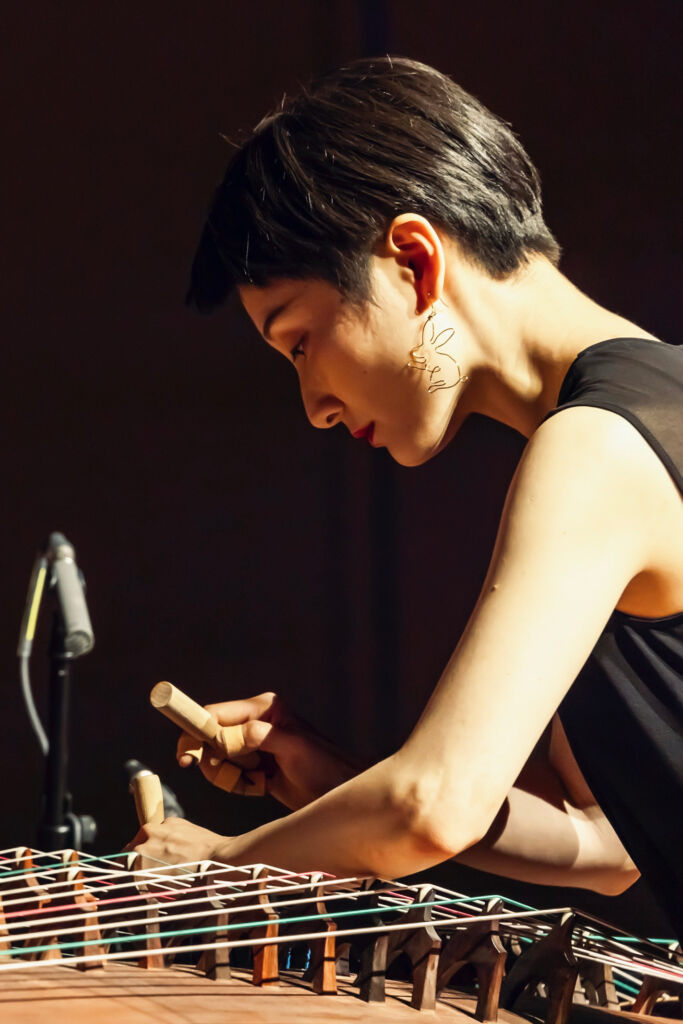
Häufig entscheiden sich auch Musiker_innen, die in ihrem Feld absolut etabliert sind, für ein Studium der Ethnomusikologie, um ihre künstlerische Praxis im entsprechenden akademischen Fachbereich zu kontextualisieren. Salah Ammo aus der Kohorte des allerersten Jahrgangs ist eine Größe der Wiener Weltmusikszene und hat daher keinen Unterricht erhalten, sondern stattdessen seine rege Konzerttätigkeit und Albumaufnahmen auf seinem Instrument, dem syrischen Bouzuk dokumentiert (siehe Alumnus im Fokus). Liangzi Li, Meisterin des chinesischen Zitherinstruments Zheng, kann sich wiederum ihre jahrelange Lehrerfahrung an tertiären Musikausbildungsstätten in China, als künstlerischen Schwerpunkt anerkennen lassen. Diese Profis teilen ihr Wissen oft auch in Workshops oder Kursen mit anderen Studierenden.
Das Masterstudium bildet auf künstlerischer Ebene globale gesellschaftliche Entwicklungen ab. In einer immer stärker global vernetzten Welt und einer transkulturellen und postmigrantischen Gesellschaft macht das Beharren auf das „Eigene“ wenig Sinn, einfach weil es viele verschiedene „Eigene“ gibt. Kulturelle Pluralität ist keine weltfremde Phantasie, sondern Realität. Als eine der größten Musikausbildungsinstitutionen Europas trägt die mdw auch eine Verantwortung, kulturelle Vielfalt im Studienangebot sichtbar zu machen.
Die mdw war 2019 die erste Universität im deutschsprachigen Raum, die ein eigenständiges Masterstudium der Ethnomusikologie angeboten hat – mittlerweile gibt es mehrere. Als Vorreiterin auf diesem Gebiet steht unsere Universität zur politischen Bedeutung dieses Studiums und schiebt es nicht nur als Feigenblatt für Diversität vor. Zukunftsvision ist es, musikalische Pluralität auch im Bachelorbereich eigens zu verankern und kulturelle Vielfalt quer durch die Curricula als klingende Praxis nachhaltig zu etablieren.