Über die Kooperation zwischen der mdw und der Fondation Hasdrubal in Tunesien
In Zeiten, in denen unsere Welt spürbar von Unsicherheit und zunehmender gesellschaftspolitischer Polarisierung und Spaltung geprägt ist, erhalten internationale Kooperationen und Zusammenarbeit – sowohl symbolisch als auch inhaltlich – neue Bedeutung und Relevanz. Die diplomatischen Beziehungen zwischen Österreich und Tunesien reichen bereits 300 Jahre zurück und mit der Unterzeichnung des Kooperationsvertrages zwischen der mdw und der Fondation Hasdrubal im Jahr 2023 konnte hier ein starkes Zeichen gesetzt werden, diese Beziehungen erneut zu stärken und diesen wichtigen (inter)kulturellen Dialog weiterzuführen: „Die Zusammenarbeit zwischen der mdw und der Hasdrubal-Stiftung für Kultur und Kunst ist ein gelebtes Beispiel des interkulturellen Dialoges. Basierend auf künstlerischem, pädagogischem und menschlichem Austausch strebt diese Zusammenarbeit danach, durch Musik und darstellende Kunst dauerhafte Beziehungen zwischen Europa und der arabischen Welt zu schaffen“, betont auch Laurent Jost, Musikalischer Direktor der Fondation Hasdrubal.
Bisher wurden zwischen der mdw und der Fondation Hasdrubal drei Kooperationsprojekte erfolgreich realisiert, im Rahmen derer Studierende und Lehrende der mdw Tunesien besucht haben. Diese Projekte wurden zum Teil auch über die Projektförderung „Süd-Nord“ der österreichischen Botschaft in Tunis finanziell unterstützt. Im Februar 2024 reiste Fedor Rudin, Professor für Orchestererziehung der mdw, erstmals zusammen mit dem Motus Quartett nach Hammamet, um dort tunesische Musiker_innen in Violine und Kammermusik zu unterrichten. Das Quartett erhielt außerdem Impulse zu arabischer Musik und Tradition durch tunesische Musiker_innen.
Laurent Jost weist auf den großen Mehrwert für die jungen Musiker_innen aus beiden Ländern hin, die diese Kooperationen schafft: „Cross-Residencies, Masterclasses und gemeinsame Konzerte ermöglichen es jungen Musiker_innen von beiden Seiten des Mittelmeers, neue Ästhetiken und Praktiken zu entdecken. Für viele tunesische Student_innen ist diese Erfahrung eine Offenbarung. Viele junge Künstler_innen melden uns regelmäßig zurück: ‚Ich habe gelernt, anders zuzuhören, mich auszutauschen und über meine Grenzen hinauszuwachsen.‘ Die Lerneffekte sind tiefgreifend: künstlerische Offenheit, gesteigerte Disziplin sowie mehr Selbstvertrauen und das Gefühl, Teil einer größeren Musikgemeinschaft zu sein. Die Lehrenden heben das Engagement und die Neugierde der Teilnehmer_innen sowie den reichhaltigen interkulturellen Austausch hervor.“
Im Herbst 2024 besuchte Anaïs Tamisier, Lehrende am Joseph Haydn Institut für Kammermusik und Neue Musik der mdw, zusammen mit drei Studierenden (Minkyung Shin, Violine, Djonathan Inácio da Silva, Viola und Felix Vermeirsch, Cello) die Fondation Hasdrubal in Hammamet. Die Studierenden der mdw arbeiteten hierbei ebenfalls im Rahmen von Workshops und Masterclasses eng mit jungen tunesischen Musiker_innen zusammen und hatten schließlich Gelegenheit, ihr musikalisches Programm im Rahmen von zwei Konzerten zu präsentieren.
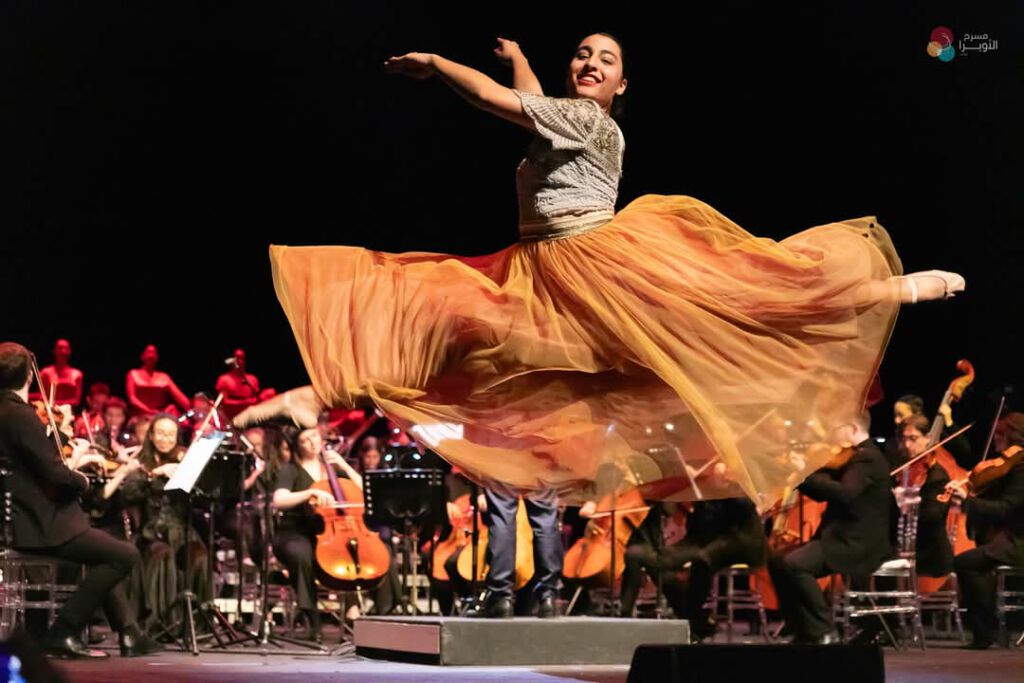
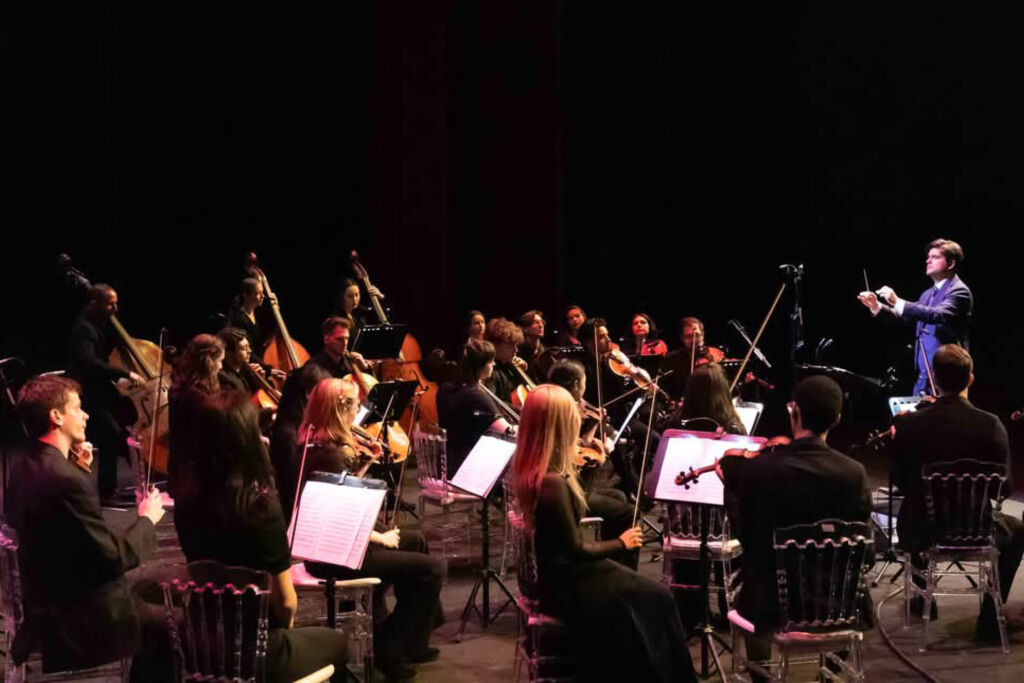
Vorläufiger Höhepunkt der Kooperation war das Orchesterprojekt, das im April 2025 in Tunesien stattgefunden hat. Die Webern Sinfonietta der mdw reiste mit 40 Musiker_innen unter der musikalischen Leitung von Fedor Rudin nach Tunesien, um dort erneut mit tunesischen Musiker_innen zu arbeiten und – sowohl als Zeichen der 300-jährigen diplomatischen Beziehungen zwischen Österreich und Tunesien, als auch anlässlich des 200. Geburtsjahres von Johann Strauss II – Werke von eben diesem sowie Wolfgang Amadeus Mozart in einem Konzert in der Opéra de Tunis einem großen Publikum zu präsentieren. Die Veranstaltung wurde außerdem im tunesischen Nationalfernsehen übertragen. Fedor Rudin sagt über dieses besondere Projekt: „Für mich war es bereits der zweite Besuch im Rahmen dieser Kooperation, daher kannte ich auch die meisten tunesischen Streicher_innen, die diesmal zusammen mit unseren mdw-Studierenden im Orchester musizierten. Ich hatte deshalb erwartet, dass die Vorbereitung der tunesischen Musiker_innen in höchster Verantwortung passieren würde und das Engagement sehr stark sein würde – und meine Erwartungen wurden vor Ort teilweise sogar übertroffen. Auch die unerlässliche stilistische Anpassung konnte trotz der kurzen Probenphase, die wir hatten, zu einem homogenen Gesamtklang überzeugend beitragen. Dabei ist das Lernen in solchen Kontexten nie einseitig. Besonders beeindruckend und schön zu beobachten war der ständige Austausch zwischen allen, sowohl während der Proben als auch darüber hinaus. Ich betone oft und gerne, dass es mir in meiner Tätigkeit als Orchestererzieher an der mdw eigentlich nicht primär darum geht, Orchestermusiker_innen auszubilden. Viel wichtiger ist, und zwar für alle und jede spätere Berufsentscheidung, die menschlichen Fähigkeiten und den sozialen Austausch für eine Gruppenarbeit in einer gesunden und lernwilligen Atmosphäre in diesem Kontext zu fördern; denn genau diese Eigenschaften werden später für jeden Beruf gebraucht, in der Kunst und auch außerhalb. Dazu ist es wichtig, in jedem Alter auch selbst erkennen zu können, welche Privilegien und Mittel wir in Österreich für die Künste und deren Weitergabe zur Verfügung haben, um diese weiterhin zu schätzen und in der Zukunft zu schützen. Das Zeichen der Freude am gemeinsamen Musizieren bleibt das wichtigste, das wir hoffentlich alle aus dieser Woche mitnehmen konnten.“
Die Kooperation zwischen der mdw und der Fondation Hasdrubal kann als ein gelungenes Beispiel für die Festigung einer kulturellen, musikalischen und menschlichen Brücke zwischen Österreich und Tunesien angesehen werden, die sich – trotz aller aktuellen gesellschaftlichen und (welt)politischen Herausforderungen – für ein starkes Miteinander und einen lebhaften Dialog zwischen den Kulturen und Menschen ausspricht. So sagt auch Laurent Jost: „Es gibt natürlich Herausforderungen, aber wir meistern sie dank unserer gemeinsamen Vision und dem gemeinsamen Wunsch, eine Brücke zwischen den Kontinenten zu bauen. Die Zusammenarbeit zwischen der mdw und der Fondation Hasdrubal ist besonders wertvoll: Sie geht weit über die musikalischen Ausbildung hinaus und fördert das Entstehen einer weltoffenen Sicht. Im gegenwärtigen internationalen Kontext unterstreicht das die wesentliche Rolle, die die Kultur einnimmt, um Freiräume zu schaffen die von Respekt und Hoffnung geprägt sind.“