Wie soll es nach einer befristeten Anstellung weitergehen? Wie lassen sich Karriereentwicklung, internationale Mobilität und Betreuungspflichten unter einen Hut bringen? Steigender Publikationsdruck und die Abhängigkeit von Drittmitteleinwerbungen erhöhen Unsicherheit und Prekarisierung. Die Diskussion darüber wird sowohl national als auch im europäischen Forschungsraum geführt. Die österreichische Universitätenkonferenz (uniko) hat 2024 dazu Empfehlungen veröffentlicht: Karrierewege in der Wissenschaft und Research Assessment.
An der mdw wurden diese Themen in der Klausur der Wissenschaften in einer Arbeitsgruppe unter dem Titel Temporary Contracts – Creating Perspectives behandelt. Im Rahmen der Human Resources Strategy for Researchers (HRS4R) konnten Maßnahmen für mehr Transparenz und Information sowie konkrete Unterstützungsangebote entwickelt werden.
Wir haben nachgefragt, wie sich die Situation an der mdw darstellt und mit welchen Herausforderungen einzelne Forschende konfrontiert sind:
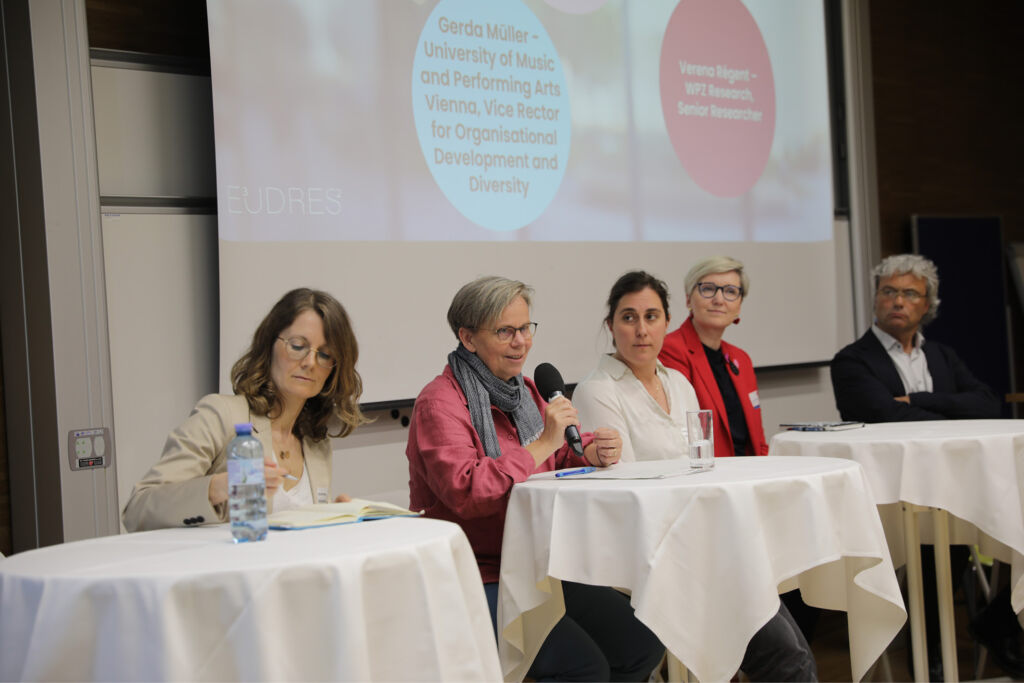
„Hinsichtlich der Karriereentwicklung gilt es, Strukturen zu schaffen, die dem wissenschaftlichen und künstlerischen Nachwuchs nachhaltige und attraktive Perspektiven aufzeigen und ermöglichen. Zu nennen sind hier u. a. Überleitungen zu Senior Lecturer, Senior Artist, Entfristungen und Tenure-Track-Laufbahnstellen. Aufgrund der kennzahlenbasierten Universitätsfinanzierung und der Vorgaben des Ministeriums in Bezug auf die Anzahl der zu besetzenden Stellen gewinnt die Personalstrukturplanung immer mehr an Bedeutung. Der Entscheidungsspielraum für Universitäten ist begrenzt. Die ökonomische Verantwortung auf der einen Seite und eine Personalentwicklung entlang der individuellen Bedürfnisse der Mitarbeiter_innen auf der anderen Seite sind in Balance zu halten. Dass der Kollektivvertrag für wissenschaftliche Stellen im Gegensatz zu künstlerischen einen klaren Rahmen für die Karriereentwicklung vorgibt, stellt Kunstuniversitäten vor Herausforderungen. An Lösungen wird schon seit Längerem mit der Gewerkschaft gearbeitet, dafür setze ich mich auch persönlich ein. Grundsätzlich lässt sich festhalten, dass die mdw im Vergleich zu anderen Universitäten eine sehr hohe Entfristungsrate hat.“ Gerda Müller, Vizerektorin für Organisationsentwicklung und Diversität
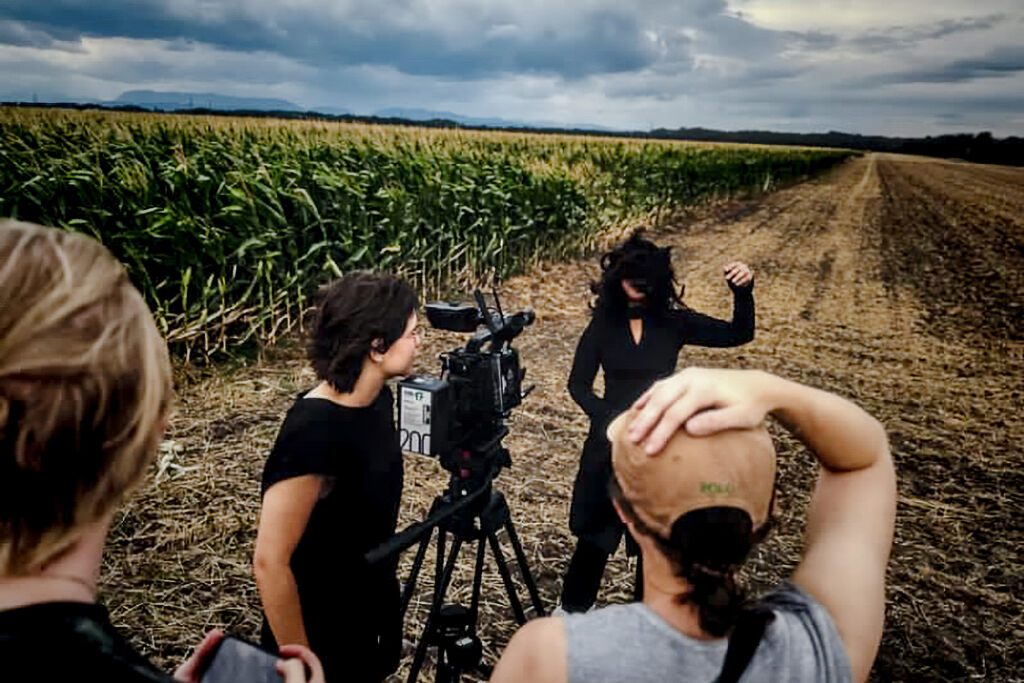
„Die mdw verbindet Kunst und Wissenschaft auf höchstem Niveau – eine weltweit seltene Kombination, die mich besonders durch ihren Schwerpunkt auf den österreichischen Film angesprochen hat. Derzeit beschäftigt mich vor allem die strukturelle Unsicherheit für Early Career Researchers: Die Begrenzung befristeter Verträge auf acht Jahre pro Universität erschwert nachhaltige Karriereplanung – zumal bezahlte Prä-Doc-Zeiten, die zur Querfinanzierung des unbezahlten Doktorats notwendig waren, angerechnet werden. Weitere Herausforderungen sind die Balance zwischen internationaler Sichtbarkeit, Drittmitteleinwerbung und nationalen Anforderungen im künstlerischen Bereich. Sehr hilfreich finde ich die inhaltliche und finanzielle Unterstützung der mdw bei der Drittmitteleinwerbung. Dringend notwendig ist eine bundesweite Überarbeitung der Kettenvertragsregelung. Mein Rat: Ein motivierendes Netzwerk an Peers – national wie international – ist essenziell.“ Barbara Wolfram, Projektmitarbeiterin (Post-Doc) an der Filmakademie Wien und Post-Doc-Fellow an der mdw
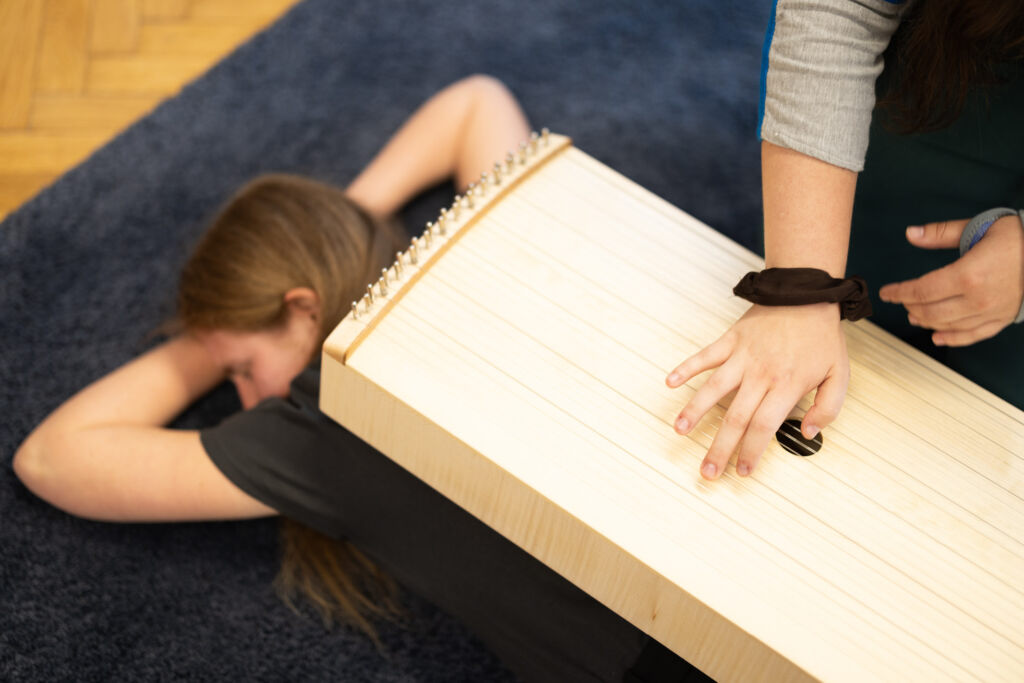
„Eine akademische Laufbahn an der mdw bietet Raum für Kreativität und ermöglicht inter- und intradisziplinäre Kooperationen, die zu fruchtbaren, gesellschaftlich relevanten Ergebnissen führen. Ein Aspekt für eine nachhaltige Karriere ist die Einwerbung von Fördermitteln: Die Forschung in interdisziplinären Teams bringt die Herausforderung mit sich, Projektförderungen zu finden, die mehrere Aspekte abdecken, wie dies bei der Musiktherapie der Fall ist, die Bereiche wie Psychologie, Psychiatrie, Medizin und Musik miteinander verbindet. Was ich persönlich als hilfreich empfinde, ist die jährliche Klausur der Wissenschaften. Sie ist sehr nützlich für Vernetzung und Förderung von Kollegialität. Ich glaube, dass es in der Wissenschaft eine weitverbreitete Kultur gibt, die wegen der Unsicherheiten von befristeten Stellen Überarbeitung fördert. Eine engagierte und besser strukturierte Unterstützung für diejenigen in Tenure-Track-Positionen könnte die Belastung in dieser unsicheren und sehr stressigen Zeit verringern. Welchen Rat würde ich geben? Forschen Sie zu einem Thema, das Sie begeistert, finden Sie Ihr Unterstützungsnetzwerk, sprechen Sie mit anderen, die bereits in dieser Position sind, um zu sehen, ob es wirklich das Richtige für Sie ist, und machen Sie weiter Musik!“ Elsa Campbell, Assistenzprofessorin (Tenure Track) am WZMF – Wiener Zentrum für Musiktherapie-Forschung
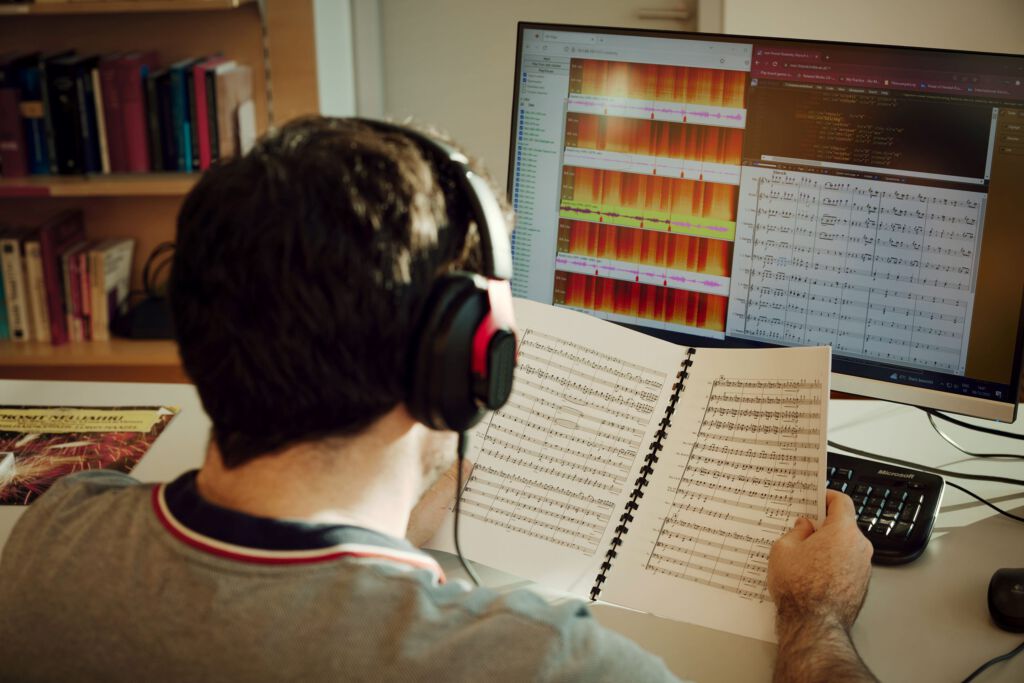
„Ich habe einen laufenden Post-Doc-Vertrag im Bereich Musik und Linked Data an der Universität Oxford aufgegeben, um mit meiner Familie in meine Heimatstadt Wien zurückzukehren. 2018 kam ich an die mdw, um an einer der weltweit führenden Musikuniversitäten zu forschen. Im Rahmen mehrerer durch Drittmittel finanzierter Forschungsprojekte im Bereich digitale Musik haben meine Kolleg_innen und ich eine Software entwickelt, die international Beachtung findet – unser „mei-friend“ ist zu einem De-facto-Standardtool für die Musikcodierung geworden. Mit § 109 UG (Kettenvertragsregelung) sehe ich mich nun mit Unsicherheiten konfrontiert, die über die übliche Prekarität befristeter Post-Doc-Stellen hinausgehen. Diese betreffen eine große Mehrheit der wissenschaftlichen Mitarbeiter_innen in Österreich und haben nachweislich negative Auswirkungen auf Forschende und ihre Arbeit. Ich bin dankbar, dass die mdw betroffene Mitarbeiter_innen berät und unterstützt, und hoffe, meine Arbeit hier langfristig fortsetzen zu können.“ David M. Weigl, Projektmitarbeiter (Senior Post-Doc) am Institut für musikalische Akustik – Wiener Klangstil
Veranstaltungstipp: Karrierewege in Wissenschaft und Kunst an der mdw – mit Blick auf den europäischen Kontext
Gespräch mit Gerda Müller (mdw), Giuliana Sabbatini (FH St. Pölten), Marie Louise Herzfeld-Schild (mdw), David M. Weigl (mdw)
Moderation: Therese Kaufmann (mdw)
23. Oktober, 15.30 Uhr
mdw-Campus, spiel|mach|t|raum