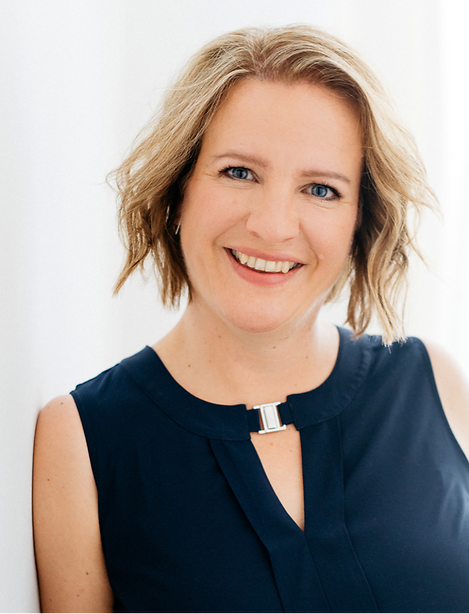
 © Marie Bleyer
Monika Rak studierte Lehramt Musikerziehung und kombinierte Religionspädagogik an der Universität für Musik und darstellende Kunst Wien und Universität Wien.
Ihre Unterrichtstätigkeit in unterschiedlichsten Schultypen im Fach Musikerziehung, Kreativer Ausdruck, Chorgesang und Religion führten sie ans Caritas Ausbildungszentrum Wien, ans BORG Deutsch-Wagram und ans Evangelische Realgymnasium Wien Donaustadt. Projekte mit standort- u. länderübergreifenden Schulchören (Erasmus-Projekt „Anders sein – gemeinsam“) und interdisziplinäre Projekte zum Thema „Komponistinnen“ bildeten und bilden wesentliche Schwerpunkte ihres pädagogischen Wirkens.
Für die KPH Wien/Krems und den Verein „Medien in Schule und Ausbildung“ war sie in der Lehrer:innenfortbildung zum Thema „Ethik und Verantwortung im Journalismus“ als Organisatorin und Vortragende tätig und publizierte zahlreiche Unterrichtsmaterialien.
Darüber hinaus absolvierte sie Lehrgänge zu „Globalem Lernen“, „Individueller Lernbegleitung“ und die Ausbildung zur „Schulentwicklungsberaterin“.
Seit November 2022 ist sie Universitätsassistentin im Fachbereich Allgemeine Musikpädagogik am Institut für musikpädagogische Forschung und Praxis.
Ihr Forschungsinteresse gilt dem Thema der Hör- und Sichtbarkeit von Komponistinnen und ihren Werken im schulischen Musikunterricht, in Schulbüchern und digitalen Unterrichtsmaterialien.
rak@mdw.ac.at
Komponistinnen und ihre Werke in den Materialien des Musikunterrichts - Bedingungen von Geschlechterungleichheit und deren Veränderbarkeit. Eine Interview-Studie auf Grundlage der Grounded Theory Methodologie.
Meine Forschung beschäftigt sich mit der Hör- und Sichtbarkeit von Komponistinnen in den Materialien des Musikunterrichts und fragt danach, wie sich auf Ebene der Materialien Bedingungsfaktoren für Geschlechterungleichheit und deren Veränderbarkeit identifizieren lassen.
Methodisch stütze ich mich auf die Grounded Theory und die Situationsanalyse nach Adele Clarke Es werden problemzentrierte Interviews mit Akteur:innen wie Verlagsleitungen, Schulbuchautor:innen, Lehrerausbildenden und Lehrkräften geführt und ausgewertet.
Eine mögliche Anwendung der Forschungsergebnisse ist die Entwicklung eines Modells zur Integration geschlechterreflektierender Strategien in Materialien des Musikunterrichts. Ein konzeptioneller Rahmen hierfür ist das dreigliedrige Modell von Katharina Debus mit den Ansätzen zur Dramatisierung, Entdramatisierung und Nicht-Dramatisierung. Vor allem der Ansatz der Nicht-Dramatisierung verspricht eine subversive Erhöhung der Hör- u. Sichtbarkeit von Komponistinnen und ihren Werken im Musikunterricht, mit dem deutlichen Ziel, Genderaspekte sensibel zu verankern und didaktische Vielfalt zu fördern.