Die Wiederentdeckung von Antonio Salieris letzter Oper La bella Selvaggia
In den Beständen der Österreichischen Nationalbibliothek liegt ein handschriftliches Dokument, das Antonio Salieri 1802 verfasste und an „jene Person, die diese Oper eines Tages zur Uraufführung bringen wird“ richtete. Für die beiden Akte gab der kaiserliche Hofkapellmeister genaue Hinweise: zur Wirkung einzelner Arien und Ensembles, zu Modulationen, zur Banda und zur Zeichnung der Figuren. Es ist die Stimme eines Komponisten, der wusste, dass er die Uraufführung seines letzten Bühnenwerks nicht mehr erleben würde – und der seine Anweisungen dennoch an einen unbekannten Adressaten in der Zukunft schickte. Im Mai 2026, 224 Jahre später, wurde dieser Brief gewissermaßen beantwortet: In Valladolid kam La bella Selvaggia als Koproduktion des Antonio Salieri Instituts für Gesang und Stimmforschung in der Musikpädagogik der mdw mit der spanischen Universität UNIR und der Fundación EME zur Uraufführung.
Dass diese Wiederbegegnung gerade von Wien aus ihren Ausgang nahm, fügt sich in eine lange Geschichte. Den jungen Antonio Salieri hatte Florian Leopold Gassmann nach dem frühen Tod der Eltern in die Stadt geholt. Aus dem Schüler wurde am kaiserlichen Hof einer der einflussreichsten Komponisten seiner Zeit – und zugleich auch einer der hingebungsvollsten Lehrer des Wiener Musiklebens. Eine ganze Sänger_innengeneration unterrichtete Salieri, häufig ohne Honorar. Damit prägte er die musikalische Ausbildung in Wien weit über das eigene Theaterschaffen hinaus. Auf seine Initiative wurde 1817 die Singschule der Gesellschaft der Musikfreunde gegründet, aus der über das spätere Konservatorium die heutige mdw hervorging. Das Institut, das nun seinen Namen trägt und seine letzte Oper auf die Bühne bringt, steht somit in der direkten Linie dieses pädagogischen Wirkens.
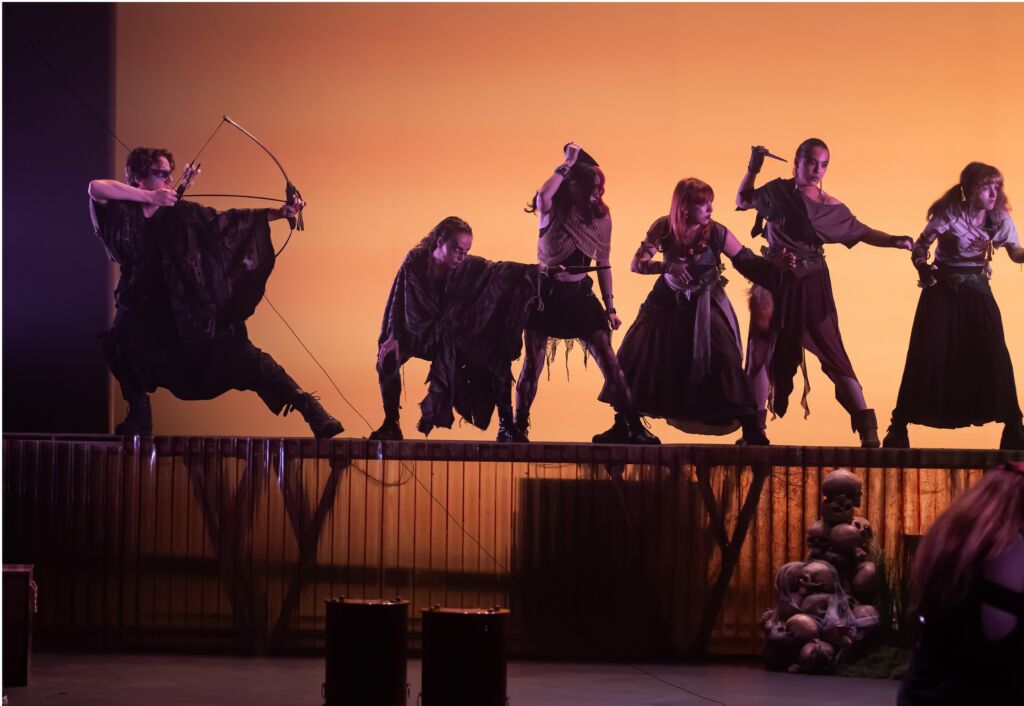
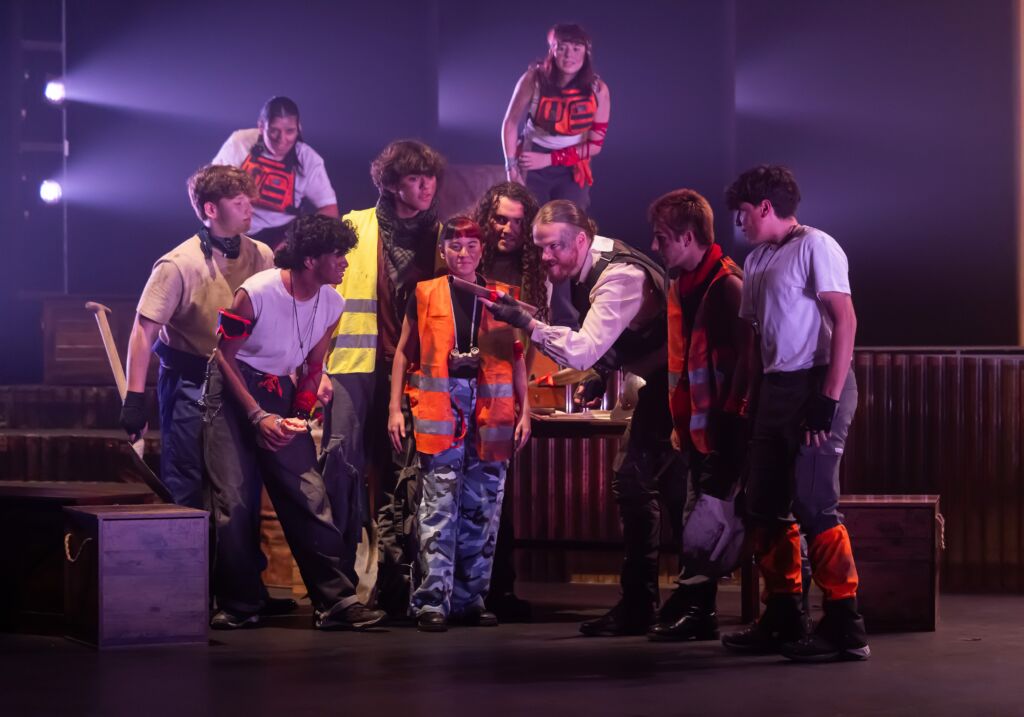
La bella Selvaggia erzählt von einer spanischen Expedition, die auf einer atlantischen Insel auf eine indigene Gemeinschaft trifft. Aus erster Verständigung entsteht ein Geflecht aus Liebe, Eifersucht, Stand und Macht, in dessen Mittelpunkt die junge Zeda steht. Was als kolonialer Stoff beginnt, mündet in eine aufklärerische Pointe: Am Ende erkennt der spanische Kommandant Don Parafonio, dass Liebe, Eifersucht, Neid und die unbegründete Angst vor dem Fremden menschliche Antriebe sind, die allen gemeinsam sind – unabhängig von Herkunft, Geschlecht oder Glauben. Die Botschaft erinnert an die Losung der Französischen Revolution „Freiheit, Gleichheit, Brüderlichkeit“ und steht am Ende eines Werks, das der Hofkapellmeister 1802 in einer Zeit tiefgreifender politischer Umbrüche niederschrieb.
Der Weg zur Uraufführung begann mit einer Begegnung in Wien. Im Frühjahr 2025 richtete das Antonio Salieri Institut anlässlich des 200. Todestags des Komponisten einen Schwerpunkt aus – mit Symposium, wissenschaftlichen Vorträgen, Meisterkursen und Aufführungen, darunter Salieris Requiem und die Oper Prima la musica e poi le parole. In diesem Rahmen reiste Ernesto Monsalve, Dirigent, promovierter Musikwissenschaftler und Salieri-Forscher, mit einer Gruppe seiner Studierenden aus Valladolid nach Wien, um die Aufführung von Prima la musica zu erleben. Kurz darauf brachte er die Idee zu einer Koproduktion ein. Im Sommer 2025 begann die Planung, im Oktober fand sich bei internen Auditions am Institut das Solist_innenteam für Valladolid zusammen. Ein internationales Opernprojekt war auch für das Antonio Salieri Institut ein eigener Aufbruch in neue Welten, auf Wiener Seite koordiniert von Alexander Mayr und Amira El-Hamalawi.
In den Wintermonaten arbeiteten die Sänger_innen mit Stephen Delaney und György Handl an Partien, Ensembles und Rezitativen. Die Klavierstudierende Iulia Cusnir begleitete die Probenarbeit am Cembalo und übernahm auch in den Vorstellungen den Cembalopart der Rezitative. Im Februar und April 2026 reiste Regisseur Alberto Trijueque aus Spanien an, um in zwei intensiven Probenphasen mit den Solist_innen das szenische Konzept zu erarbeiten, unterstützt von Regieassistent Muhamed Hrustanovic.
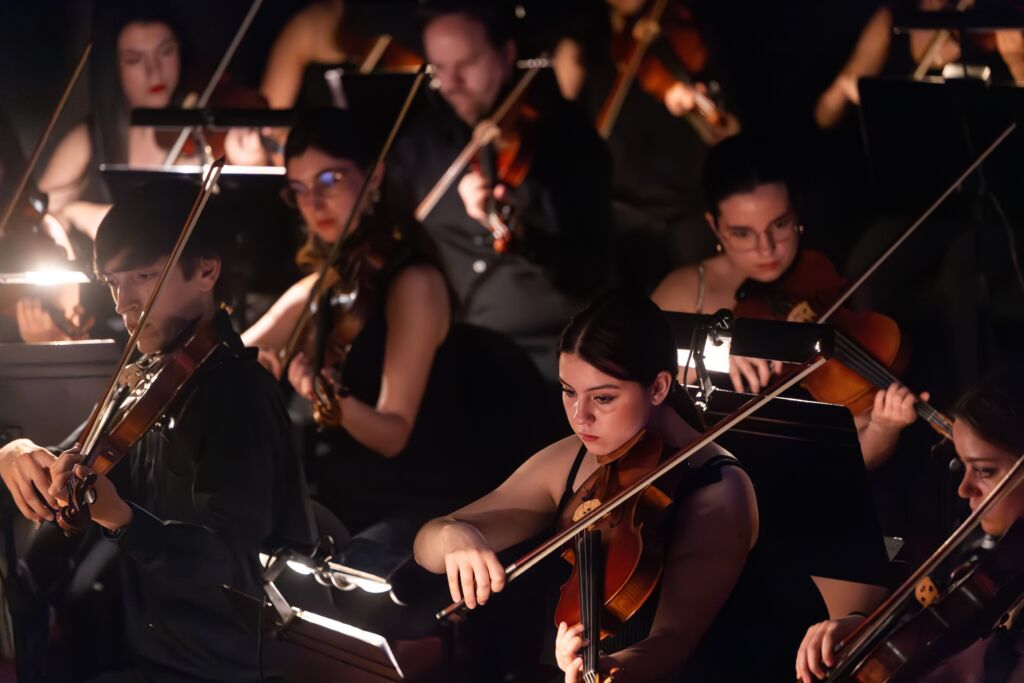
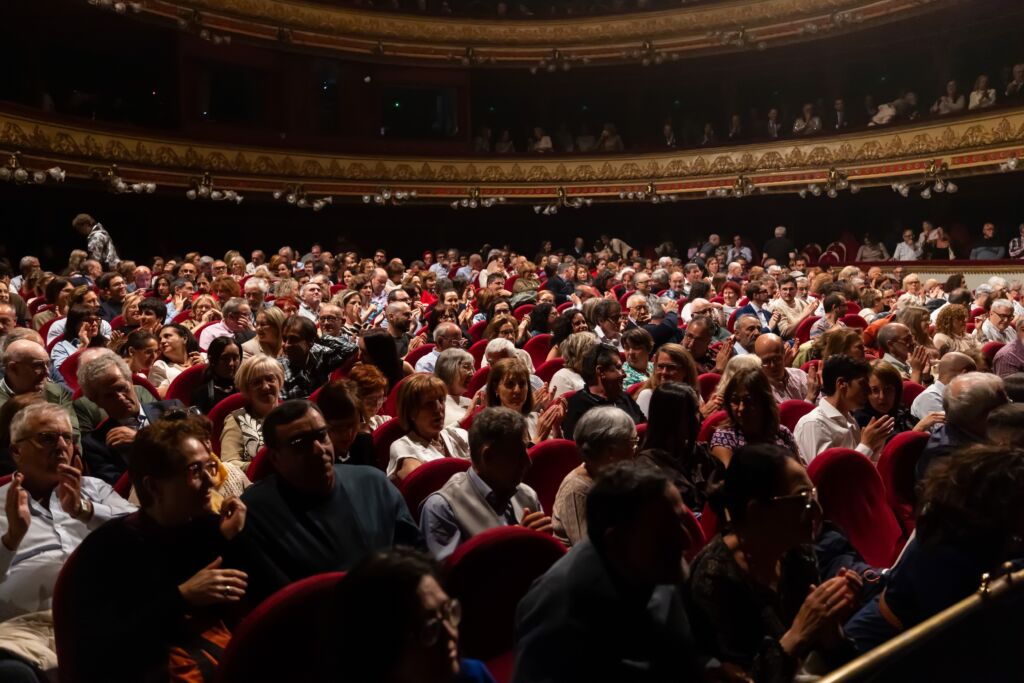
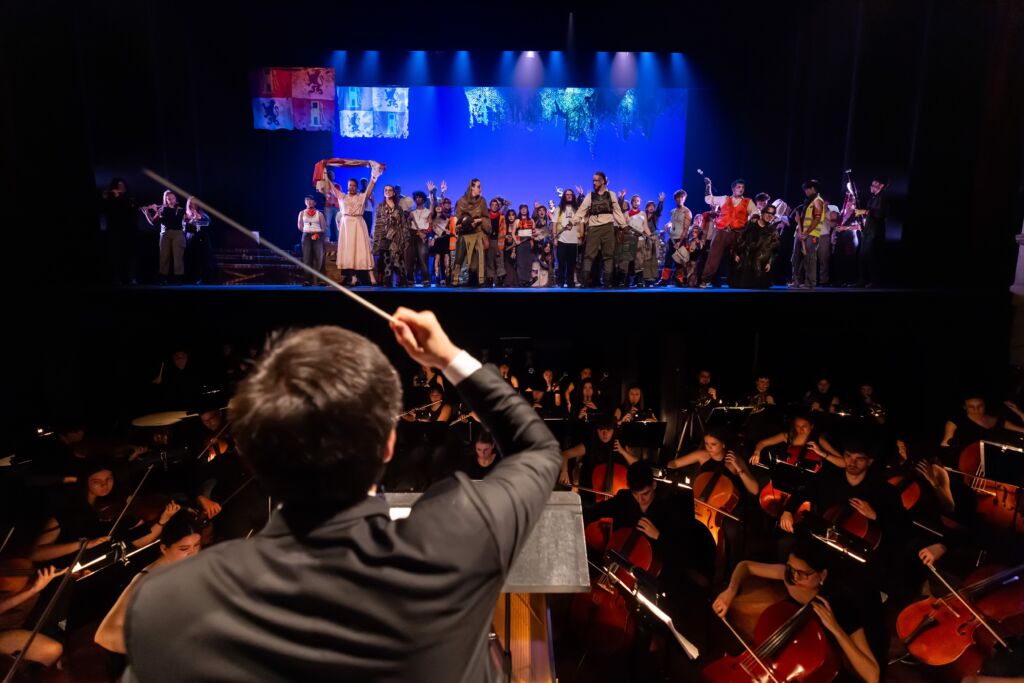
Am 2. und 3. Mai 2026 fand schließlich die Weltpremiere im ausverkauften Teatro Calderón statt. Unter der musikalischen Leitung Ernesto Monsalves brachten das Joven Orquesta Sinfónica de Valladolid und der Chor der Escuela de Arte de Valladolid Salieris letzte Oper auf die Bühne. Publikum und Presse nahmen die Wiederentdeckung mit großer Begeisterung auf.
Die Solorollen werden in Valladolid und Wien von zwölf Studierenden des Antonio Salieri Instituts gestaltet: Erica Alberini, Aaron Bauer, Mathias Crazzolara, Simon Helm, Susanna Hoppe, Anna Maria Krismer, Moritz Merten, Benjamin Prieger, Katharina Rothen, Markus Schiendorfer, Tanja Weiß und Heidrun Wurm. Mehr als 200 Jahre nach Salieris Tod eröffnet sein bis dahin ungespieltes Werk damit einer neuen Generation von Studierenden eine besondere künstlerische und gesangspädagogische Erfahrung. Gerade für die IGP-Studierenden des Antonio Salieri Instituts verbindet sich in der Erarbeitung von La bella Selvaggia das, wofür Salieri selbst in besonderer Weise stand: musikalische Praxis, sängerische Ausbildung und pädagogische Weitergabe. Für sie wird diese Weltpremiere von musikhistorischer Dimension Teil des eigenen Studiums und die Bühne gleichsam zum Lehrsaal.
Am 15. und 16. September 2026 kehrt La bella Selvaggia in die Stadt ihrer Entstehung zurück. Im Schlosstheater Schönbrunn wird Salieris letzte Oper erstmals in Österreich zu hören sein. Damit findet am Ort ihres Ursprungs eine Geschichte ihren Abschluss, die Salieri mit seinem Brief von 1802 in die Zukunft geschickt hatte. Sein unbekannter Adressat hat geantwortet.
Tickets erhalten Sie hier.