In May 2026, the interdisciplinary festival “TODAS. Latin American Women* Musicians in Vienna. Concerts, Lecture, Dialogues” took place at the mdw. This event was an outcome of the research project “Reverse Ethnomusicology: Migrant Musicians as Researchers”.1 Co-curator Gabriela Dossow Ponce describes how the festival evolved and why it was so important.
Those of us lucky enough to have spent the evenings of 8 and 9 May 2026 in the packed Fanny Hensel-Saal still have the music and discussions of TODAS circling inside our brains. TODAS was a two-day interdisciplinary festival whose main purpose was to centre Latin American women and fem musicians from Vienna. These two days saw a genre-independent selection of six Latin American women- and fem-led projects presented along with a keynote and a roundtable that opened up discussions concerning the intersectionality of gender and diaspora. We heard opera, chamber music, jazz, pop songs, joropo, pajarillos, classical art songs, and solo classical guitar—and it all converged beautifully.
But how did this event come about? In hindsight, I view it as a matryoshka doll of projects combined with a series of fortunate occurrences. First, there was the research project “Reverse Ethnomusicology: Migrant Musicians as Researchers”. Led by Ass.Prof. Dr. Anja Brunner (mdw) and Dr. Conny Gruber (Austrian Academy of Sciences), this project acknowledged migrant musicians as citizen researchers based on the idea that when a migrant musician comes to Vienna for the first time, they ask questions in order to understand the local industry and scenes with an eye to participating in them. Anja Brunner and Conny Gruber accordingly selected six musicians from all over the world to develop research projects on whatever topics they chose. Which brings us to the second doll in this matryoshka set: my project, entitled “Women and fem Latin American musicians in Vienna: in plural”. Therein, I aimed to understand how Latin women and fem musicians navigate the Viennese music scenes and explored challenges that they might face due to gender and/or origin. After several interviews, concerts, conversations, and workshops, I began feeling a growing urge to create a space where Latin American women and fem musicians could showcase their projects without being exoticised. Therefore, Anja Brunner and I started working together on the creation of such a space—and thanks to highly felicitous cooperation with the Department of Folk Music Research and Ethnomusicology (IVE), the Music and Minorities Research Center (MMRC), and the association Operatrip Kulturverein, the third matryoshka was finally born: the festival TODAS.
On 8 May 2026, TODAS opened with welcoming words from the organisers and introductory remarks by Javier Silvestrini (IVE), Ursula Hemetek (MMRC), and Natalia Hurst (Operatrip). Thereafter, in her keynote on feminism and music in the Dominican Republic, ethnomusicologist Sydney Hutchinson approached the topic via the figure of tígueras (female tigers) and the associated activism of tigueraje, exploring the potential of musical creation within a “feminism from below”. Using numerous musical examples from different generations and eras dating back to the early 20th century, she traced a convincing and complex history of feminist activism through and within music in the Dominican Republic.
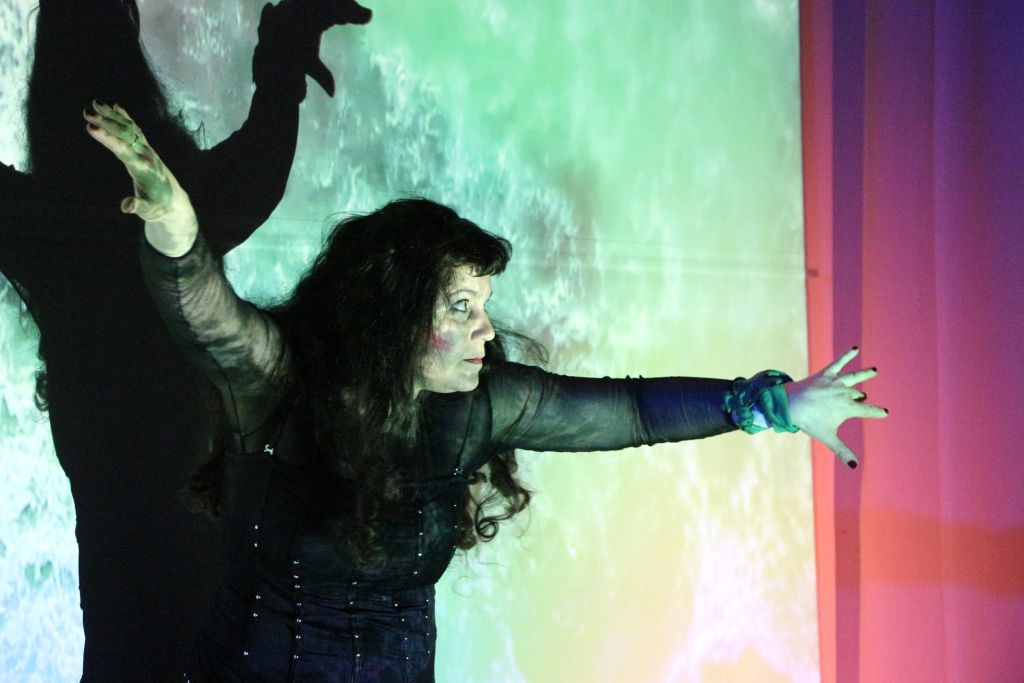
The musical acts of the first evening began with the multimedia operatic performance Opera Triptychon: Quarantine Story of a Woman by Natalia Hurst. In her work, Natalia Hurst places classical music in new contexts. This performance interwove live-sung arias from operas by Mozart, Puccini, and Verdi with a video performance and live acting to address the complexity of women’s—specifically women artists’—reality during the COVID-19 pandemic.
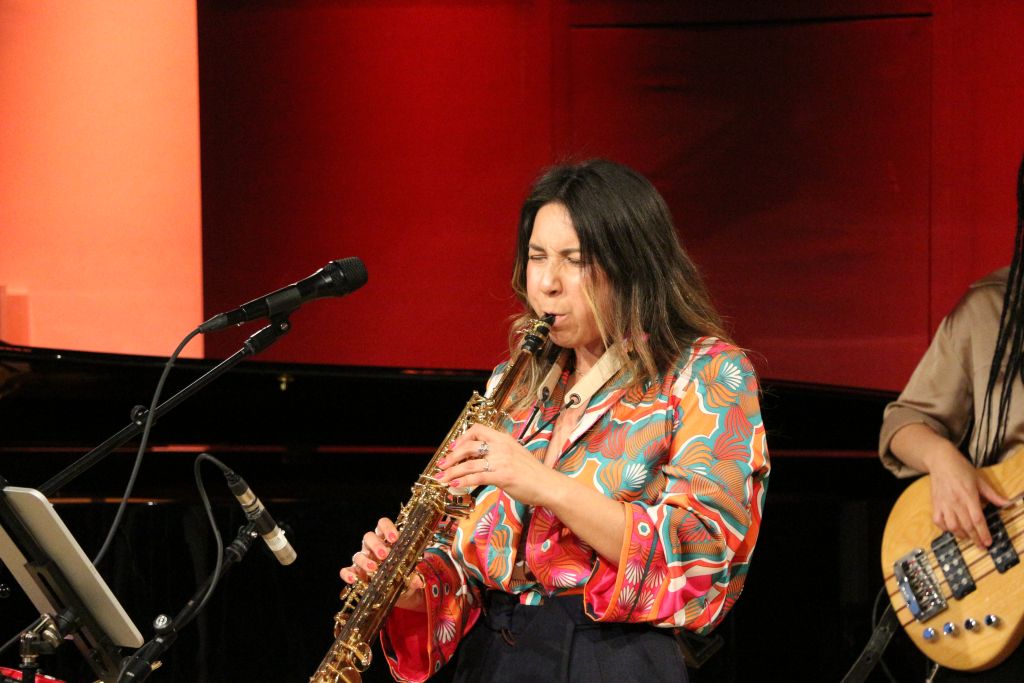
The audience was then invited to have some drinks and converse, while the—terrific!—technicians prepared everything for the final musical presentation of the day: the Laura Valbuena Quintet, whose eponymous lead player conjured up the most amazing atmosphere with her saxophone. Alongside Laura Valbuena, this outstanding ensemble includes keyboard (Julia Radschiner), electric guitar (Jocsán Mendoza), electric bass (Thatiana Gomes), and drums (Julian Villegas). Laura’s compositions and arrangements, which effortlessly combined Latin American musical traditions and jazz, captivated the audience.
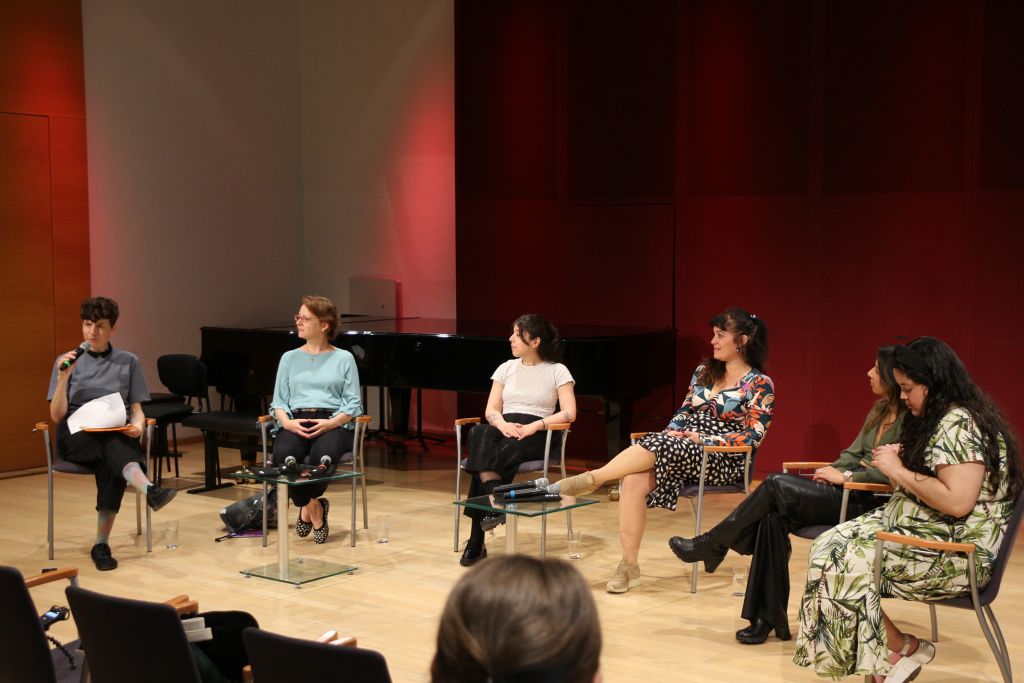
After barely any rest came day two, which began with a roundtable discussion that witnessed intense and urgently needed exchange with regard to the situation of musicians from Latin America in Vienna’s music scenes. Moderated by Conny Gruber, music scholars Sydney Hutchinson and Constanza Toledo as well as musicians Natalia Hurst, Laura Valbuena, and I debated together with the audience concerning the presentation and representation of Latin American musicians in Vienna as well as the performance venues and financial opportunities open to them. In this lively discussion, our challenges—including exoticising structures and behaviours within the music field and a lack of performance opportunities—became vividly clear.
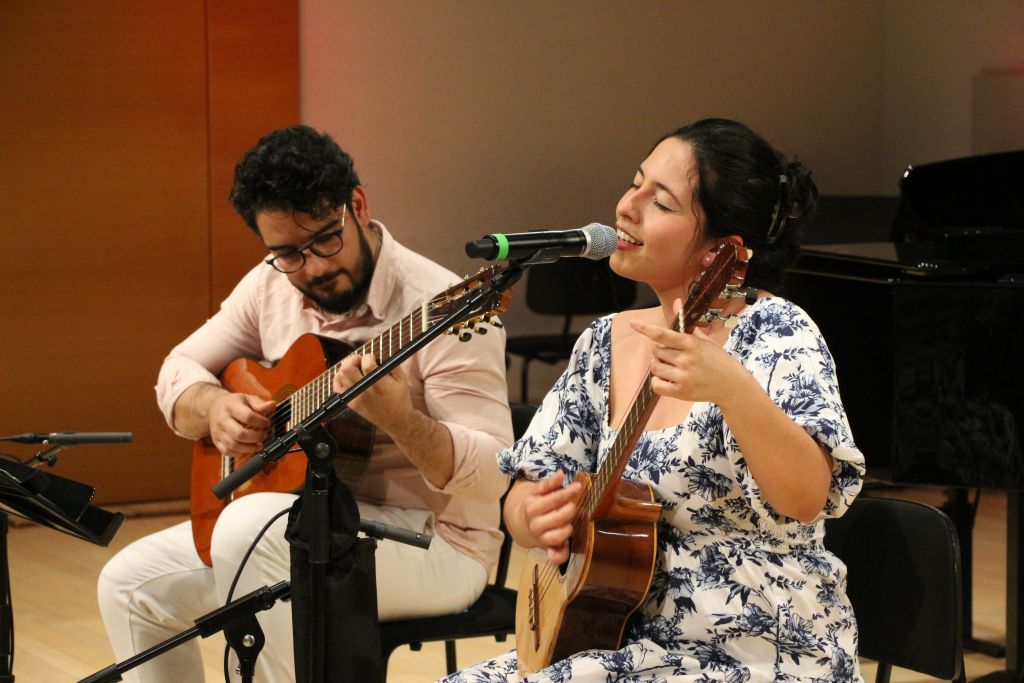
The concert evening was then opened by classical guitarist Sonia Hernández with a solo programme. She played pieces exclusively by female composers from Latin America (including herself) in a subtle and emotional performance that truly shone. This was followed by a moving excursion into the world of classical art song presented by soprano Mariana Pedrozo and pianist Florencia Hernández. In their programme, entitled Women, Spring, and Life, the two musicians performed works by various composers from Europe and the Americas in excellent fashion. Singer Laura Aya subsequently made the Fanny Hensel-Saal sway with pieces from various Columbian musical traditions. Accompanied by guitarist Jocsán Mendoza, Laura Aya performed joropo, pajarillos, and pasajes—many of them composed and/or written by herself. The evening concluded with the Cronopius Trio—Amalia Bernal (flute), Juan L. Cuamatzi (cello), and Florencia Hernández (piano)—and their impressive performance of a work by the 19th-century French composer Louise Farrenc in which they successfully achieved their aim of bringing chamber music to the stage as an intimate experience for the audience.
It was exhausted but enormously happy that we left the mdw that night. The audience responses had been terrific, and we’d been asked numerous times if there would be another edition of TODAS. We don’t yet know, but we do hope so. For the moment, I am grateful and filled with joy at having been able to actively and successfully contribute to the visibility and recognition of musical diversity and expertise in the Latin American diaspora in Vienna. ¡Infinitas gracias!