On Sound and Sickness
When exactly does a pandemic begin, and when does it end? Is there a clear “before”, “during”, and “after”, or does our understanding of such things have more to do with our perception of temporality? And by what exactly are the knowledge and memories we have of past pandemics shaped? Simply by images, monuments, and statistics? Or perhaps also by sounds and music?
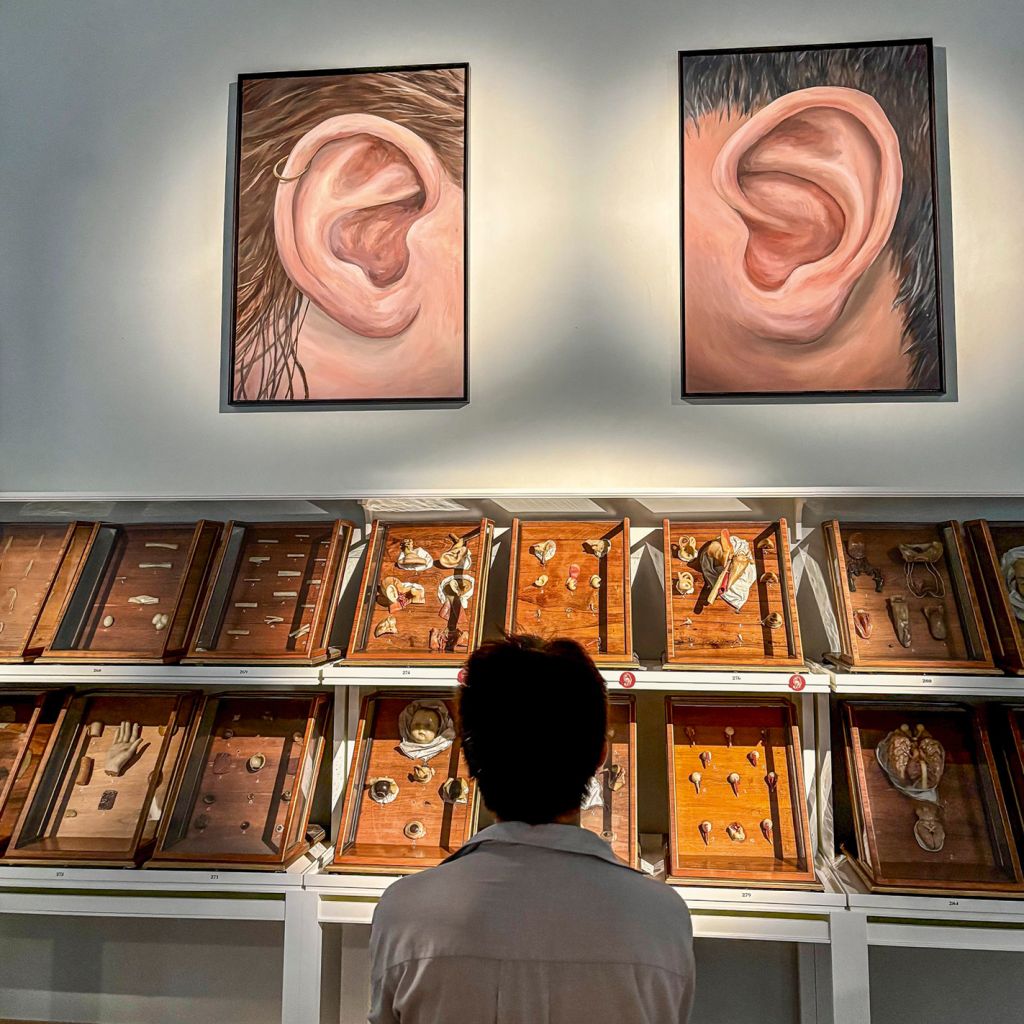
In my dissertation, I am pursuing such questions in light of the Spanish Flu in Vienna as a concrete case study, working at the interface between emotional, cultural, and medical history. In doing so, I deliberately approach this field from the perspective of auditory history and ask as to the cultural significance of sound since that pandemic’s outbreak in 1918: How can we situate listening practices within a more comprehensive history of emotions and experience? And what can a sensory history tell us about how people lived, felt, and perceived their environment with an invisible virus that had not even been discovered at that point in time?
My research is being conducted as part of the European Research Council-funded project “GOING VIRAL. Music and Emotions during Pandemics (1679–1919)”, which investigates the emotional experiences of pandemics in the past—conceiving of pandemics not simply as epidemiological events but also as historically situated human experiences with aesthetic resonance. Viewed this way, the Spanish Flue represents a particularly intriguing example: it long remained an astoundingly quiet moment within public memory despite its global magnitude and horrific numbers of victims, overshadowed as it was by World War I.
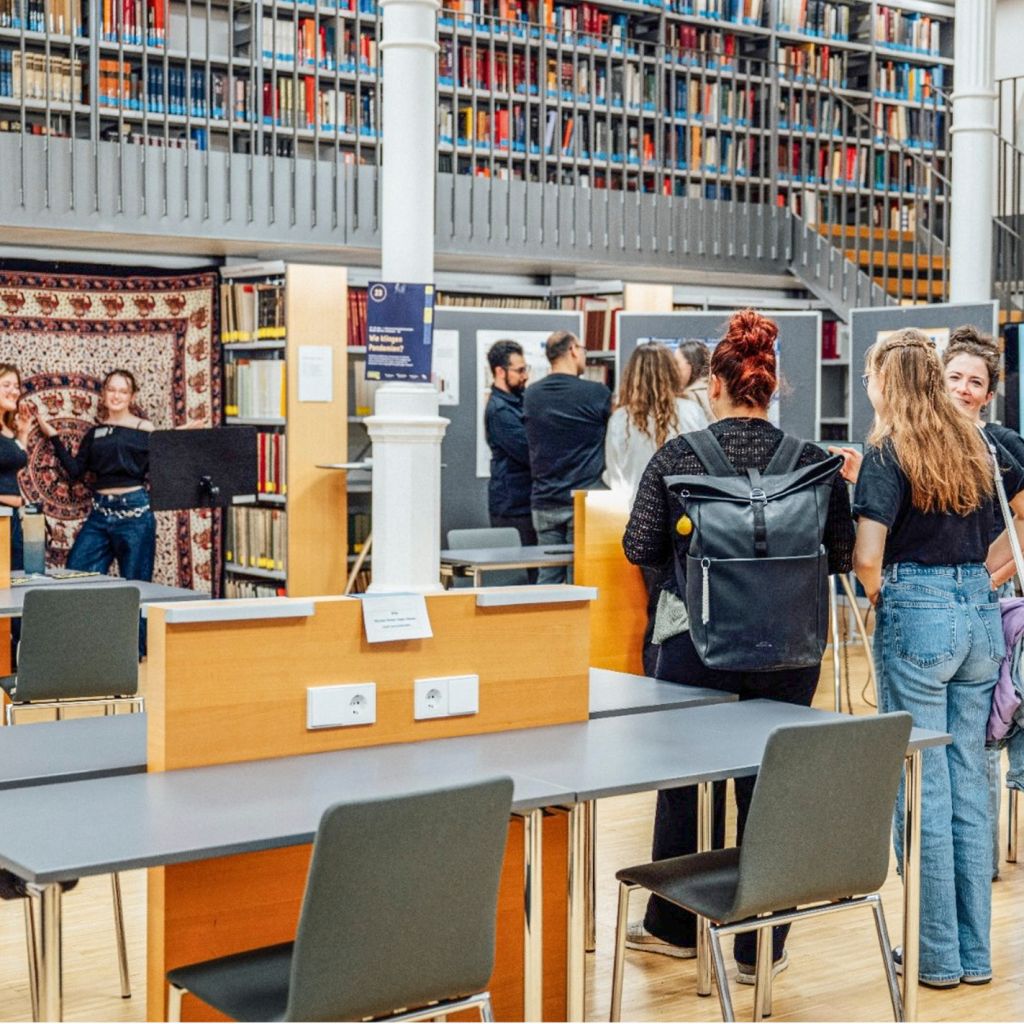
In connection with the recent COVID-19 pandemic, it is likely a great many of us who remember balcony concerts, live streams, and dance choreographies on TikTok. But what soundscapes characterised life during plague outbreaks, cholera epidemics, or the Spanish Flu? And are there ways in which we can relate our own personal memories to these historic examples? Just how lively discussion of such questions can also be outside of the university context was something we were able to experience at the Long Night of Research this past spring. At our station, entitled “Wie klingen Pandemien?” [How do Pandemics Sound?], it was especially interesting to observe how attendees framed their own (sound-related) COVID-era experiences.
Event tip: One theme pops up repeatedly throughout all of our research—namely, that of air. Air as a medium of sound but also as a carrier of pathogens, smells, and atmospheres. We therefore cordially invite you to the international conference “Sensory Atmospheres: Breathing and Sounding Modern Airs” on 3 and 4 December, when we’ll be engaging in an interdisciplinary manner with questions of hearing, breathing, and air’s myriad cultural significances.