A Meeting Place for Film’s Up-and-Comers
Every February, Berlin becomes the centre of the cinematic world. The Berlinale, whose competition awards the famed Golden and Silver Bears, is one of the world’s biggest film festivals. It boasts a varied array of programme sections, among them the short film competition Berlinale Shorts—which, in 2026, included a first-ever film from Film Academy Vienna: Ein Unfall [An Accident] by Film Academy student Angelika Spangel. The Berlinale is also an important industry meet-up as well as a venue for the promotion of young filmmakers, all of which was experienced by current Film Academy students on a field trip to the Berlinale’s Film School Summit.
Berlinale Shorts
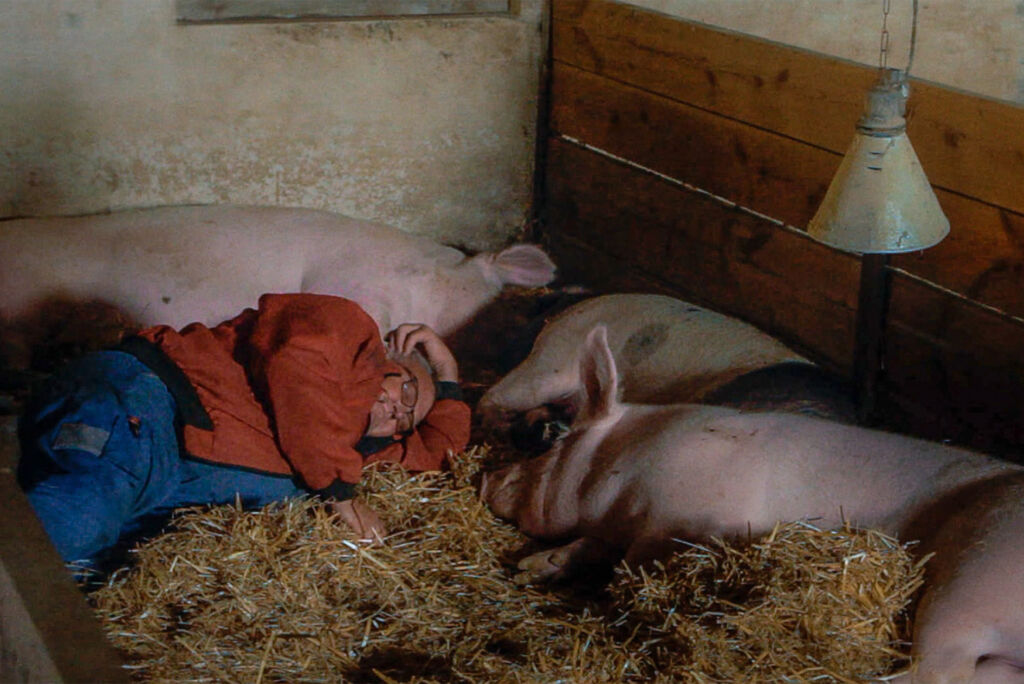
Ein Unfall marks the directorial debut of Angelika Spangel, who studies in the Film Academy Vienna’s Camera Technology and Cinematography programme. She wrote the screenplay together with fellow student Sophia Wiegele, who also did the camerawork, and they were joined by Shirin Hooshmandi (production) and Daniel Rutz (editing). The death of dozens of pigs at a farm, a car accident faked by a teenager, and a game played by school students at the expense of a man with a disability: the three stories in this film revolve around unusual accidents in a village. “It’s guilt, shame, and responsibility that are my central themes, here. My aim was not to strike a moralising tone but to ask: When is something recognised as an accident or an emergency and when isn’t it—especially if the situation looks different than it actually is when viewed from the outside? And when does who feel (or not feel) responsible for what?” says Spangel. “I wanted to show sincere feelings of guilt and shame.”
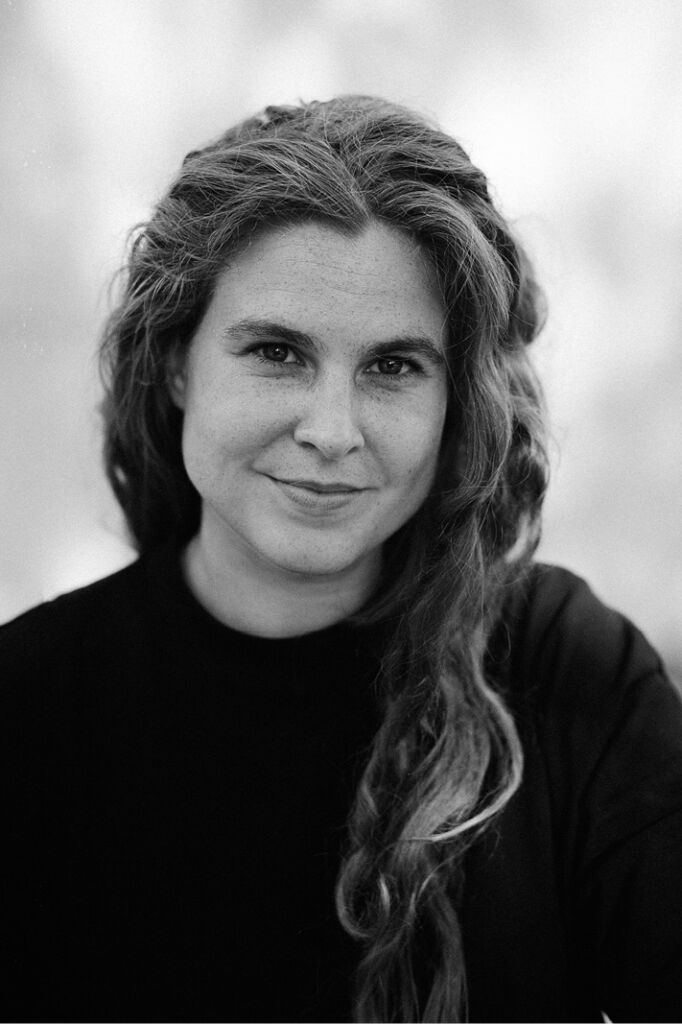
Being a camerawoman herself, she developed her film’s idea based on a visual inspiration—an image of three women in a field. “The initial concept for this film was not a screenplay but rather a group of stories structured in images. We put these images together just like one would a puzzle,” recalls Spangel. Together with camerawoman Wiegele, she conceived very flat, template-like pictures. “Our deliberate foregoing of depth and minimisation of the images’ three-dimensionality was aimed at lending the film an unreal quality and facilitating some abstraction so that the film’s scenes would take on a universal character. After all, I didn’t want to tell just some village story,” Spangel explains.
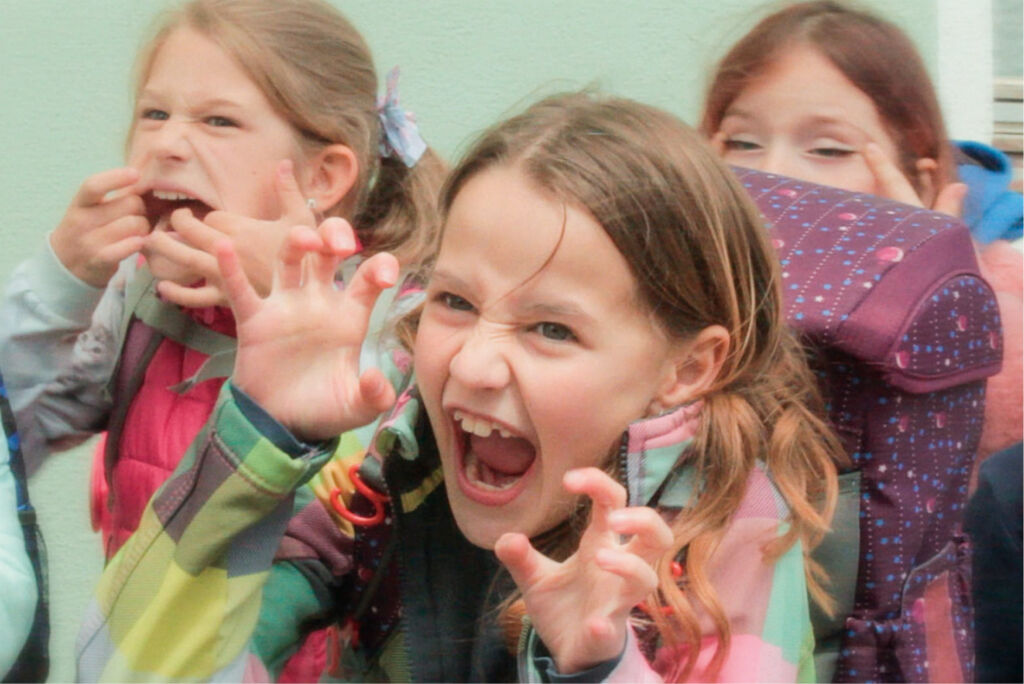
Working with the children in her film was a particular pleasure for the director: “Despite the large number of retakes we did, they managed to do each one with lots of authenticity and great directness thanks to their strong presence.” Most of the other actors were likewise laypeople. One role, for instance, was played by Spangel’s father. Their shooting location was the Lower Austrian village where Spangel grew up: “It was challenging for me to do filming work like this so close to my own personal haunts. But I quickly noticed how if I wanted to tell these specific stories in a precise and authentic way, I had to firmly commit to doing so.” Though her courage and long, hard work on this film didn’t end up netting a Berlinale Bear, the positive experience of being festival invitees was what counted for Spangel and her team. Several team members and actors were on hand for the film screenings, following which they fielded questions from their interested audiences. For her future film projects, Spangel hopes that her Berlinale Shorts nomination will improve her chances of getting funded.
Film School Summit
This year’s European Film Market (EFM)—an industry fair that takes place annually alongside the Berlinale—staged its inaugural Film School Summit, an event that offered students of 18 participating film schools from 13 countries a diverse programme of lectures as well as formats for exchange with film industry representatives. From Film Academy Vienna, four production students and two directing students took part. This delegation was accompanied by the Film Academy Vienna production professor Michael Kitzberger. “The students have a huge interest in international collaboration. And to this end, it’s important to get to know each other, get inspired, and question things. A change of perspectives always benefits constructive interaction,” says Kitzberger of just why initiatives like the Film School Summit and other formats for up-and-coming film professionals at the Berlinale are valuable. And: “It’s also important to network internationally and figure out together just how projects might be realised,” says the production professor with an eye to film funding opportunities in different countries.
Moreover, Film Academy Vienna was once again a cooperating partner in the Berlinale’s networking initiative ENCOURAGE Film Talents, which promotes exchange between up-and-coming filmmakers in Germany, Austria, and Switzerland. This event included screenings of selected films from the participating film schools such as this year’s Film Academy Vienna entry Dead Air (director: Andrej Haring, screenplay: Andrej Haring & Joseph Cyril Stoisits, production: Skander Kourgli, cinematography: Florian Noever, editing: Daniel Morawitz, VFX: Lukas Kampichler). A renewed field trip to Berlin is planned for next year, when the Berlinale will once again turn the city into a nexus of cinematic art.