“In this cosmos, there still remain more stories to be told”
“The point is to raise awareness of content relating to gender, queerness, and diversity, with students incentivised to integrate these themes into their screenplays and the film production process itself,” says mdw faculty member Karin Macher of Film Academy Vienna’s Gender/Queer/Diversity Call (G/Q/D Call). This annual call serves to direct financial support toward film projects with feminist, queer, and diversity-related themes. Macher teaches film production at the Film Academy and was involved from the very beginning in the conception of this call, on whose jury she served until 2023. Featuring portrayals of femininity and masculinity that diverge from existing norms and conventional notions, queer life realities, and questions of social class as well as the thematisation of physical and physical disabilities, the film projects submitted to and supported through the Gender/Queer/Diversity Call make clear the sheer breadth of this thematic field.
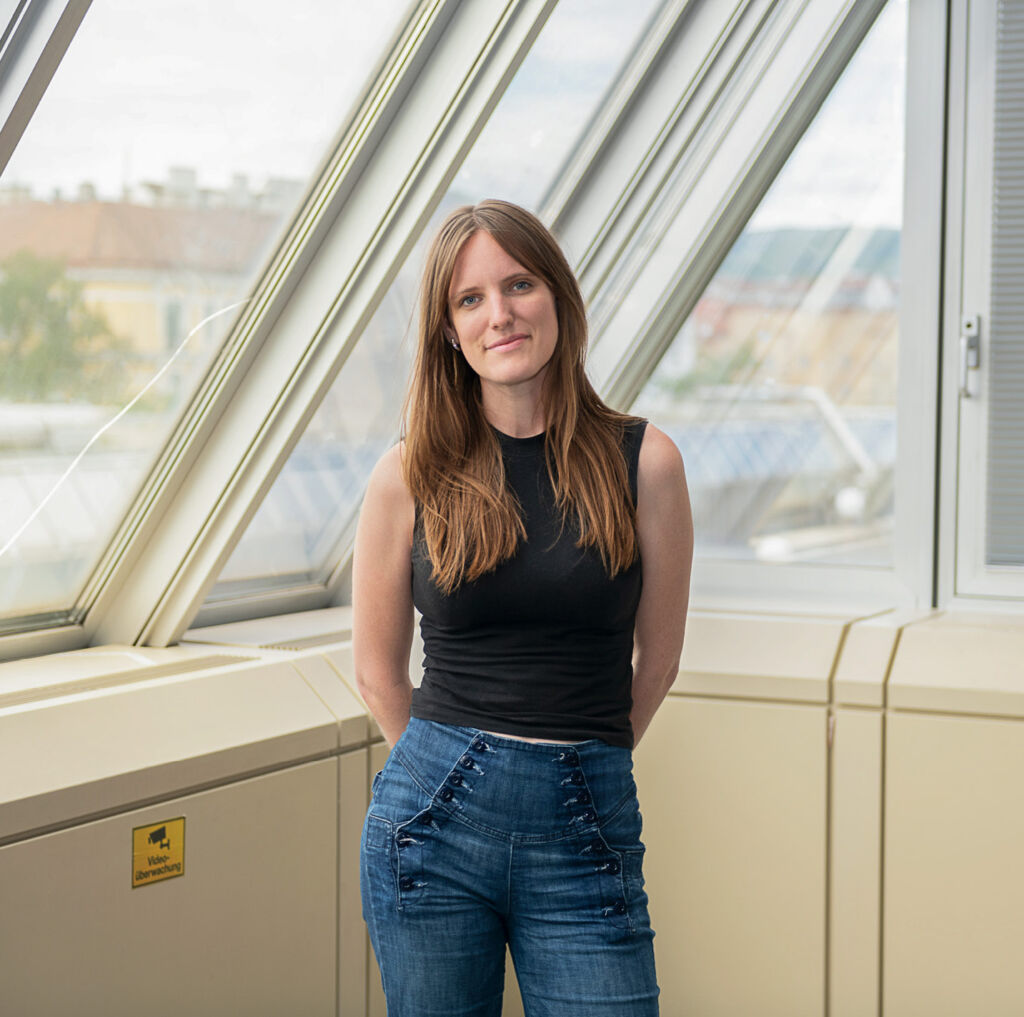
Meike Wüstenberg studies directing at the Film Academy, and her film Das Ende vom Ende der Welt [The End of the End of the World] (2022) received support through the G/Q/D Call. It centres on two school students who are planning a shooting rampage at their school. “I’d been interested in female perpetrators even before I set out to write this screenplay. To me, the point is how to tell stories involving women that are capable of a form of violence that statistics show is committed largely by males without imbuing them with stereotypically masculine characteristics,” says Wüstenberg of her idea for this film, which she thinks shows a broader-than-usual conception of gender as a topic. “Through this project, I’ve come to understand even better how the core theme of my filmic interest is the portrayal of gender roles that operate outside of a certain norm. I find that inspiring, and it’s my impression that in this cosmos, there still remain more stories to be told,” opines the director. Female perpetration will also be a topic in Meike Wüstenberg’s upcoming final film at the Film Academy.

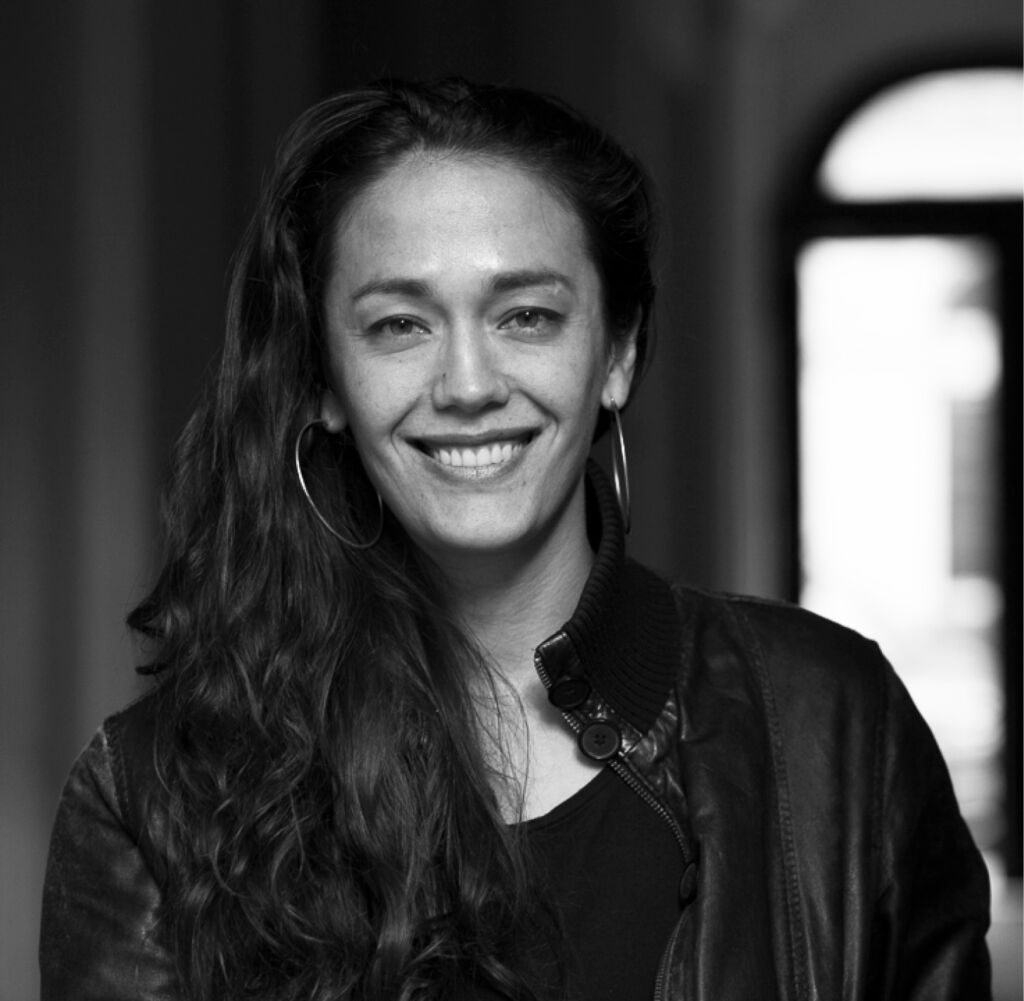
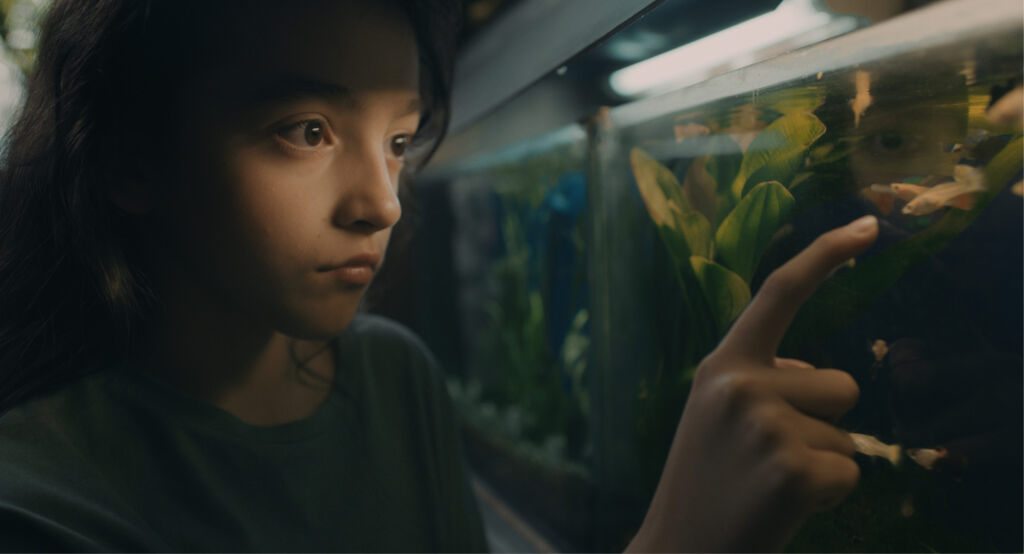
“The G/Q/D Call came at just the right time, as I was looking to do a coming-of-age film based on my experiences as a school student in Innsbruck in 1996. Back then, I was the outsider,” says Film Academy directing student Helen Hideko of her film Ever After (2025), which was likewise chosen among the call’s submissions. It was as a child, during the mid-1990s, that the Japanese-Scottish director moved together with her parents from the USA to Austria. Ever After portrays the 10-year-old Isabella, who is bullied at school. She’s different from the other girls there and manages to flee reality by imagining herself as a mermaid in a fairy tale-like underwater world. “Transformation into a mermaid can be understood as an allegory for differentness or queerness,” says Hideko. This year saw her film celebrate multiple international successes: Ever After was nominated as a finalist at the Student Awards of BAFTA (the British Academy of Film and Television Arts) in the “live action” category, and Hideko and members of her team attended the awards ceremony in Los Angeles. This past summer then witnessed her film’s première at the Bucheon International Fantastic Film Festival in Seoul, where it was selected as the Jury’s Choice for Short Film, followed by its North American première at the Fantasia Film Festival in Montreal. “Fables of differentness interest me quite generally in my filmic work,” explains the director, adding: “The teachers at the Film Academy draw on an international selection of films in their teaching, and lots of them are naturally by directors who belong to minorities and hence express unique perspectives in their works.”
Meike Wüstenberg thinks “there’s a growing awareness of and great interest in developing stories within the broader G/Q/D thematic field along with more diverse casting, so a call like this one gets film professionals thinking in a big way.” Moreover, the jury’s discussions of the various projects include further considerations regarding just what course offerings pertaining to G/Q/D-related content might be established. “The Call catalyses lots of engagement with this thematic area in teaching,” says Karin Macher. And in this context, she views the common basic coursework required of Film Academy students as being an important lever when it comes to supporting women in technical fields. In their initial three semesters, students from all film degree programmes are taught largely as one overall group in order to provide them with insights into the various aspects of the film production process. “Having strong women on the film set is the result of lots of work at the level of training. In the introductory phase where they’re taught together, each student is required to engage with the relevant technology. We offer this type of reinforcement at the Film Academy with an eye to when they’ll actually be going on set,” says the teacher.
The present year will once again see the Film Academy’s G/Q/D Call go out. Film buffs can hence look forward to further exciting works by filmmakers that deal with the themes of gender, queerness, and diversity with a critical eye towards discrimination.