Subject Area of Applied Music Theory, Languages and Science
 "A singer must understand the language of music in order to express it properly." (Luciano Pavarotti)
Our lessons aim to impart knowledge about meaning and context! Young singers benefit in many ways from the content and offerings of the subject area of Applied Music Theory, Languages, and Science. By viewing their art in a broader context, they can develop further as artists.
Exploring musical fundamentals enables them to develop and implement their own musical ideas and present their music to audiences in an interesting and relevant way.
By understanding musical fundamentals such as scales, harmonies, rhythms and forms, they can better understand and interpret songs, arias and pieces. This allows them to interact with their accompanists and other musicians on the basis of a shared understanding of musical concepts.
The applied music theory helps them to learn new, unfamiliar material effectively and thus make faster progress.
Comprehensive language training supports them in singing in other languages, especially those they do not speak fluently. This is not just about correct pronunciation and intonation; language training also helps singers to establish an emotional connection to the lyrics they are singing.
The scholarly examination of artistic content creates the basis for an informed, critical, and reflective approach to their art.
In summary: The subject area supports young singers in improving their musical abilities and skills, optimising their artistic performance and realising their potential.
Jürgen Tauber (tauber@mdw.ac.at), speaker of subject area for Applied Music Theory, Languages and Science
Translated with www.DeepL.com/Translator (free version)-18.11.2025
 Armin Bammer, Theatre and Stage Law
 Oliver Binder, Dramaturgy
 Nieves Cavic-Podgornik,
Russian for Singers
 Marie Micheline Dany Charpentier-Leroy, French for Singers
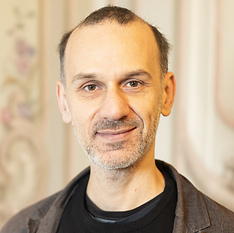 Michael Hammerschmid, Poetics
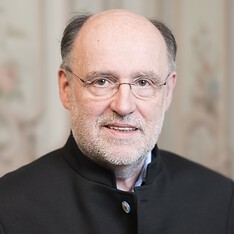 Walter Kobera,
Practicum for Modern Music
Consti Luger, Media Literacy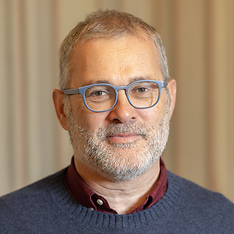 Gennaro Morvillo| Italian for Singers
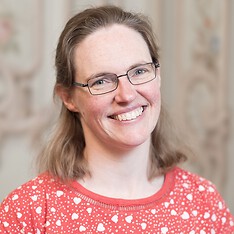 Rachel Olney, German for Singers B1
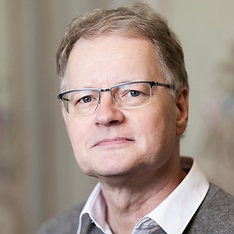 Wolfgang Schmidtmayr, Introduction to Music Theory|Musical Forms|PianoJürgen Tauber,
Solfeggio|Interpretation of Musical Entertainment Theatre
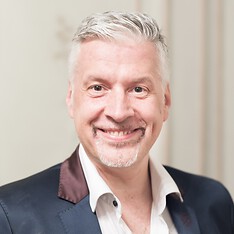 Martin Vacha, Voice|Wissenschaftliche Arbeitstechnik
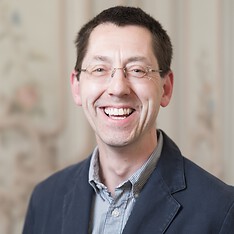 Johannes Wenk, Piano