Participation. Wonder. Discovery.
Just what all is being researched at the mdw, and what’s it all about when the mdw brings together research and the arts on an equal footing? What do a culture of remembrance and a university’s critical perspective on its own institutional history really mean? How can one conduct research that both documents musical traditions and brings them to audible life? How does the phenomenon of sound “work”, and how can music’s positive effects on the human body be researched and employed in practice? In what ways can one disrupt classical concert settings in order to enable research, art, and music to be experienced through all of the senses? What do “the arts” have to do with climate change, and does remote learning also work for instrumental teaching?
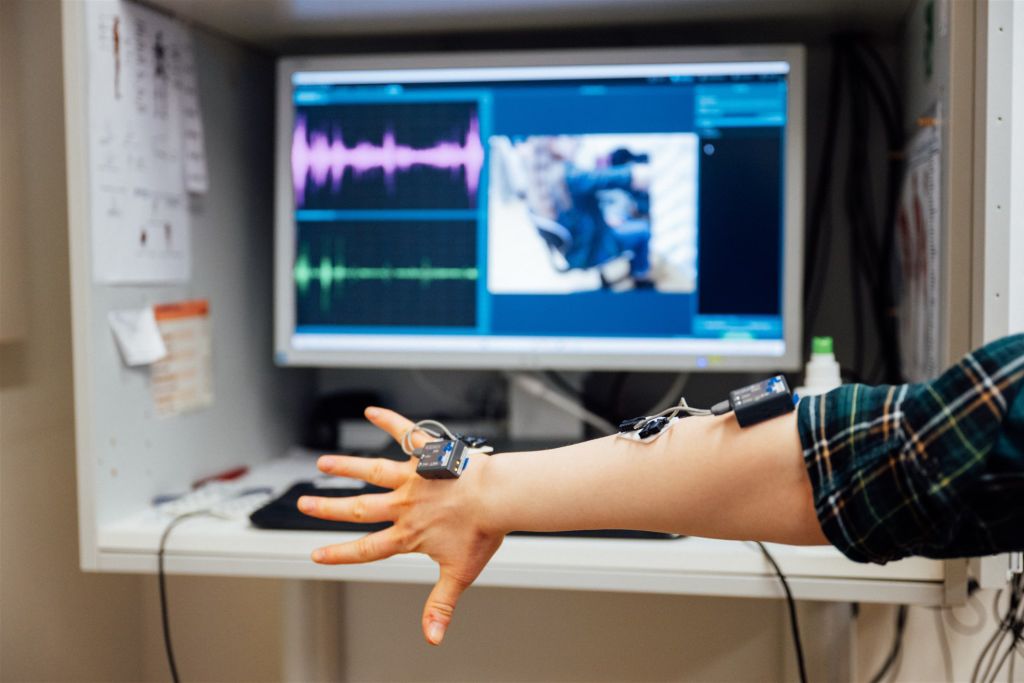
These and numerous other questions were raised across six thematic paths or tracks1 during the 2026 Long Night of Research (LNF; Lange Nacht der Forschung) at the mdw Campus, which attracted an audience with diverse interests indeed.
The mdw’s LNF2026 activities kicked off bright and early with two morning workshops for school classes at the Music Therapy Research Centre Vienna (WZMF). An afternoon “musical game of dice” (Musikalisches Würfelspiel) then invited guests to compose together prior to the atmospheric 5 p.m. opening presentation hosted by Rector Ulrike Sych and Vice Rector Johannes Meissl with musical contributions by Chanda Rule (ipop) and mdw students under the artistic direction of Leonhard Paul (Joseph Haydn Department of Chamber Music and Contemporary Music).
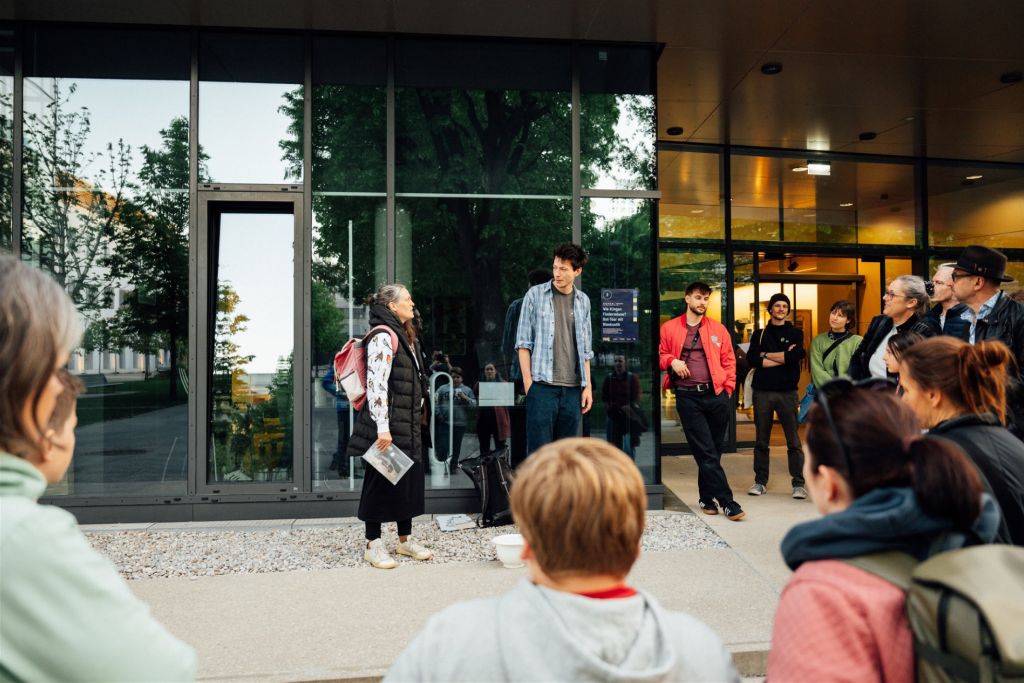
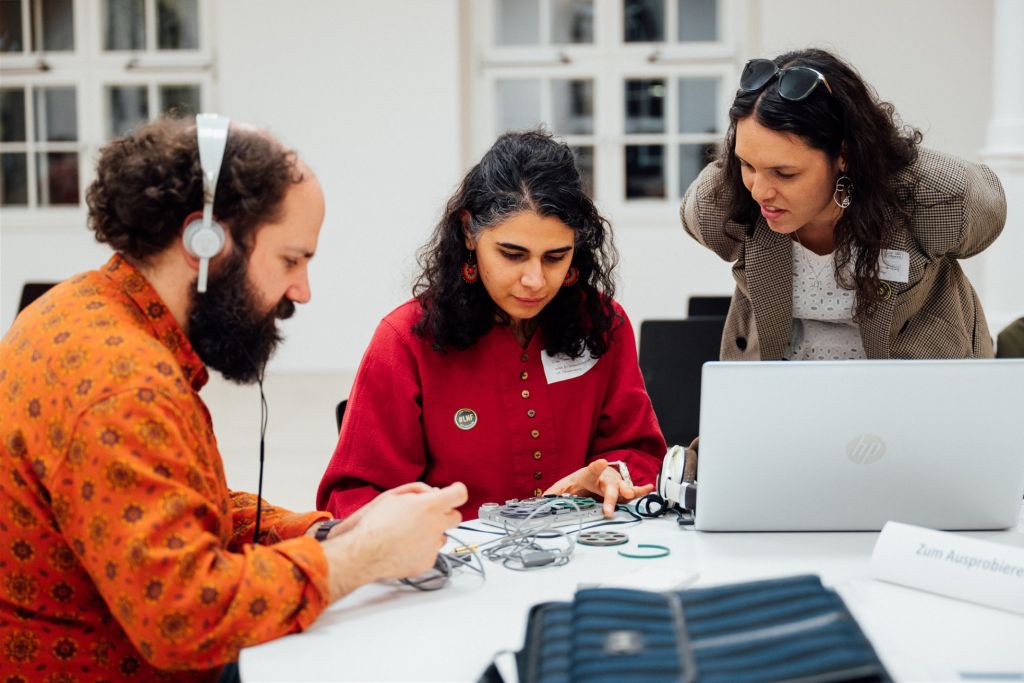
From then until 11 p.m., the mdw Campus offered a variety-packed programme featuring interactive stations, workshops, performances, lectures, exhibitions and sound installations, lab tours, and hands-on opportunities to try out digital tools—contributions that addressed various interests and age groups and were well attended right up to the end. And with a total of 42 contributions on the mdw Campus, we set a new record that points to a very pleasing development: the mdw’s Long Night of Research activities, coordinated since their beginning in 2016 by the Office of Research Support, have by now developed into a permanent fixture of the University’s event calendar that motivates numerous colleagues to get involved2.
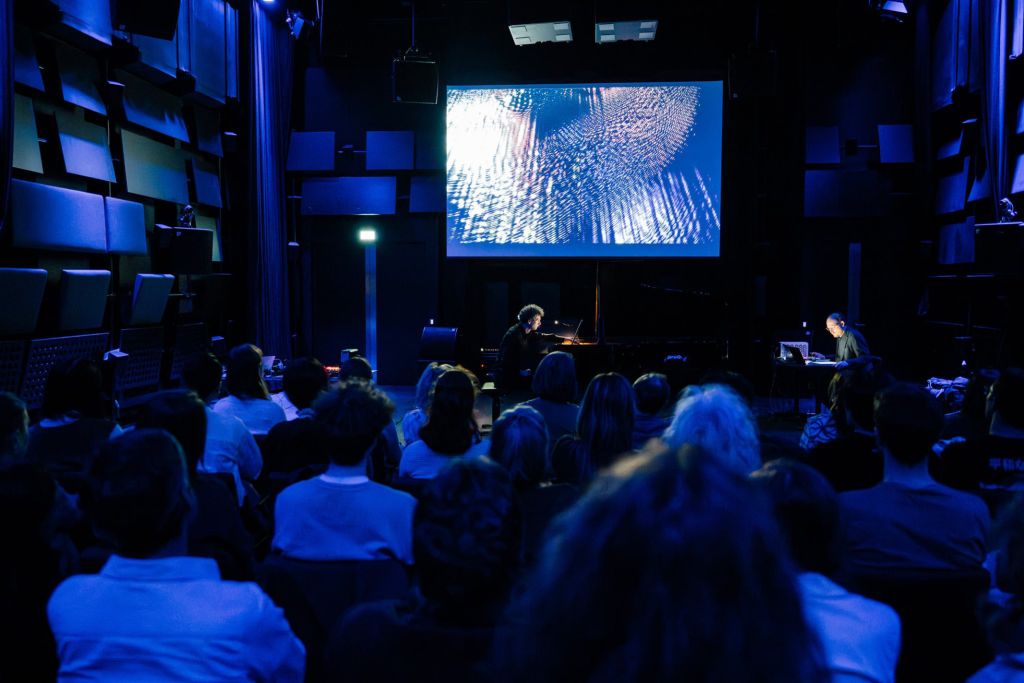
The mdw’s contributions to LNF2026 provided an impressive demonstration of just how diverse, accessible, and lively the ways are in which the arts and research can be combined. A broad spectrum of themes and formats offered attendees of all ages numerous points of engagement, from exploratory insights into ongoing projects to interactive offerings for children, adolescents, and adults.
All this made the mdw Campus visible as an open venue for the arts and research-related pursuits—in the best sense of our “third mission” as a university specialised in music and the performing arts at large.
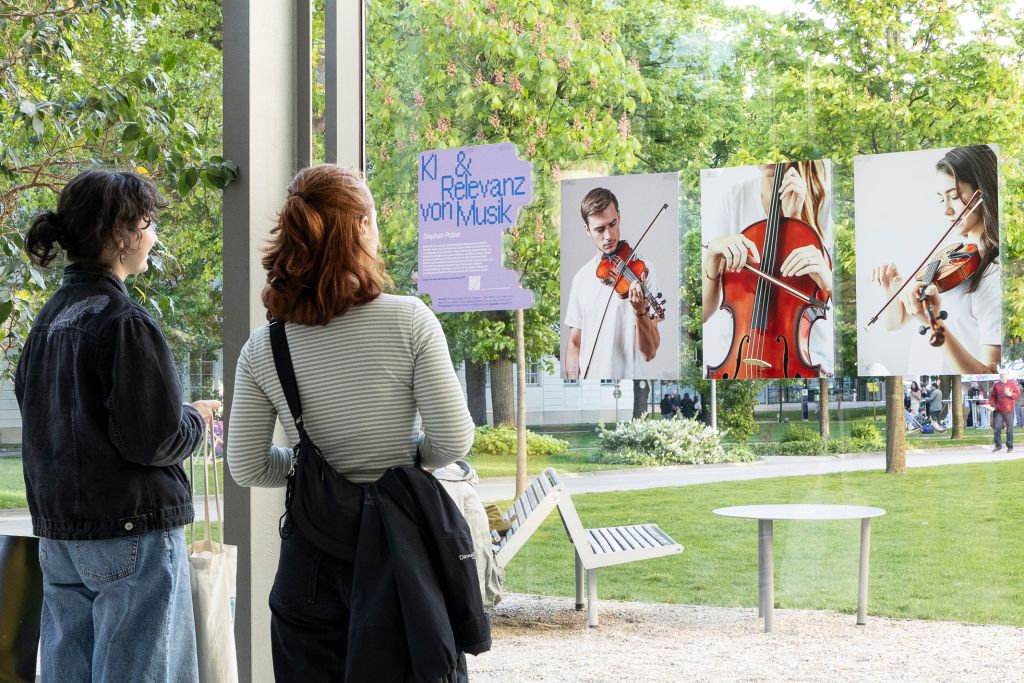
The event itself—and, above all, the preliminary conceptual work behind the individual contributions—made it clear how attendees’ interests, objectives, approaches, and expectations can sometimes differ vastly. It’s therefore worthwhile, when thinking about target groups, to forgo assuming a “broad audience” and instead set one’s sights on precisely that audience which one intends to reach. This kind of deliberate shift in perspective can end up benefitting all sides: it focuses content more sharply and bolsters its relevance, thereby justifying the great effort that goes into the material’s presentation and translation. The science communication offerings of the Office of Research Support aim above all to make engaging in science communication more feasible for researchers—be it through further training, awareness-raising within the mdw, or various ways of attaining visibility such as the “Early Stage Researcher” column in mdw Magazine.
We now eagerly await the next LNF, which is set to take place on 18 May 2028. Save the date!
- The mdw’s Research Paths/Tracks at LNF2026: 1. Music History; 2. Ethnomusicology; 3. Natural Sciences & Health; 4. Music Mediation; 5. With All the Senses / Artistic Research; 6. Art & the Climate
- See our review of activities going back to 2016: mdw.ac.at/forschungsfoerderung/lange-nacht-der-forschung-seit-2016