Music Education – Responsibility and Future
From 29 November to 5 December of last year, the third edition of the annual event Festwoche Musikpädagogik took place. This week-long festival enables all of the University’s music education programmes and departments to present themselves in their full artistic and pedagogical breadth. In doing so, the goal is to highlight the music education profession’s societal importance, spark an interest in music education among young people, and eliminate any inhibitions towards the University. Music education’s effects play out on the individual, social, and cultural levels and make a lasting contribution to the development of a multifaceted and democratic society. It’s about far more than simply conveying musical competencies: music education builds social skills, opens up spaces of tolerance and intercultural dialogue, expands educational opportunities, and breaks down barriers.
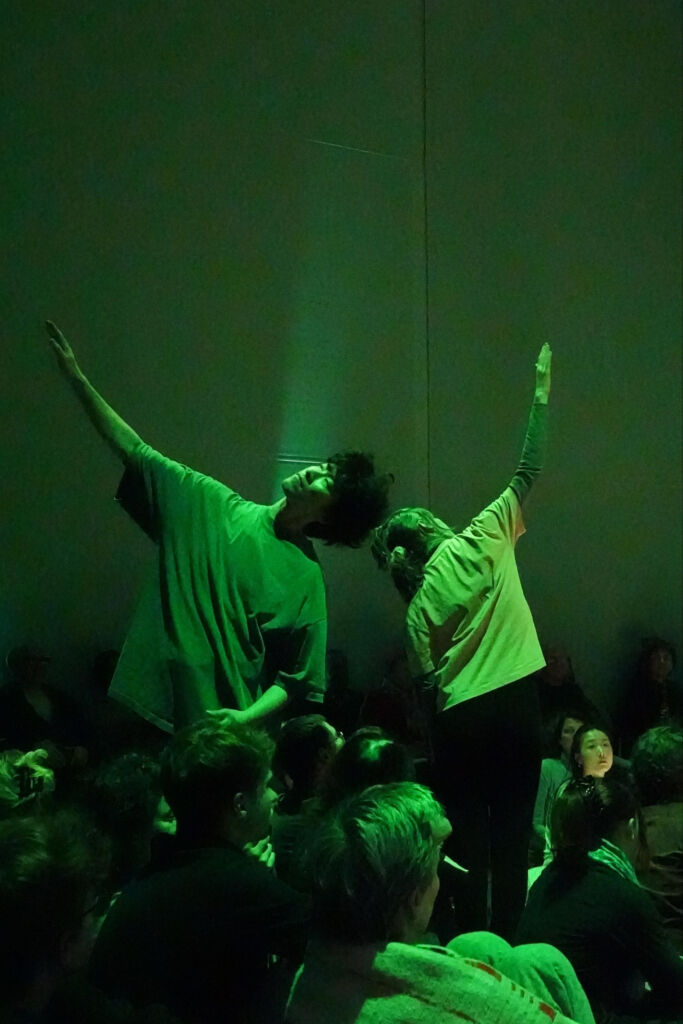
The week kicked off with an open house event featuring extensive informational offerings and participatory programming that offered numerous glimpses into the various programmes of study and their entrance examinations. Common to all music education programmes’ entrance examinations is a music theory and ear training component, and a sample test on such content was offered to all interested attendees. With an eye to the entrance examination for the Music Education for Voice and Instruments (IGP) programme, attendees also had the opportunity to perform a mock piano audition and have their existing skills evaluated. Moreover, two workshops offered a practical impression of the Music Therapy degree programme, which unites a broad spectrum of musical as well as therapeutic and medical aspects. Physical activity took centre stage in the festival’s Music and Movement Education/Rhythmics area, where attendees could access experiences of music and bodily motion in a variety of ways. And last but not least, those interested in pursuing certification as schoolteachers with music as one of their subjects could try out leading groups of musicians as well as participate in mock auditions as singers and pianists. This not only helped attendees prepare for the entrance examination but also gave them a lively idea of just how fulfilling and joyful working with other people can be in this profession.
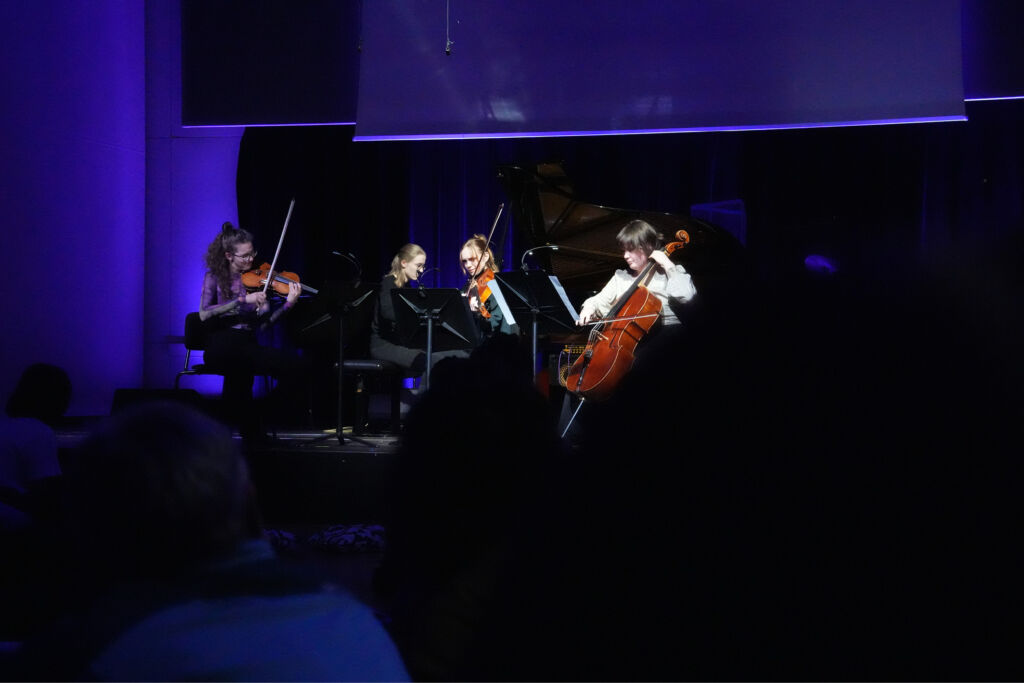
Over the entire week, artistic faculty members opened up their teaching to observers. This gave interested individuals an opportunity to get to know teachers and relevant content up close and personal. At the same time, however, this festival serves current students in music education degree programmes as a stage upon which they can present their artistic and creative projects. In doing so, they also render their three main skillsets of artistry, teaching, and research audible and visible to those inside the university. From Monday through Thursday, concerts involving multiple departments encouraged exchange, cooperation, and mutual inspiration. These multifaceted, creatively and artistically high-powered programmes aimed to encourage existing students to integrate what they experience and hear into their future professional pursuits while offering prospective applicants an impression of our students’ artistic diversity.
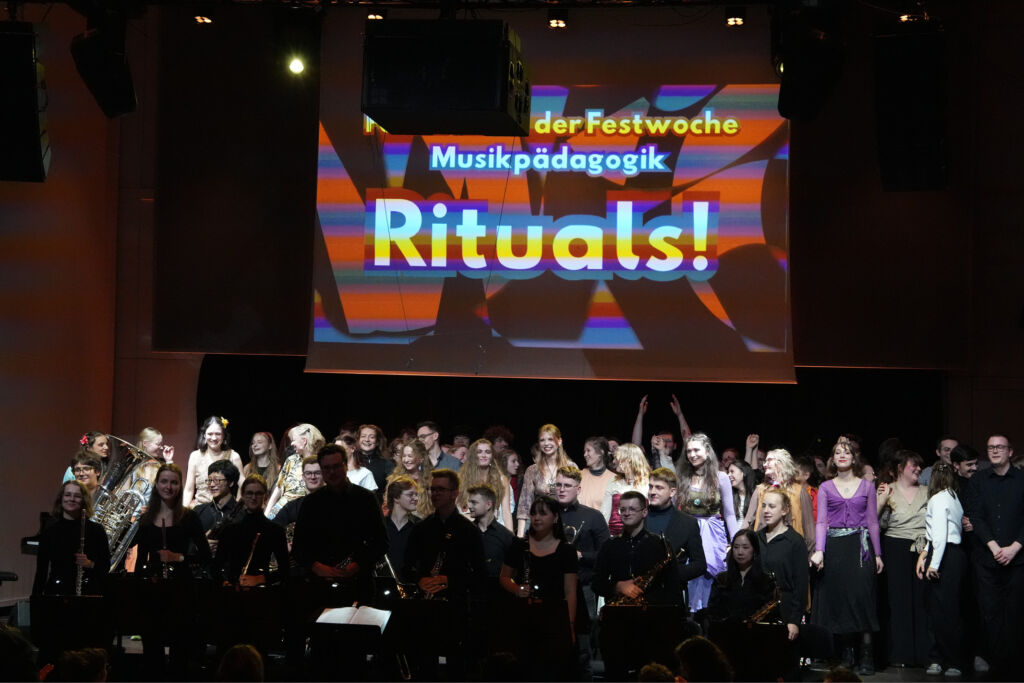
A special highlight of each annual event is the big festival concert in the Haydn-Saal. With its 2025 motto of “Rituals”, this year’s concert treated the audience to yet another intense musical experience—with genre-crossing inter- and transdisciplinary approaches, improvisations, and lively audience interaction.
Education policy innovations as well as ongoing sociodemographic developments point to a significant increase in the need for qualified music and music school teachers over the next several years. In order to actively meet these challenges, the mdw’s degree programmes for future music educators have joined forces to develop a promotion concept entitled “Your Job: Music!” in which the festival features as a central component along with additional preparatory options. This concept aims to introduce musically interested school students to the multifaceted nature of music education professions and inform them early on about possible training trajectories. What programmes of study exist? With what content does one engage during one’s studies? And what career opportunities result?
Alongside being a profession, teaching music also embodies a gift. Music teachers experience how music enables people to grow artistically and personally, how it enriches, motivates, strengthens, heals, and gives rise to happiness—for to teach is to touch a life forever.