









 Presse
 Neuigkeiten an der mdw
Oscarnominierung für "Alles wird gut"
Regie-Absolvent der Filmakademie Wien, Patrick Vollrath, ist mit seinem Abschlussfilm in der Kategorie "Best Live Action Short Film" für einen Oscar nominiert.
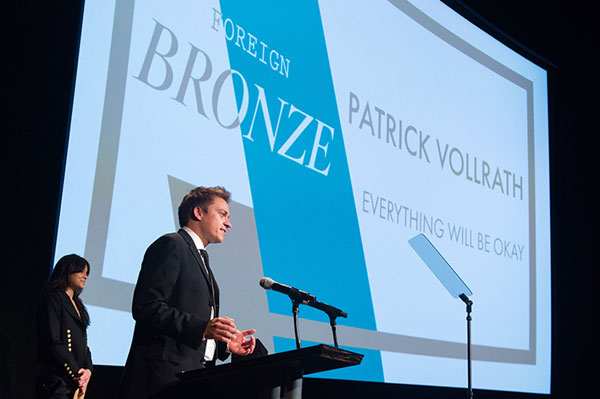 Foto: ©Matt Petit/ A.M.P.A.S.
Mit seinem Film Alles wird gut hat mdw-Absolvent Patrick Vollrath Filmakademie-Geschichte geschrieben: Im September 2015 wurde ihm von der Academy of Motion Pictures Arts and Sciences der Studentenoscar verliehen – der Höhepunkt eines erfolgreichen Jahres für den 30-jährigen Deutschen.
Sein Spielfilm über einen Vater, der seine Tochter entführen will, konnte eine ganze Reihe wichtiger Preise einheimsen (u.a. Österreichischer Filmpreis als "Bester Kurzfilm", Max Ophüls Preis als bester mittellanger Film, FIRST STEPS Award). Durch den Gewinn des Student Academy Awards hat sich der Film für die Oscars qualifiziert, die dieses Jahr am 28. Februar vergeben werden.
Weiters ist in der Kategorie "Best Foreign Language Film" das Wüstenepos Theeb von Naji Abu Nowar nominiert. mdw-Kameraprofessor Wolfgang Thaler übernahm dabei die Bildgestaltung.
Über Patrick Vollrath
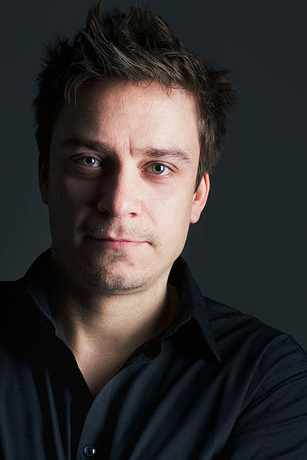
Das folgende Portrait ist in der Ausgabe #4-2015 des mdw-Magazins Kunsträume erschienen.
"Zu Beginn war es fast ein wenig überfordernd", beschreibt Patrick Vollrath das Gefühl einen so preisgekrönten Film gemacht zu haben, "doch es ist auch sehr motivierend und lässt einen an sich selbst glauben."
Gemacht habe er den Film jedoch nicht, um Preise zu gewinnen, sondern weil ihn die Geschichte berührt habe, schildert er. "Ich wollte diese Geschichte gerne erzählen, mit den Schauspielern arbeiten und etwas kreieren, was Menschen emotional berühren kann."
Der Weg zum Regisseur
Alles wird gut ist nicht der erste erfolgreiche Film von Patrick Vollrath, der sein Studium an der Filmakademie 2015 abgeschlossen hat. Auch seine Kurzfilme Die Jacke (2014) und Ketchup Kid (2013) sind mit internationalen Preisen ausgezeichnet worden. Dabei ist der Filmemacher erst über einen kurzen Umweg zur Regie gekommen. Nach einer Ausbildung in München war er zuerst als Cutter beim Film tätig. Ab 2008 studierte er dann an der Filmakademie Wien bei Michael Haneke, um das zu tun, was er eigentlich immer im Sinn gehabt hatte – Filme zu machen.
"Nachdem ich als Teenager Titanic im Kino gesehen hatte, wollte ich Schauspieler werden. Doch alles entwickelte sich dann Richtung Regie. Von meinem Gehalt aus dem Ferienjob habe ich mir meine erste Filmkamera gekauft, kleine Filme gedreht und dabei auch den Schnitt entdeckt", erzählt Patrick Vollrath. Heute vereint er alle seine Fähigkeiten in seinem Filmen: Er führt Regie, schreibt die Drehbücher, manchmal – wie im Falle von Alles wird gut – schneidet er den Film auch selbst, und er liebt die Arbeit mit seinen SchauspielerInnen.
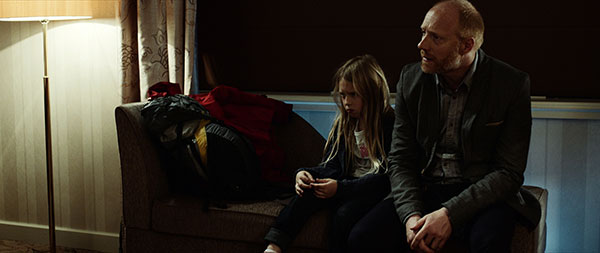 Foto: Filmstill aus "Alles wird gut"
Ehrlichkeit
Für die Zukunft wünscht sich Patrick Vollrath, weiter als Regisseur arbeiten und von seiner Kunst leben zu können. Auch das Weiterentwickeln seiner eigenen filmischen Handschrift gehört zu seinen Zielen. Ein wichtiger Teil dieser Handschrift ist es schon jetzt, dass er ehrliche Filme machen will: Filme, in denen er Geschichten erzählt in einer Art, die glaubwürdig ist: "Es gibt gespielte Gefühle und echte Gefühle, und ich möchte gerne die echten Gefühle haben."
Selbst wenn eine Fantasiefigur wie ein Drache in einem Film vorkomme, solle das Gefühl, das die Menschen zu diesem Drachen entwickeln, die Welt, die um ihn herum geschaffen werde, echt sein, erklärt er. Diese Ehrlichkeit möchte er auch im nächsten Projekt, seinem ersten Langfilm, umsetzen – vorausgesetzt, die Finanzierung klappt. "Hier kann es helfen, dass Alles wird gut sehr erfolgreich war", sagt er.
Zur Zukunft des Films
Um die Zukunft des Films selbst macht sich der junge Regisseur keine Sorgen. "Selbst wenn die Medien, die Filme beziehungsweise bewegte Bilder zeigen, sich verändern, werden die Menschen wohl immer gerne filmisch erzählte Geschichten sehen wollen", so Patrick Vollrath. Als Filmemacher müsse man auf die Veränderungen in der Medienlandschaft Rücksicht nehmen, sich darüber Gedanken machen, welche Formate gezeigt werden, was die ZuschauerInnen sehen wollen. "Doch selbst wenn wir in Zukunft die Filme auf dem Handy, in einer Brille oder Uhr sehen werden, das Bedürfnis der Menschen nach Geschichten bleibt gleich."
Inhalt von "Alles wird gut"
Ein Wochenend-Vater holt seine achtjährige Tochter Lea ab. Es ist eigentlich alles wie immer. Doch nach und nach beschleicht sie das Gefühl, dass diesmal irgendwas nicht stimmt, und es beginnt eine verhängnisvolle Reise.
Regie/Drehbuch/Schnitt/Produktion: Patrick Vollrath
Kamera: Sebastian Thaler
DarstellerInnen: Simon Schwarz, Julia Pointner, Marion Rottenhofer, Daniel Keberle u.a.
Text: Doris Piller
Das Portrait ist in der Kunsträume Ausgabe #4-2015 erschienen.
