
Sébastien Wonner
How to cite
How to cite

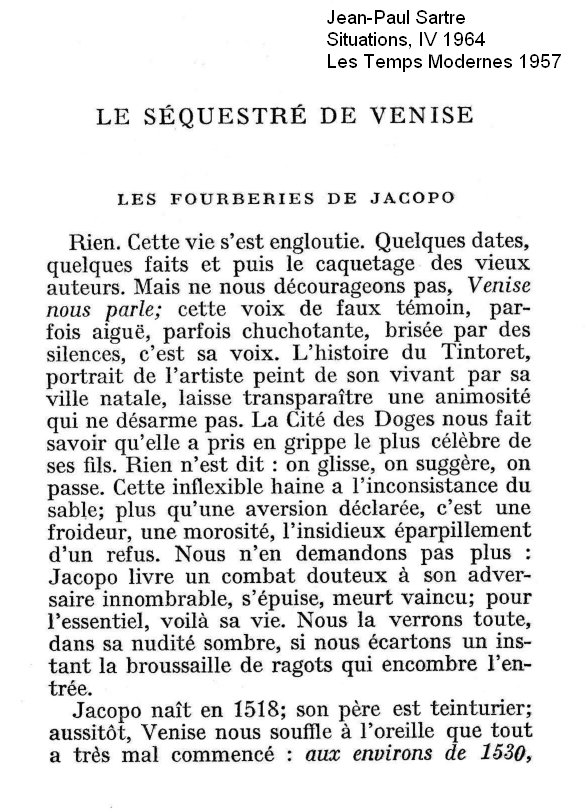
Figure 1: Jean-Paul Sartre, ‘Le séquestré de Venise’, in: Situations IV (Paris, 1964), 291.
In 1957, Jean-Paul Sartre wrote a long text entitled The Prisoner of Venice. The philosopher had a little-known passion for this city and one of its emblematic artists, the painter Tintoretto. Unfortunately, he did not complete the work he had hoped to devote to him. He was more reserved about Titian and Veronese and was sometimes even hard on these two members of the undisputed trio of 16th-century Venetian painting. His champion was unequivocally ‘the most terrible brain that painting has known’ as Vasari said in his Lives of the Artists: Jacopo Robusti, known as Tintoretto, or ‘the little dyer’.
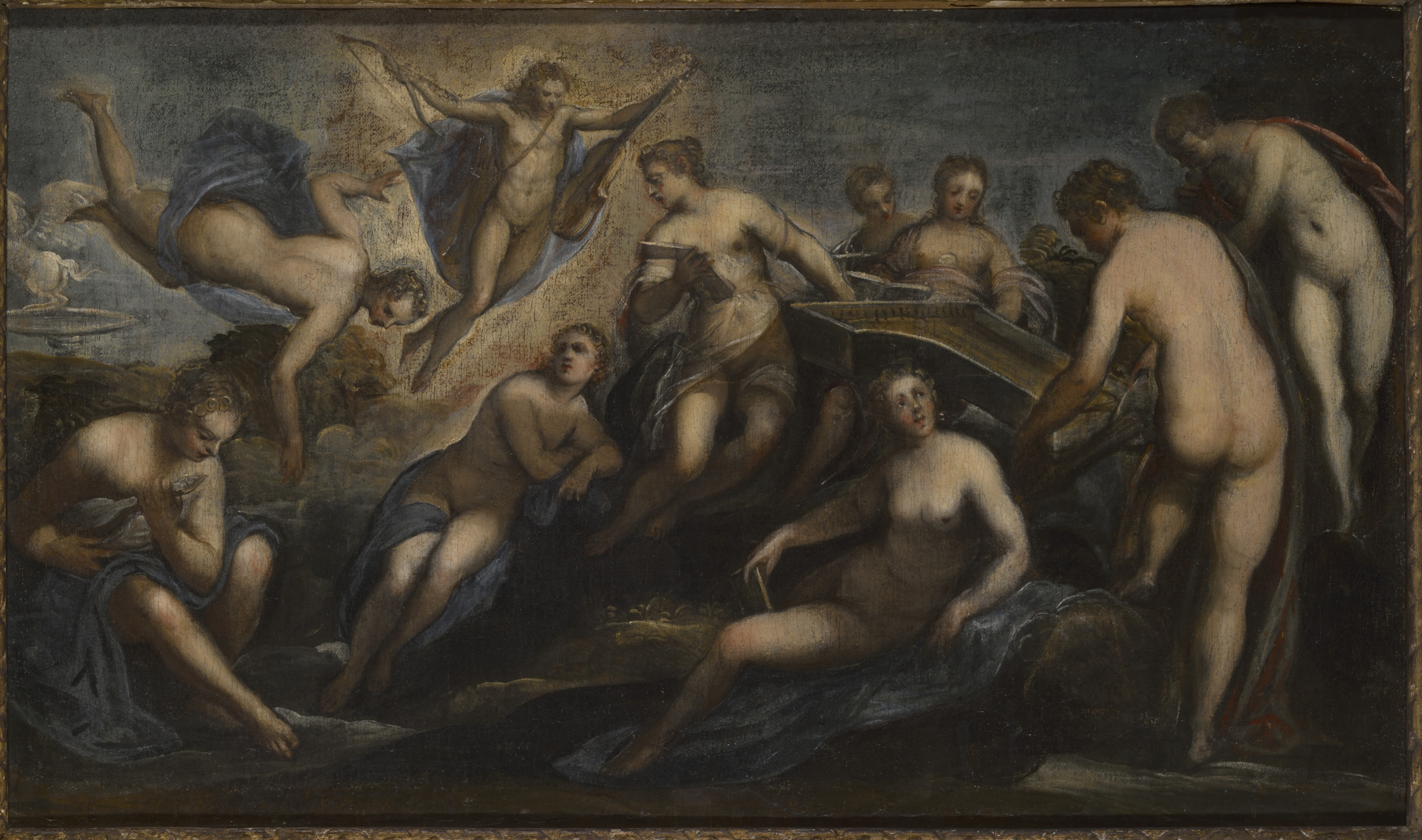
Figure 2: Jacopo Tintoretto or Domenico Tintoretto, Apollo and the Muses (c. 1580), Indianapolis Museum of Art, Indiana, Inv. no. 2014.82, <https://collections.discovernewfields.org/art/artwork/76671> (accessed on 20 July 2024).
In Venice, you can’t escape painting. It is everywhere, it grabs you and doesn’t let you rest. If you pay attention to music, you will notice that both arts are often found in the same places: palaces, churches, scuole and elsewhere. Brushes, scissors and sound cannot ignore each other.
Andrea Gabrieli was almost the exact contemporary of Veronese and they certainly collaborated toward the end of the musician’s life. On March 3, 1585, a new performance took place: Sophocles’ Oedipus rex translated into Italian by Orsatto Giustiniani. It was a remarkable event: the choruses were composed by Gabrieli and the performance inaugurated the Teatro Olimpico designed by Palladio in Vicenza. Its sumptuous perspective scenery, which still exists, was illuminated by countless oil lamps made of glass. There are also touching drawings of studies for the costumes made by Veronese himself.1
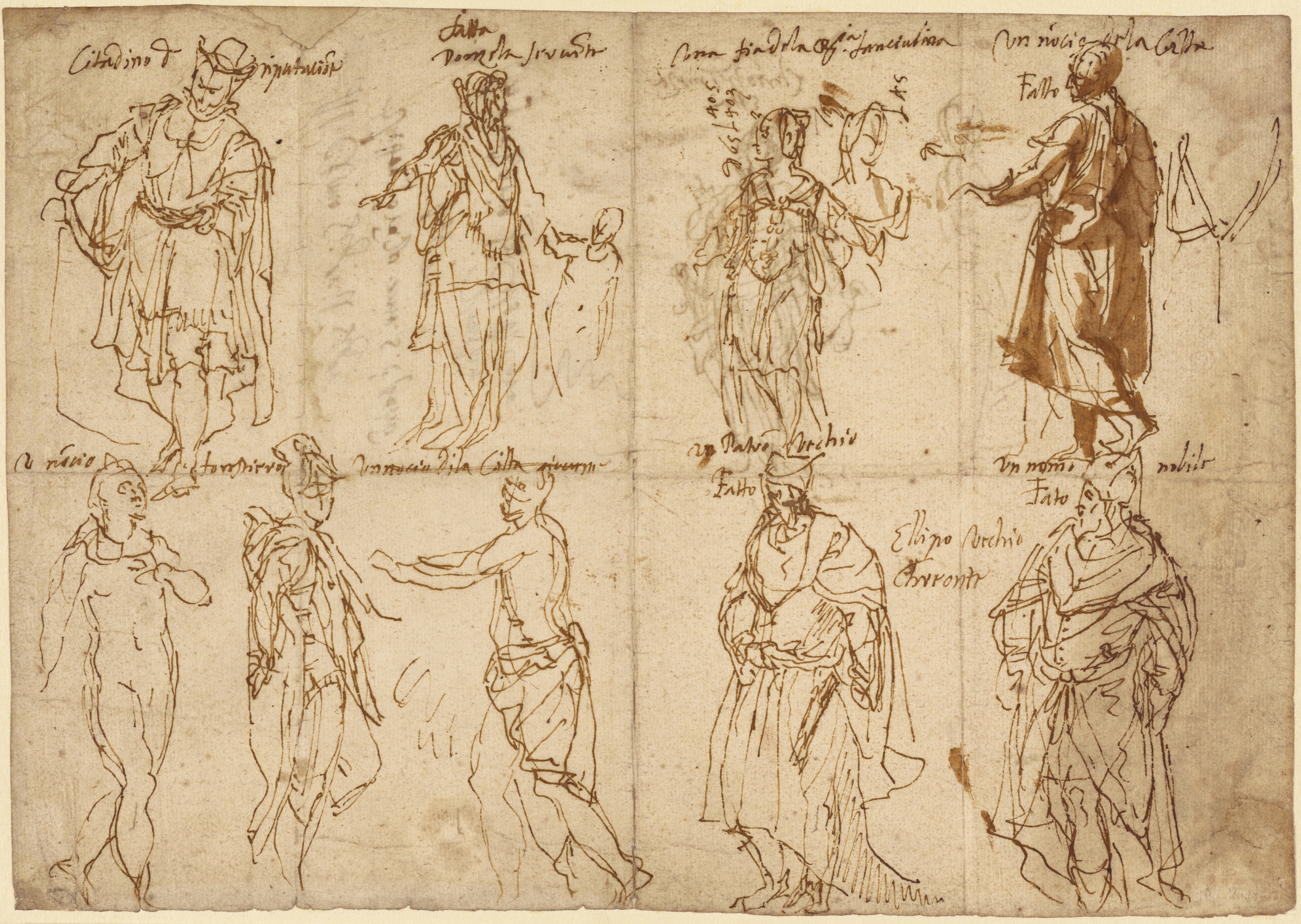
Figure 3a and b: Paolo Veronese, Costume Studies for Sophocles’ ‘Oedipus Tyrannus’ (recto and verso) (c. 1584–85), J. Paul Getty Museum, Los Angeles, Inv. no. 91.GG.3, <https://www.getty.edu/art/collection/object/103R50> (accessed on 20 July 2024).
Even though it is difficult to specify the relationships among these artists, our musician lived in a world of poets, humanists and artists. Tintoretto played the lute and had links to not only Gioseffo Zarlino, chapel master of Saint Mark’s, but also undoubtedly Gabrieli, one of whose madrigals appears in a painting by Tintoretto.
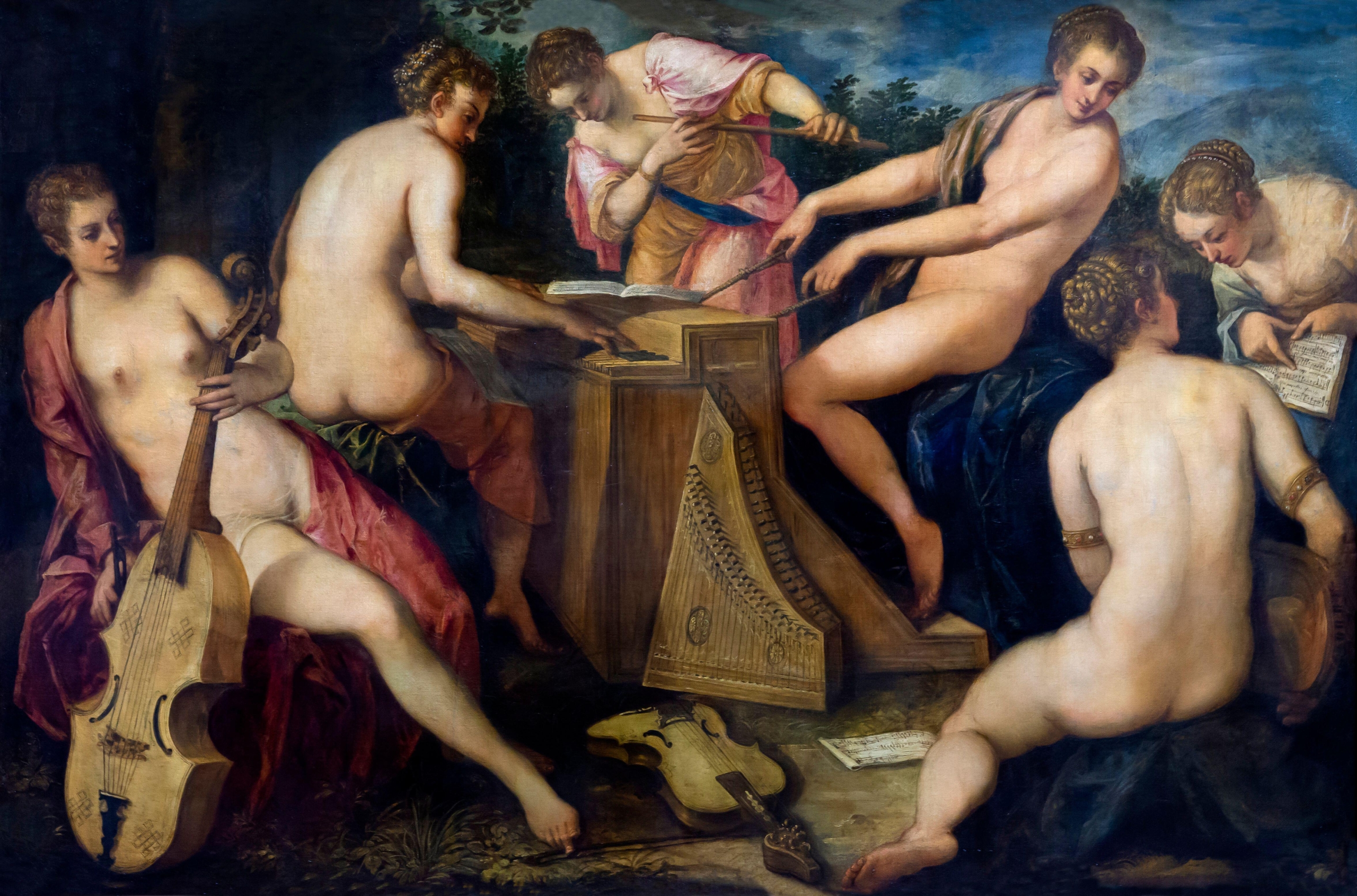
Figure 4: Jacopo or Domenico Tintoretto, Female Concert (after 1566), Gemäldegalerie Alte Meister, Dresden, Inv. no. 265, <https://www.skd.museum/programm/alle-macht-der-imagination-tschechische-saison-in-dresden/boehmische-spuren-in-der-gemaeldegalerie-alte-meister/#c32896> (accessed on 20 July 2024).
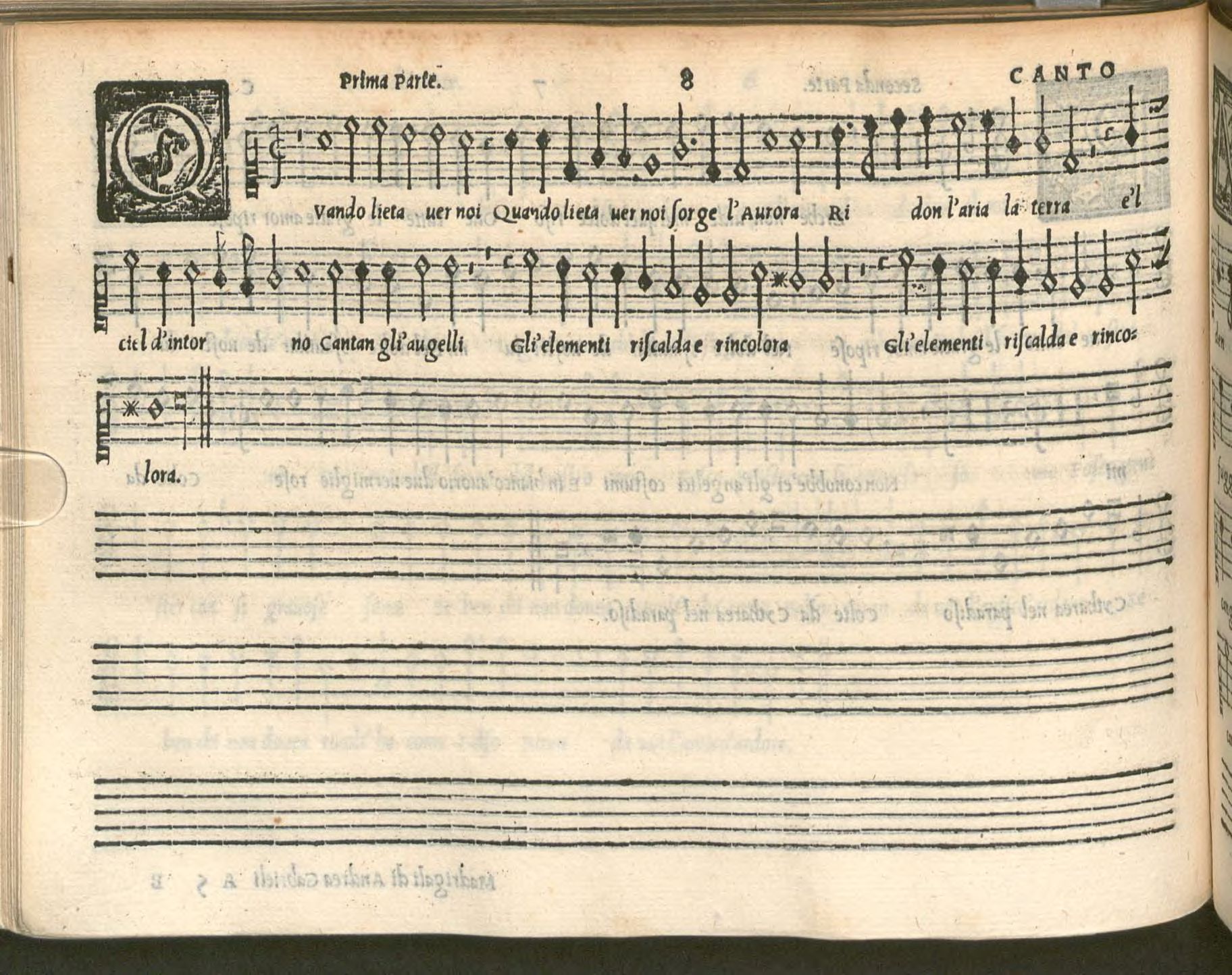
Figure 5: ‘Quando lieta ver noi’, in: Andrea Gabrieli, Il primo libro de madrigali a cinque voci (Venice: Angelo Gardano, 1566), canto partbook, p. 8, <https://books.google.at/books?id=N5h_MW-Ri7wC&printsec=frontcover&hl=de – v=onepage&q&f=false> (accessed on 20 July 2024).
Did Gabrieli appreciate the painter’s fury, or did he have a stronger inclination towards Titian, the national glory? Was he sensitive to the painter’s brushstrokes, sometimes faint and nervous; to the unfinished appearance for which his work was criticized, to his speed of execution, as often dismissed as sloppiness as it was hailed as a proof of genius? We may never know, but there are nevertheless some clues. Our Gabrieli, who was born in the parish of St. Jeremiah and was an organist there, is often referred to as ‘Andrea da Cannaregio’, the neighborhood where Tintoretto spent much of his life and was buried. Tintoretto’s daughter, Marietta, nicknamed La Tintoretta, painted an expressive self-portrait of herself as a musician in front of a harpsichord.
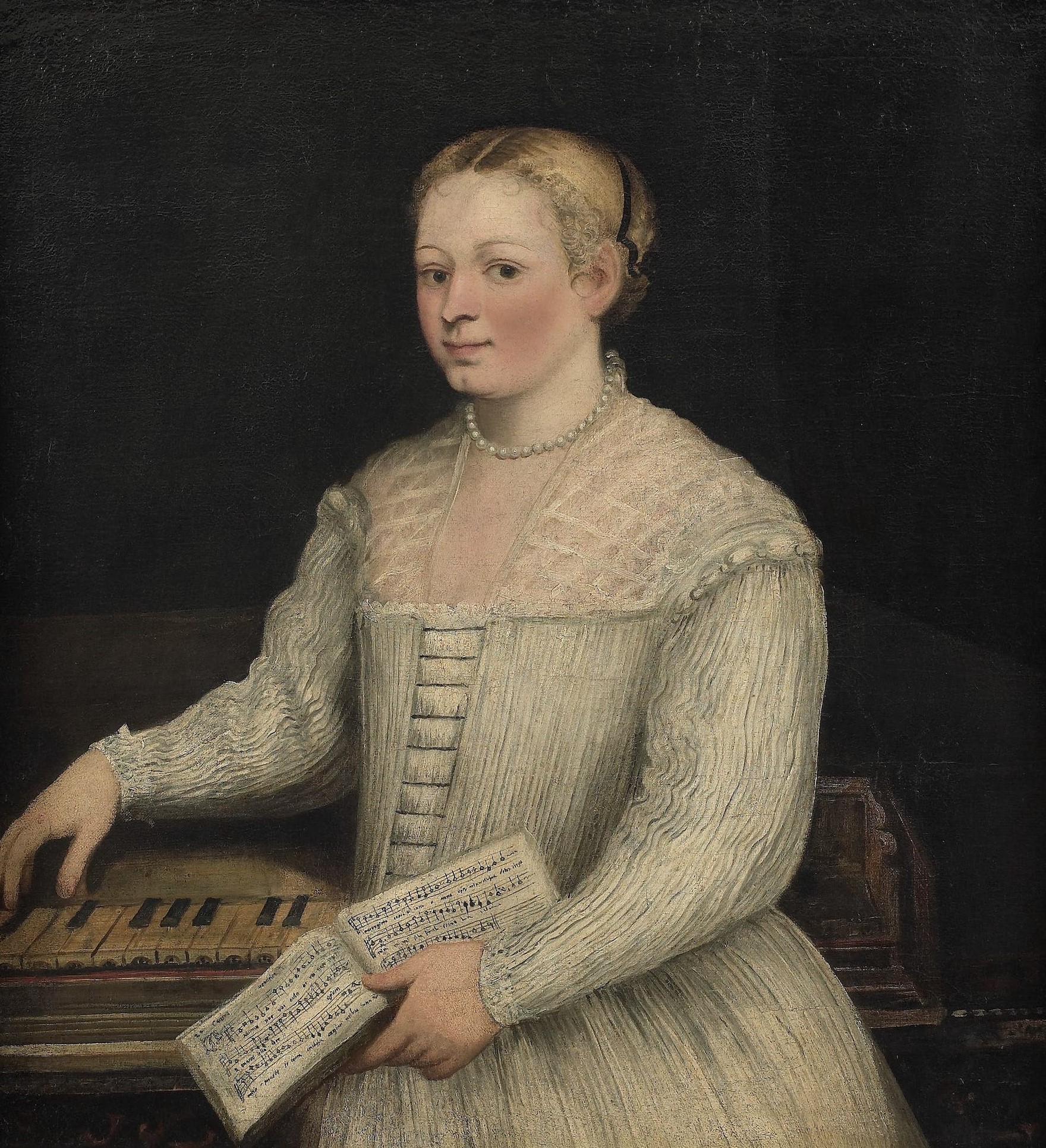
Figure 6: Marietta Robusti, La Tintoretta, Self-Portrait (c. 1578), Corridoio Vasariano, Galleria degli Uffizi, Florence, Inv. no. 1890n.1898, <https://www.uffizi.it/opere/autoritratto-con-madrigale-marietta-robusti> (accessed on 20 July 2024).
Gabrieli was not, strictly speaking, a ‘prisoner of Venice’, but his city was in his blood. When he traveled to Munich and befriended the great Orlando di Lasso, musician at Duke of Bavaria’s court, Lassus might have given Gabrieli a copy of his song, ‘Suzanne un jour’, which would become very famous across Europe. Was his keyboard version of this uplifting and moving story composed with one or more of Tintoretto’s painted versions in mind? One might well imagine so – but we can also wonder if he preferred Veronese’s representations of the story.
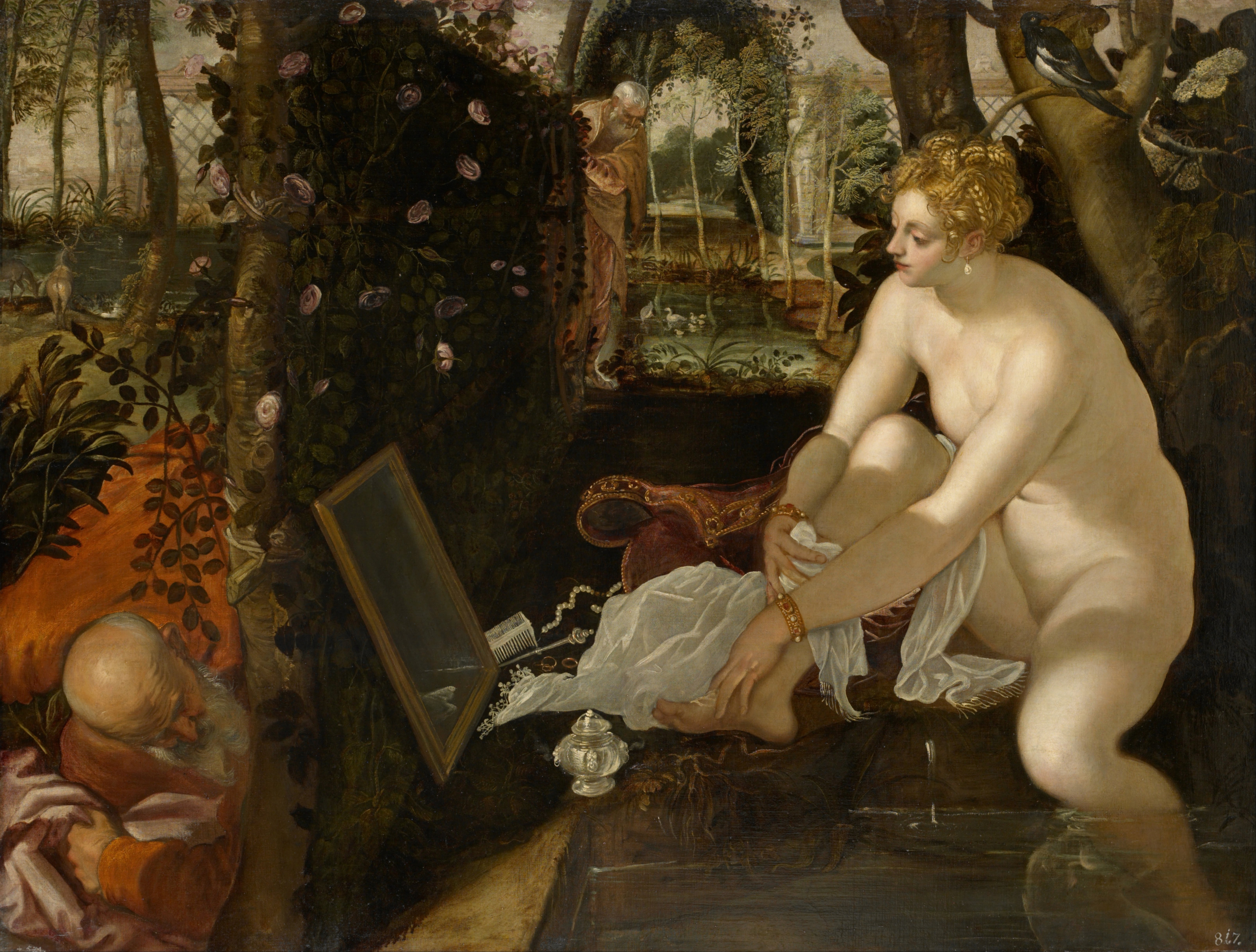
Figure 7: Jacopo or Domenico Tintoretto, Susanna bathing / Susanna and the Elders (c. 1555/56), Kunsthistorisches Museum, Vienna, Inv. no. Gemäldegalerie 1530, <http://www.khm.at/de/object/1564/> (accessed on 20 July 2024).
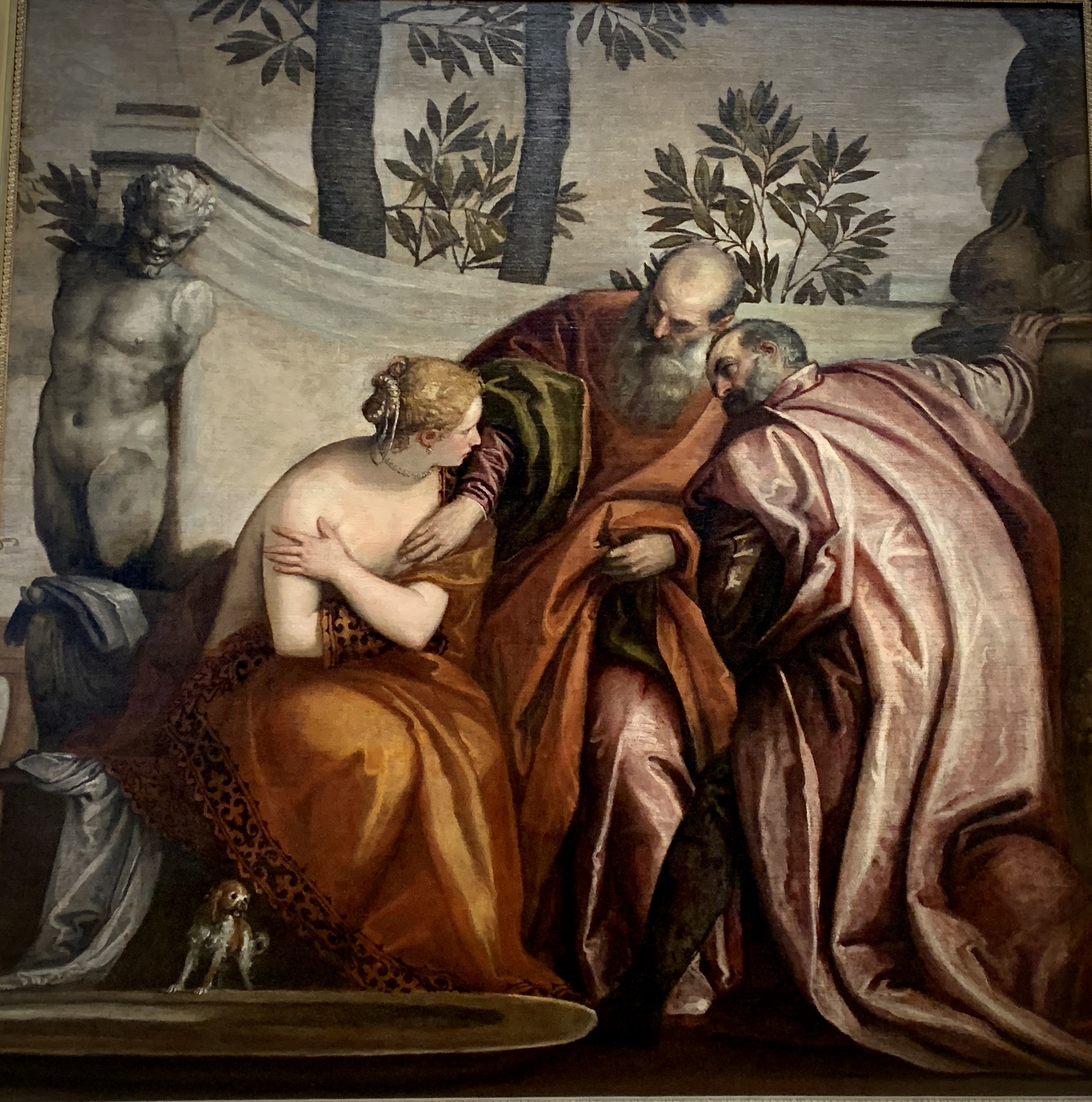
Figure 8: Paolo Veronese, Susanna and the Elders, Musée du Louvre, Paris, Inv. no. INV 137 MR 388, <https://collections.louvre.fr/ark:/53355/cl010061271> (accessed on 20 July 2024).
Audio 2: ‘Canzon deta Suzanne un jour’,in: Andrea Gabrieli, Canzoni alla francese et ricercari ariosi […]. Libro quinto (Venice: Antonio Gardano, 1605).
In my work to bring this music to life, I confess to having been preoccupied by the question of the Venetian colorito. In the great debate between the primacy of drawing (disegno) or color, Venice has always been placed in opposition to Florence, which held il disegno as the foundation of all pictorial and sculptural achievement through the voice of its greatest chronicler, Giorgio Vasari.2 Venetian painters prepared their canvases with a brown underpainting, then brought a sense of light to the work using contrasting colors. Sometimes, the great Giorgione even painted directly onto the canvas without a preliminary drawing.
In the mercantile city of Venice, a cosmopolitan gateway to the East, this explosion of chromatic vivacity is amplified by the play of reflections in the Lagoon. One could even go so far as to use the term chiaroscuro were it not so inextricably associated with Florence. Faced with the suppleness of musical line and with the physical gestures of an incomparable genius like Gabrieli, it seemed to me that music could not have been external to the energy that the technique of colorito brought to art. It would be absurd to think that music would be constrained to the scholastic rigor that we sometimes misleadingly associate with strict counterpoint. There is undoubtedly a dialectical relationship between musical and pictorial flexibility.3
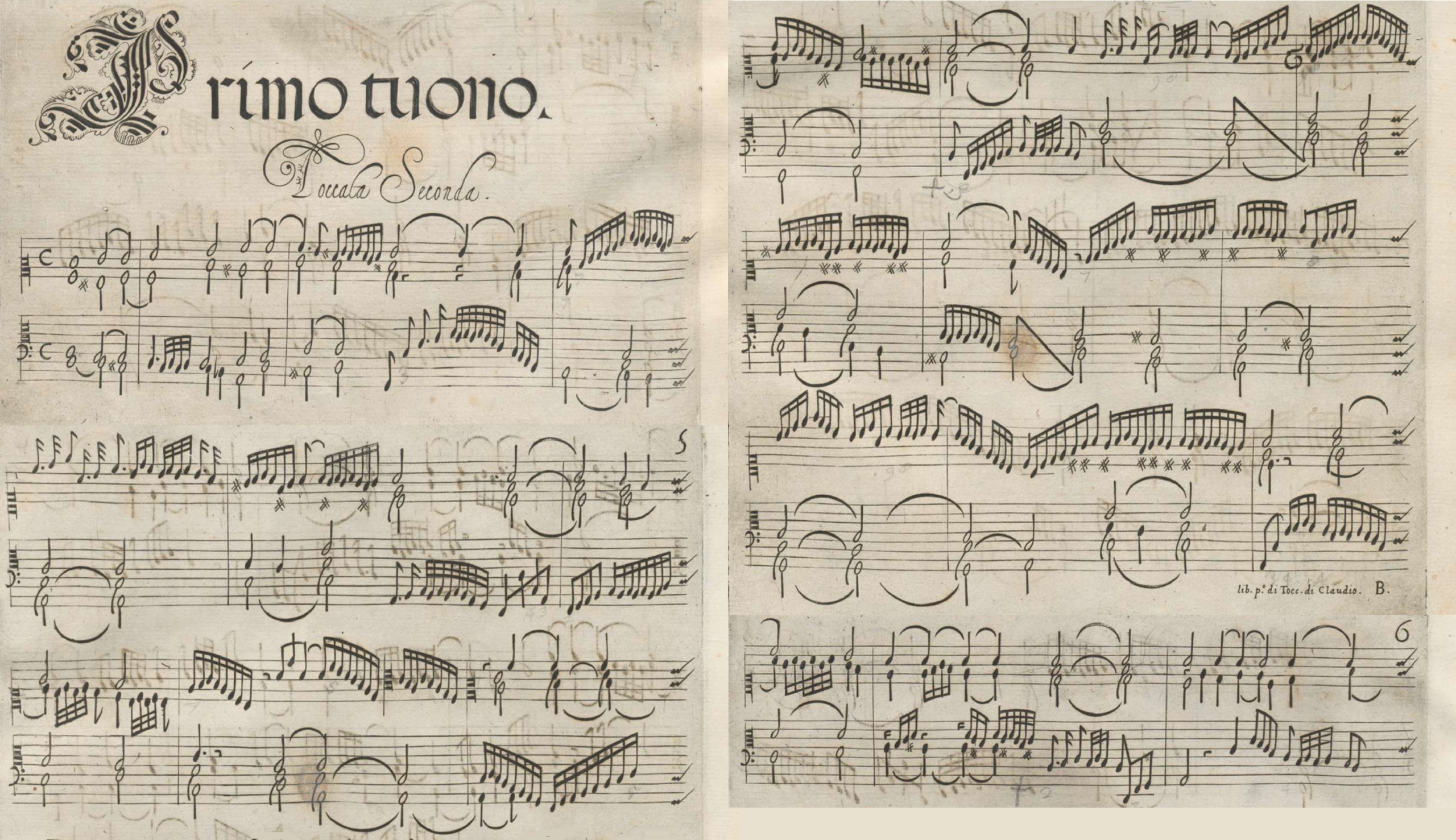
Figure 9: ‘Toccata seconda’, in: Claudio Merulo, Toccate d’intavolatura d’organo […] libro primo (Rome: Simone Verovio, 1598), pp. 4–6, <https://mdz-nbn-resolving.de/details:bsb00094272> (accessed on 20 July 2024).
The movable typeface used for the editions of Gabrieli’s keyboard music conditioned the notation of ornaments, which have sometimes been considered stiff and scholastic as a result. But such a conclusion misconstrues a technical and economic constraint of music printing as a defect, seeing it as detrimental to the real implementation of the piece. And yet, we have the counterexample of Gabrieli’s contemporary and colleague at San Marco, the organist Claudio Merulo, whose publications benefited from the new technology of copperplate engravings, which gave him complete freedom to write precise ornaments and diminutions. It seems obvious that these two musicians inhabited the same world and that the musical realization of their works, ornamented and softened by improvisation, are surely closer than the appearance of the finished products suggests. I can no longer believe in the old trope of Andrea Gabrieli always being second to Merulo, as though he were the ‘boy next door’ of the organists of the basilica.
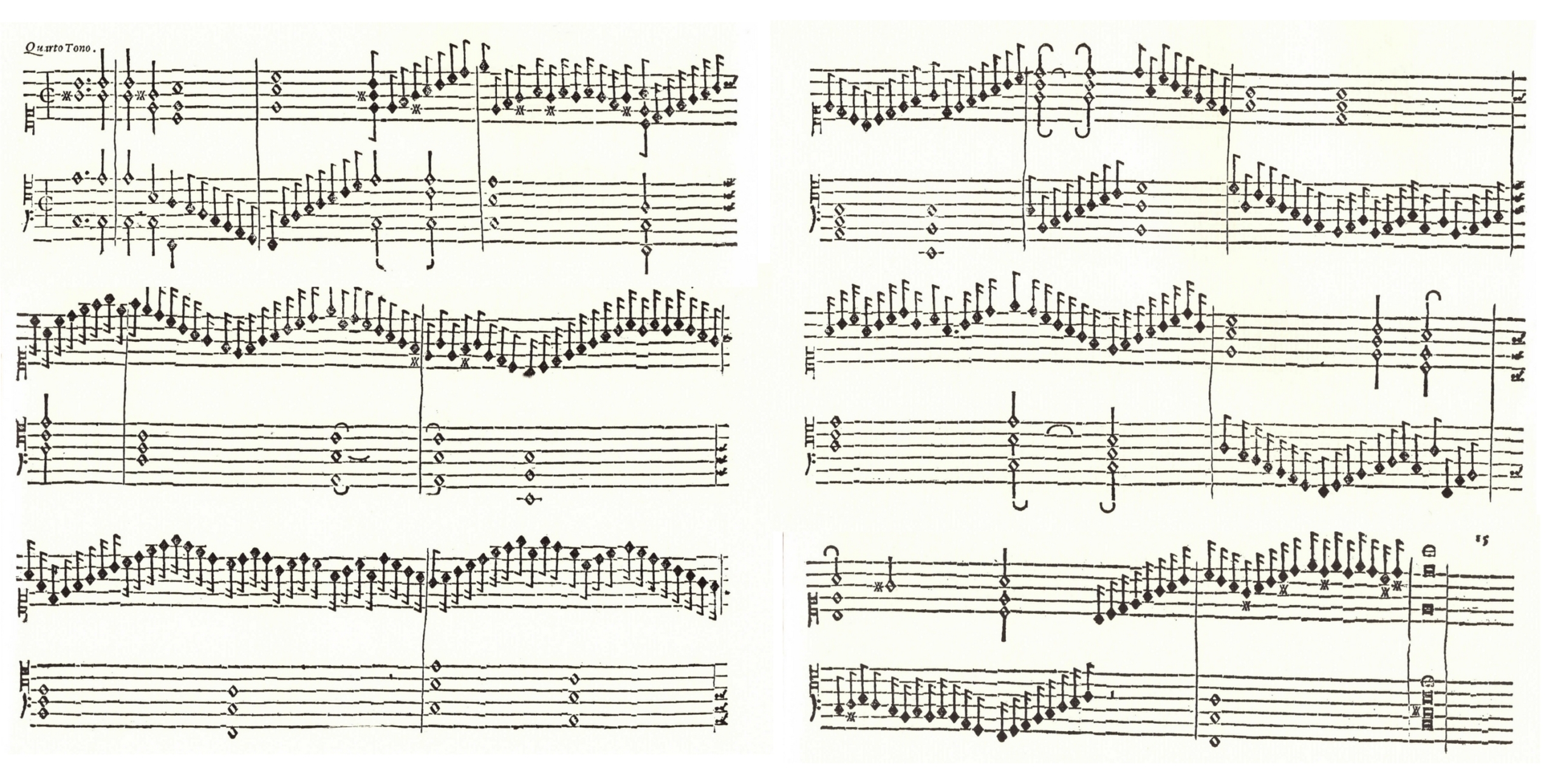
Figure 10: ‘[Intonazione] Quarto Tono’,in: Andrea Gabrieli, Intoniationi d’organo […] libro primo (Venice: Antonio Gardano, 1593), fol 13v–15r, <https://doi.org/10.3931/e-rara-102883>(accessed on 20 July 2024).
Audio 2:
Merulo was unquestionably the theorist Girolamo Diruta’s favorite, even though he makes reference to the ‘due gran campioni’ of San Marco. In his Transilvano, Diruta, a former student of Merulo, codifies Merulo’s teachings, but he also includes some unflattering statements about the primacy of the organ over plucked instruments like the harpsichord that took me a long time to understand, if not to accept. Why this assumed hierarchy between the organ and the ‘strumenti da penna’, quilled instruments like the harpsichord, arpicordo, and spinetta, among others? Above all, it seems to me that this is symptomatic of the equally inexcusable hierarchy between the guild of musicians (the sonadori di musica)and the guild of minstrels (the sonadori da ballo), who specialized in dance music but often lacked the ability to read or notate it. With what is surely in some bad faith, Diruta exclusively relates the harpsichord to dance music, even though the facts prove the contrary: Venetian harpsichord making flourished with the production of sumptuous instruments of unparalleled quality by luthiers such as Baffo, Trasuntino, Patavinus, Pisaurensis, etc. Of Gabrieli’s six printed collections, the first and one other (lost, but copied in a later manuscript) were expressly intended for the organ and the other four simply specify that they are ‘to be played on keyboard instruments’ (‘per sonar sopra istromenti da tasti’). Expertly constructed harpsichords have been found in palaces and homes – even in the homes of barbers, who had a widely used right to give music concerts, and to teach music.4
Audio 3: ‘Ricercar sopra Martin menoit di Janequin’, in: Andrea Gabrieli, Canzoni alla francese et ricercari ariosi […]. Libro quinto (Venice: Antonio Gardano, 1605).
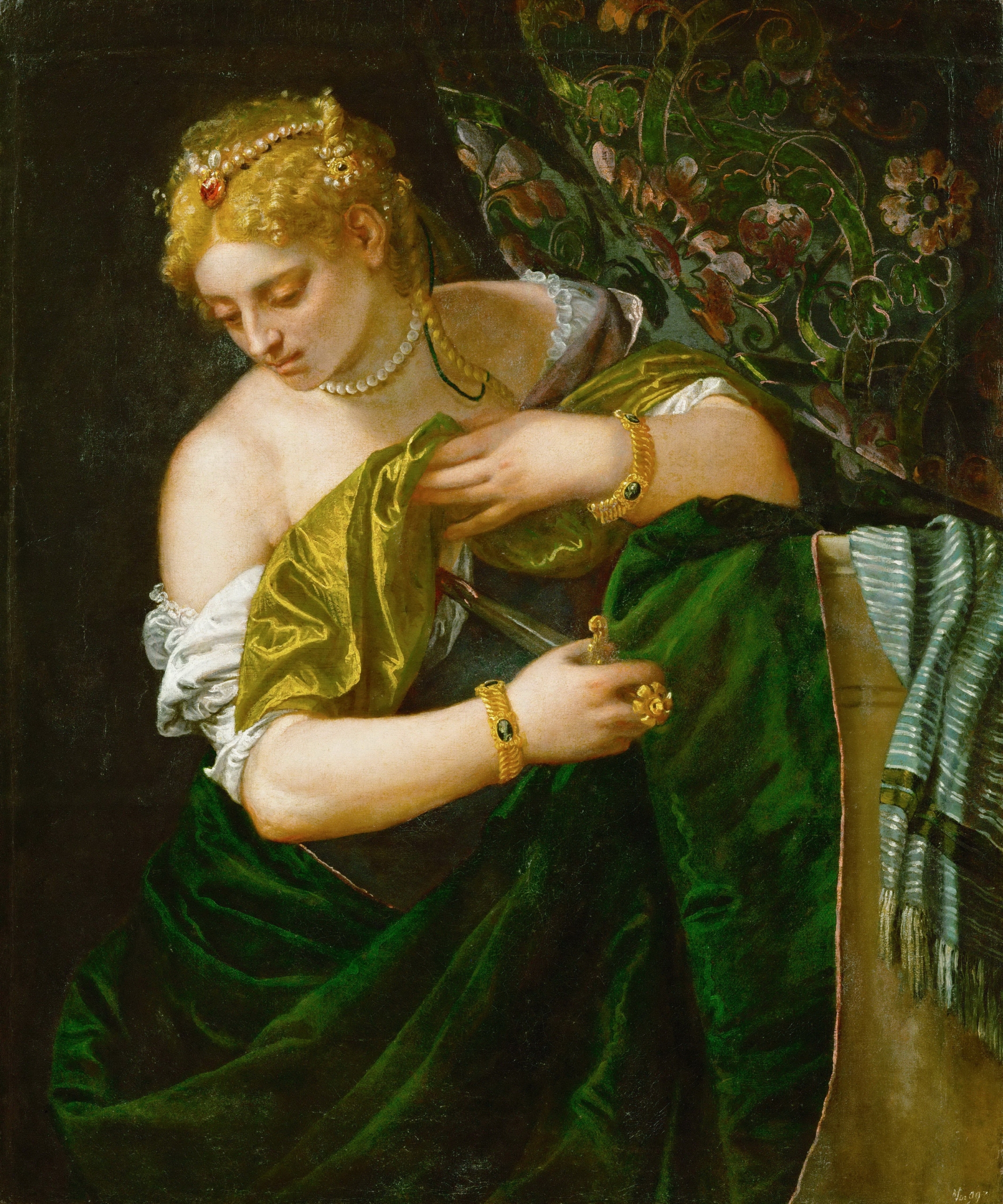
Figure 11: Paolo Veronese, Lucretia (c. 1582/83), Kunsthistorisches Museum, Vienna, Inv. no. Gemäldegalerie 1561, <http://www.khm.at/en/object/389/> (accessed on 20 July 2024).
The harpsichord is an instrument that evokes closeness and an intimacy that expresses itself in a world that could not be more different from public performances on the organ. It invites listeners to a privileged place of private enjoyment, where poetic fury can be expressed most naturally: ‘Who will tell the pain of my heart?’ And to say along with Willaert, chapel master of Saint Mark’s, stepping out of the basilica onto the piazzetta: ‘Partir da voi vorrei, Tanto son dolci gli ritorni miei’.5
Audio 4: ‘Ancor che co’l partire. Madrigale a 4. di Cipriano de Rore’, in: Andrea Gabrieli, Il terzo libro de ricercari (Venice: Antonio Gardano, 1596), fol. 32r–34r, <https://doi.org/10.3931/e-rara-55399> (accessed on 20 July 2024).
(Translation of the article: Philippe Canguilhem)
Endnotes
-
Cf. Sébastien Wonner, ‘Andrea Gabrieli and the Venetian Colorito’ [Liner-notes], in: Andrea Gabrieli. La peine de mon cœur, Sébastien Wonner (harpsichord), CD-recording L’Encelade ECL 2102 (2023).↩︎
-
Cf. ibid.↩︎
-
Cf. ibid.↩︎
-
Cf. ibid.↩︎
-
‘I wish to part from you, So sweet are my returns.’↩︎
References
The Audio examples are also included in the CD Andrea Gabrieli. La peine de mon cœur – Sébastien Wonner, harpsichord (L’Encelade 2023). Sound recording by Jean-Michel Olivares, Italian harpsichord by Matthias Griewisch. Special thanks go to Stéphane Breyer, producer.