
Phenomena of Keyboard Instrument Decoration in the Sixteenth Century
Heidelinde Pollerus
Heidelinde Pollerus
How to cite
How to cite
Outline
Outline

Appearance and prestige – two perennially interrelated terms. Where historical keyboard instruments are concerned, ‘appearance’ naturally refers to an object’s purely visual outward effect. However, such appearance is closely related to the meaning and reputation of the object as well as its purpose. This functions on two levels. One is that of the esteem in which the instrument and music are held, which is expressed via suitable artistic means. The other is that of the object’s socio-cultural function as a status symbol and surface for self-representation that serves to bolster its owner’s or commissioner’s reputation. Exploration of the blurred boundaries and connections between appearance and prestige shall constitute the central thread of the investigation here.1
Pictorial Sources
Generally speaking, sources illustrating the decoration on 16th-century keyboard instruments are scarce. Only during the 17th century did the depictions of instruments in paintings see a sharp increase in quantity and quality, as can be seen in works by Jan Brueghel the Elder and Peter Paul Rubens,2 Jan Molenaer,3 Gonzales Coques,4 Jan Steen,5 Jan Vermeer,6 Gabriël Metsu7 and others. Only relatively few 16th-century panel paintings or engravings can be used as pictorial sources. Instruments are often shown just partially or so unclearly that no conclusions concerning their decoration can be drawn, as is the case in works such as Saint Cecilia by Michiel Coxcie, 1569, at the Prado in Madrid, Allegory of Music or Hearing: Apollo and the Muses on Mount Parnassus by Paolo Fiammingo, 1580–96 (auctioned at Sotheby’s on 9 Dec. 2021), or The Concert by Leandro Bassano, c. 1590, at the Uffizi Gallery in Florence. Among the relevant 16th-century panel paintings is Lady Playing a Clavichord by the Master of the Female Half-Lengths. The picture, probably painted in Antwerp around 1530 and now in the National Museum in Poznan, shows a small instrument, which, like many others of its time, has little decoration. The black painted tendril ornamentation with grotesque heads and clover leaves is only found on the sides of the case (Fig. 1). The instrument is depicted in a simple but elegant atmosphere that suggests affluence. The richly decorated goblet protrudes slightly over the edge of the table, symbolizing a sense of impending danger. An underlay of green velvet in connection with musical instruments seems to have been in line with the taste of the 16th century and even later, as numerous panel paintings prove.8 When compared with the painting Young Woman Playing a Clavichord (c. 1530) from the workshop of Jan van Hemessen,9 the attributes such as the red dress, hairband, necklace, lidded cup, and green velvet prove to be almost identical, However, in the depiction of the instrument, van Hemessen placed more emphasis on the correct reproduction of the mechanics and the hand position. Apart from a green strip, the decoration of the instrument is only vaguely suggested. This comparison shows that paintings are only of limited use as a source for decoration, as they are always subordinate to the message of the image and/or the painter.
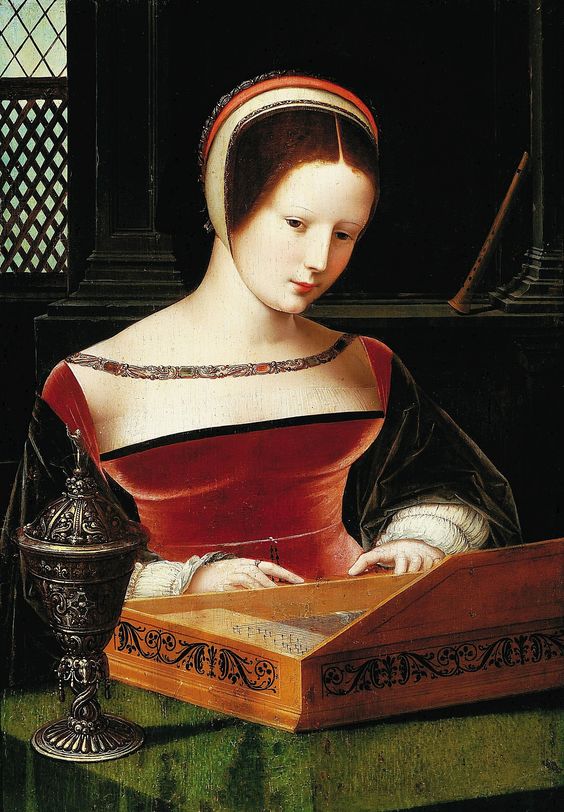
Figure 1: Master of the Female Half-Lengths, Lady Playing a Clavichord, 1530, oil/wood, 44 x 31 cm, National Museum in Poznan, FR 442 / Mo 115; <https://commons.wikimedia.org/wiki/File:Master_of_Fem ale_Half_Lengths_Lady.jpg> (accessed on 4 August 2025).
Nevertheless, certain trends can be discerned in some paintings, such as Girl at the Virginal by Catharina van Hemessen from 1548, now at the Wallraf-Richartz-Museum in Cologne (Fig. 2). The daughter of the aforementioned Jan van Hemessen is depicted here as a musician without any further attributes. Only her face and hands emerge from the dark background, together with the light wood of the soundboard. This features a small rose and a barely discernible triangular motif. On the inside of the framed side panel is a Latin motto of religious content. It is particularly interesting that the dolphin pattern typical of Ruckers instruments is inscribed on the wooden case in the manner of a frieze and not – as would become typical later on – printed on paper.10
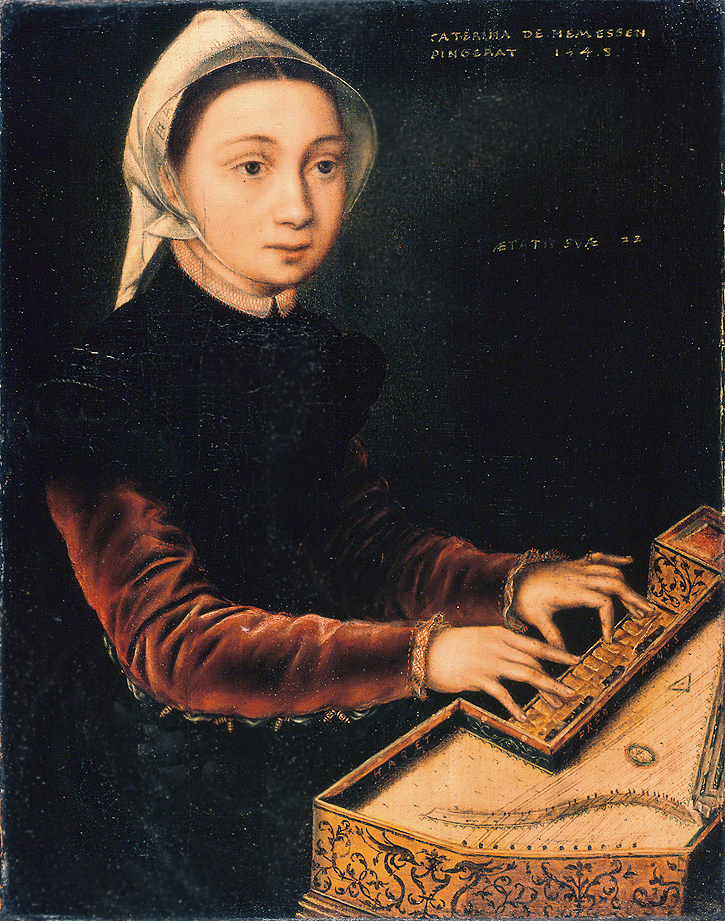
Figure 2: Catharina van Hemessen, Girl at the Virginal, 1548, oil/wood, 30.5 x 24.3 cm, Wallraf-Richartz-Museum, Cologne, WRM 0654; <https://commons.wikimedia.org/wiki/Category:Young_woman_playing_a_virginal_by_Catharina_van_Hemessen?uselang=de> (accessed on 4 March 2025).
More elaborate is the decoration of the virginal in the family portrait at the Stadsmuseum Lier by Frans Floris, 1561, which likely shows the Berchem family (Fig. 3). The presumptive man of the house plays the lute, his wife the virginal. The virginal’s case bears symbols of love, in particular a pair of doves. The soundboard, featuring a rose and painted with scattered flowers, is a representative example of the Flemish decorative practice that arose during the mid-16th century.
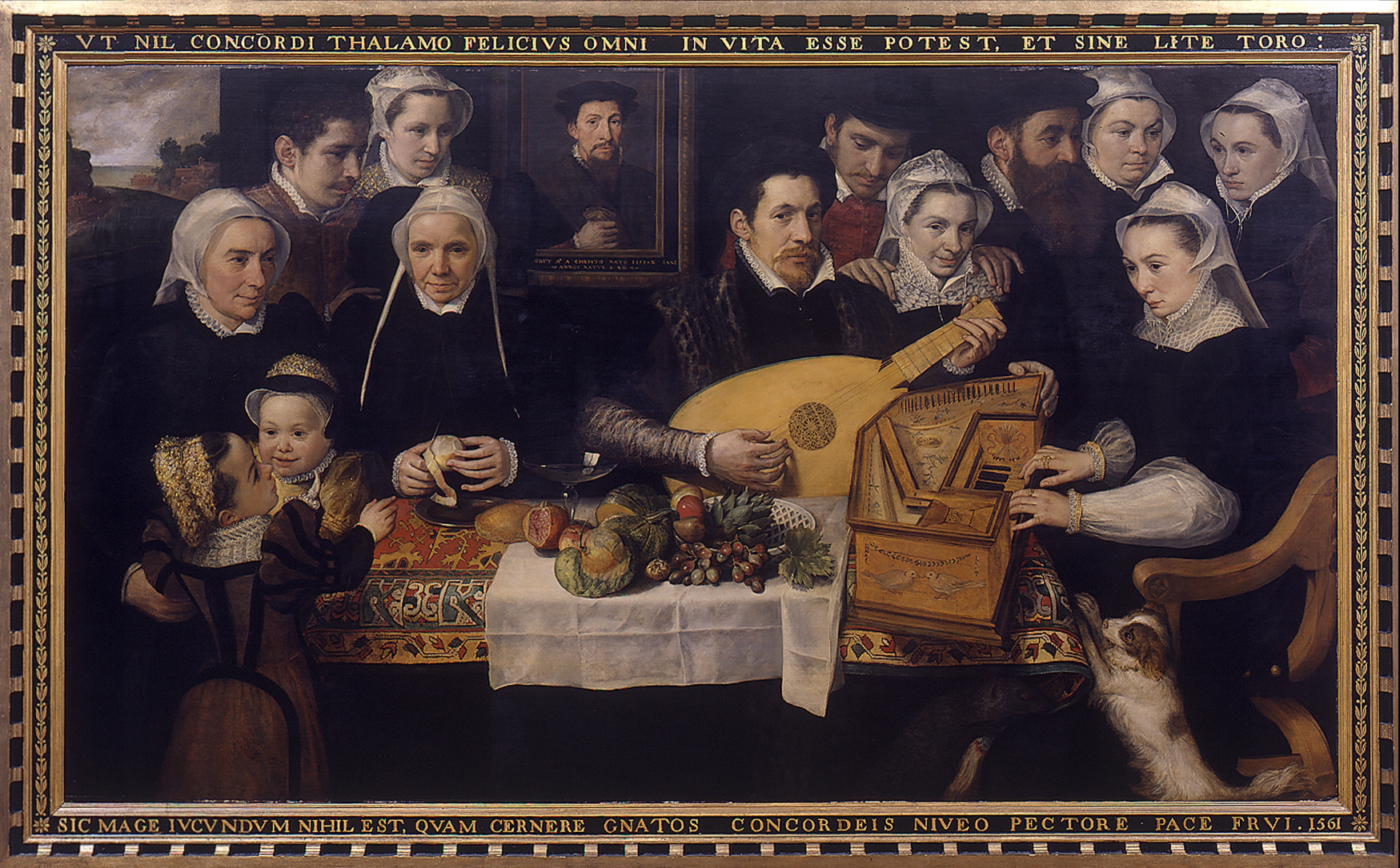
Figure 3 Frans Floris, Portrait of the Family van Berchem, 1561, oil/wood, 130 x 227 cm, Stadsmuseum Lier, 0052; <https://commons.wikimedia.org/wiki/File:Frans_Floris_002.jpg> (accessed on 4 March 2025).
The well-known painting Apollo and the Muses, c. 1570, by Marten de Vos (Fig. 4) shows a virginal decorated on the inside of its lid with a battle painting that features a multitude of figures. One of the Muses plays on this instrument in the company of her fellow Muses and Apollo. The contrast between the battle scene and this concert of the Muses is further heightened by the motto ‘Musae loco belli’ (‘Muses in place of war’), which is written on the instrument’s case.11 Later on, this painting even came to serve as a model for the lid painting on a Ruckers instrument of 1619.12
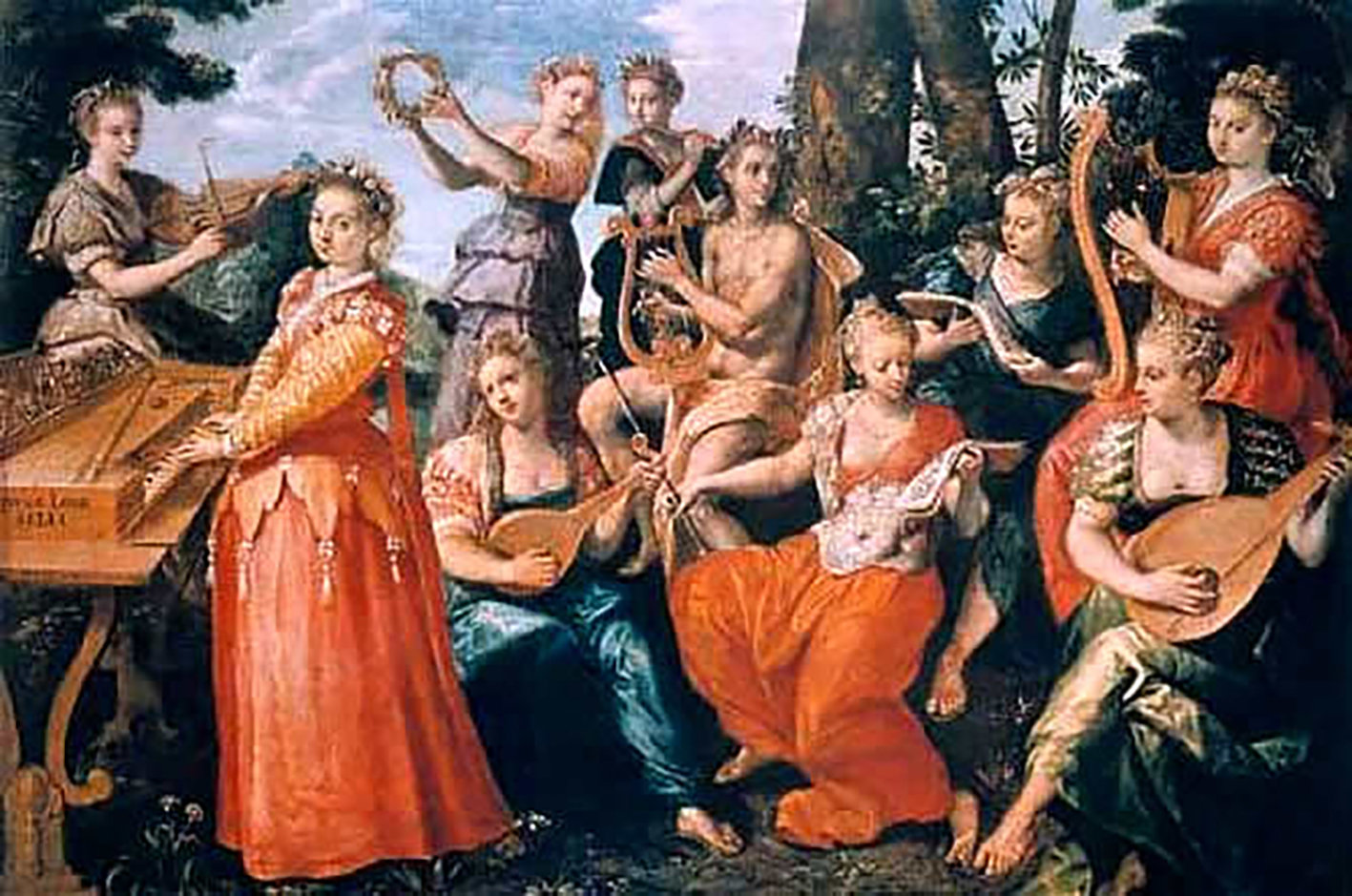
Figure 4: Marten de Vos, Apollo and the Muses, c.1570 (?), oil/wood, 44.5 x 63.5 cm, Royal Museums of Fine Arts of Belgium, 3882; <https://de.wikipedia.org/wiki/Datei:Apollo_and_the_Muses_by_Marten_de_Vos_(1570).jpg> (accessed on 4 March 2025).
There were multiple painters, both female and male, who showed themselves playing keyboard instruments in their self-portraits. Among these paintings, the one created by Lavinia Fontana in 1577 (Fig. 5) stands out. Her instrument exhibits the typical Italian decorative concept of this era with a rose, wood of a natural appearance with thin black lines that were probably inlays, and ivory buttons on the jackrail and the edges of the case. Here Lavinia presents herself as a self-assured figure. The instrument, the servant, and the other details are accessories that underscore her elegant presence. Although her hands are on the keyboard, their carefully constructed line of sight points to the easel in front of the window in the background. Through the skillful execution of the composition and all the details, she also presents herself as a painter.
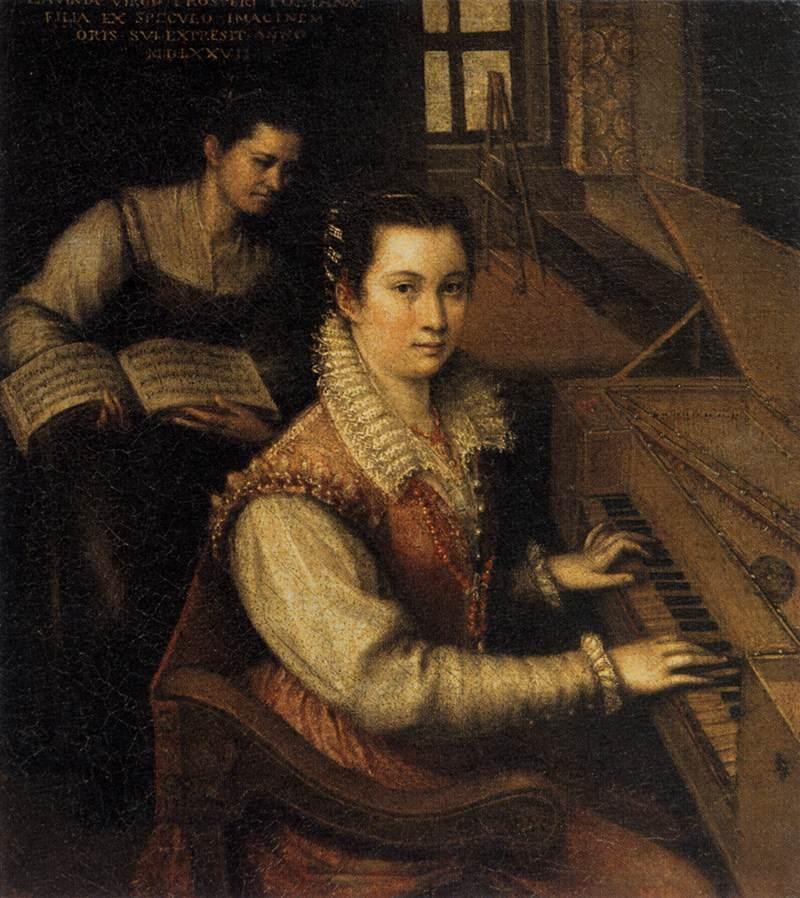
Figure 5: Lavinia Fontana, Self-Portrait at the Clavichord with a Servant, 1577, oil/canvas, 27 x 23.8 cm, Accademia Nazionale di San Luca, Rome, 743; <https://commons.wikimedia.org/wiki/File:Lavinia_Fontana_-_Self-Portrait_at_the_Spinet_-_WGA07985.jpg> (accessed on 4 March 2025).
These paintings allow only limited conclusions to be drawn concerning the quantity and appearance of the instruments that actually existed in the 16th century, but they do at least show some types of decoration that were already in use by then. The range extends from simple undecorated instruments to elaborate designs with roses on (un)painted soundboards, inlays and applications, the well-known dolphin pattern, phytomorphic ornaments, mottos (i.e. aphorisms), and even lid paintings.
Alongside panel paintings, there also exist further visual sources that can provide clues as to decorative practice during the 16th century such as ecclesiastical and aristocratic furnishings as well as design and architectural drawings. For example, in Federico Zucchero’s drawing Man at the Claveçin (Fig. 6), the instrument is depicted as completely undecorated. According to a note written in the painter’s own hand, the man at the instrument is the Florentine author and musician Antonio Francesco Doni (1513–74).13
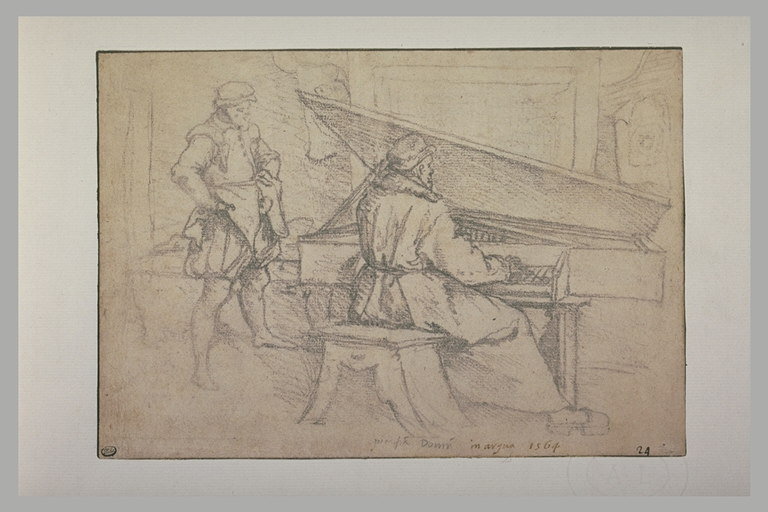
Figure 6: Federico Zucchero, Man at the Claveçin, 1564, pencil, 15.4 x 22 cm, Louvre, Paris, 4576; <http://arts-graphiques.louvre.fr/detail/oeuvres/5/101833-Un-homme-debout-ecoutant-un-musicien-jouant-du-clavecin-max> (accessed on 27 February 2025).
Keyboard instruments, being somewhat ‘awkward’ in shape, appear less often than other instruments in music-themed architectural ornaments; however, wood inlays, wall friezes, wall decorations, and the like occasionally do show rather simply decorated examples. One might point here to an intarsia in the Stanza della Segnatura in the Vatican, 1510, or a frieze at the Casa Giorgione in Castelfranco from 1504 (Fig. 7).
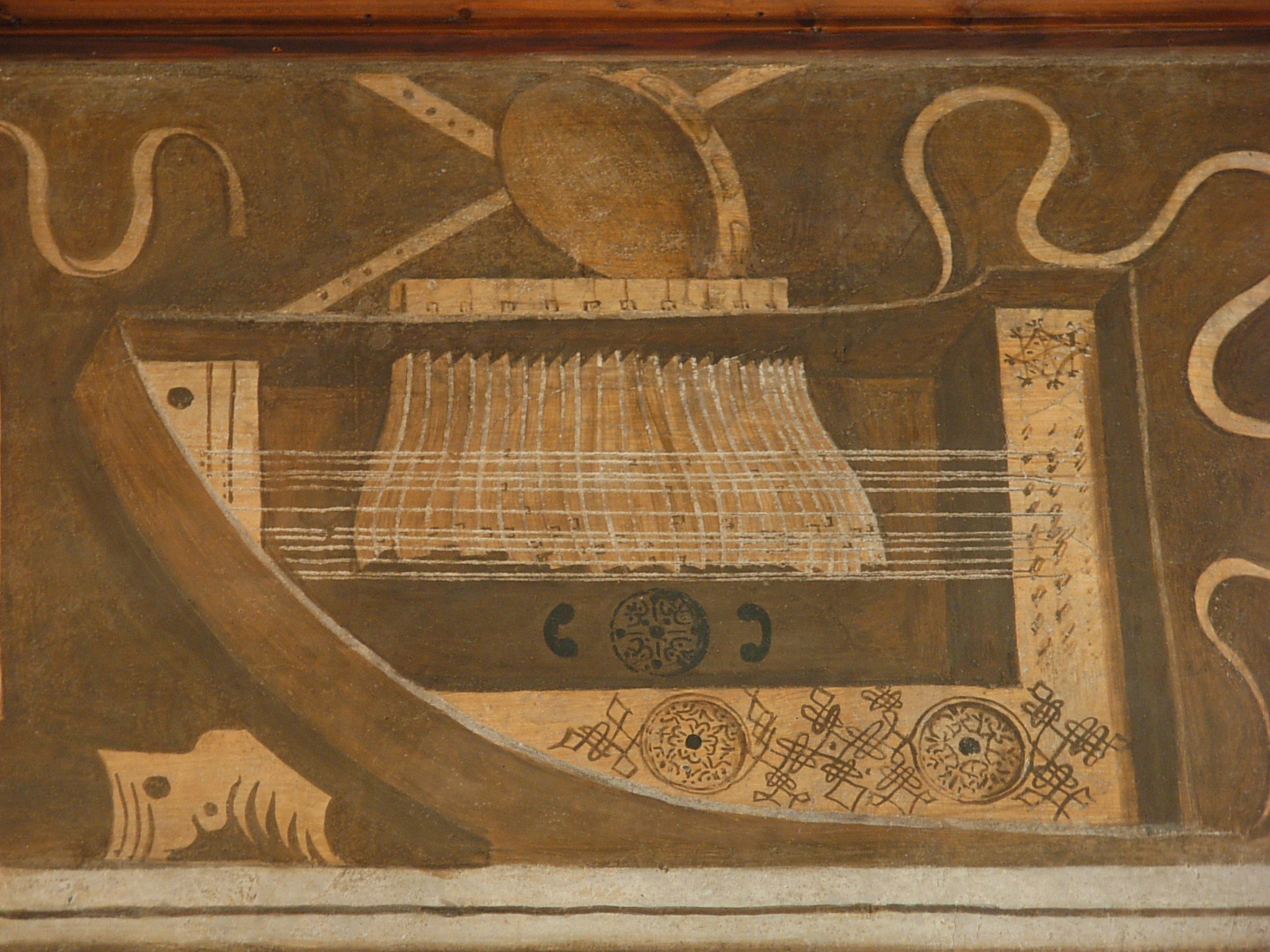
Figure 7: Wall frieze at the Casa Giorgione, 1504, Castelfranco Veneto (Photo: H. Pollerus).
The few illustrations in historical musical treatises, such as Sebastian Virdung’s Musica getutscht und außgezogen, 1511, are designed to capture the function of the instruments and hence feature hardly any decoration (Fig. 8).
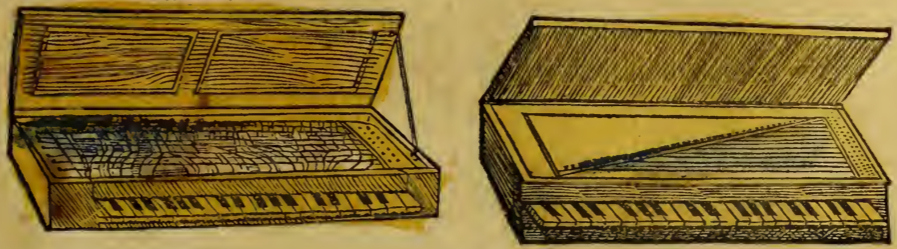
Figure 8: Sebastian Virdung, Musica getutscht und ausgezogen, [Basel] [Michael Furter] [1511] (vdm: 3); <http://resolver.staatsbibliothek-berlin.de/SBB0001444100000000> (accessed on 27 February 2025).
One of the few surviving 16th-century design drawings for an instrument decoration is a drawing created by an anonymous artist between 1560 and 1570 (Fig. 9). It presents an elaborate concept for a lid decoration, with figures making music and dancing in a distinguished interior. It is not known whether this concept was ever realised, but its strong relationship with music does point to one of the main substantive themes of instrument decoration.
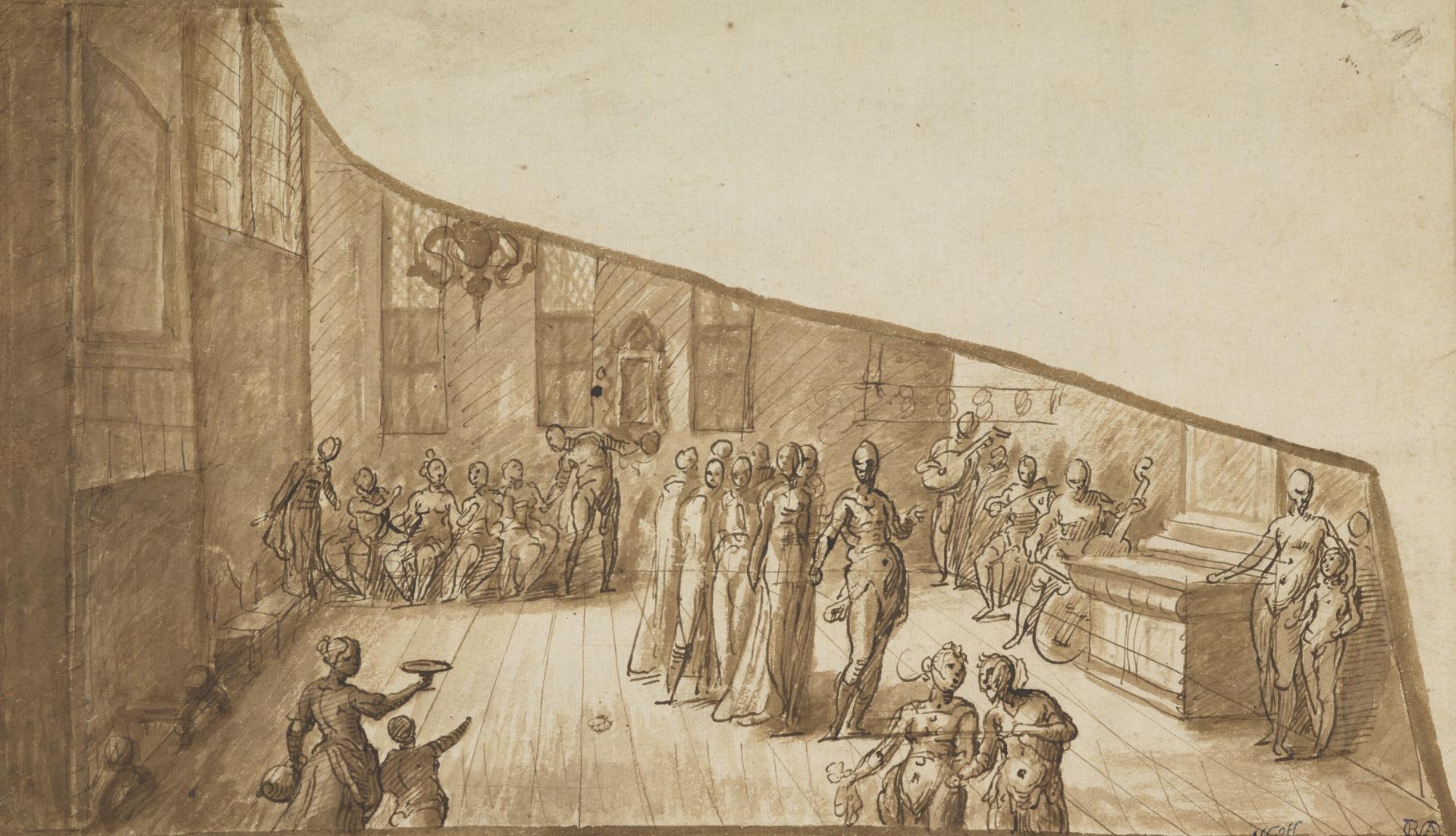
Figure 9: Anon., People Dancing and Making Music, c. 1560–70, pen, brown ink and wash/paper, 17.2 x 29.5 cm, National Galleries of Scotland, D665; <https://www.nationalgalleries.org/art-and-artists/14199/study-lid-harpsichord-people-dancing-and-making-musicc> (accessed on 4 March 2025).
Even if pictorial sources do provide central clues as to decorative practice, it must be borne in mind when assessing them that they likely show only a tiny share of the instruments that existed in the 16th century and that, in general, questions concerning how accurately these images corresponded to reality do remain worthy of discussion.
Written Sources
Much like pictorial sources, written sources on decoration from the 16th century are scarce and scattered. Archival records, especially contemporaneous inventories, occasionally provide small bits of information regarding certain prominent instruments’ visual qualities. For example, the following note can be found in a 1566 inventory of Fugger instruments:
Mer ain schönß langes Instrument, von schönem schwarz Ebano/mit erhepten helffenbeinen Prustbildtlen. Inwendig unnd/künstlich gemaltem Fueter, auch 3 Registern helffenbein/Clavier und vergulten Negelen. Ainer gewaltigen Resonantz./Ist zu Venedig gemacht p. Franc. Ungaro.14
(‘Further, a beautiful long instrument, made of beautiful black ebony, with raised ivory portraits. Elaborately painted interior decoration, a further three stops, an ivory keyboard, and gilded nails. Tremendous resonance. Made in Venice by Franc. Ungaro.’)15
Those who compiled inventories usually considered the structural qualities of the instruments more important than their appearance. It is thus that, although the 1590 inventory of the Graz court treasury indicates that four keyboard instruments were present, we learn very little about their external appearance:
Erstlichen ein instrument mit mössingen saiten, etlichen registern […]; ist mit helfenpain eingelegt und mit silberen vergulten auch alebasterbildern gezieret. / Mer ein instrument mit mössingen saiten und verborgnen pfeifen […]. / Mer ein ander lang instrument mit mössing und stählen saiten, darauf man lauth und still schlagen khan; irer furstlich durchlaucht etc. vom herzogen zu Ferära überschickht worden […]. / Ain clavicimole mit dreÿ Registern; soll zu hof in der jungen fürstin Erzherzogin Maria zimmer sein.16
(‘First, an instrument with brass strings, several stops […]. It is inlaid with ivory and decorated with silver, gilded, and alabaster pictures. Second, an instrument with brass strings and hidden pipes […]. Further, another long instrument with brass and steel strings on which one can play loudly and softly; sent to Her Serene Highness etc. by the Duke of Ferrara […]. A clavicimole with three stops; it is said to be at the court in the chamber of the young Princess Archduchess Maria.’)
Of similar character are the brief descriptions in other inventories such as that of the musical instruments at the Royal Palace of Madrid, which lists eleven keyboard instruments with their estimated values and brief notes on their provenance and condition. Mention is made, for example, of a ‘clavicordio of white wood, two yards of length; square: covered with black leather, and in the lid a landscape painting. – Broken’ and a ‘large clavicordio and claviórganos all together with much variation of music, which is played with hands and feet. It was presented to his Majesty by Senor Don Juan of Austria.’17
At any rate, inventories do indicate the presence of individual decorative elements. An analysis and comparison of the various inventories would be an eminently rewarding research project, seeing as such sources tell one more than most music-theoretical treatises of the time – which, in fact, hardly mention decoration at all. Perhaps Johann Mattheson’s later opinion already had currency in the 16th century: ‘Die schönste Orgel, ohne Organisten, dient nur zum hinderlichen Zierrath’ (‘The most beautiful organ, without an organist, serves only as a cumbersome decoration’).18 From the perspective of the visual arts, however, the prevailing values were quite naturally different. In his Trattato dell’arte della pittura, scultura et architettura, published in 1584, the painter andart theorist Giovanni Paolo Lomazzo made no move to question whether musical instruments should be decorated. He did, however, insist that instruments not be used as image carriers per se, with the image instead having to serve the musical instrument. Such images, he wrote, should make for ‘accrescimento di dolcezza alla vista, convenienti alla musica’, i.e., enhanced sweetness to the eye such as suits the music.19 As far as pictorial themes were concerned, he only allowed for those with a direct connection to music – ‘non contengano altro che soggetto di musica’ (‘contain nothing but the subject of music’).20 Noting that it was common practice to depict a wide variety of subjects such as the conversion of Saul, miracles, or battles without any musical references or relevance, Lomazzo asserted that this was to be rejected. Since his recommendations were primarily directed at church organs, he naturally suggested – probably in accordance with the decrees of the Tridentine Council21 – themes from the Bible and other Christian writings such as Saint Cecilia, David singing the Psalms, choirs of angels, and the like. And if a non-musical subject was chosen, he wrote, music should at least be included in the staffage – an example being angels playing music at the birth of Christ.
According to Lomazzo, these rules also applied to instruments outside of churches, by which he probably meant mainly stringed keyboard instruments. For these, however, also he found other music-related themes to be suitable, especially those from Greco-Roman mythology such as Orpheus, Apollo and the Muses, Amphion, Arion, etc. Inspirations from poetry and history as well as original inventions of the artist were also appropriate. Lomazzo’s own suggestion for an ‘original invention’ adheres to the stipulation of musical relevance and depicts twenty-eight ‘uomini eccellenti’ including various Flemish and Italian singers, musicians, composers, and visual artists including Adriano Willaert and Leonardo da Vinci.22 These portraits were meant to represent the ‘nove cori della musica à tre à tre, co’suoi instromenti’, being something like a secular version of the nine choirs of angels.23 Whether this densely packed crowd of artists shown together with an organ, lutes, lyres, viols, harps, citterns, cornetts, and trombones ever actually came to populate an instrument lid is not known.
Although Lomazzo was the only author to explicitely refer to the ornamentation of musical instruments, his recommendations for pictorial themes were by no means his own idiosyncratic ideas but much rather a theoretical distillation of contemporary practice that was also precisely in keeping with general art theory as it pertained to autonomous pictorial works during the Counter-Reformation – with similar recommendations having, for example, been formulated in a 1564 treatise by Giovanni Andrea Gilio da Fabriano, who likewise allowed for ‘poetic’, ‘historical’, and ‘mixed’ themes in addition to religious content.24
Lomazzo’s principles also correspond with the tradition of the so-called decorum. Artists and theorists discussed and used the term decorum not just during the 1500s but indeed from around 1400 to 1800 to denote what was seemly, appropriate, and proper in art. Its meaning depended on the context and period. In the art of the 16th century, part of what it entailed was that the artist always takes into account the location and purpose for which an artwork was being created – whether it was for a church or a palace, for state or private premises. Lomazzo’s recommendations of suitable pictorial themes for musical instruments within and outside of sacred spaces arose from precisely that complex of ideas which constituted the decorum of his day.25
Preserved Instruments and Instrument Lids as Sources with Limited Informative Value
The most important source concerning the decorative concepts of the 16th century is, of course, that of the preserved instruments themselves. However, it should be emphasised at the outset that even for instruments whose provenance is beyond doubt, the development of their decoration down through the years cannot always be traced. Even the original decorations on an instrument were the result of collaboration between various craftsmen and artists. Naturally, the carved frame and roses required different craftsmen than those responsible for the lid paintings. This resulted in a certain stylistic diversity from the outset, the origins of which are generally difficult to identify. An instrument’s original decoration created in this way may have been altered or replaced altogether in subsequent periods due either to structural alterations during ravalements or restorations or to changes in taste. And let us also not disregard the matter of forgeries, in which context Franciolini’s name looms large.26
As an example of the chequered history of some instruments, consider one that was originally made as a virginal (1585 or 1587), was converted into a tangent piano in 1717, and possibly passed through Franciolini’s hands during the late 19th century. Franciolini may well have added the name of the supposed instrument maker, ‘Franciscus Bonafinis’, himself (Fig. 10).27 An analysis of 16th-century decorations on the basis of such relics would hardly be meaningful without painstaking, detailed investigation.
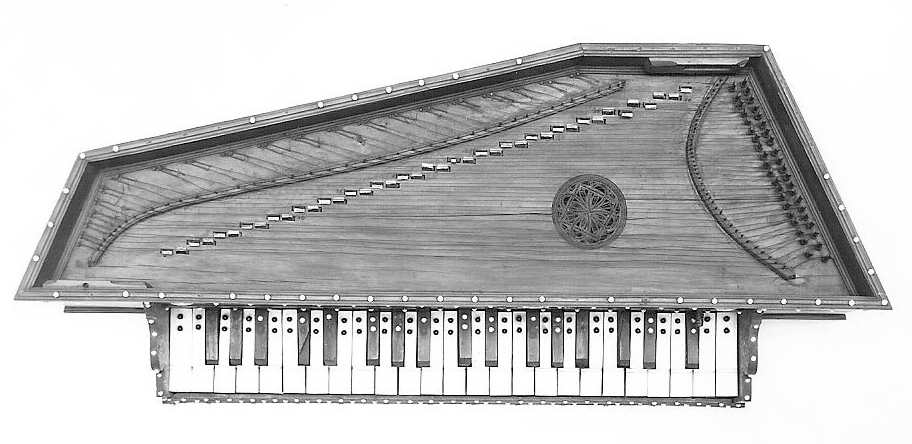
Figure 10: Franciscus Bonafinis (?), Virginal, converted into a tangent piano, Metropolitan Museum of Art, New York, 89.4.2765; <http://metmuseum.org/art/collection/search/505225> (accessed on 27 February 2025).
Just like countless pictorial and written sources, instruments from the 16th century have also been lost to wars, Reformation-era iconoclasm, uprisings, and neglect. Attractive decoration may, however, have saved certain instruments from total loss. Some lids thus survived their instruments, as demonstrated by a number of instrument-less lids now on display in art galleries. One cannot assume that the artistic quality of their decoration allows conclusions to be drawn about the majority of the instruments that originally existed. They were also often reworked in such a way that their original purpose was no longer recognizable. Sometimes this was done by simply cutting them down, as in the case of a lid, probably painted by Girolamo Romanino around 1540, which is now stored – trimmed – like a panel painting atLondon’s National Gallery under the title Pegasus and the Muses (Fig. 11). It shows the winged horse Pegasus stamping its hoof on Mount Helicon and giving rise to the spring known as the Hippocrene (Horse’s Fountain), a source of artistic inspiration. In the foreground, the muses – accompanied by three gentlemen – play instruments and sing. On the right in the background, the Pieridae are transforming into magpies, as in Ovid’s Metamorphoses, IV 662–78. The clothing and the architecture in the background place this painting in Lombardy during the 1540s and resemble Romanino’s murals in the Palazzo Salvadego in Brescia from 1543. On the back of the panel, remnants of a coat of arms are still visible, as was common on the front lids of harpsichords or virginals. Traces of hinges etc. are missing, as the panel has been trimmed at the top and sides.28
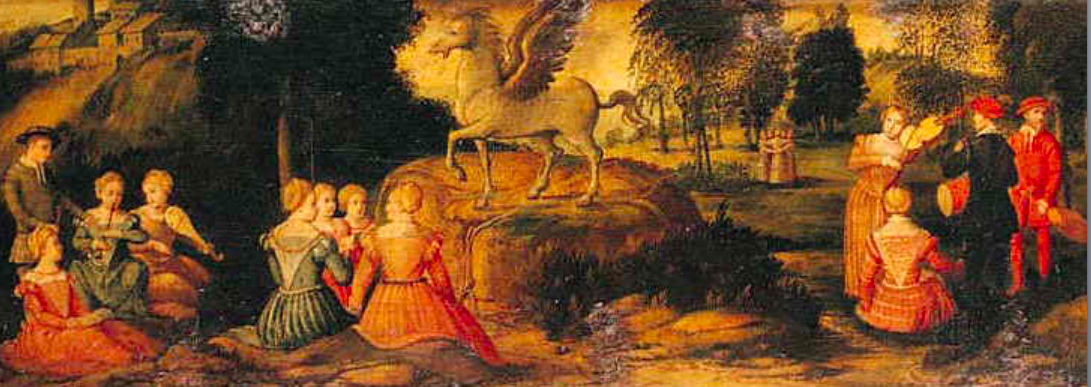
Figure 11: Girolamo Romanino, Pegasus and the Muses, 1540, oil/wood, 38 x 115.4 cm, National Gallery, London, NG3093; <https://www.nationalgallery.org.uk/paintings/possibly-by-girolamo-romanino-pegasus-and-the-muses> (accessed on 4 March 2025).
The lid painting Silenus Gathering Grapes fromthe hand of Annibale (and presumably Agostino)29 Carracci (Figs. 12–14) likewise survived its instrument and was already viewed as a work of art in 1664, as evidenced by its entry in a historical catalogue of works worth seeing in Rome:
Signori Lancellotti. Palazzo alli Coronari. Cortile fregiato di statue, e bassirilievi antichi; nel portico di sopra la statua di Diana Efesia, con pitture nelle camere, fra le quali un Cambalo [sic] dipinto a guazzo con Sileno portato a braccia da due fauni di mani di Annibale Carracci.30
(‘Mr. and Mrs. Lancellotti. Coronari Palace. Courtyard adorned with statues and ancient bas-reliefs; atop the portico a statue of Diana Ephesia; paintings in the rooms, including a harpsichord with Silenus carried by two fauns painted in gouache by Annibale Carracci.’)
The lid was even subsequently reworked into a panel painting: an old photograph shows how it had been cut up and mounted to form a rectangle. This modification was reversed in the 20th century, but a narrow intermediate piece between the two young satyrs is now missing as can be seen from the format and a drawing by Carracci (Figs. 14 and 43). Due to these changes, the value of this source is naturally diminished. Like the painting attributed to Lavinia Fontana, Apollo and the Muses (1589–1600, unknown private collection), or the painting by Sebastiano Ricci Venus Surrounded by Nymphes (1716–20, Louvre, M.I.866), several other harpsichord lids that have been ‘completed’ into rectangles are likely to be uncovered.
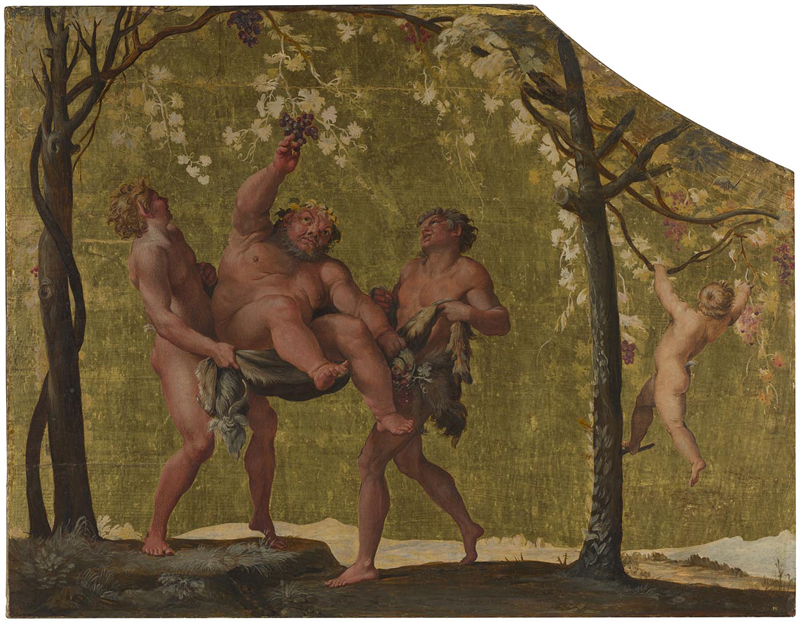
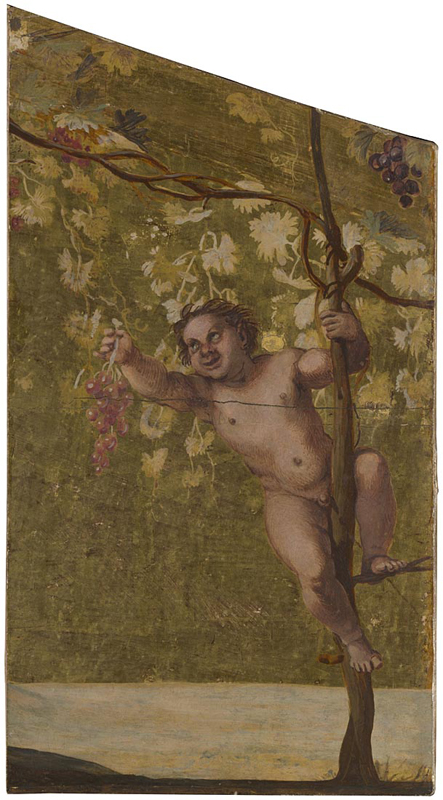
Figure 13: Annibale (and Agostino?) Carracci, Silenus Gathering Grapes, part 2, 1597–1600, oil/wood, 54.5 x 88.5 cm, National Gallery London, NG93.2; <https://www.nationalgallery.org.uk/paintings/annibale-carracci-young-satyr-gathering-grapes> (accessed on 4 March 2025).
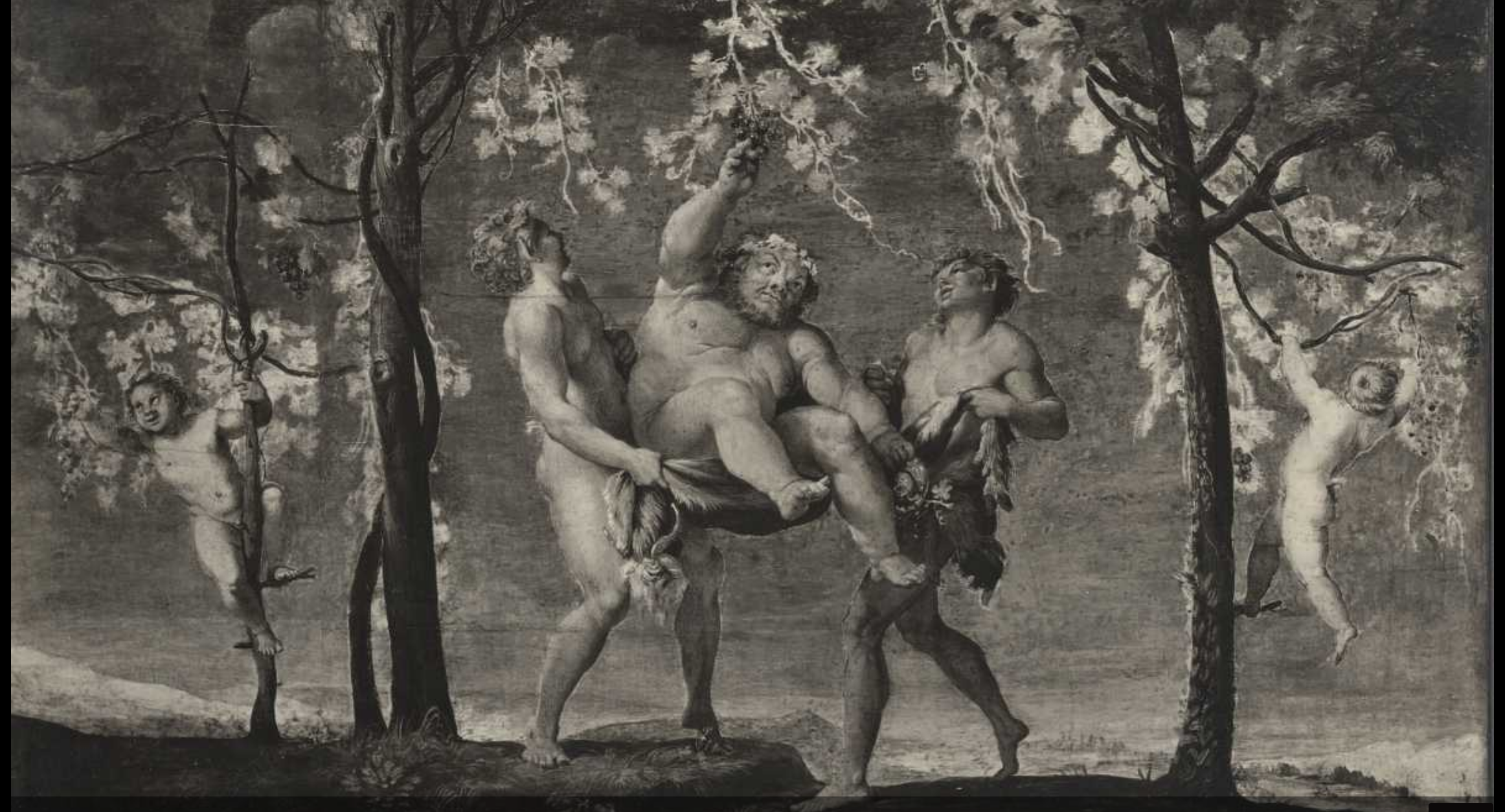
Figure 14: Annibale (and Agostino?) Carracci, Silenus Gathering Grapes, 1597–1600, photograph of its reworked state; <http://catalogo.fondazionezeri.unibo.it/scheda/fotografia/106921/National%20Gallery%252C%20London%25C2%25A0%25E2%2580%2594%25C2%25A0Carracci%20Annibale%20-%20sec.%20XVI%20XVII%20-%20Sileno%20coglie%20grappoli%20d%2527uva> (accessed on 4 March 2025).
Rectangular lids did not necessarily have to be trimmed to be considered panel paintings, but their original purpose was concealed by other measures. Consider, for instance, the work Venetian Dancers with Commedia dell Arte Troupe (Fig. 15), found as a painting at the Suermondt-Ludwig-Museum in Aachen. The painting depicts the ‘Parentado’, a dance festival that traditionally took place in Venice in the late 16th century a few days before a wedding. The scene, featuring gondolas and a Commedia dell’Arte troupe, evokes a Venetian atmosphere, but is based on a copperplate engraving by Hendrik Goltzius from 1584, once again highlighting supraregional artistic exchange. A comprehensive restoration project was what first revealed this panel’s original function as a harpsichord’s lid flap. A filled-in hole for the cord, the overpainted ornaments found on the back (much like in the Ruckers harpsichord of 1612, now in Paris at the Musée de la Musique), the poplar panel, traces of the originally glued-on frame and hinges, and last but not least its dimensions are clear indicators. This lid survived due to the high quality of its painting, which was originally thought to be the work of Hieronymus Franken I but is now attributed to his nephew, Hieronymus Franken II.31
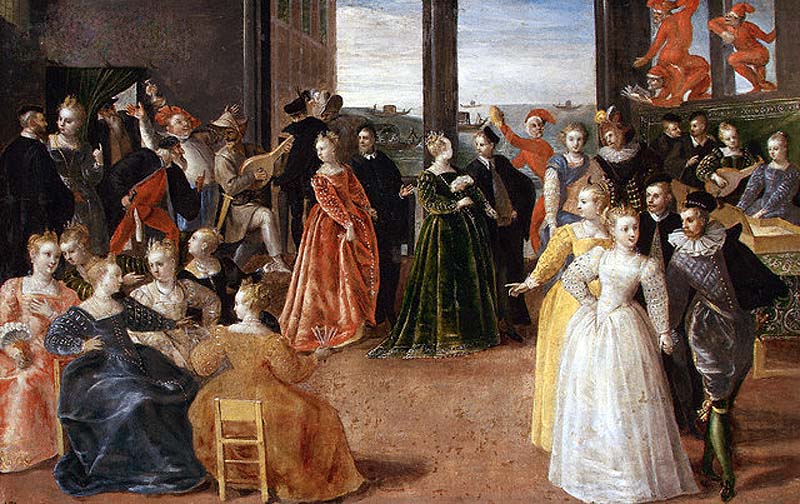
Figure 15: Hieronymus Francken II (?), Venetian Dancers with Commedia dell Arte Troupe, c. 1600, oil/wood, 41.2 x 64.7 cm, Suermondt-Ludwig-Museum Aachen, GK 159; <https://commons.wikimedia.org/wiki/File:Hieronymus_Francken_I_-_Carnival_in_Venice.jpg#file> (accessed on 4 March 2025).
The painting The Contest between Apollo and Pan by Bartholomäus Spranger (Fig. 16) is a further example. The museum catalogue and some recent literature32 describe it as a panel painting, although the description in the museum and an exhibition catalogue33 indicate its initial purpose as an instrument lid. The theme almost exceeds the given format, which is determined by its original use, due to its mannerist, figurative, and dynamic representation. Also the support (wood), the subject, and the traces of nail holes – presumably from the hinge – clearly indicate the painting’s instrumental origin.34 However, like other similar objects,35 this high-quality lid is a source of limited informative value, as too many aspects remain unclear – the client, builder, decorative concept of the entire instrument, etc.
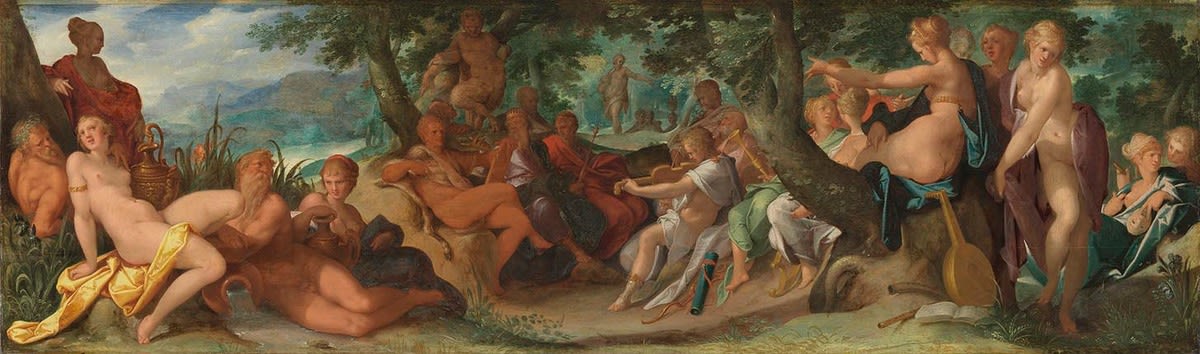
Figure 16: Bartholomäus Spranger, Contest between Apollo and Pan, c. 1587, oil/wood, 39.8 x 132.5 cm, Bayerische Staatsgemäldesammlungen (on permanent loan to the Germanisches Nationalmuseum Nuremberg, Gm 1100); <https://www.sammlung.pinakothek.de/en/artwork/jpxeyknxJ7> (accessed on 4 March 2025).
Representation and Projection
Why were instruments decorated? As an ‘upmarket piece of furniture’, a keyboard instrument was particularly well suited as a display object and projection surface. The especially pronounced desire for ornamentation and the need for representation documented in the 16th century were certainly motives for decoration. (Here, I use representation [Repräsentation] in the specific sense of generating an external effect that befits and projects an elevated socio-economic status.) An ornate instrument most assuredly did not serve only music-making but was also part of the ‘lifestyle’ of some members of the upper class – and, as such, became a prestigious collector’s item. It was accordingly that, in 1554, Sabba da Castiglione’s instructional text for his nephew expressly recommended that he decorate his home with musical instruments ‘come organi, claocimbali [sic], monocordi, salteri, arpe, dolcimeli’ (‘such as organs, harpsichords, clavichords, salterios, harps, dolcimeli’) as well as plucked, stringed, and wind instruments, ‘perche questi tali instrumenti dilettano molto alle orecchie, et ricreano molto gli animi […] ancora piacciono assai all’occhio, quando sono diligentemente et per mano di eccellenti et ingegniosi maestri lavorati’ (‘for these instruments greatly delight the ears and restore the soul […] as well as greatly please the eye if they have been diligently crafted by the hands of excellent and ingenious masters’).36 This text goes on to mention the instrument makers Bastiano da Verona37 as well as Lorenzo da Pavia Gusnaschi, a friend of Leonardo da Vinci and highly respected at that time, who built a large harpsichord for Pope Leo X in 1514.38
It can be assumed that unadorned and plainly painted instruments outnumbered the decorated ones. But a client could, depending on his financial resources, commission decorations that would draw attention to his wealth or deep humanistic knowledge, his modern spirit, or his lifestyle, thus enhancing his image – his prestige. Decorating instruments was therefore consistent with the contemporary aristocratic and wealthy bourgeois practice of collecting rare objects and curiosities and displaying them in lavishly decorated display furniture (Kabinettschränke) or in ‘cabinets of curiosities’ (Kunstkammern or Wunderkammern).
As Erik Forssman has observed, that era’s art of decoration was not an end in itself and cannot be understood in purely material terms; it much rather expressed the attitude of the client and the artisan as well as the dignity of the object.39 Musical instruments were hence decorated not merely for the purpose of material appreciation and ‘prettification’ but also in order to lend them dignity and ‘elevate’ them through exquisite features. This is how it had always been: the Bible describes how King Solomon sent for precious ‘Almug wood’40 from the legendary land of Ophir for the purpose of making musical instruments.41 Ovid, in turn, tells us in his Metamorphoses that the lyre of Apollo was ‘richly inlaid with jewels and Indian ivory’.42 One could easily cite more such quotations. Many, like the one from Sabba da Castiglione above, emphasize the connection between the quality of the instrument and the pleasure it gives to the ears as well as to the eyes and the soul. Marin Mersenne’s assertion that ‘the eyes should participate in the pleasure of the ears’ is likewise well known.43
The Italian instruments that survive from this period fulfil this requirement mainly via the quality and beauty of their materials as well as the quantity, refinement, and originality of their ornamental decoration. An example of this is the octave virginal commissioned by Eleonora della Rovere, Duchess of Urbino, and built in Venice in 1540, which is now in the Metropolitan Museum of Art, New York (Fig. 17). The front panel of the instrument advises: ‘Riccho son d’oro et riccho son di suono non mi sonar si tu non ha del buono’ (‘I’m rich in gold and rich in tone; if you lack virtue, leave me alone’).44 Taken together, the opulence of the decoration and the inscription’s demand for inner moral integrity satisfy the aims of representation and projection, appearance and prestige.
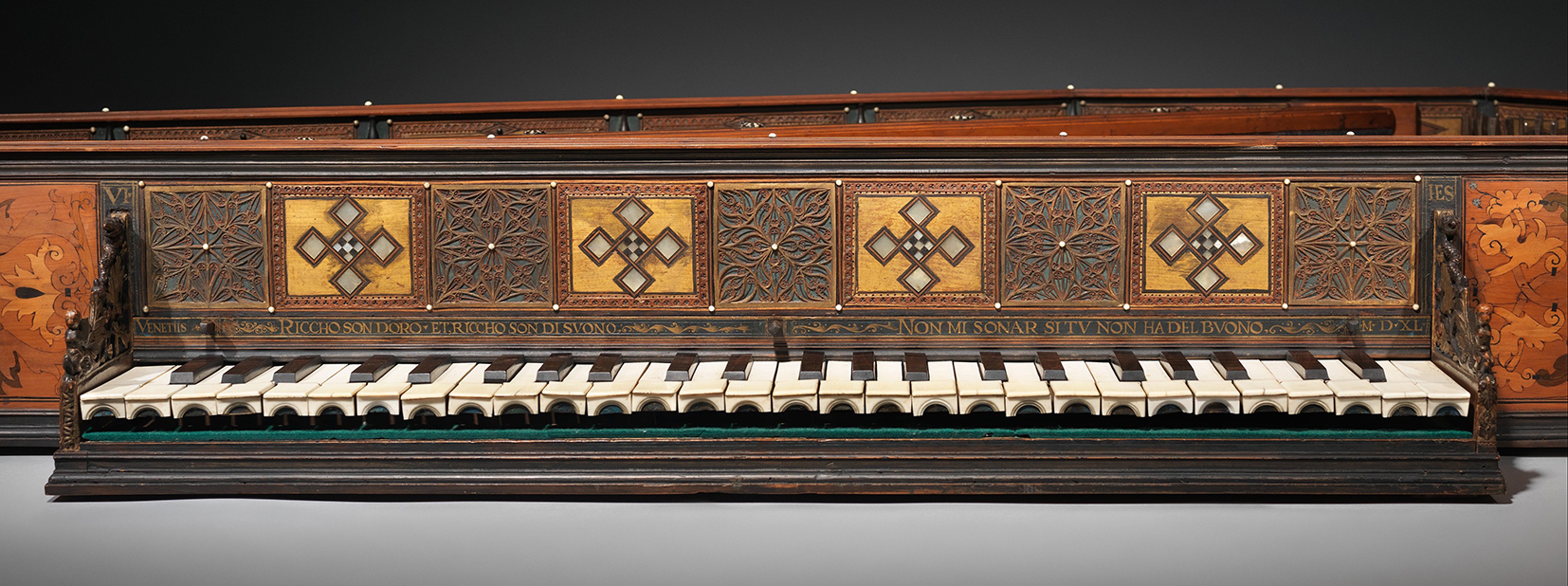
Figure 17: Anon., Octavo Virginal, 1540, Venice, Metropolitan Museum of Art, New York, 53.6a,b; <https://www.metmuseum.org/art/collection/search/503043> (accessed on 4 March 2025).
German instruments such as the South German Virginal (Augsburg?), 1595–1605, now at the Berlin Musical Instrument Museum (Fig. 18),45 likewise demonstrate this relationship between artisanship, material, and message. The ornamentation itself, with its exceptionally opulent inlays, becomes the subject of the image here: appearing at first glance like parts of a machine, the scrollwork portrays an ancient-seeming and positively surreal-looking city of ruins with pillars, sarcophagi, and other mysterious objects with tufts of stiff grass growing in between. This type of ornamentation was a mannerist development of scrollwork46 and can be traced back to engraving templates for Lorenz Stöer’s somewhat earlier publication Geometrie et Perspectiva (Augsburg, 1567) (Fig. 19), hence documenting the relationship between furniture and instrument decoration. At the centre of the lid, an outsized chalice points to a possibly sacred intended use of this instrument, which was once part of a claviorganum. While this particular instrument links a sacred dimension with a humanist reception of antiquity that employs the most modern ornaments, other quite similarly decorated instruments attest more to the need for worldly representation – being built directly into the woodwork of precious cabinets of curiosities and thus quite overtly becoming elements of staged settings.47
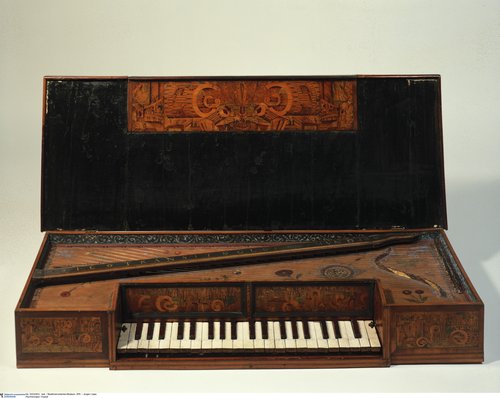
Figure 18: Anon., Virginal, 1595–1605, Augsburg?, Staatliches Institut für Musikforschung, Musikinstrumenten Museum Berlin, 2217; <https://smb.museum-digital.de/singleimage?resourcenr=582405> (accessed on 4 March 2025).
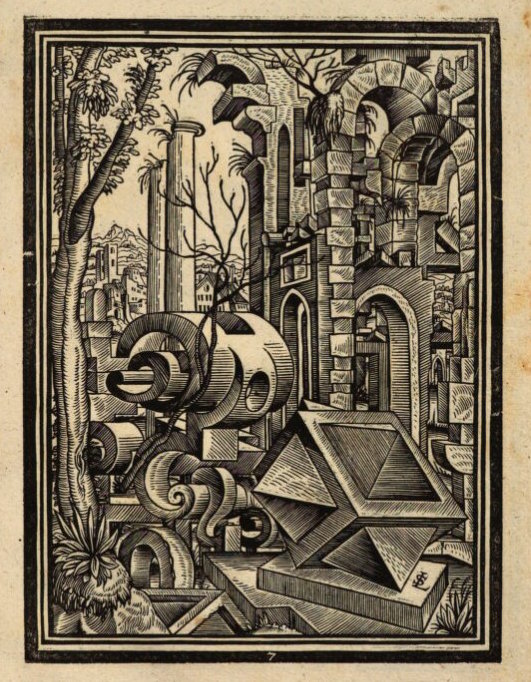
Figure 19: Lorenz Stöer, Geometria et Perspectiva (Augsburg: Hans Rogel d. Ä., 1567) (VD16 S 9209), fol. [7r]; <https://mdz-nbn-resolving.de/details:bsb11216116> (accessed 4 March 2025).
Even instruments obviously designed as showpieces harbour deeper messages. The so-called Glass Virginal of c. 1600, probably produced in the court workshop of either Ambras or Nuremberg and now at London’s Victoria and Albert Museum,48 is such an instrument, being immediately recognisable as a representational object on account of its decoration with coloured glass, enamel, brass, and so on (Fig. 20). Eighteen small panels of coloured glass depict scenes from Ovid’s Metamorphoses in high relief, uniting the decoration beneath the idea of transformation and thus broadcasting the client’s humanist education. The visual opulence of the elaborate, high-quality craftsmanship here is, moreover, an expression of the Age of Wonder (Zeitalter des Staunens), in which the medieval understanding of materials’ appropriateness was overturned. Thomas Aquinas (1225–74) held that every artist should strive to have an artwork be constituted in a manner appropriate to its purpose – for example, to make a saw out of iron and not out of glass, ‘though this be a more beautiful material, because this very beauty would be an obstacle to the end he has in view.’49 A soundboard covered with glass and spirals of brass wire was unlikely to have fulfilled this requirement. It was much rather designed to evoke the marvelling appreciation of artful imitation that Walther Hermann Ryff formulated in 1547 as follows:
Helffanbein und alle Edle gestein/ werden sie nit durch die höhe der farben und künstlich Malen/ höher und werder geachtet gehalten und gezieret? Wird nit auch das Goldt so künstlich gemalet/ vil höher dan das rohe Goldt geachtet?50
(‘Ivory and all gemstones – are they not held in higher and greater esteem when rendered in quality paints by a skilful artist? Is gold not also, if skilfully painted, thought of more highly than natural gold?’).
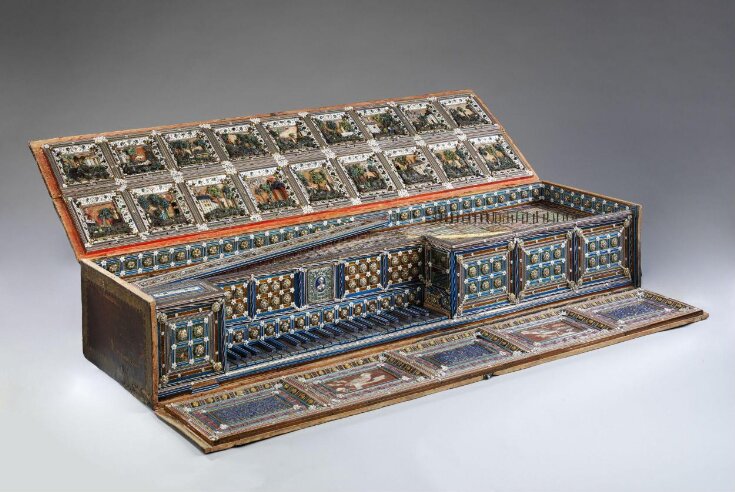
Figure 20: Anon., The Glass Virginal,c. 1600, Victoria and Albert Museum, 402-1872; <https://collections.vam.ac.uk/item/O58892/the-glass-virginal-virginal-unknown/> (accessed on 4 March 2025).
Many lid paintings also combine the two functions of representation and projection. For example, Ioannes Ruckers’ double virginal, c. 1600, now at the Museo Civico di Milano (Fig. 21), portrays an idealised scene in which leisure time is spent hunting and boating in contemplative tranquillity.51 The ‘rich and beautiful’ present themselves here in a generously proportioned landscape featuring a palace, elements of a formal garden, and ‘natural nature’ with a deer hunt on the opposite side of the little river. Typical markers of well-being such as the large four-legged wine cooler and the elegant sighthounds are complemented by a virginal richly decorated with an Orpheus scene. The instrument occupies a dominant position in a rose-covered pavilion and is being played by one of the ladies of the pictured group. This painting projects several things at the same time: a high standard of education with the reference to ancient mythology, a longing for ‘Arcadia’, a love of music, and self-staging as modern, elegant people of their era. In this undoubtedly imagined veduta, a perfect moment from that day’s ideal world is projected onto the lid of a virginal – which, in turn, conveys that perfect moment to the listener-viewer.
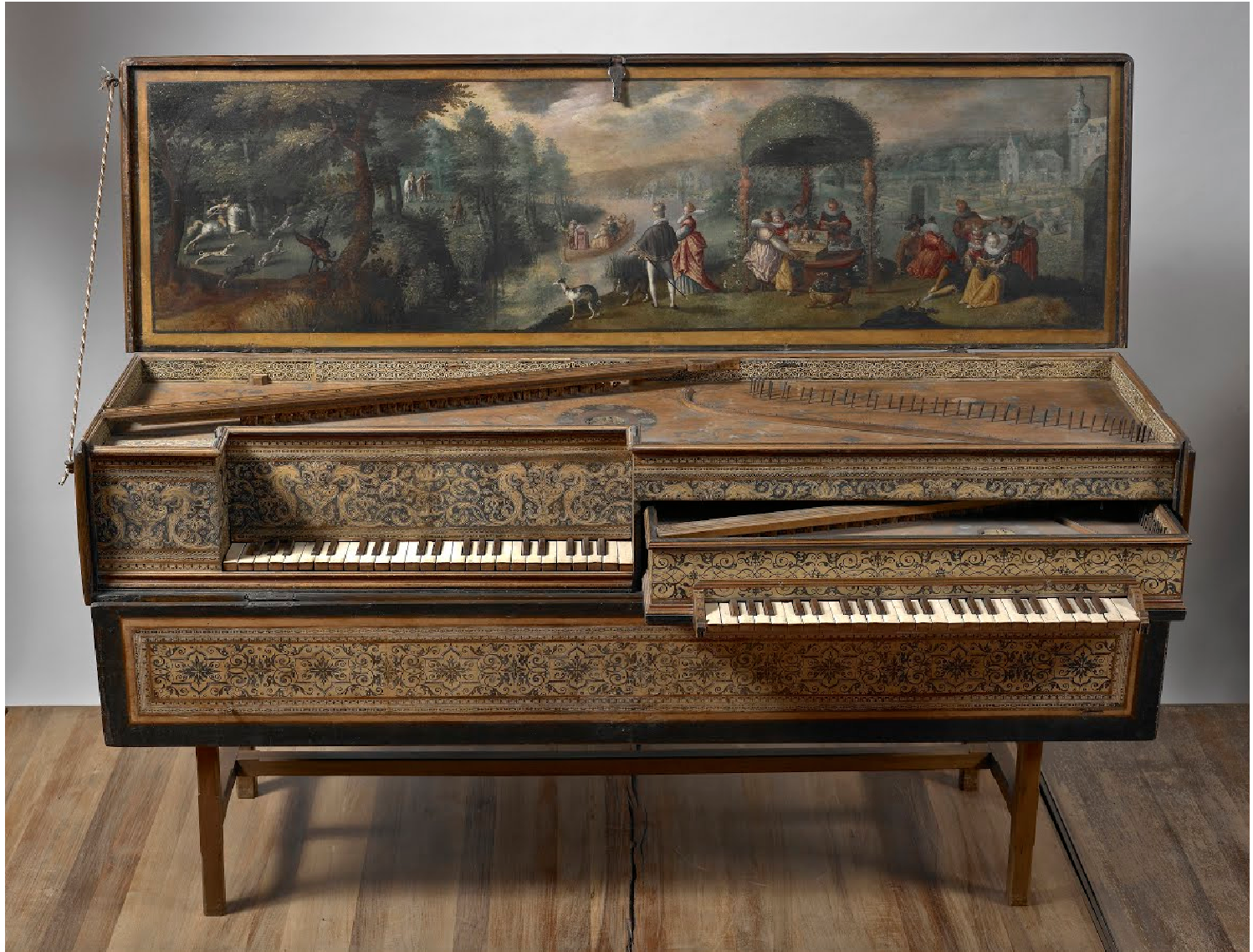
Figure 21: Ioannes Ruckers, Double Virginal, c. 1600, Comune di Milano – Museo degli Strumenti Musicali, 595; <https://g.co/arts/Z5DcBk9cxxgFDrDCA> (accessed on 4 March 2025).
The dual levels of representation and projection on which these paintings operate are particularly clear in Hans Ruckers the Elder’s double virginal of 1581, now at the Metropolitan Museum of Art in New York (Fig. 22). The lid painting projects all the topoi of an ideal world.52 A combination of garden pavilions, an arbour of blooming roses, a Renaissance palace, and a bridge over a little river establishes the congenial setting. Thirty-six people pursue their pleasures, mainly in pairs: music-making, dancing, sport, boating, walking, and outdoor dining. Three uniformed fanfare-players indicate the company’s high rank, as do the walled menagerie in the background, the Spanish fashion (with ruff, headdress, and rapier), and the depicted people’s conspicuously graceful gestures. Legend has it that this instrument was sent to the New World as a gift from the Spanish King Philip II and his fourth wife, Anne of Austria.53 However, this version of events has occasionally been doubted by researchers. The gilded medallions with portraits of the royal couple on the nameboard are based on designs by Gianpaolo Poggini (1518–82), whom Philip II had commissioned to redesign the coinage of Flanders in 1557. Their relatively rough casting makes the story of a royal gift to a princess appear dubious.54 Whatever the case may have been, these portraits are either vehicles of self-representation or acts of homage to the royal couple on the part of their commissioner or simply an attribute of an elite society of the sort pictured on the lid. In addition, the medallions highlight the idealization of couple relationships as depicted in the painting and correspond to the construction of these paired instruments, which ‘not only represent the mother-child dualism but also the marital harmony of a man and a woman, with the octave coupling as a parallel to the difference between female and male voices.’55
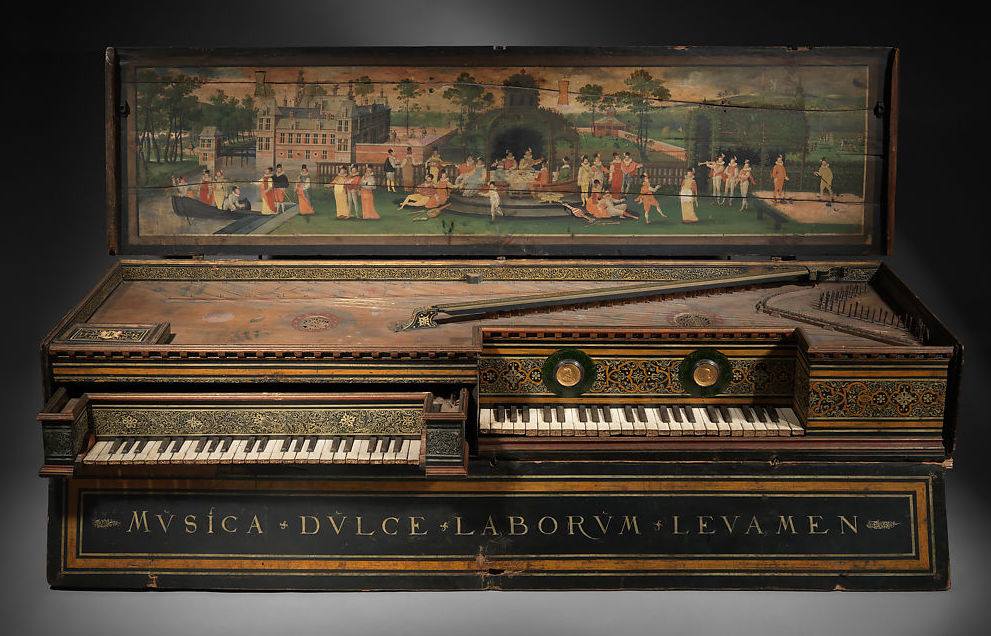
Figure 22: Hans Ruckers the Elder, Double Virginal, 1581, Metropolitan Museum of Art New York, 29.90; <https://www.metmuseum.org/art/collection/search/503676> (accessed on 4 March 2025).
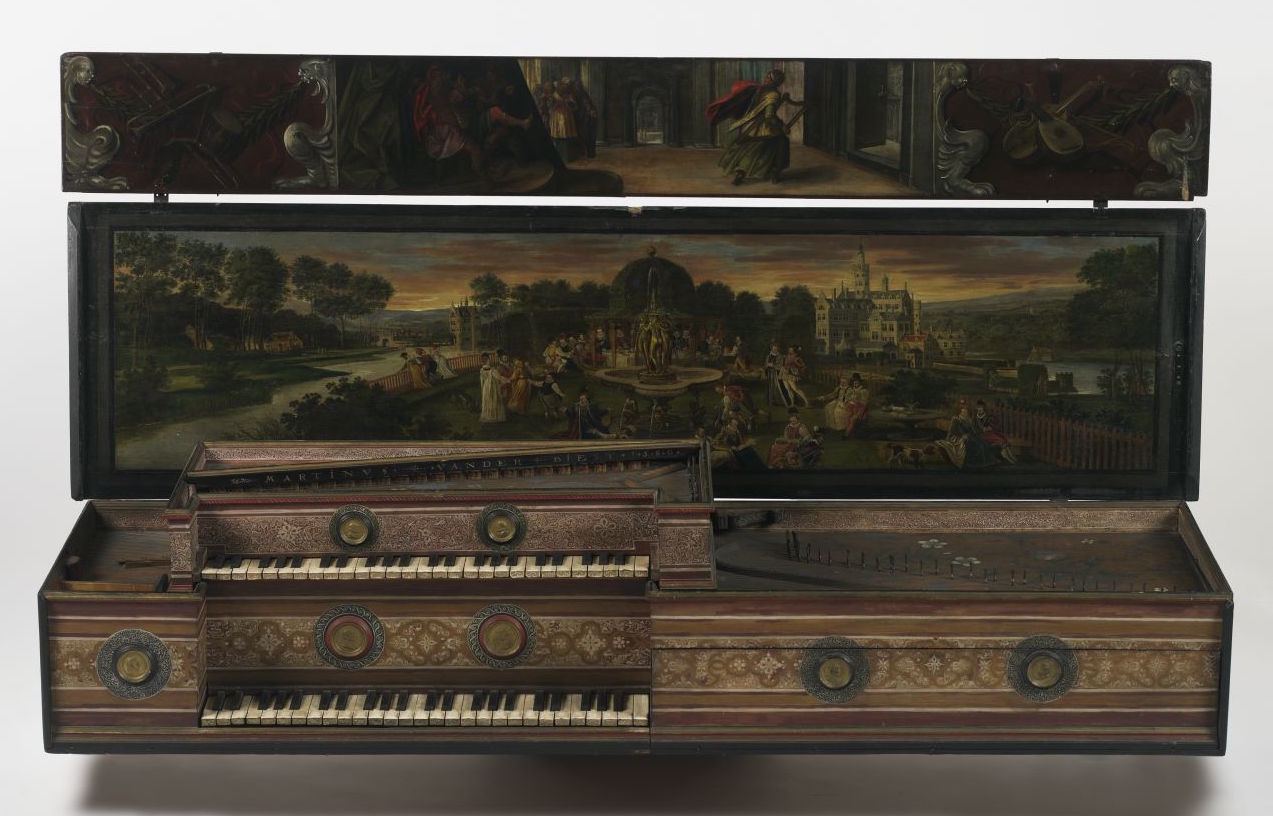
The decoration on Marten van der Biest’s double virginal (Fig. 23) is frequently compared with that of the abovementioned Ruckers instrument.56 It was probably commissioned by Alessandro Farnese, governor of the Spanish Netherlands. His portrait and those of six other aristocrats including his uncle, Philip II of Spain, are to be found on tokens mounted on the front board and surrounded by elaborate ornamentation. The absence of a portrait of Farnese’s wife Maria of Portugal (who had already died in 1578) in combination with both the motto ‘Espoir confoirte’ (‘Hope sustains’) on the inside of the lid flap and the painting on the lid, which can be interpreted as a ‘garden of love’ painting, indicates the decoration’s function – which goes far beyond mere representation. The painting on the lid suggests a seemingly free and life-affirming Flemish society, but the biblical theme on the lid flap – The Obsessed Saul Pursues David 57 – stems from a religious and spiritual sphere which, of course, still played a determining role in people’s lives during the 16th century.
Another facet of Flemish life, the image of the common people indulging in wine, games, and dance, can be found on the virginal by Johannes Grouwels, c. 1580, at the Musical Instruments Museum in Brussels (Fig. 24). This depiction likewise imagines an idealised segment of reality, which cannot have been nearly so light-hearted amidst the upheavals of the Eighty Years’ War and the attendant religious and political struggles. The scene, painted in grisaille and rich in detail, clearly depicts the exuberant hustle and bustle on St. George’s Day – which, in Flanders and elsewhere, marked the transition from winter to spring and was traditionally celebrated with large fairs. In the background, against a backdrop of typical Flemish buildings, a St. George’s ritual can be seen with a performer in the role of the saint fighting against a wooden dragon. The dragon is meant as a symbol of winter and evil. Grouped around a tree in the foreground is a moral admonition concerning various vices that are explored in numerous topoi: drunkenness, gluttony, quarrelsomeness, lust, gambling. Pieter Balten, David Tenier the Younger, and especially Pieter Brueghel the Elder, Pieter Brueghel the Younger, and Jan Brueghel the Elder are known for their bawdy scenes set at St George’s Fair. Both the commissioner and the painter of this virginal from 1580 showed that they were familiar with the artistic standards of their time. Detailed depictions of village and patronal festivities were part of the popular genre of peasant and village life in the 16th and 17th centuries and probably hung primarily in the homes of wealthy people. It is in such a context that one must also view this virginal, whose lid painting not only reflects Flemish cultural idiosyncrasies but also unites traditional content with modern expressivity – for behind this projection of exuberant joie de vivre, a moralizing pointed finger lies hidden.
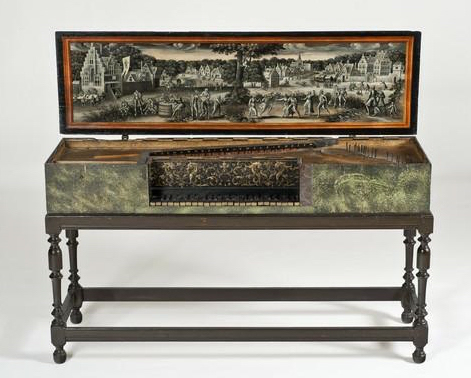
Figure 24 Johannes Grouwels, Virginal, c. 1580, Musical Instrument Museum, Brussels, 2929; <https://carmentis.be/eMP/eMuseumPlus?service=ExternalInterface&module=collection&objectId=106117&viewType=detailView> (accessed 4 March 2025).
Epochal Spillover
In my research, I have noticed again and again how certain patterns and motifs frequently form new ‘recompositions’ over the centuries. For this phenomenon, I would like to borrow a term from literature or historiography originally coined by Gregor von Rezzori: Epochenverschleppung.58 By this, he meant the ‘anachronistic spillover of elements of reality specific to one epoch into a following one’. Such elements do not all share the same inertia, with some persisting beyond their time and conveying a certain mood or ambience despite being functionally obsolete. For example, ancient gods and figures from Greco-Roman mythology continue to feature in works of art and entertainment of all kinds today. And in the context of the 16th century, this admixture of ancient and modern ingredients is among the striking phenomena in the realm of decoration. In instrument decoration, as well, the rapid adoption of new artistic innovations – above all scrollwork and strapwork, jewelled ornamentation, and the decorative cartouche – alongside references to the old repertory of forms is likewise remarkable. Moreover, there is evidence that instrument makers adopted even peripheral stylistic developments.
The claviorgan of the Antwerpian instrument maker Lodewjk Theewes, who worked in England beginning in 1579 (Figs. 25-6), is a typical example of such mixing of components from different artistic epochs. The oak case is painted in various colours, with its surface vertically divided by pilasters featuring gilded Ionic capitals – i.e., elements from the repertory of ancient forms. The marbled surfaces, however, are structured quite sculpturally with the newest strapwork and jewelled ornamentation. This new type of illusionistic strapwork with diamond rustication had been developed barely 20 years earlier by Cornelis Floris, disseminated by the Dutch painter Hans Vredeman de Vries, and one occasionally finds it transformed into compartmentalised patterns suggestive of cut jewels. On the inside of the instrument’s lid there is likewise a contemporary strapwork cartouche – which, however, contains a scene from the ancient Orpheus myth. Next to it are grotesque motifs and garlands of fruit, which had been incorporated into Renaissance art especially since the rediscovery of the ancient Domus Aurea in Rome at the end of the 15th century. The depictions of monkeys, on the other hand, are borrowed from playing cards designed by the contemporary Nuremberg artist Virgil Solis around 1550 (Fig. 27). It was thus that an individual design was synthesised from elements of different artistic periods, thereby taking into account both the humanistic educational canon and the modern need for representation.
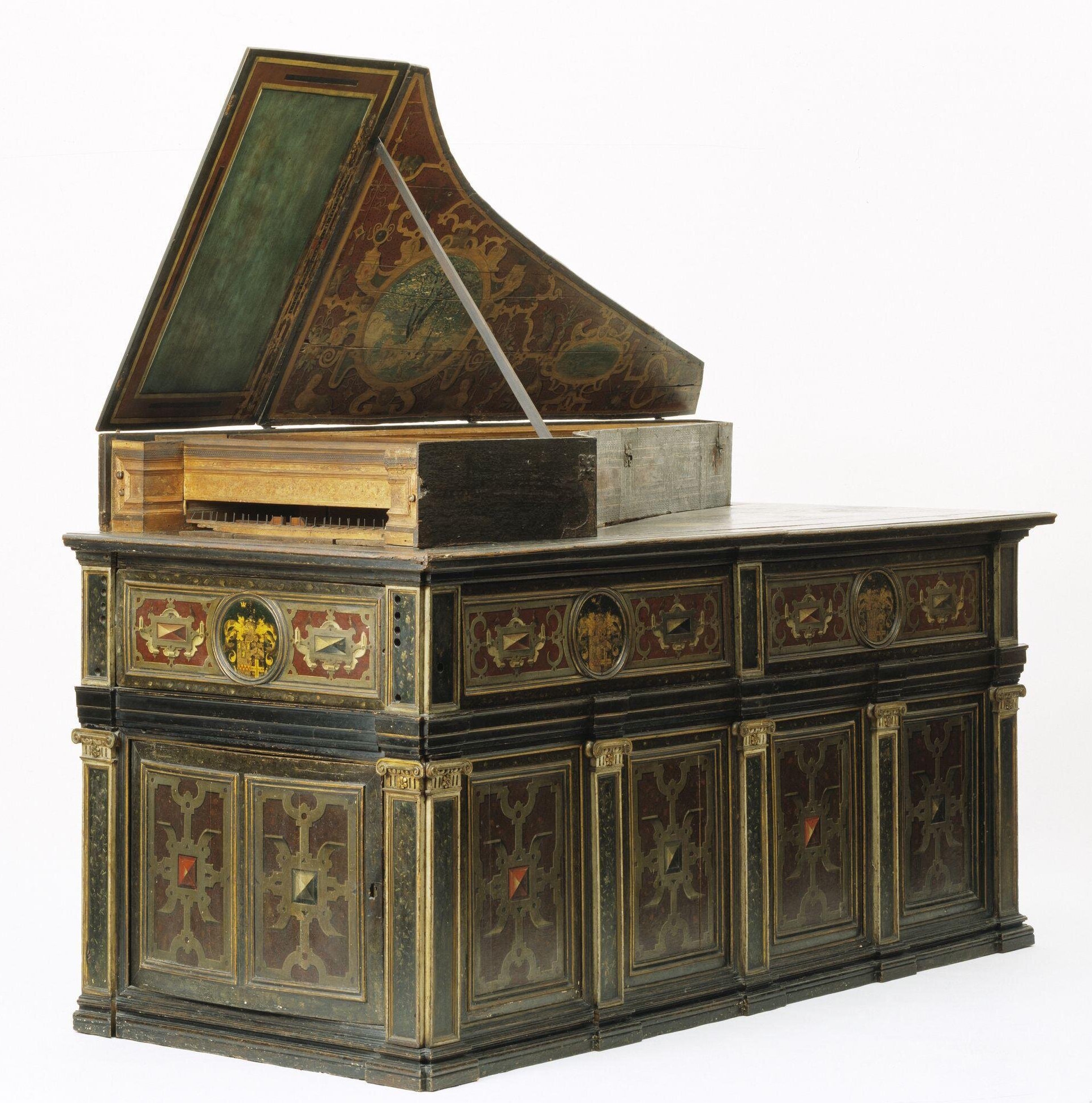
Fig. 25: Lodewjk Theewes, Claviorgan, 1579, Victoria and Albert Museum, 125EE-1890; <https://collections.vam.ac.uk/item/O60635/the-theewes-claviorgan-claviorgan-theewes-lodewyk/ – image 1> (accessed on 4 March 2025).
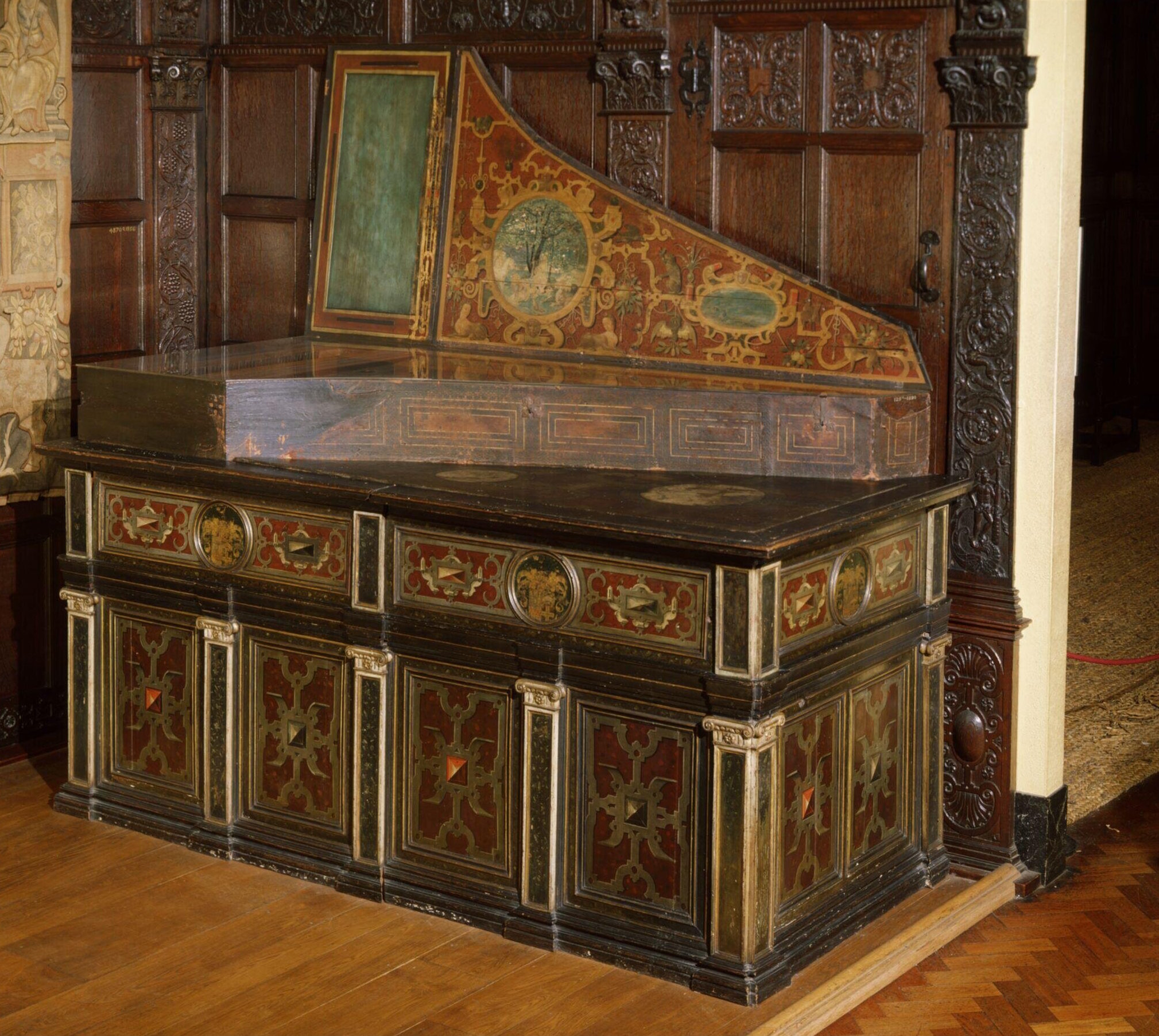
Figure 26: Lodewjk Theewes, Claviorgan, 1579, Victoria and Albert Museum, 125EE-1890, lid; <https://collections.vam.ac.uk/item/O60635/the-theewes-claviorgan-claviorgan-theewes-lodewyk/ – image 2> (accessed on 4 March 2025).
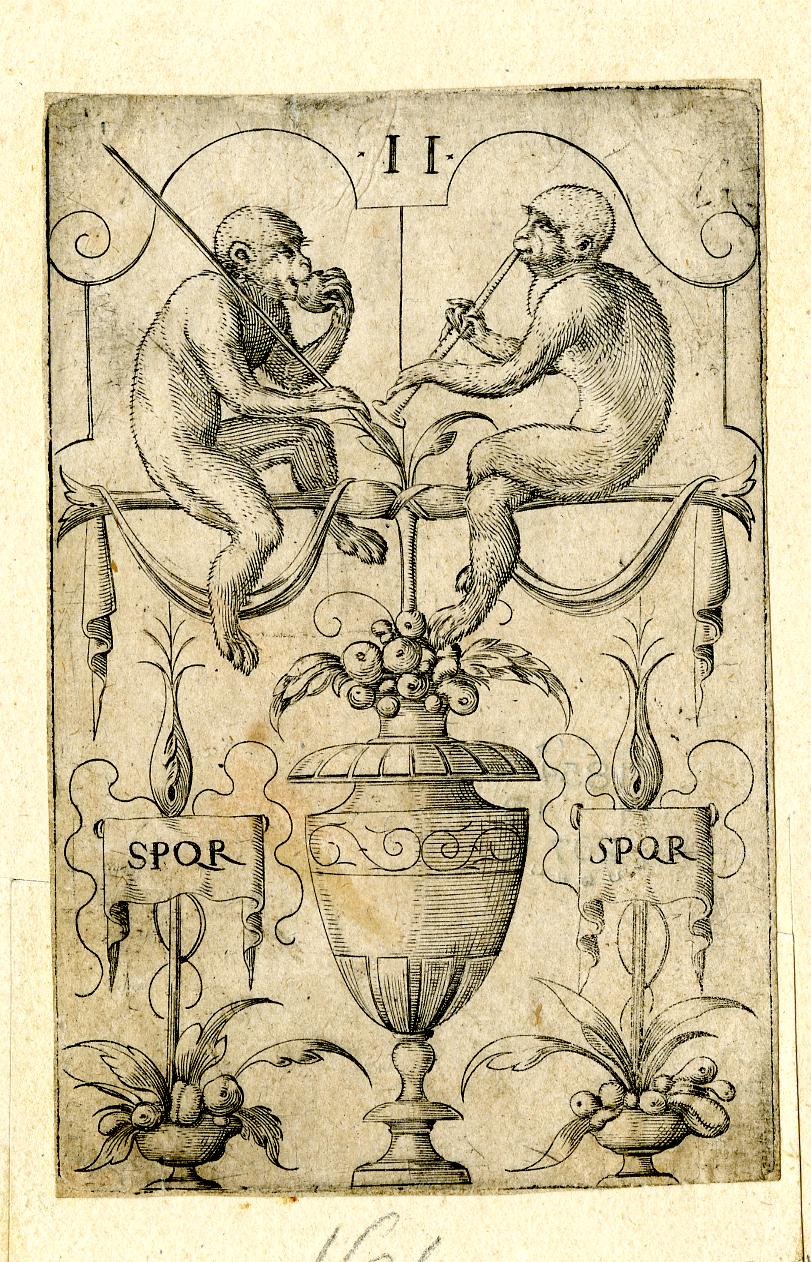
Figure 27 Virgil Solis, Playing Cards, Nuremberg c. 1550, etching/paper, 9.3 x 6 cm, British Museum London, 1854, 1113.207; <https://www.britishmuseum.org/collection/object/P_1854-1113-207> (accessed on 4 March 2025).
Decoration in the 16th century thus fed on numerous stylistic and textual sources, which were combined on instruments in every conceivable variation. These include elements of Gothic sacred art with trefoils and quatrefoils on the key fronts and rose, for example, as on the harpsichord by Vito Trasuntino from 1560 (Fig. 28), or with arabesques and mauresques from the Islamic style as seen on the virginals by Portalupi 1523 (Fig. 29) and Benedetto Floriani 1571 (Fig. 30); but they also include features from the stylistic repertoire of antiquity and its Renaissance revisions such as the bead and reel, dentils, acanthus leaves, friezes, pilasters, and capitals, as seen on the harpsichord by Giovanni Antonio Baffo in the Victoria and Albert Museum London (Fig. 31).
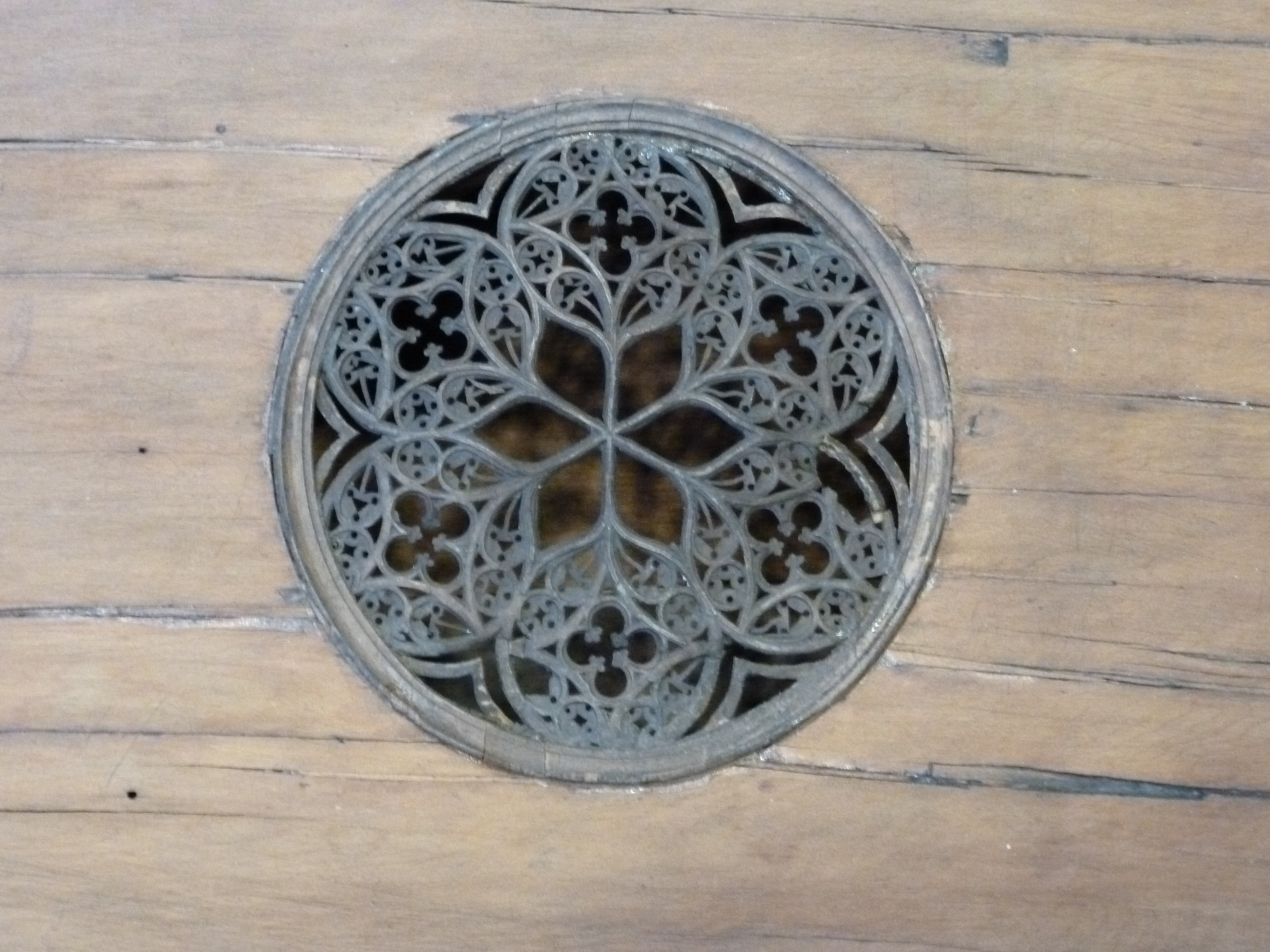
Figure 28: Vito Trasuntino, Harpsichord, 1560, Berlin Musical Instrument Museum, 806 (Photo: H. Pollerus).
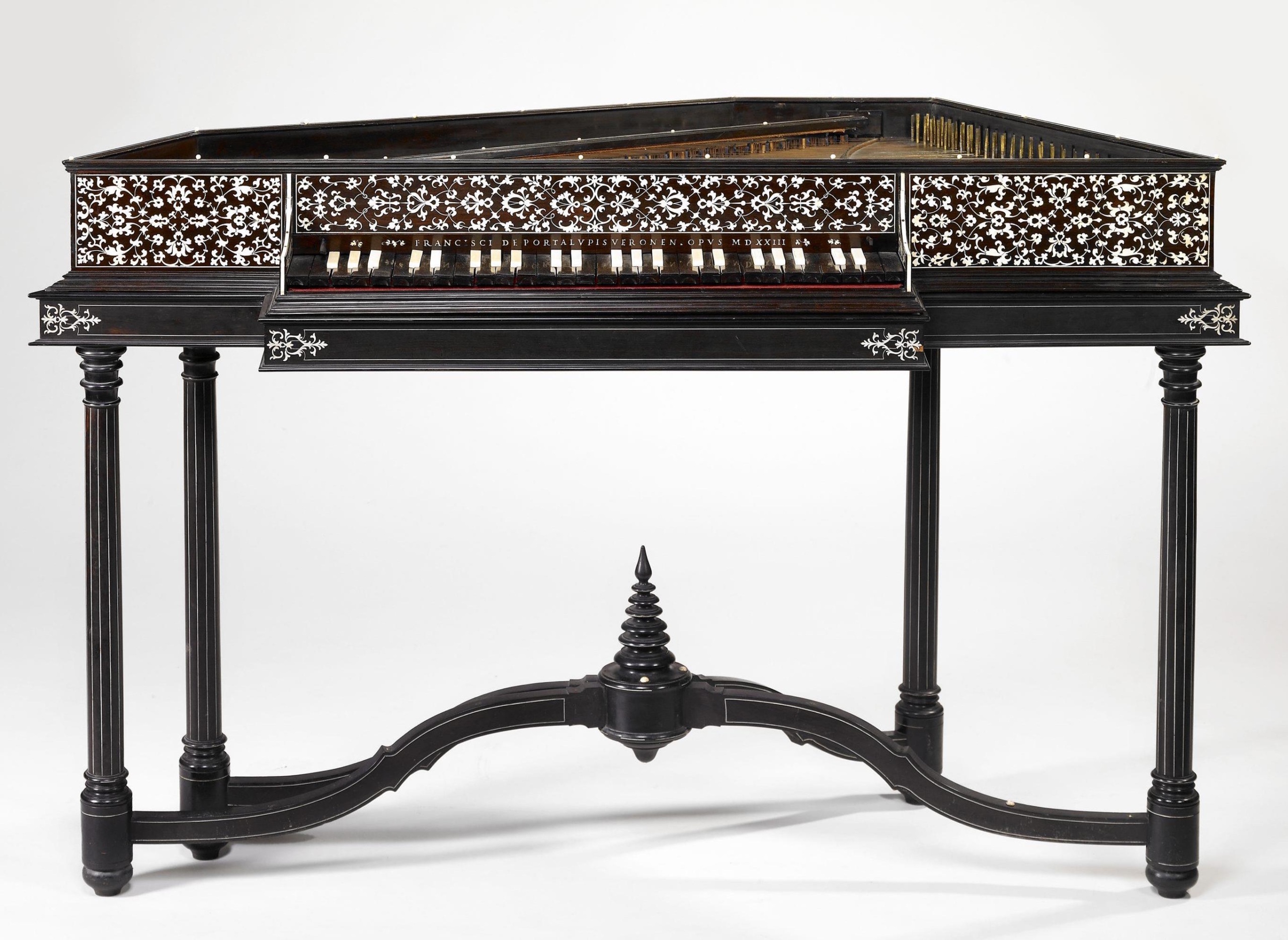
Figure 29: Francesco de Portalupi, Virginal, 1523, Musée de la Musique Paris, E.3/C.313; <https://collectionsdumusee.philharmoniedeparis.fr/doc/MUSEE/0130476> (accessed 4 March 2025).
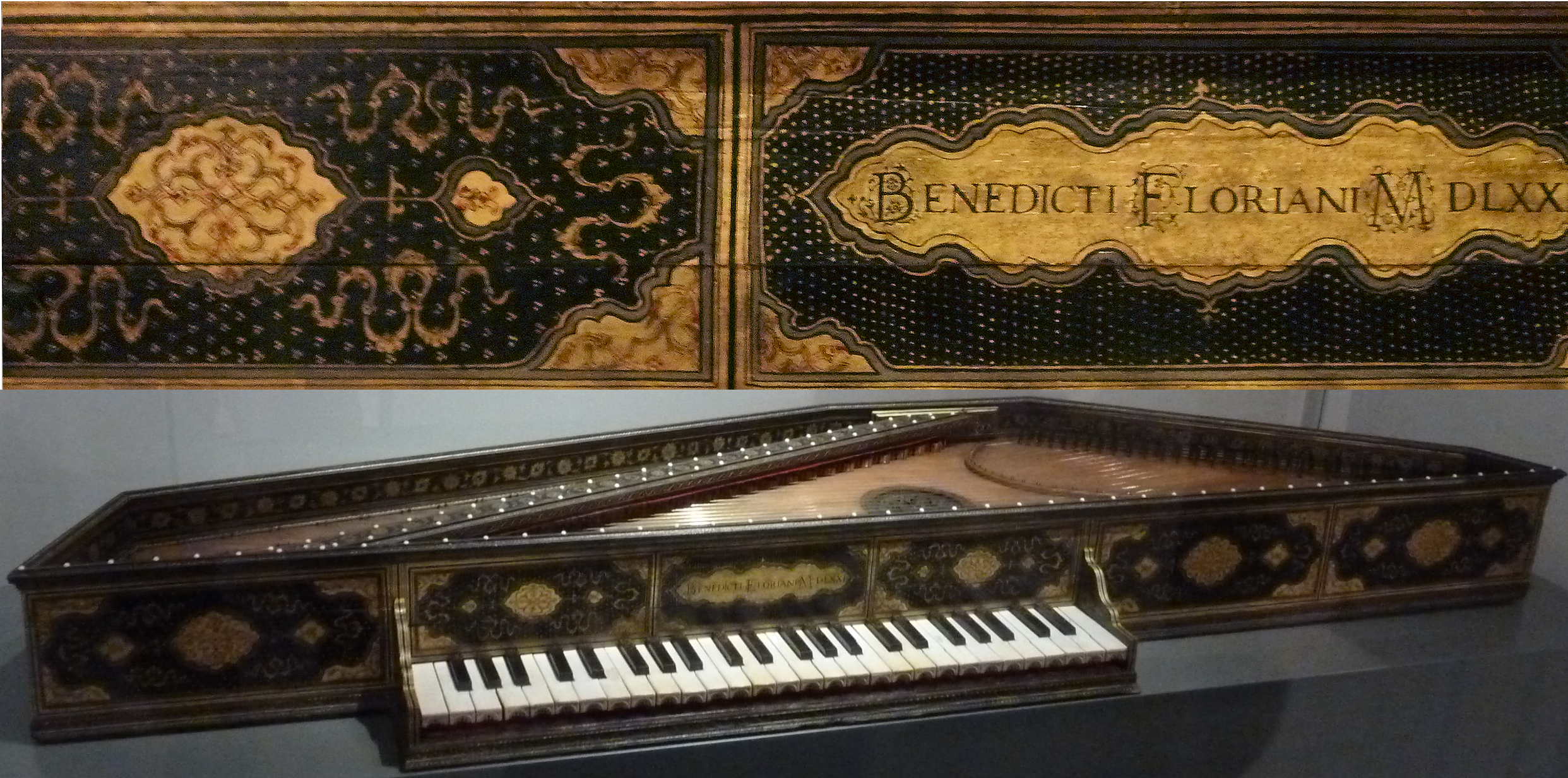
Figure 30: Benedetto Floriani, Virginal, 1571, Grassi Museum, Leipzig, 33 (Photo: H. Pollerus).
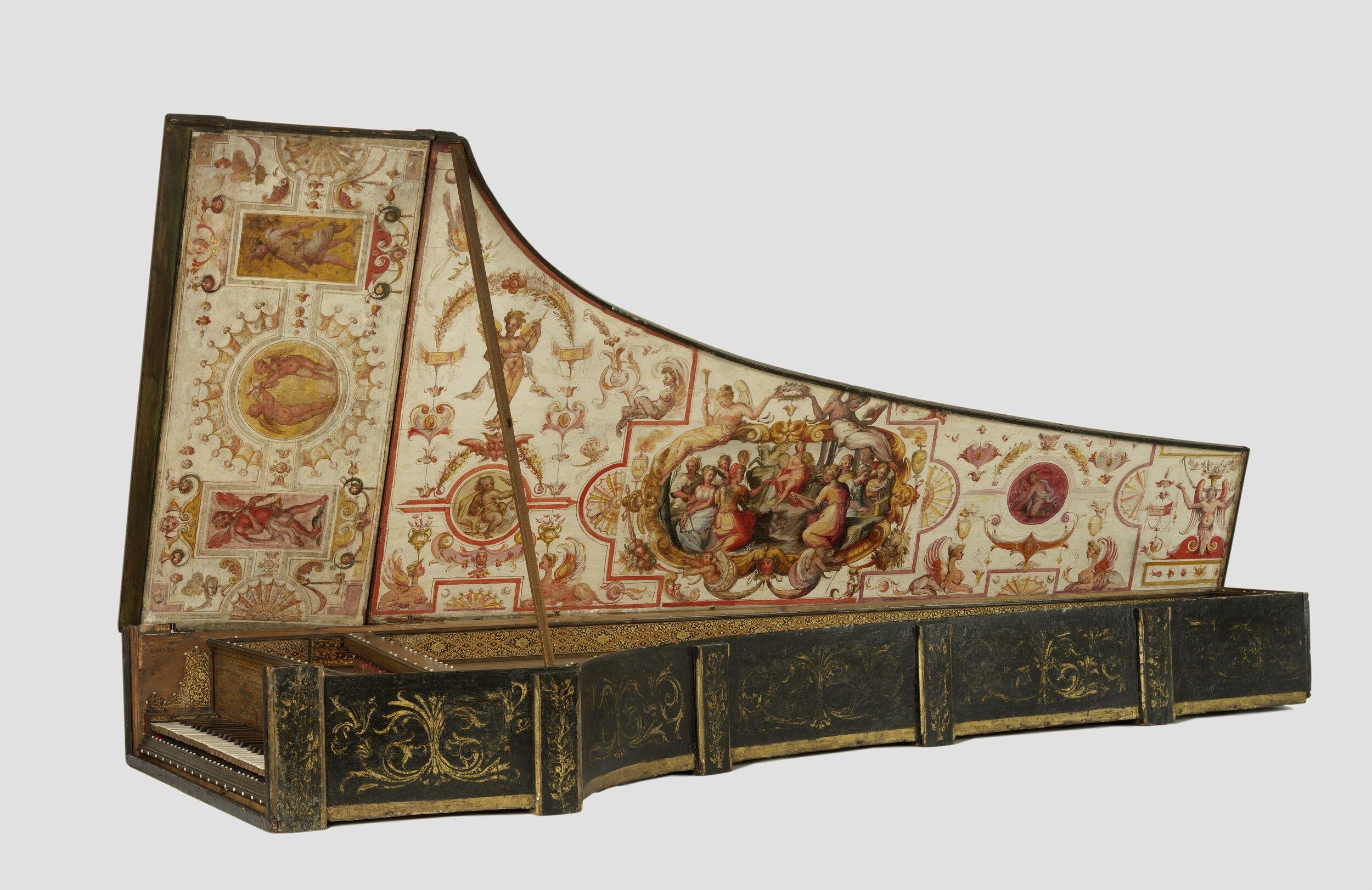
Figure 31: Giovanni Antonio Baffo, Harpsichord, 1574, Victoria and Albert Museum, 6007:1 to 3-1859; <https://collections.vam.ac.uk/item/O58982/baffo-harpsichord-harpsichord-baffo-giovanni-antonio/?carousel-image=2006AY2277> (accessed on 4 March 2025).
Techniques ranged from incrustation to trompe l’œil intarsia and from painting to carving, as on an Italian virginal of 1540 (Fig. 32) and the 16th-century Italian virginal at the Musée de la Musique in Paris (Fig. 33). Motifs were geometric, plant-like, and figurative, and all were possessed of a symbolic character – like, for example, the dolphin, which frequently appears in ornamentation and lid paintings and probably referred to Arion, the legendary singer and poet (7th century BC).59
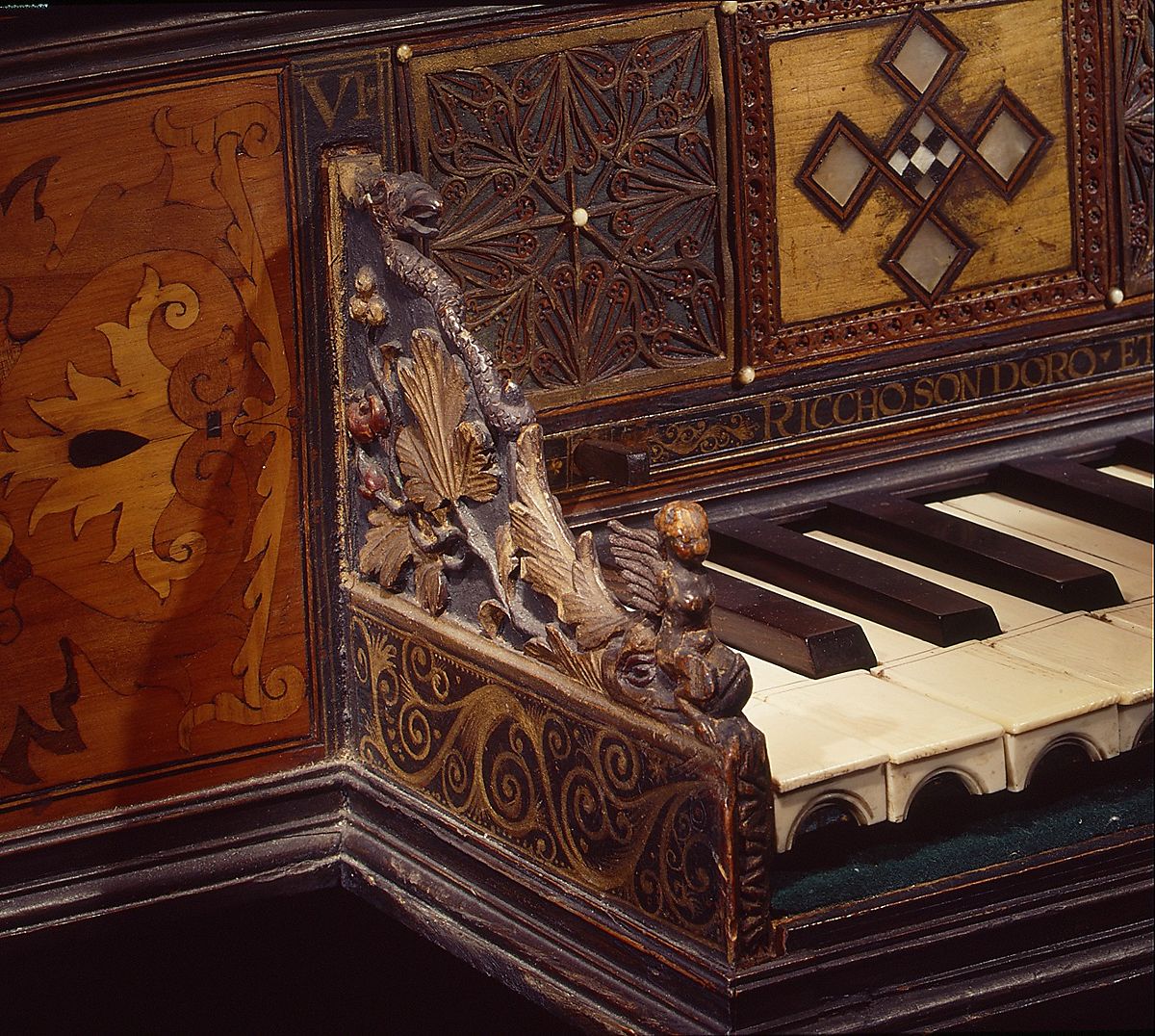
Figure 32: Anon., Virginal, 1540, Metropolitan Museum of Art, New York, 53.6a,b; <https://www.metmuseum.org/art/collection/search/503043> (accessed on 4 March 2025).
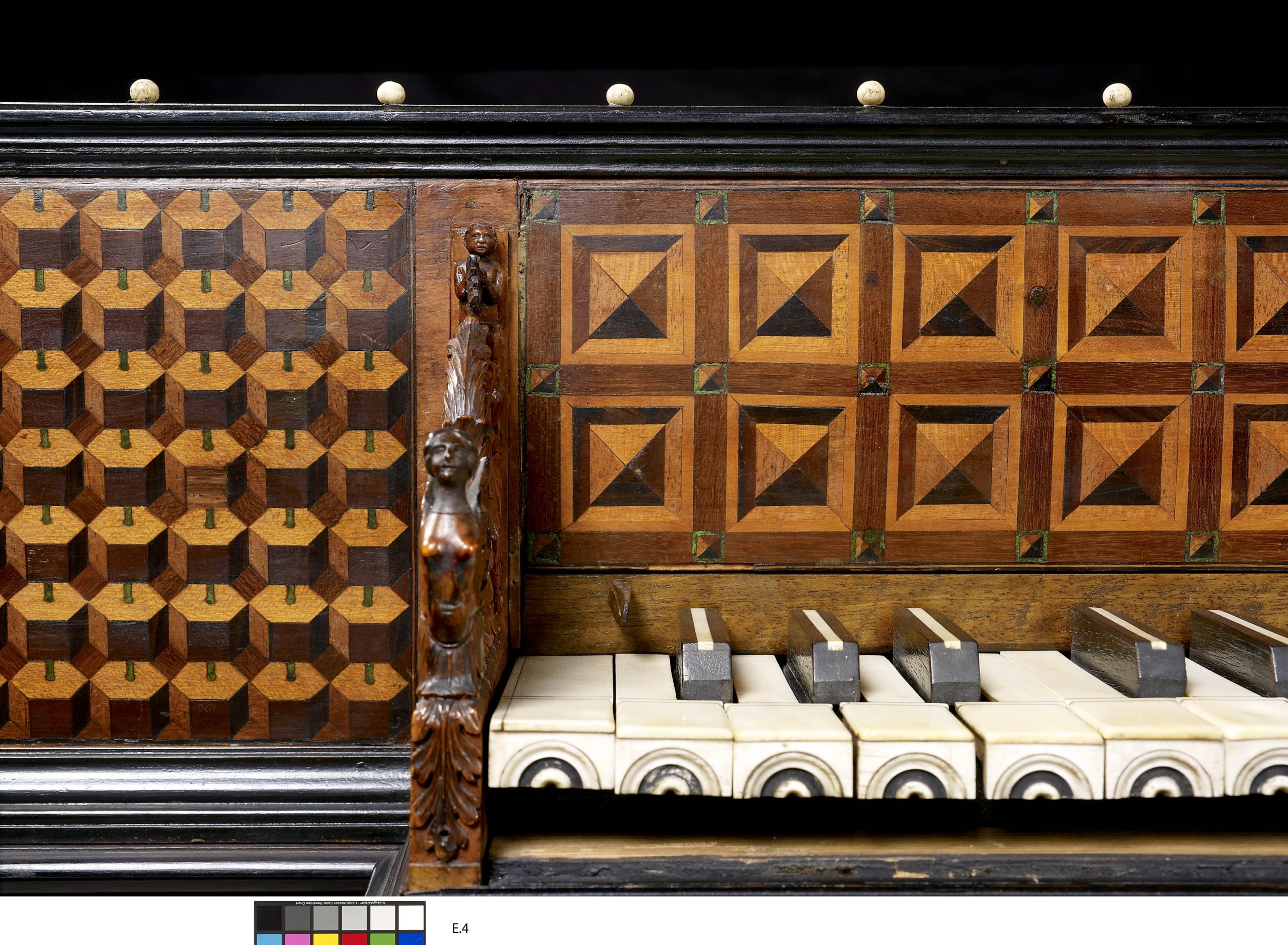
Figure 33: Anon., Virginal, 16th century, Musée de la Musique, Paris, E.4; <https://mimo-international.com/media/CM/IMAGE/CMIM000030589.jpg?_ga=2.265543375.1395436086.1658768689-146864436.1616342545> (accessed 4 March 2025).
Modern replicas of historical keyboard instruments are rarely without any traditional decorative elements. And although the individual motifs have largely lost their symbolic power, they continue to project an ‘appearance of dignity and luxury’.60
Mottos
Epochal spillover can also be discerned in another type of keyboard ornamentation – that of mottos. These draw on past eras, especially antiquity, and were apparently still considered relevant, even though they only partially or minimally correspond to the respective present in terms of both form and content. One example is the virginal by Ioannes Ruckers from 1598 at the Musée de la Musique in Paris (Fig. 34). The motto ‘Dulcisonum reficit tristia corda melos’ (‘A sweet-sounding melody refreshes sorrowful hearts’) was attributed to Eobanus Hessus (1488–1540) in Robert Burton’s 1621 book The Anatomy of Melancholy61 and can be found on at least two further Ruckers instruments.62 The motto is written in capital letters, clearly reminiscent of the ancient Roman form of writing known as capitalis monumentalis – including the typical V for the vowel U.
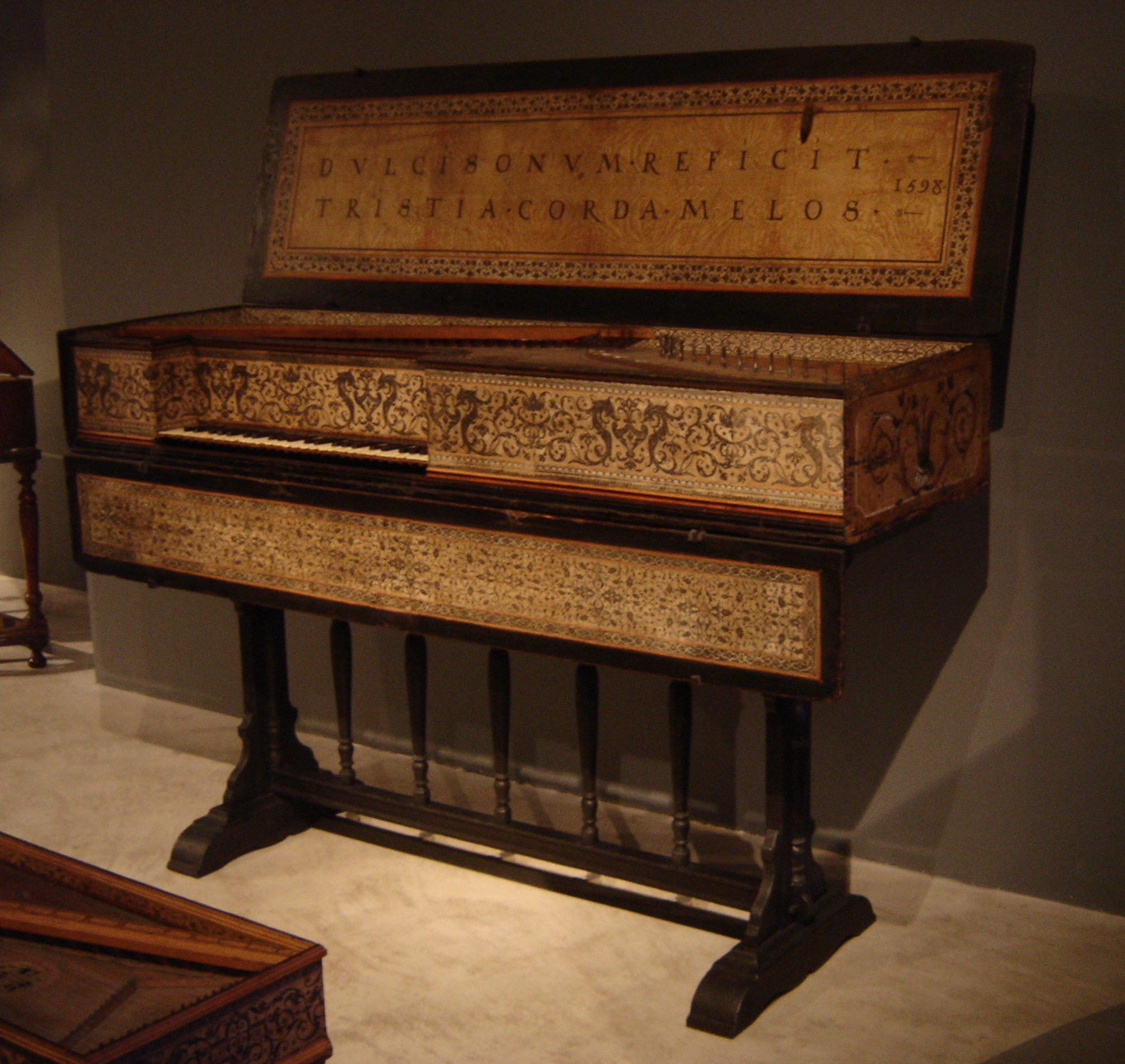
Figure 34: Ioannes Ruckers, Virginal, 1598, Musée de la Musique, Paris, E.979.2.6; <https://commons.wikimedia.org/wiki/File:VirginalRuckers.JPG> (accessed on 4 March 2025).
The inscription of mottos became a widespread feature in the decoration of keyboard instruments during the 16th century and persisted until the mid-17th century. I found a total of 160 instruments with mottos; between them, they bore 110 different mottos (since some appeared more than once). The 16th century accounts for about a third of these, the 17th century for the rest.63
This period was also, at least north of the Alps, characterized by the Reformation with its turn away from images and towards the verbal, towards writing. The documented enthusiasm for written and printed aphorisms in everyday life64 flourished particularly in Antwerp, which, alongside Paris and Venice, was one of the three leading centres of early book printing in the late 15th and 16th centuries. Religious and economic factors as well as the flourishing of emblems as an art form were some of the further reasons why both objects and walls were now frequently inscribed with witty or religious sayings. It was probably due to all of this that mottos became popular:
[…] im sechzehnten Seculo war es sonderlich Mode dass die Standes-Personen und die vom Adel, fast allenthalben […] auch an […] Kisten und Kästen ihre Wappen malen ließen. So ließen auch diejenigen, die Liebhaber des Wortes Gottes waren, an die Wände, Türen und überall, Sprüche aus heiliger göttlicher Schrift und Gesetze aus Christlichen Liedern, anschreiben.65
(‘[…] in the sixteenth century, it was particularly fashionable for people of rank and nobility to have their coats of arms painted almost everywhere […] even on […] boxes and chests. And similarly, those who were lovers of the Word of God had sayings from holy divine scripture and guidance from Christian songs inscribed on walls, doors, and everywhere.’)
Instruments were also frequently decorated with so-called mottos instead of elaborate and hence sometimes costly paintings. Such mottos were aphorisms or devices that often achieve their striking effect without further decoration, though some were also meant to be read in connection with a painting. They were frequently taken from the Bible, especially the Psalms, as well as from other religious writings or from ancient authors. Save for a few exceptions, mottos were inscribed in Latin. This had to do with ecclesiastical tradition as well as with the nascent internationalisation of the instrument trade. Latin was, after all, the early modern period’s lingua franca just as English is in the present day.
The employed mottos convey fundamentally religious or moral messages – prominent among them admonishments concerning vanity or hubris and praise of God. A good example would be ‘Gottes Wort bleibt ewick beistan den Armen als den Reichen’ (‘God’s word offers eternal succour to the poor as well as the rich’), which is found on a 1537 harpsichord by Hans Müller that is now at the Museo Nazionale degli Strumenti Musicali in Rome. There are also riddles and aphorisms related to music such as ‘Io da le piaghe mie forma ricevo’ (‘I am given my form by the blows inflicted upon me’), which is inscribed on the inside of the lid on a 1527 virginal by Franciscus Patavinus at the Brussels Musical Instrument Museum, or ‘Per Aures Ad Animum’ (‘Through The Ears To The Soul’) and ‘Musica Dei Donum’ (‘Music Is A Gift From God’) on a Lodewijk Theewes virginal from around 1570 (Fig. 35).
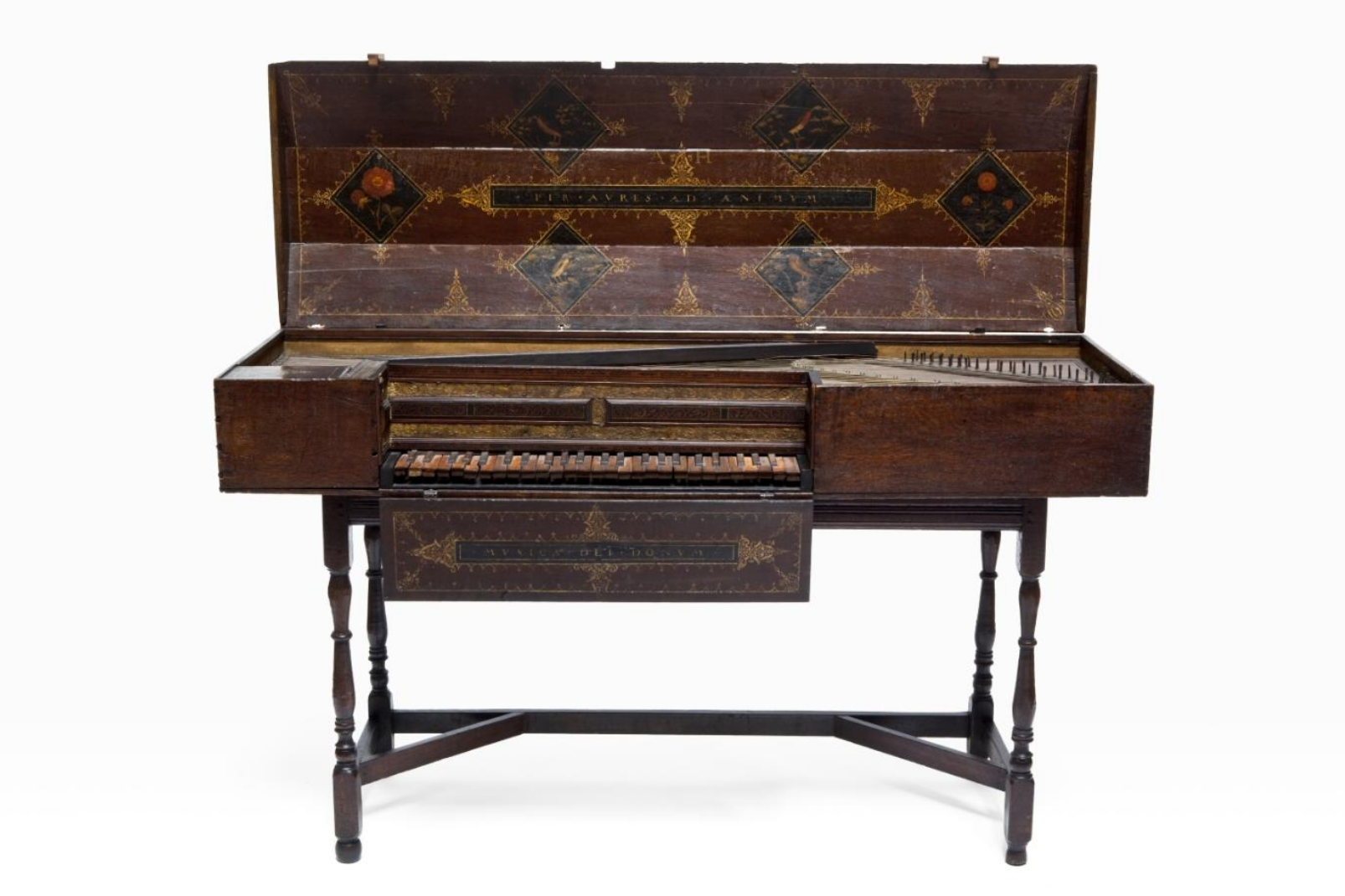
Figure 35: Lodewijk Theewes, Virginal, c. 1570, National Museums of Scotland, Edinburgh; currently at Saint Cecilia’s Hall, Edinburgh, 4336; <https://collections.ed.ac.uk/stcecilias/record/96086> (accessed on 4 March 2025).
The phrase ‘Laudate Dominum’ (‘Praise ye the Lord’) is the one found most frequently – 20 times – on the 16th-century harpsichords in my group of 160. On Jost Karest’s virginal from 1548 (Fig. 36), it is extended to ‘Laudate Dominum in cordis et organo – Laudate eum in symbalis bene sonantibus – Omnis spiritus laudet Dominum in cordis et organo’ (‘Praise the Lord with Strings and Organ – Praise Him with Sweet-Sounding Cymbals – Let Every Living Creature Praise the Lord with Strings and Organs’) from Ps. 150. The saying found most frequently on the examined instruments from the first half of the 17th century is ‘Sic transit gloria mundi’ (‘Thus passes the glory of the world’), which from the early 15th century onwards was sung at papal coronations to emphasise the transience of earthly greatness. Its 17th-century popularity probably stemmed from a general attitude towards life following the 30 Years’ War. The motto appears on only four of the 16th-century instruments, for example on the jackrail of a Flemish octavo virginal from 1572.66
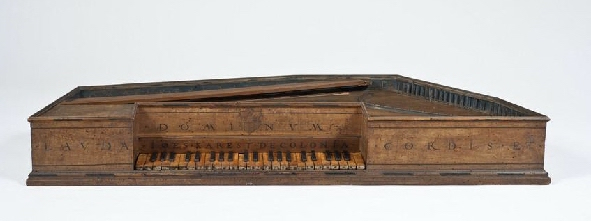
Figure 36: Jost Karest, Virginal, 1548, Musical Instrument Museum, Brussels, 1587; <https://www.carmentis.be:443/eMP/eMuseumPlus?service=ExternalInterface&module=collection&objectId=106055&viewType=detailView> (accessed 4 March 2025).
The magnificent Flemish virginal from 1568 now at London’s Victoria and Albert Museum (Fig. 37) offers a veritable treasure trove of mottos. It bears no fewer than six sayings combined with scrolls, foliage and strapwork, miniature mythological scenes such as Orpheus with the wild beasts, and Duke Wilhelm von Cleve-Jülich-Berg’s coat of arms. The overall design unites praise of the Christian God (‘Laudate Dominum in chordis et in organo’) with an invocation of pagan deities: ‘Musica disparium dulcis concordia vocum pello levo placo tristia corda deos’ (‘Music – the sweet harmony of disparate voices – banishes sorrow, lightens hearts, and pleases the gods.’).67
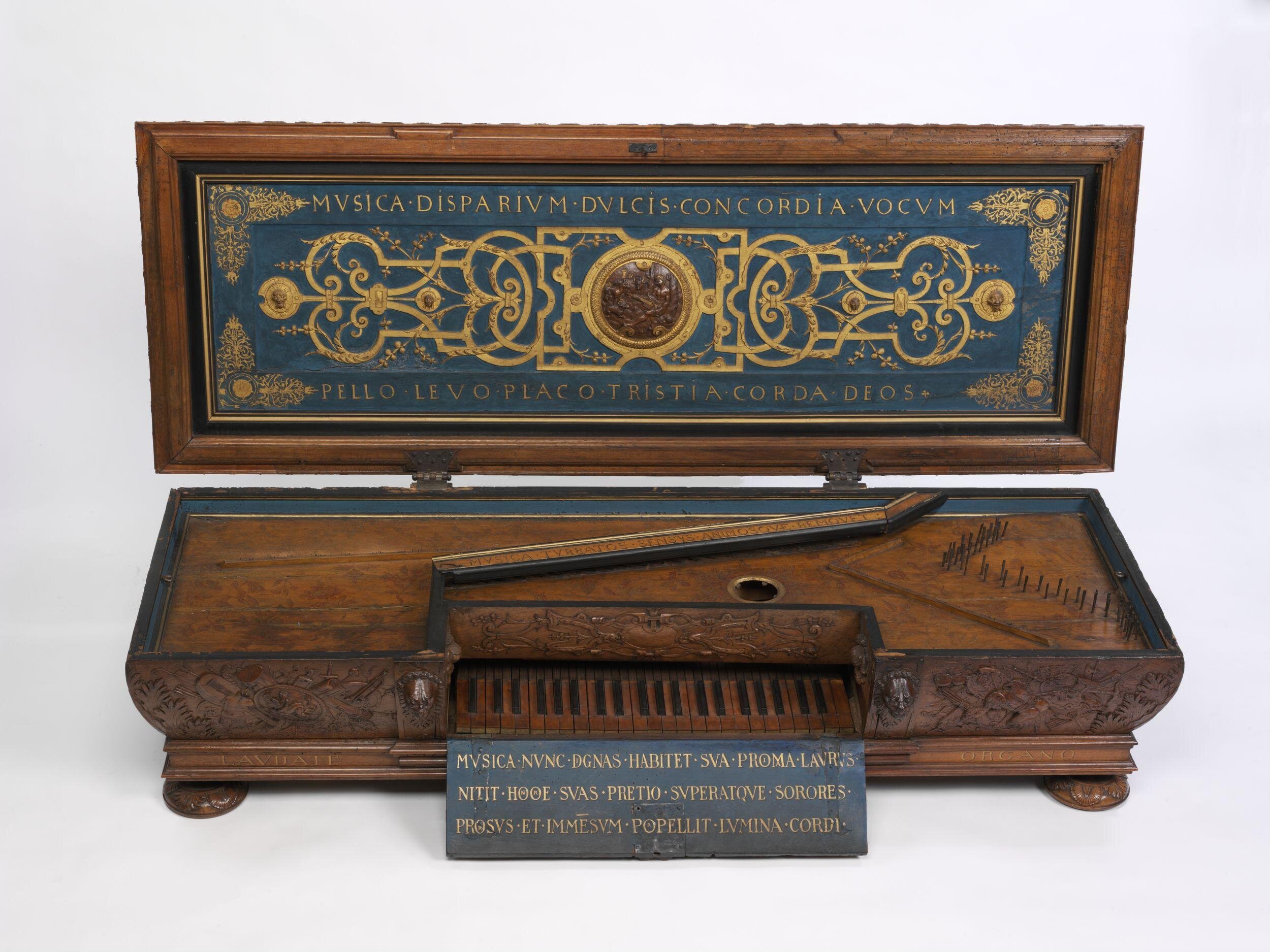
Figure 37: Anon., Virginal, 1568, Victoria and Albert Museum, 447:1-1896; <https://collections.vam.ac.uk/item/O368610/virginals-unknown/> (accessed on 4 March 2025).
The relationship between such mottos and emblematic art is clearly illustrated by the case of an Italian virginal dating from around 1550 (Fig. 38) whose current attribution to Giovanni Francesco Antegnati, an instrument maker from Brescia, is in question.68 It bears the Latin motto ‘Amoris vulnus idem qui sanat fecit’ (‘The wounds of love can only be healed by the one who made them’), which is taken from Publilius Syrus’ Sententiae (1st century B.C.) and was widespread through late antiquity and the Middle Ages. Below it, two hands close upon a black scorpion. Typical of this kind of emblematic motto is the hidden meaning, which was meant to lead to ‘further reflection’ (‘ferneren Nachdencken’).69 It permits several interpretations: it could have been the emblem of the client.70 It might have inhabited an erotic context, been intended to perform an apotropaic function, or been an astrological reference. But it might also have referred to the mythological story of Telephus, son of Heracles, whose wound from Achilles’ spear could, according to the oracle, only be healed by the same spear.71 Folk medicine likewise offers a possible interpretation in its promise that a scorpion sting could be healed by applying ‘scorpion oil’ produced by boiling a scorpion in oil: ‘Der Scorpion mit seinem Gifft, Er tödt den menschen den er trifft. Sein Oel gefahr und schmertzen nimbt, Heil offtmahls von den Feinden kümbt’ (‘The scorpion, with its poison, kills the man it strikes. Its oil removes peril and suffering: salvation often comes from one’s enemies’).72 Musicians, on the other hand, might be more inclined here to think of the travails of skill acquisition and practise that are then ‘cured’ by the joy taken in one’s facility and the music itself.
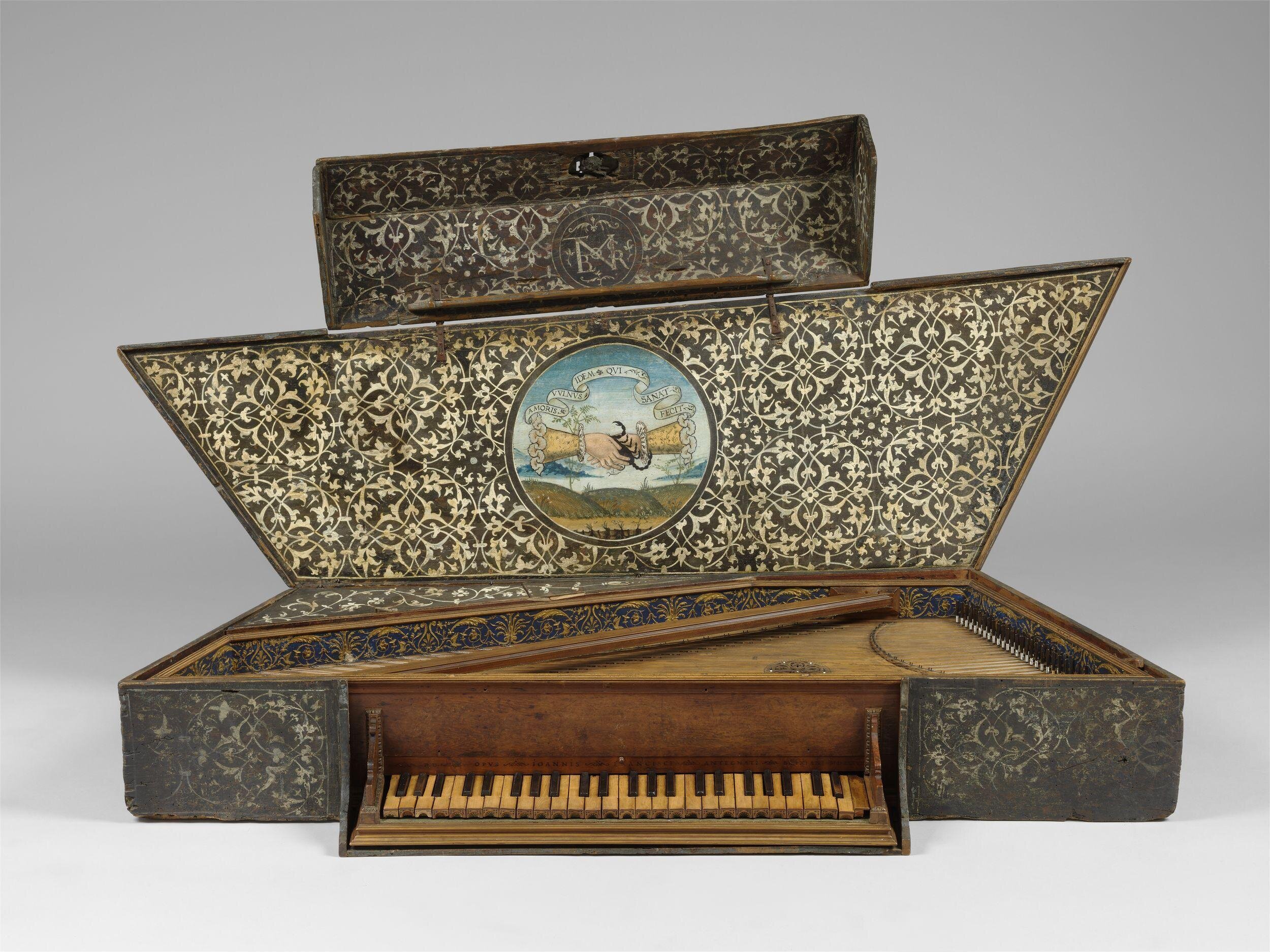
Figure 38: Giovanni Francesco Antegnati (?), Virginal, c. 1550, Victoria and Albert Museum, 490:1 to 3-1899; <https://collections.vam.ac.uk/item/O58893/virginal-antegnati-giovanni-francesco/> (accessed on 4 March 2025).
In short, it can be said that the emergence of mottos on instruments exhibits points of contact with emblematic art in terms of form, that it was fed by the reception of ancient and medieval authors in terms of content, and, above all, that it was connected with historical religious and intellectual currents. These factors gave rise to the ‘fashion’ of using sayings as decoration. And, last but not least, financial considerations in the context of a growing sales market surely also contributed to makers offering cheaper decorations such as large-format sayings on rolls of paper in place of expensive paintings by artists.
Lid Paintings and their Painters
Due to their mostly unusual formats, instrument lids posed a unique challenge to decorators and painters. The spectrum ranged from pure amateurs to well-established artists, some of whom were indeed not of the first rank. But in terms of both content and style, they did frequently take their cue from the artistic elite to the extent that their ability allowed. Such artists almost never signed their work – which is unsurprising, since they hardly ever signed panel paintings to begin with. They were especially loathe to sign lid paintings, however, as these works were unlikely to bolster a fine artist’s reputation. One reason fuelling the reluctance to be associated with such works may have been that with painting having finally been elevated from the artes mechanicae to the artes liberales, artists did not wish to debase themselves by dabbling in artisanship.73
Nevertheless, some painters of lids are known by name. Giorgio Vasari, in his Vite (1550), wrote of several prominent painters who had provided organ cases with paintings. He also mentioned Angelo Bronzino in connection with a painting for a harpsichord.74 And the Flemish painter Carel van Mander, in his Schilder-Boeck (1617), mentioned Paul Bril – who ‘began by painting keyboard instrument lids and the like with watercolours, which was what he had to rely upon for his sustenance until his fourteenth year.’75
Where 16th-century lids are concerned, nearly all attributions are dubious; only for a few lids that have survived as paintings in museums can they be considered certain. Three fragments of instrument lids painted by Jacopo Robusti Tintoretto have survived, with other early panels of his likewise thought to have possibly had the same original purpose.76 All three of these paintings fulfil Lomazzo’s demand for a contextual reference to music: Concert of the Muses on Mount Helicon (private collection, formerly in Neuilly), The Musical Contest between Apollo and Marsyas (Labadini Collection, Milan), and The Contest between the Muses and Pierides (Fig. 39; Museo di Castelvecchio, Verona). In the last of these, Tintoretto illustrates an episode from Ovid’s Metamorphoses (V 294–678) in which the nine daughters of the Macedonian King Pieros had challenged the Muses to a singing contest. The nymphs, who were called upon to judge, unanimously declared the goddesses – daughters of Zeus – to be the victors, with the Pierides being turned into cawing magpies as punishment for their arrogance. In this painting, the sentence has already been carried out; the Muses with their instruments are foregrounded, while the magpies flutter in the trees behind. This repeats a theme found on multiple lid paintings – that of mortals being chastised for the hubris of seeking to measure themselves with the divine.
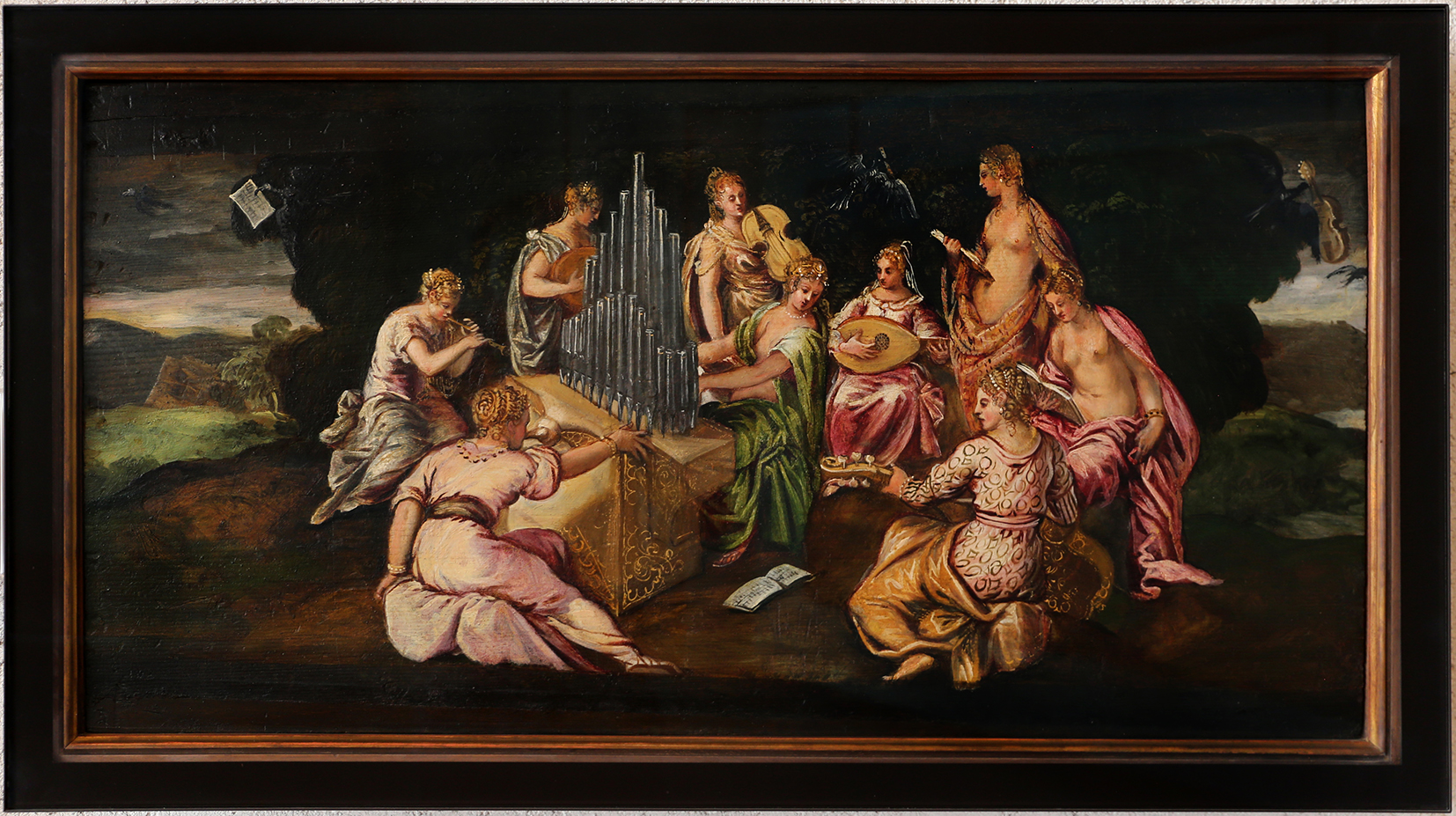
Figure 39: Jacopo Robusti Tintoretto, The Contest between the Muses and Pierides, c. 1555, oil/wood, 46 x 91 cm, Museo di Castelvecchio Verona, Pallucchini-Rossi Cat. 102; <https://commons.wikimedia.org/wiki/File:Jacopo_tintoretto,_contesa_tra_le_muse_e_le_pieridi.jpg> (accessed on 4 March 2025).
Another confirmed artist’s name is that of Annibale Carracci, who (probably together with his brother Agostino) painted a harpsichord between 1597 and 1600.77 The painting Silenus Picking Grapes, now recognised as a harpsichord lid, has already been mentioned (cf. Figs. 12–14). The subject – the drunken, corpulent Silenus being hoisted by bearers to reach the grapes hanging from leafy vines – was borrowed from ancient reliefs during the Renaissance and disseminated through engravings such as the one by Albrecht Dürer after Andrea Mantegna (Fig. 40). Annibale Carracci himself produced several variations on the motif during this period such as in his Tazza Farnese and the preceding studies, the most complete of which is now at the Metropolitan Museum (Fig. 41), or in the ceiling fresco of the Galleria Farnese in Rome (Fig. 42). Moreover, a pen-and-ink drawing by Carracci of a second scene in which two young satyrs help to pick grapes comes close to the original layout of the right part of the lid (Fig. 43).78
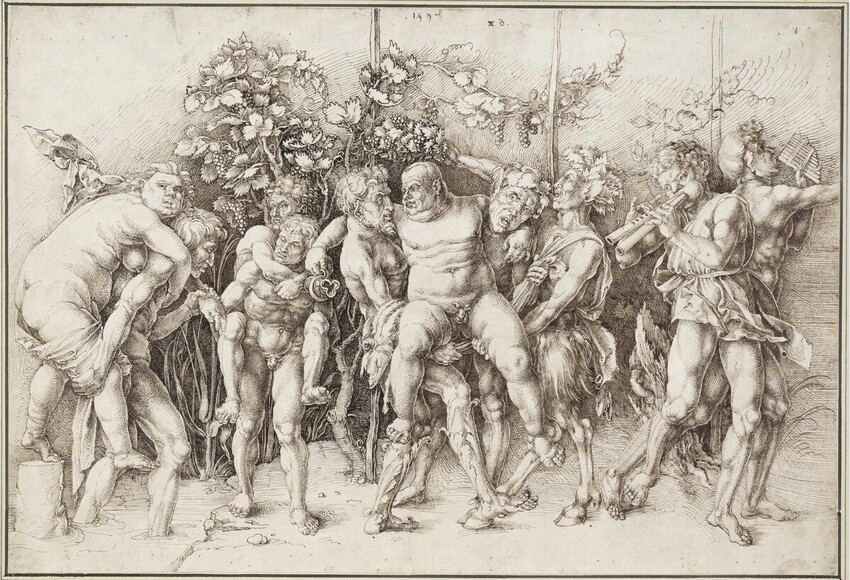
Figure 40: Albrecht Dürer after Andrea Mantegna, Bacchanal with Silenius, 1494, pen/paper, 29.8 x 43.3 cm, Albertina Museum, Vienna, 3060; <https://sammlungenonline.albertina.at/?query=search=/record/objectnumbersearch=[3060]&showtype=record> (accessed on 4 March 2025).
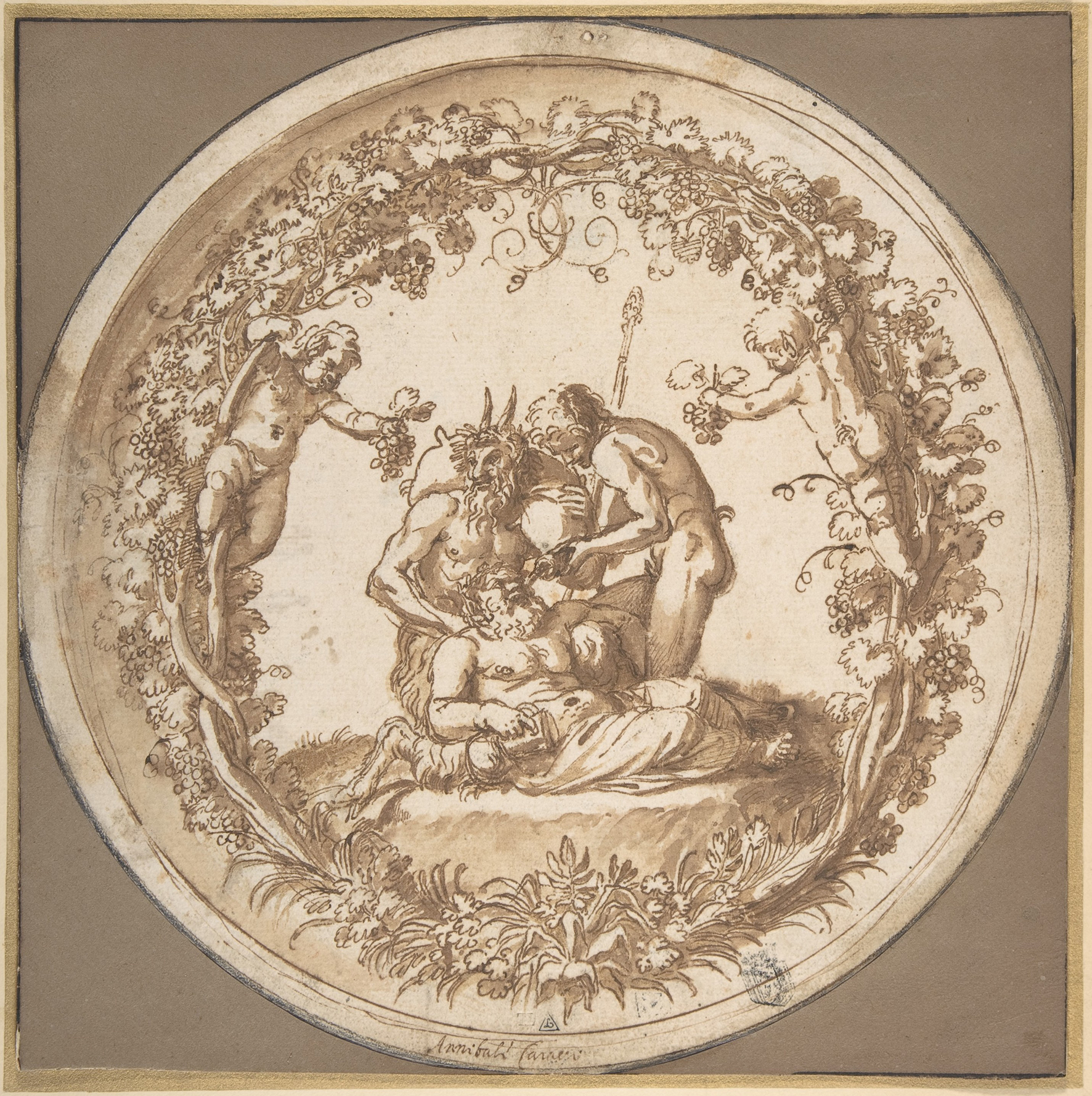
Figure 41: Annibale Carracci, The Drunken Silenus. Design for the ‘Tazza Farnese’, 1599–1600, ink, washed/paper, 25.6 x 25.5 cm, Metropolitan Museum of Art, New York, 1972.133.4; <https://www.metmuseum.org/art/collection/search/338417> (accessed on 4 March 2025).
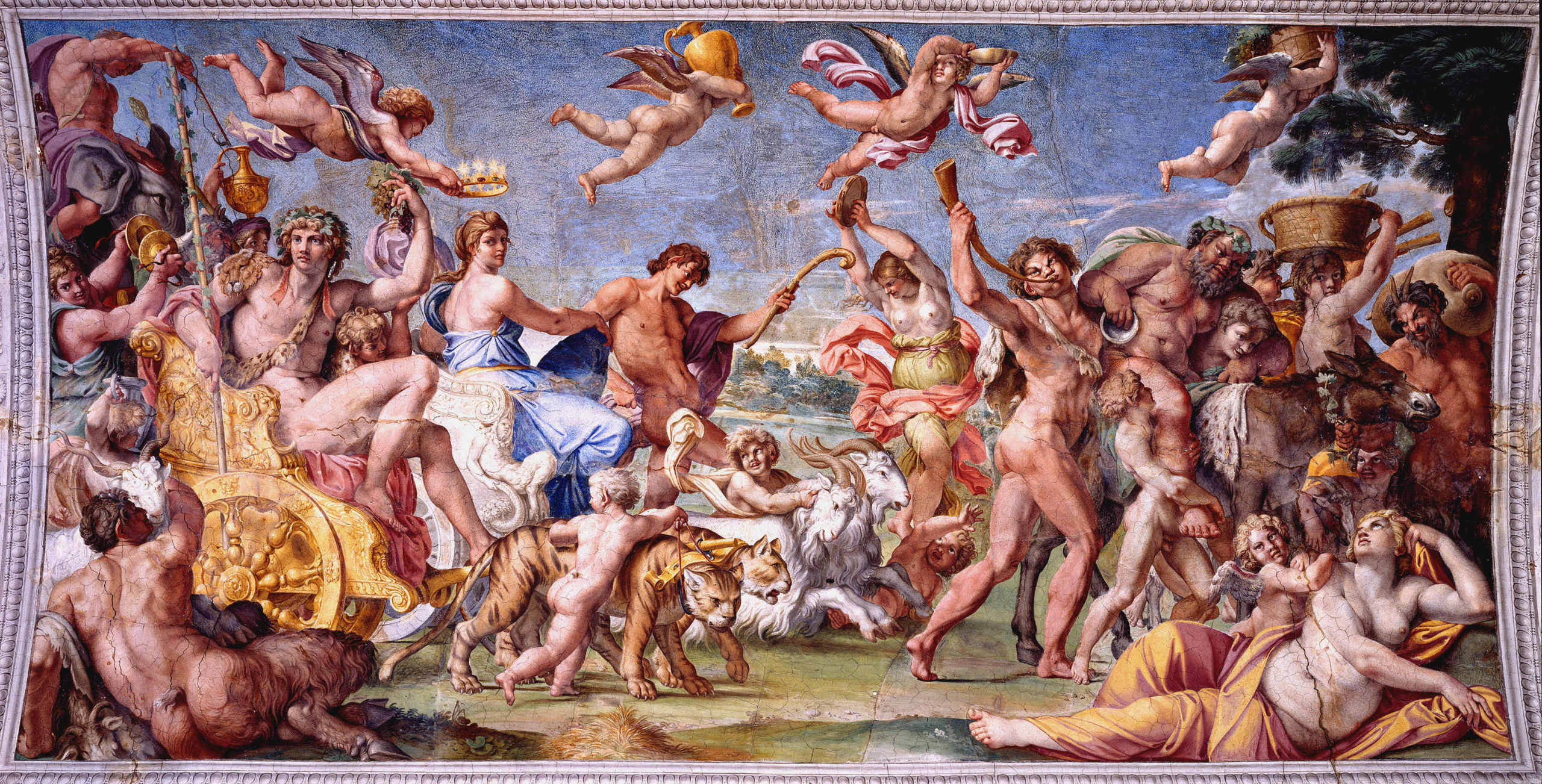
Figure 42: Annibale Carracci, Triumphal Procession of Bacchus and Ariadne, ceiling fresco of the Galleria Farnese, c. 1600, Rome; <https://commons.wikimedia.org/wiki/File:Rome_Palazzo_Farnese_ceiling_Carracci_frescos_04.jpg> (accessed on 4 March 2025).
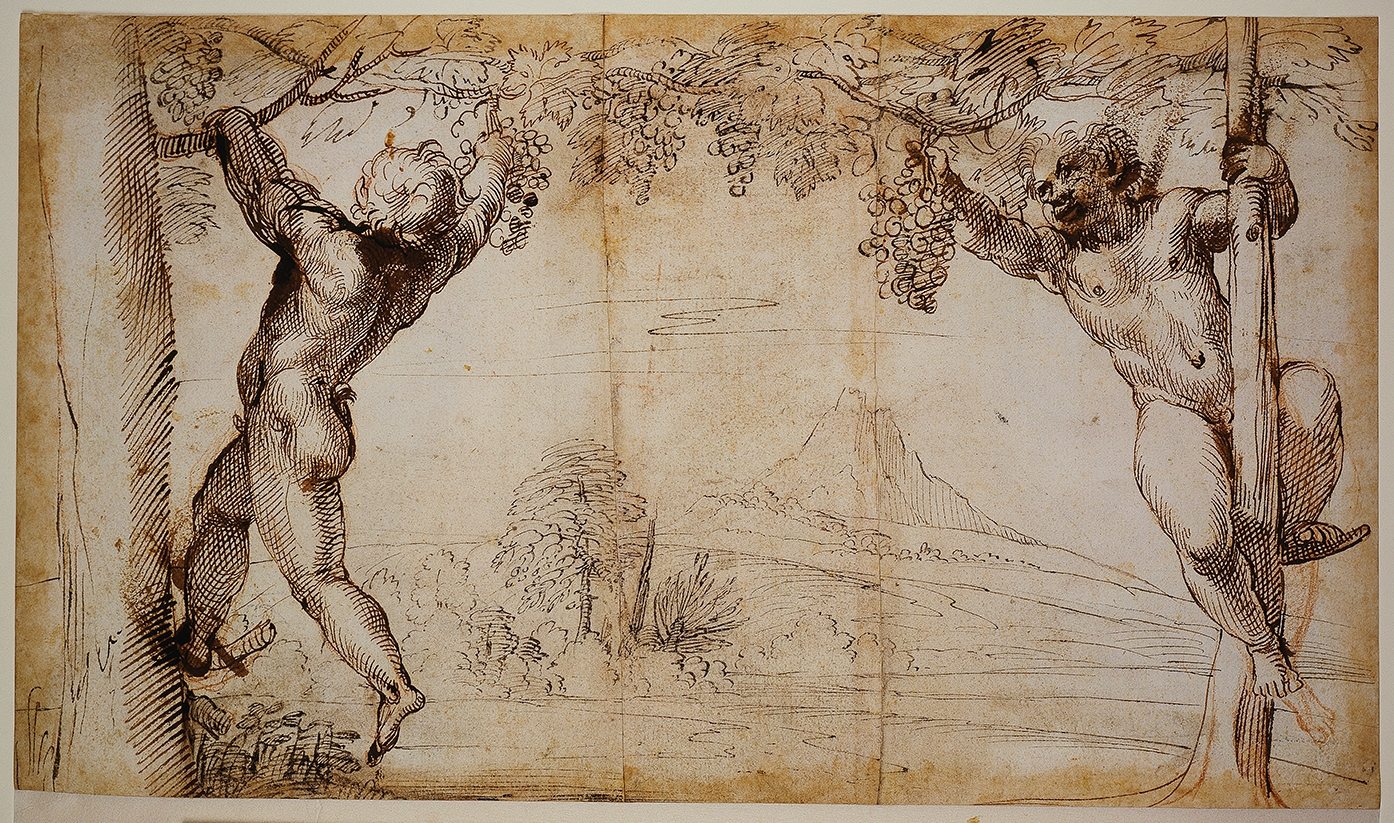
Figure 43: Annibale Carracci, Two Young Satyrs Picking Grapes, c. 1597–1600, pen and chalk/paper, 23 x 39.9 cm, Städel Museum, Frankfurt, 4272; <https://www.staedelmuseum.de/go/ds/4272z> (accessed on 4 March 2025).
For the lid’s front flap (Fig. 44), Carracci’s preliminary studies have been preserved at the Städel Museum in Frankfurt, the Royal Collection in Windsor, and the Louvre in Paris (Figs. 45–7). Possible models for these studies are an ancient copy of the sculpture Pan and Daphnis by Heliodorus and the cameo Apollo, Marsyas and Olympus by Dioscurides.79 Both works (Figs. 48–9), now at the Archaeological Museum of Naples, were in the Farnese Collection at that time. These antiquities were highly prized and inspired several artists: e.g., the sculpture was painted in oil by members of the school of Giulio Romano (Fig. 50), while Sandro Botticelli’s portrait of Simonetta Vespucci shows the cameo being worn on a necklace (Fig. 51). Fulvio Orsini, who commissioned the harpsichord designed by Carracci, was a scholar, librarian, and curator of the Farnese collection and had access to its antiquities. Carracci worked on the frescoes in the Galleria Farnese in Rome from 1597 to 1602 and had used that opportunity to study the extensive collection there, drawing inspiration for the harpsichord’s design. The front flap depicts a seated Marsyas and the panpipe-playing Olympus in an open landscape. The figure of Marsyas resembles the study at the Louvre known as Silenus, whose head in turn was based on the cameo. The double aulos hanging from the tree is likewise borrowed from the cameo. The figure of Olympus, on the other hand, clearly takes its inspiration from the ancient sculpture after Heliodorus; Carracci’s red chalk study of it, entitled Bacchus, has same characteristic leg posture. And the entirety of the pen-and-ink drawing Flute-Playing Cupid and Silenus in an Arcadian Landscape, with its merely impliedlandscape and cut-off trees,clearly exhibits some connection with the lid painting.
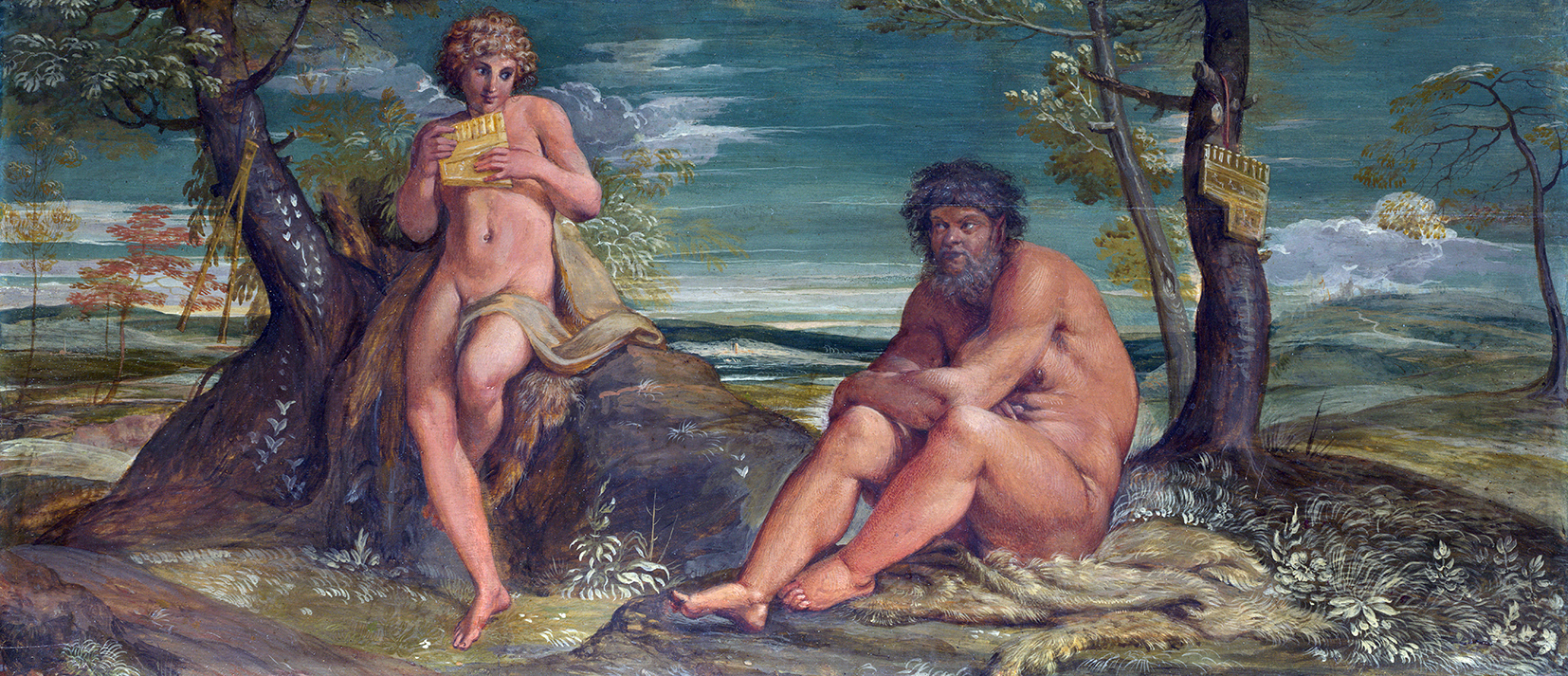
Fiure 44: Annibale Carracci, Marsyas and Olympus, 1597–1600, oil/wood, 34.4 x 84.2 cm, National Gallery, London, NG94; <https://www.nationalgallery.org.uk/paintings/annibale-carracci-marsyas-and-olympus> (accessed on 4 March 2025).
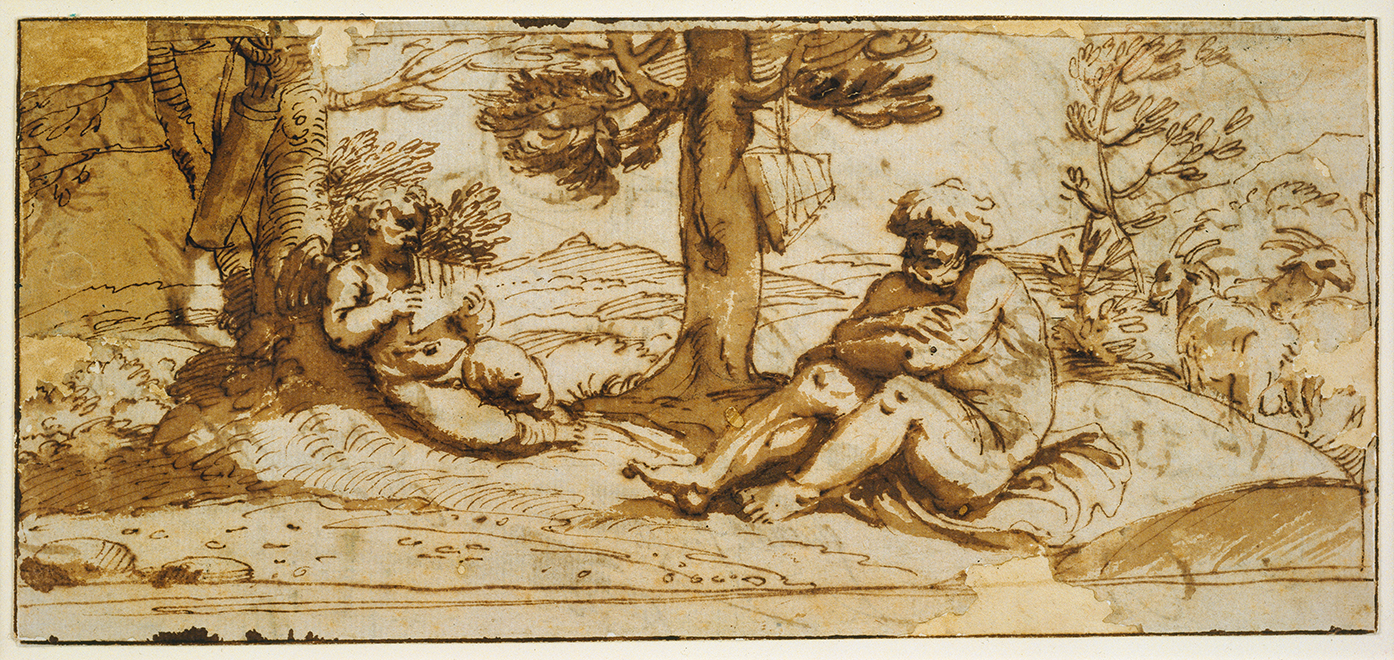
Figure 45: Annibale Carracci, Flute-Playing Cupid and Silenus in an Arcadian landscape, c. 1597–1600, pen and chalk washed/paper, 10.8 x 23.6 cm, Städel Museum Frankfurt, 642; <https://www.staedelmuseum.de/go/ds/462z> (accessed on 4 March 2025).
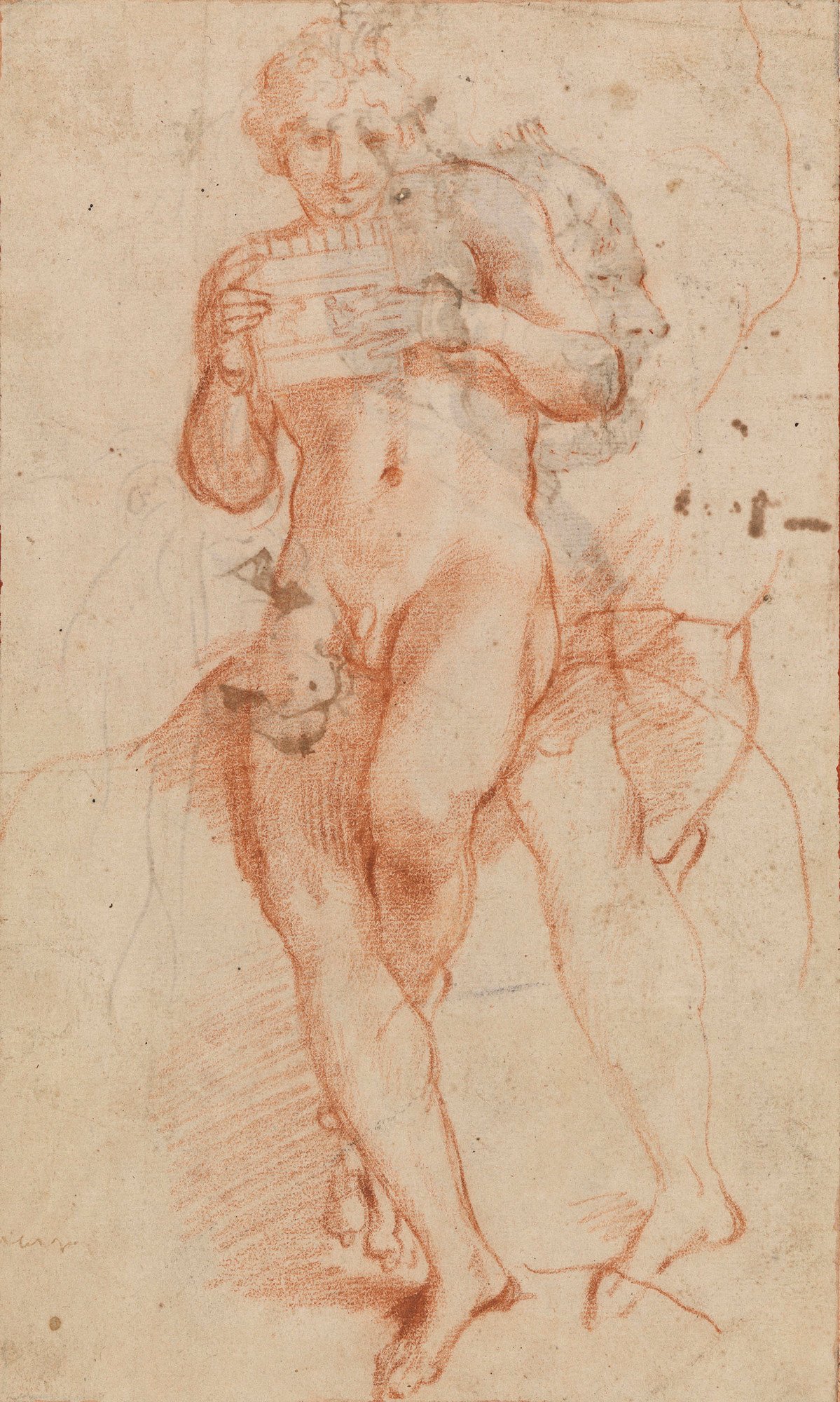
Figure 46: Annibale Carracci, Bacchus, chalk/paper, Royal Collection, Windsor, RCIN 901784; <https://www.rct.uk/collection/search#/8/collection/901784> (accessed on 4 March 2025).
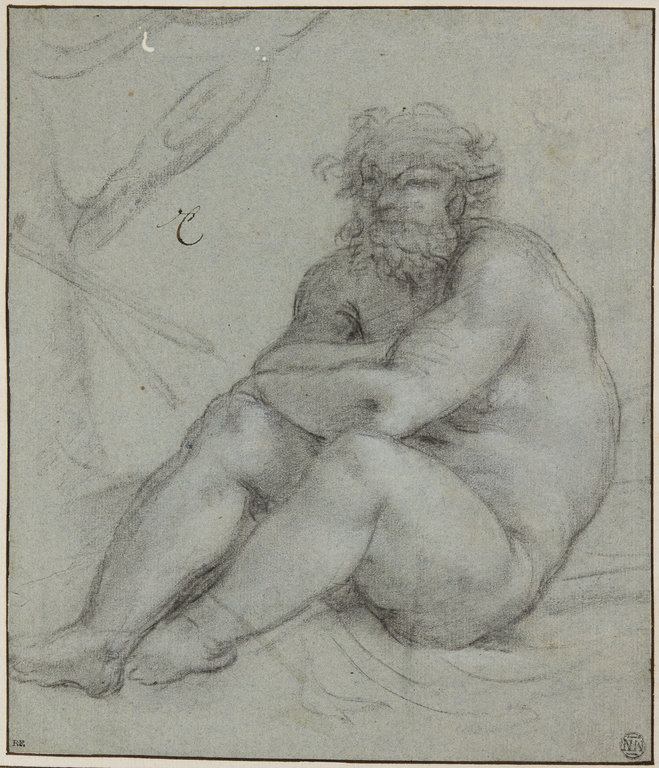
Figure 47: Annibale Carracci, Seated Silen, 1595/99, pierre noir/paper, 27.3 x 23.5 cm, Louvre, Paris, 7338r; <http://arts-graphiques.louvre.fr/detail/oeuvres/3/4256-Silene-assis-max> (accessed on 4 March 2025).
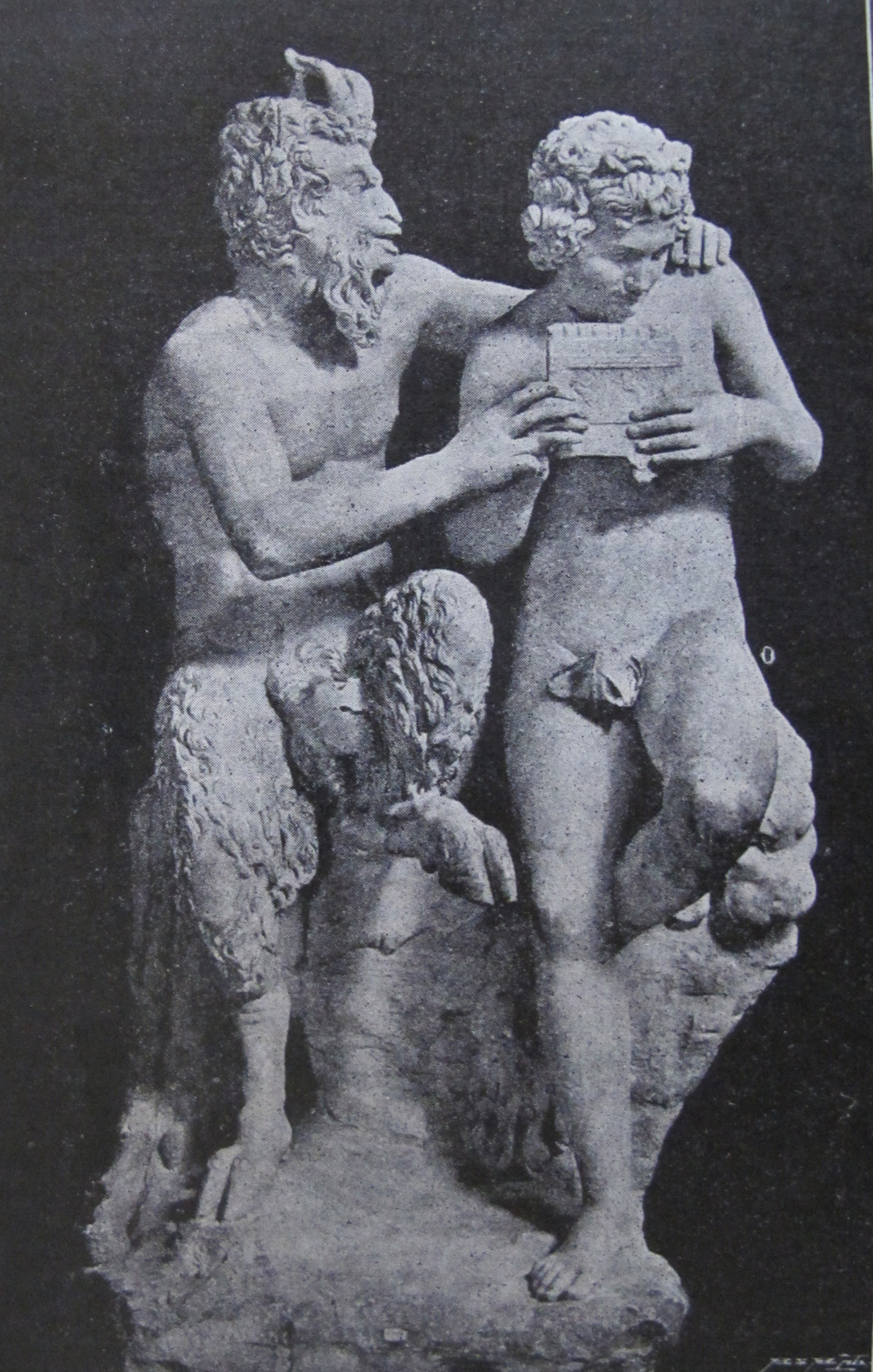
Figure 48 Ancient copy after Heliodorus, Pan and Daphnis, c. 100 BC, marble, National Archaeological Museum, Naples, 6329; <https://commons.wikimedia.org/wiki/File:Ottův_slovn%C3%ADk_naučný_-_obrázek_č._2999.JPG> (accessed on 4 March 2025).
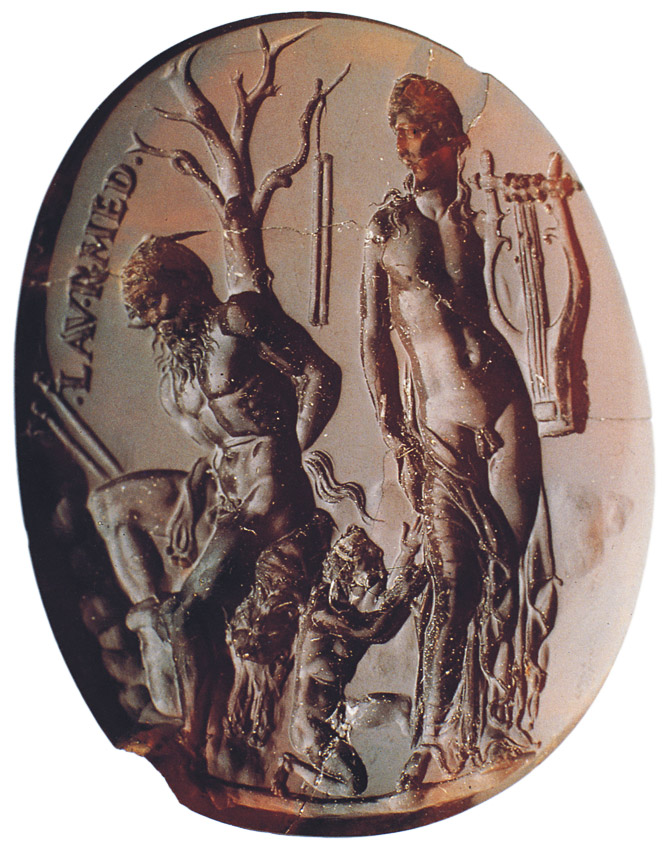
Figure 49: Dioskourides, Apollo, Marsyas and Olympus, 1st century BC, carnelian, 4 x 3.4 cm, National Archaeological Museum, Naples, 26051; <https://commons.wikimedia.org/wiki/File:Seal_of_Nero.jpg> (accessed on 4 March 2025).
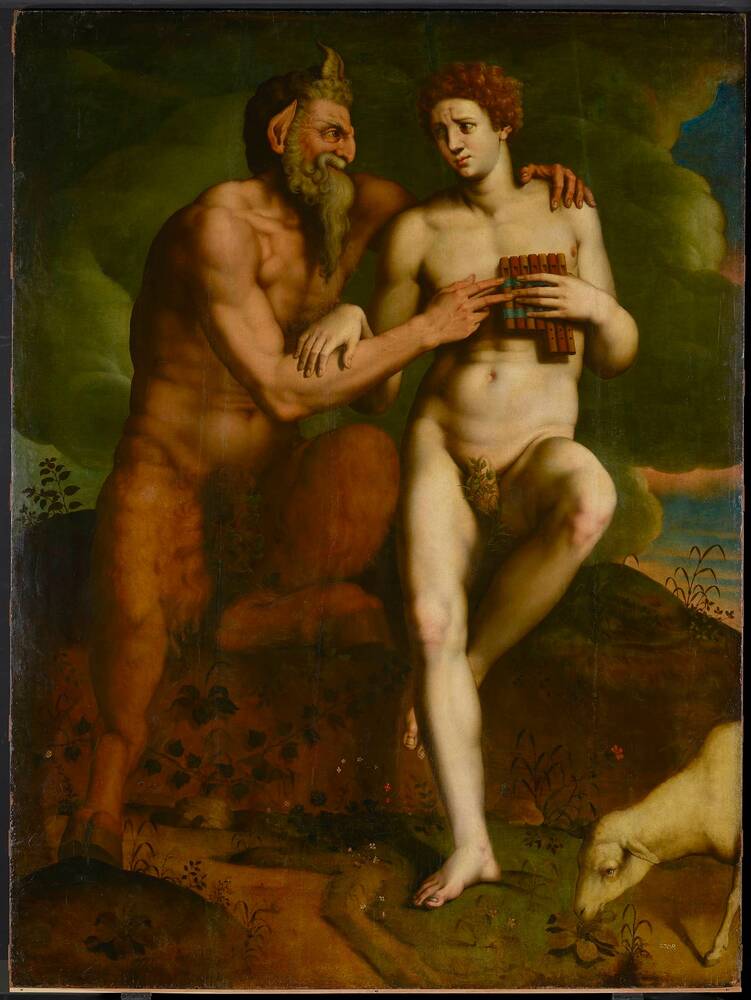
Figure 50: School of Girolamo Romano, Pan and Daphnis, c. 1500–50, oil/wood, 24.8 x 18.7 cm, Old Masters Picture Gallery, Dresden, 104; <https://skd-online-collection.skd.museum/Details/Index/295152> (accessed on 4 March 2025).
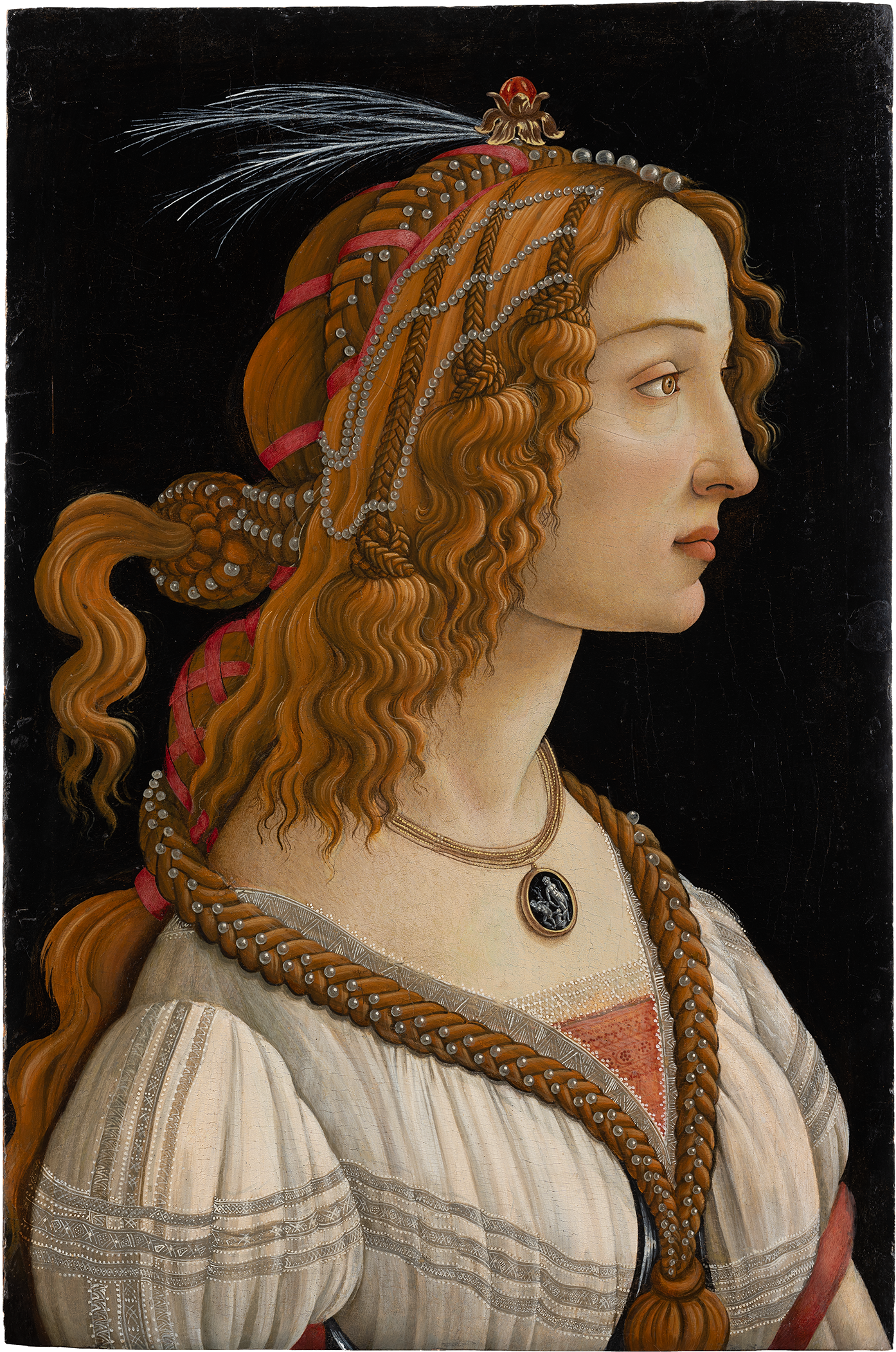
Figure 51: Sandro Botticelli, Idealised Portrait of a Lady (Portrait of Simonetta Vespucci as Nymph), 1480–85, mixed technique/wood, 81.3 x 54 cm, Städel Museum, Frankfurt, 936; <https://staedelmuseum.de/go/ds/936> (accessed on 4 March 2025).
‘Definitively’ attributed multiple times but with a complex history is the painting for an instrument lid – or, at least, for an instrument case – themed on the musical contest between Apollo and Marsyasby Angelo (di Cosimo Allori) Bronzino at the Hermitage Museum in St. Petersburg (Fig. 52).80 As several written sources document, Bronzino undoubtedly painted such an image for the Duke of Urbino, Guidobaldo II della Rovere, in 1531–32. During the mid-16th century, for example, Giorgio Vasari mentioned a ‘cassa d’arpicordo piena di figure, che fu cosa rara’ (‘arpicordo case covered with figures, which was a rare thing’) from Bronzino’s hand.81 And in 1584, Raffaello Borghini described how Bronzino ‘dipinse […] entro una cassa d’Arpicordo la favola d’Apollo, e di Marsia con molte figure, la qual opera é tenuta cosa rarissima’ (‘painted inside a harpsichord case the myth of Apollo and Marsyas with many figures, a work that is held to be a very rare thing’).82 In 1562, however, Giulio Sanuto made a three-plate engraving (Fig. 53) in which he adapted the composition, replacing the background with a detail from Marcantonio Raimondi’s engraving The Parnassus after Raphael and naming Correggio as the originator. This engraving was widely used, on account of which Bronzino’s authorship was forgotten for a long time. During the 1840s, for example, Jacob Burckhardt saw ‘die Innenseite eines “Klavierdeckels” mit der Geschichte des Apoll und Marsyas, angeblich von Coreggio, eher von Bacchiacca’ (‘the inside of a “clavier lid” with the story of Apollo and Marsyas, supposedly by Coreggio, more likely by Bacchiacca’) in a Milanese collection.83 In 1865, the painting was finally purchased by the Russian Tsar for the Hermitage as a Correggio. It was not until 1913 that Hermann Voss recognised Bronzino’s authorship,84 which was then generally accepted. The two undated red chalk studies for the figures of Midas and Marsyas, now at the Louvre, have also since been attributed to Bronzino (Figs. 54–5).
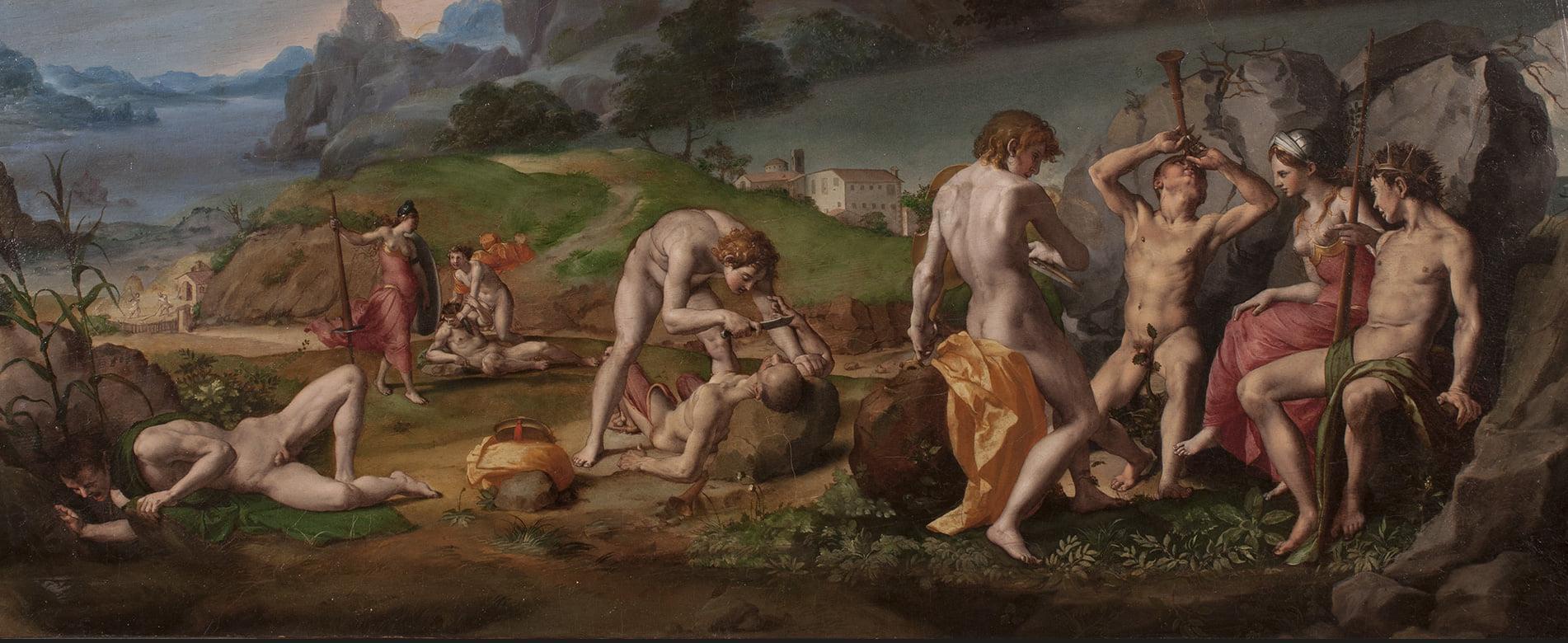
Figure 52: Angelo Bronzino, The Flaying of Marsyas, 1531/32 (?), oil/canvas (transferred from panel), 48 x 119 cm, Hermitage Museum, St. Petersburg, 250; <https://commons.wikimedia.org/wiki/File:Angelo_Bronzino_-_Sfida_tra_apollo_e_marsia.jpg> (accessed on 4 March 2025).
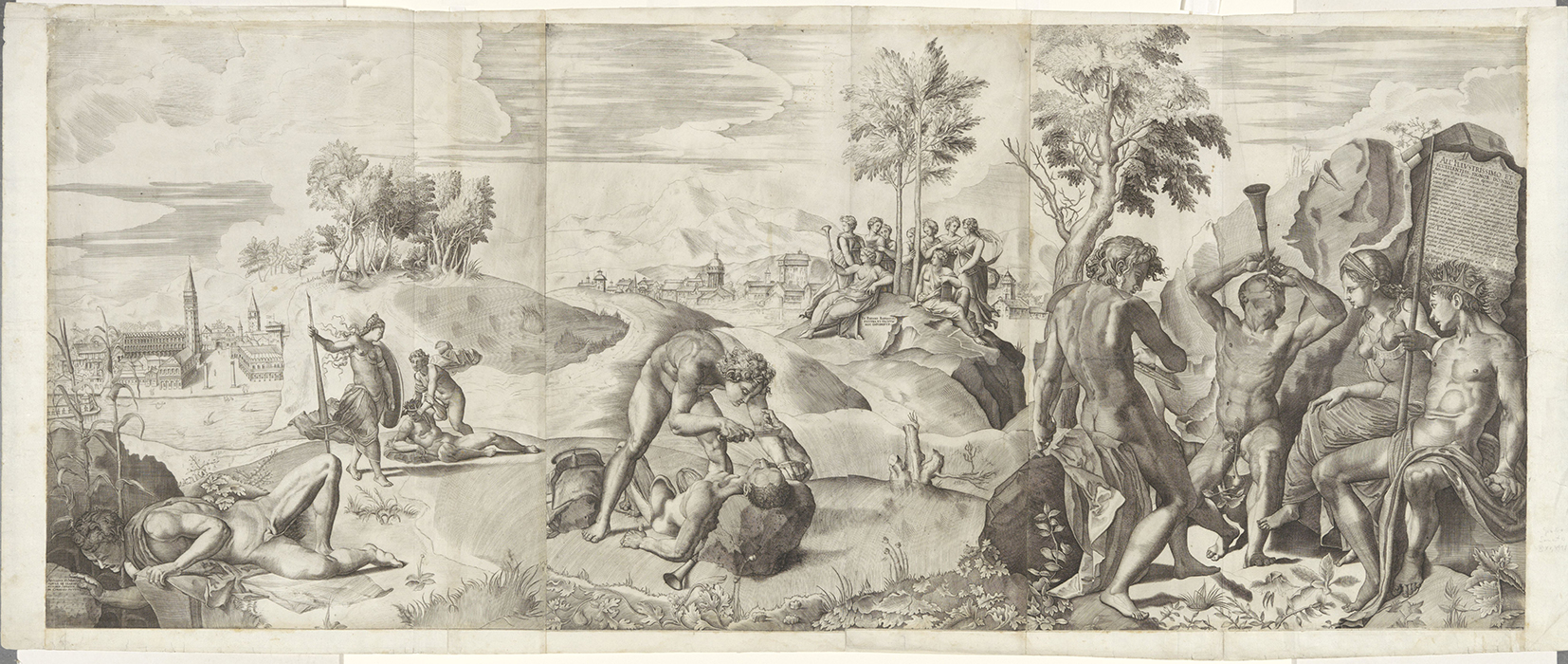
Figure 53: Giulio Sanuto after Angelo Bronzino, Apollo and Marsyas, 1562, copperplate engraving, 51.5 x 125 cm, Rijksmuseum, Amsterdam, RP-P-1999-115; <https://id.rijksmuseum.nl/200483956> (accessed on 4 March 2025).
While Bronzino’s authorship is now virtually beyond doubt, other questions remain: aside from the painting at the Hermitage, which was transferred from wood to canvas in 1865, there are two other near-identical panels in private collections (Figs. 56–7) that some experts believe are likewise by the master while others do not.85 Hypotheses of all kinds continue to be put forth, not just concerning their unusual formats (48 x 119 – 82 x 122.5 – 82.5 x 127)86 and support materials (with one having been transferred to canvas after the wood was damaged, one on walnut, and the third on an unknown type of wood). Discussion is also ongoing about the differences in the background design despite identical execution of the figures right down to their colouring, the uncertain intended use, and – above all – the provenance of two of the three paintings. In any case: the motif would have been ideally suited for instrument decoration, and it picks up on a theme that was, after all, also used on other lids. The composition effects the simultaneous depiction of several episodes from Ovid’s ancient tale of the musical contest between Apollo and Marsyas in which Minerva and King Midas act as judges.87 The contest takes place in the foreground at right, while in the middle and slightly farther back we see Marsyas’ subsequent cruel flaying for presuming to challenge Apollo. Yet farther to the left and behind, we see Midas with the donkey’s ears given him by Apollo for his foolishness in judging the satyr Marsyas to be superior to Apollo. Minerva, on the other hand, makes the musically and ethically correct judgment based on knowledge and wisdom.88 On the left in the middle ground, the royal barber consigns Midas’s embarrassing secret to the earth. This painting’s message lies in the continual conflict between the Apollonian and Dionysian principles,89 the struggle between intellect and sensuality – and it also embodies a warning to the instrument’s player against hubris and a lack of humility towards art.
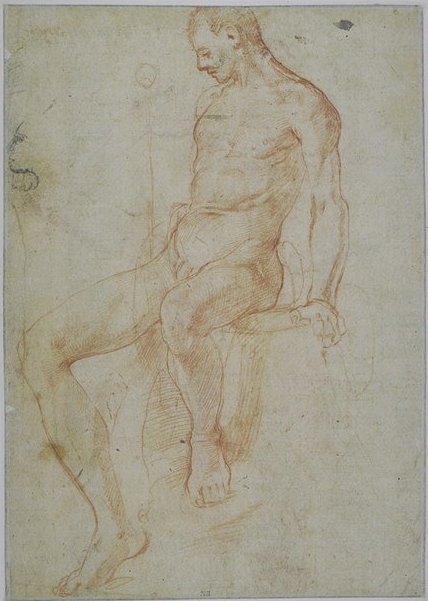
Figure 54: Angelo Bronzino, Midas, red chalk study, 25.4 x 18 cm, Louvre, Paris, 5923v; <http://arts-graphiques.louvre.fr/detail/oeuvres/8/233759-Etude-pour-le-roi-Midas-max> (accessed on 4 March 2025).
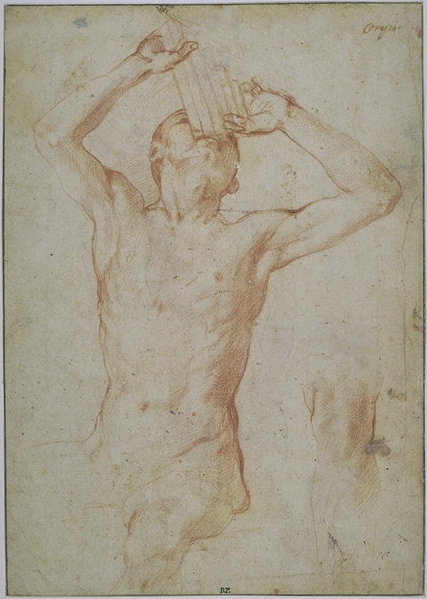
Figure 55: Angelo Bronzino, Marsyas, red chalk study, 25.4 x 18 cm, Louvre, Paris, 5923r; <http://arts-graphiques.louvre.fr/detail/oeuvres/7/8299-Jeune-homme-nu-assis-jouant-de-la-flute-de-Pan-et-etude-dun-genou-max> (accessed on 4 March 2025).
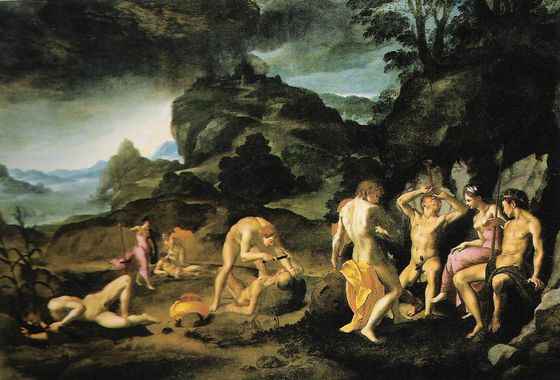
Figure 56: Angelo Bronzino (?), The Contest between Apollo and Marsyas, 1531/32 (?), oil/wood, 82 x 122.5 cm, private collection, New York; <http://www.iconos.it/le-metamorfosi-di-ovidio/libro-vi/apollo-e-marsia/immagini/43-apollo-e-marsia/> (accessed on 4 March 2025).
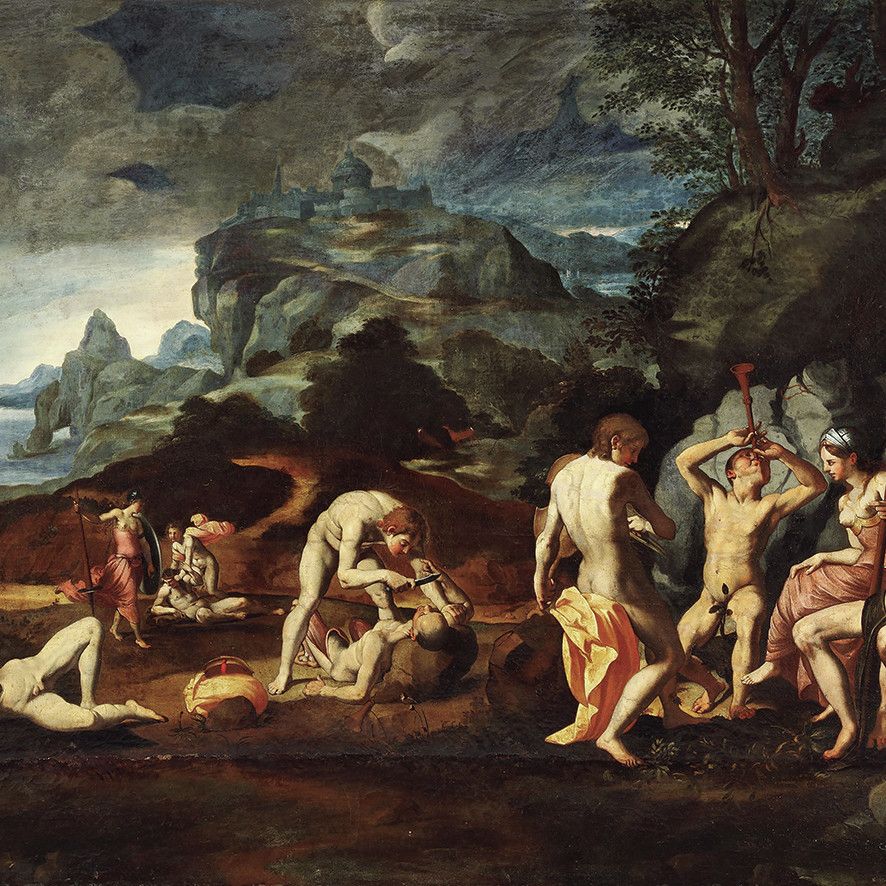
Figure 57: Angelo Bronzino (?), The Contest between Apollo and Marsyas, 1531/32 (?), oil/canvas, 82.5 x 127 cm, Collezione Giorgio Baratti; <https://artrabbit.com/events/timelessness-rose-king-galleries> (accessed on 4 March 2025).
Lid paintings generally were not original designs by well-known artists; they can, however, often be traced back to ‘prominent’ panel paintings, drawings, copper engravings, and even sculptures. At the time, there was nothing dishonourable about imitating or referencing other masters’ successful works; it was only as the 16th century wore on that original artistic invention began to be prized more highly than the skilful execution of an already canonised rendering of a theme. Today, determining the respective sources of a pictorial invention – which may have been based on strategies ranging from imitation to adaptation and on to the adoption of individual elements from various models in a building-block process – often requires meticulous detective work. In many cases, the decoration is based on models that were a hundred years older or more and themselves often inspired by ancient models.
An example is the pictorial theme of Apollo in 16th-century lid paintings. Apollo is well known as the god of the arts and music and as the leader of the Muses, but also as a merciless punisher. Such depictions are probably inspired by the famous sculpture known as The Apollo Belvedere, which was discovered at the end of the 15th century, placed in the Vatican at the beginning of the 16th century, and subsequently made very popular by an engraving from the hand of Marcantonio Raimondi (Fig. 58). This marble figure from the middle of the 2nd century AD is believed to be a replica of a Greek bronze original from around 330 BC. Elements of this statue, such as the chlamys thrown over Apollo’s shoulder, are imitated in modern representations of this god, just as he is generally shown – in keeping with the ancient myth – as an androgynous young man.
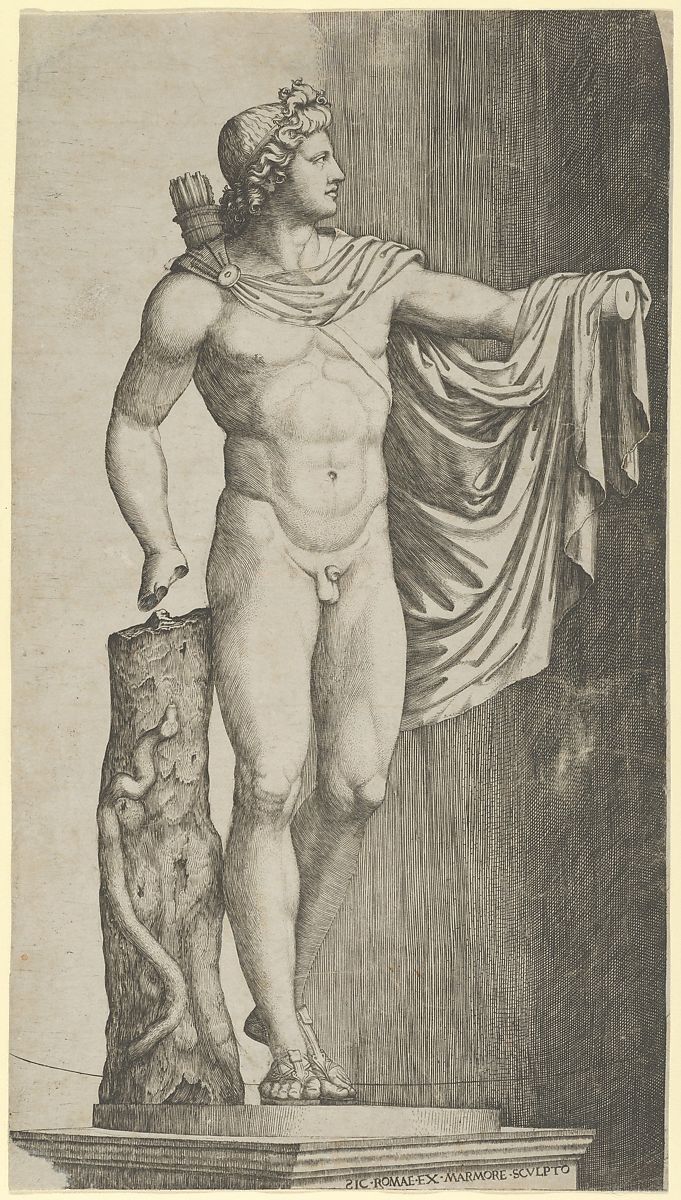
Figure 58: Marcantonio Raimondi, The Apollo Belvedere, 1510–27, copperplate engraving, 29.1 x 16.2 cm, Metropolitan Museum of Art, New York, 49.97.114; <https://www.metmuseum.org/art/collection/search/342605> (accessed on 4 March 2025).
A virginal by Dominicus Pisaurensis from 1566, now at the Germanisches Nationalmuseum in Nuremberg (Fig. 59), exemplifies this mix-and-match approach. On Mount Parnassus, Apollo strums his lyre surrounded by the nine Muses. The composition is borrowed from Raphael’s famous fresco of 1511 in the Vatican (Fig. 60). The central figure of Apollo, however, has its roots in a widely copied engraving by Marcantonio Raimondi from 1517–20 (Fig. 61). Raphael had commissioned Raimondi to engrave his design for the rooms, but Raphael subsequently altered the figure of Apollo.90 In the Vatican, Apollo is adorned with a laurel wreath and bows a lira da braccio with his eyes gazing up towards the heavens. In Raimondi’s engraving, Apollo’s posture is significantly more twisted, his head is tilted slightly downwards, and he plays a lyre supported on his left thigh. This version is found on the virginal lid, but with the laurel wreath replaced by a halo. The Muses here merely take inspiration from the original design, and Apollo sits at the same height as first among equals.
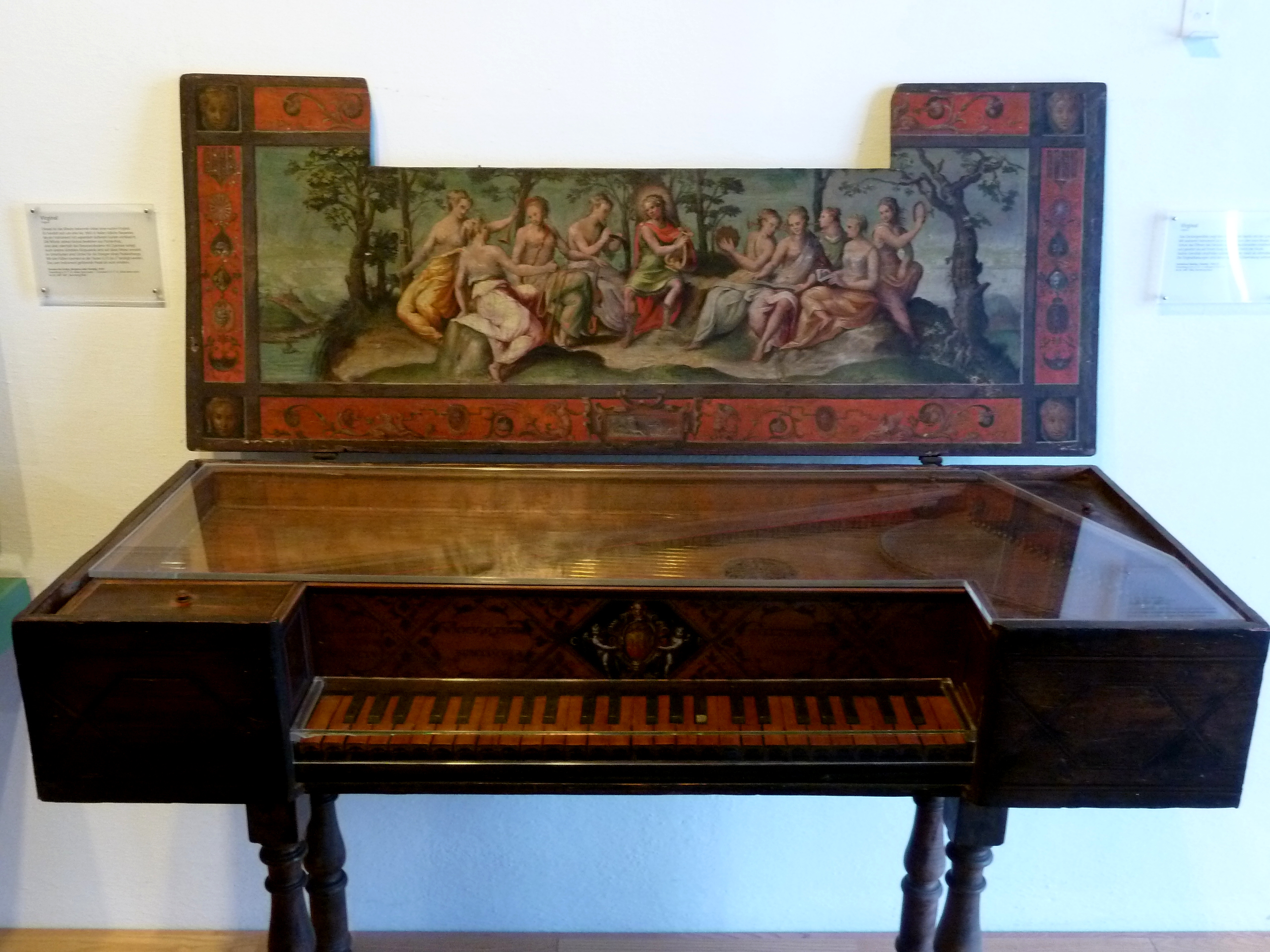 Figure 59: Dominicus Pisaurensis, Virginal 1566, Germanisches Nationalmuseum, Nuremberg, MIR 1086 (Photo: H. Pollerus).
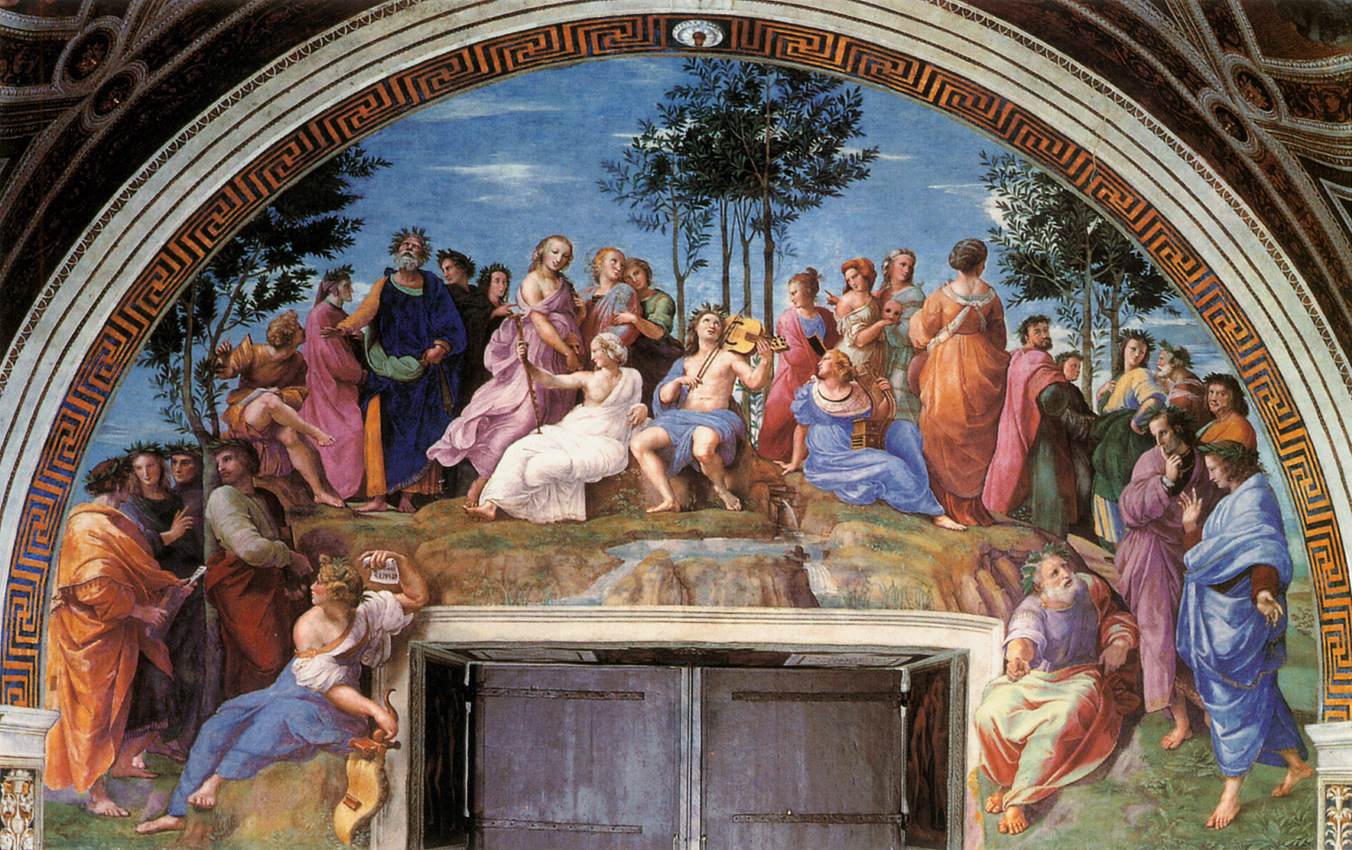
Figure 60: Raphael, Parnassus, Stanze del Vaticano, 1511, fresco, Rome; <https://commons.wikimedia.org/wiki/File:Parnaso_02.jpg> (accessed on 4 March 2025).
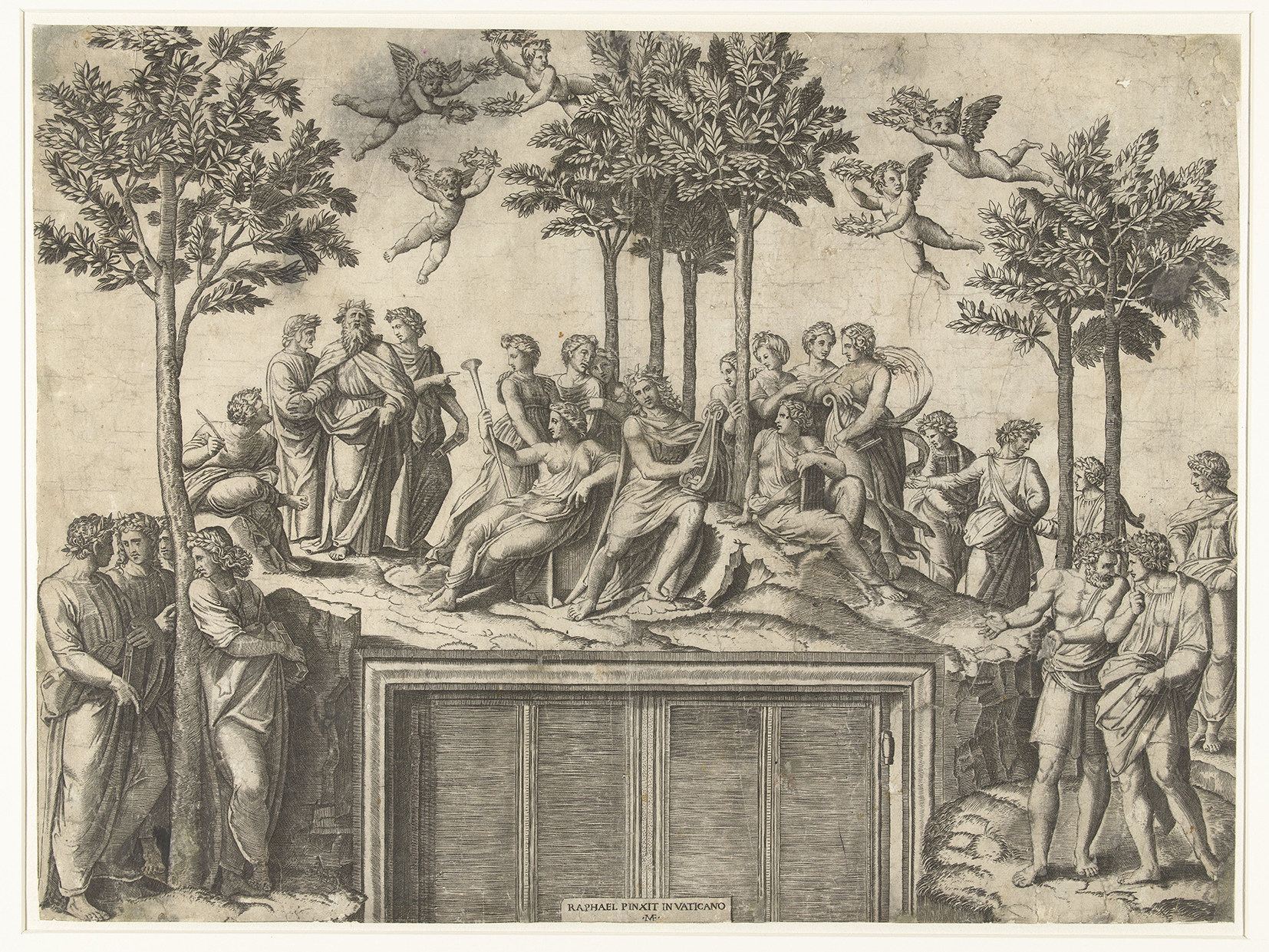
Figure 61: Marcantonio Raimondi after Raphael, Parnassus, 1517–20, copperplate engraving, 34.4 x 46.4 cm, Rijksmuseum, Amsterdam, RP-P-OB-12.130; <https://id.rijksmuseum.nl/200123922> (accessed on 4 March 2025).
Giovanni Baffo’s harpsichord from 1574 is a different matter. This instrument was probably once owned by the noble Strozzi family91 and now is housed in the Victoria and Albert Museum (Fig. 62). It is decorated with a remarkably faithful rendition of a 1557 engraving by Giorgio Ghisi after Luca Penni (1500–56) (Fig. 63). Penni, as a pupil of Raphael, was intimately familiar with the works by the latter, and it is thus that his Apollo and the Muses is likewise inspired by the version in the Raphael Rooms shown above in Fig. 60. The cartouche on the harpsichord, framed by grotesques, cannot contain all the details of Penni’s original or Ghisi’s engraving; however, as in the model, the nine Muses surround Apollo bowing his lira da braccio, who occupies an elevated position here as Musagetes (literally, leader of the muses). With the image already somewhat crowded, Pegasus only just squeezes into the cartouche.
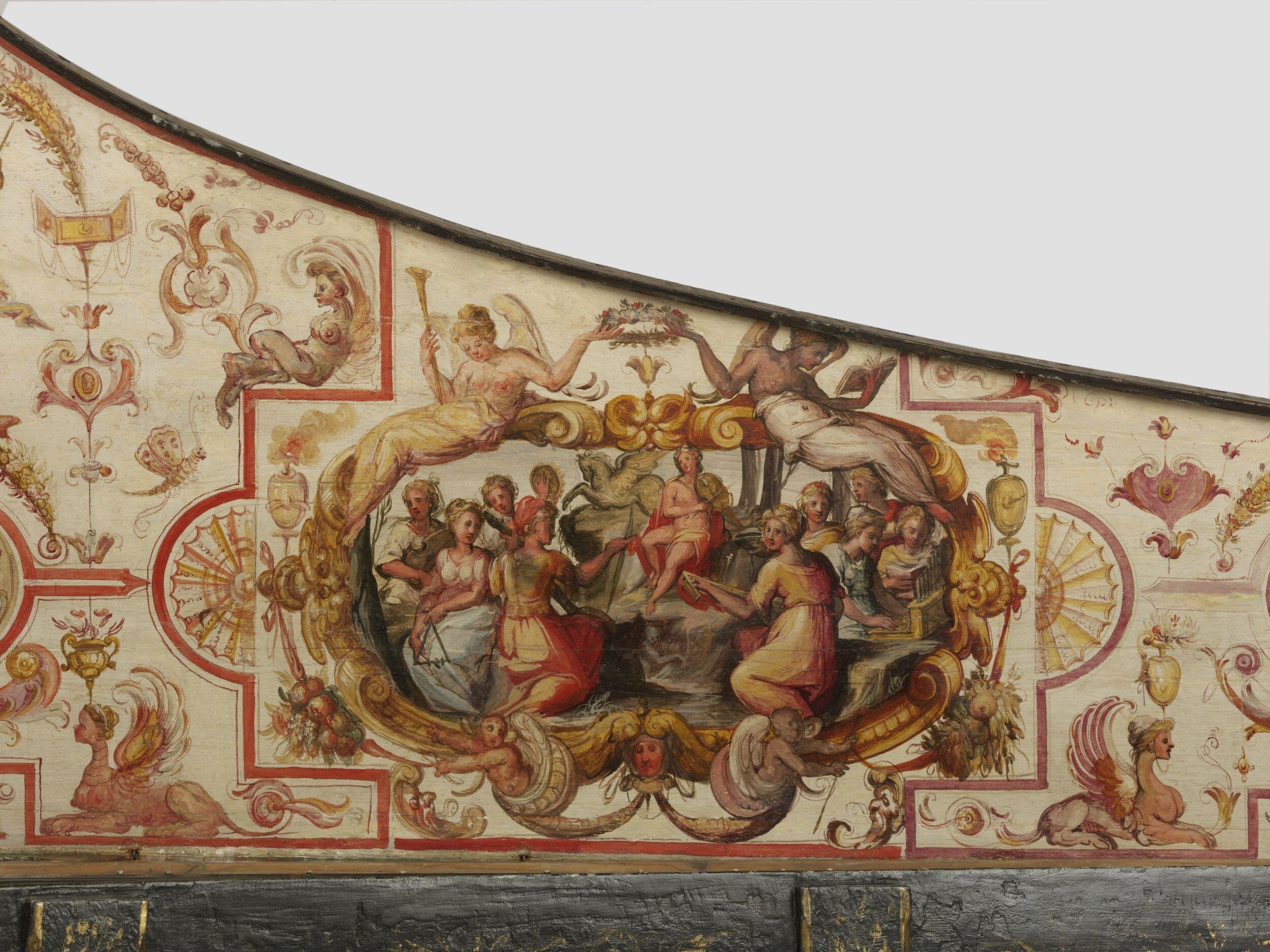
Figure 62: Giovanni Baffo, Harpsichord, 1574, Victoria and Albert Museum, 6007-1859; <https://collections.vam.ac.uk/item/O58982/baffo-harpsichord-harpsichord-baffo-giovanni-antonio/?carousel-image=2009BY8531> (accessed on 4 March 2025).
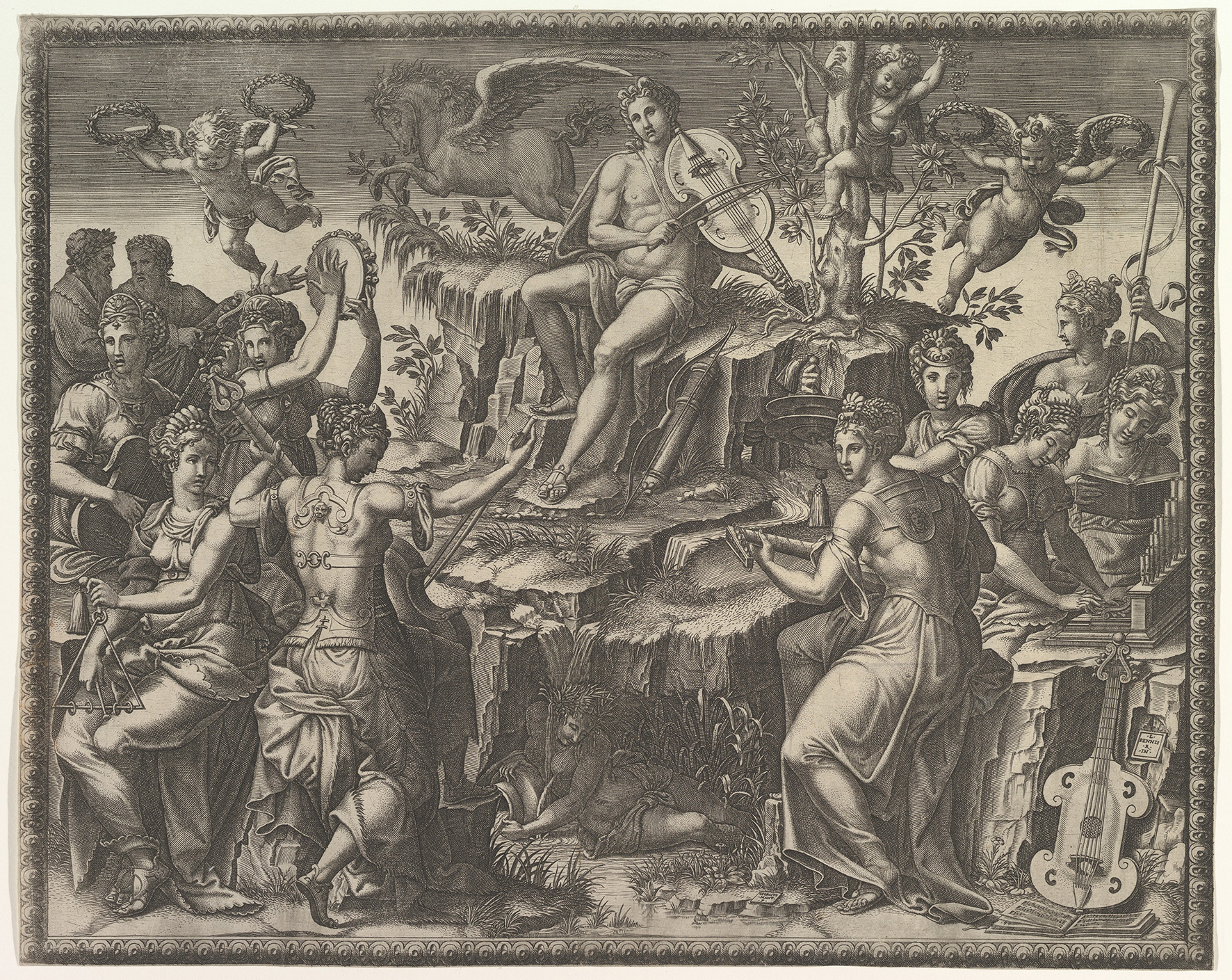
Figure 63: Giorgio Ghisi after Luca Penni, Apollo and the Muses, c. 1557, copperplate engraving, 33 x 41.5 cm, Metropolitan Museum of Art, New York, 49.95.11; <https://www.metmuseum.org/art/collection/search/367534> (accessed on 4 March 2025).
About a third of the examined instrumental paintings follow Lomazzo’s recommendations about choosing a musical theme as do those just discussed. A remarkable constant, however, is that almost all of the depicted scenes take place outdoors. The landscape usually serves merely as a backdrop to the depicted narrative – just as the natural landscape only took on the status of an independent pictorial motif in panel painting at large from the first third of the 16th century onward.92 For the most part, it was human-cultivated environments and not the natural landscape that formed the setting for the ‘actions’ of the figures. Gardens and parks as well as real and fictitious vedute were preferred for this purpose, since uncultivated nature was still perceived as wild and threatening. For example, the oldest surviving virginal by Hans Rucker (Fig. 64) shows a hunt for two bears that had probably ventured too close to human dwellings. Ten men, two of them on horseback, attack the bears with sticks and nine dogs while a woman watches from the safety of a house entrance.
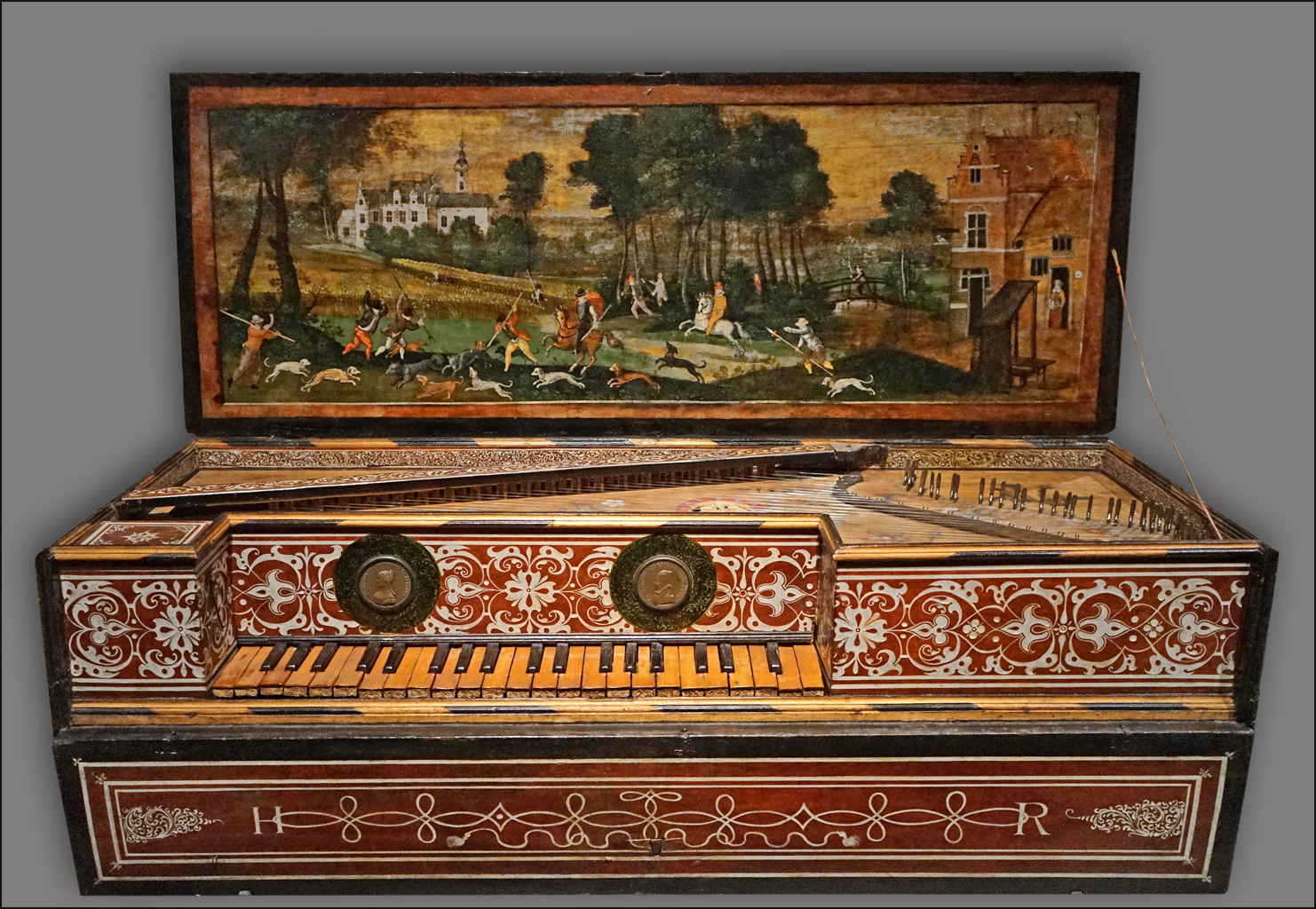
Figure 64: Hans Ruckers, Virginal, 1583, Musée de la Musique, Paris, E.986.12; <https://commons.wikimedia.org/wiki/File:Virginale_%28Musée_de_la_musique,_Philharmonie_de_Paris%29_%2816147420450%29.jpg> (accessed on 4 March 2025).
Landscape generally serves as a foil for the various pictorial themes. For example, the virginal by Bruneto Veronensis from 1564 (Fig. 65) shows an idealised version of tamed nature in the form of geometrically structured garden beds fronting a magnificent palace complex of typically Italianate appearance with a fountain and the obligatory musicians in the stage-like foreground. Here, as so often on instruments of this period, the natural landscape is pushed to the margins and kept in check by clear borders of one sort or another.
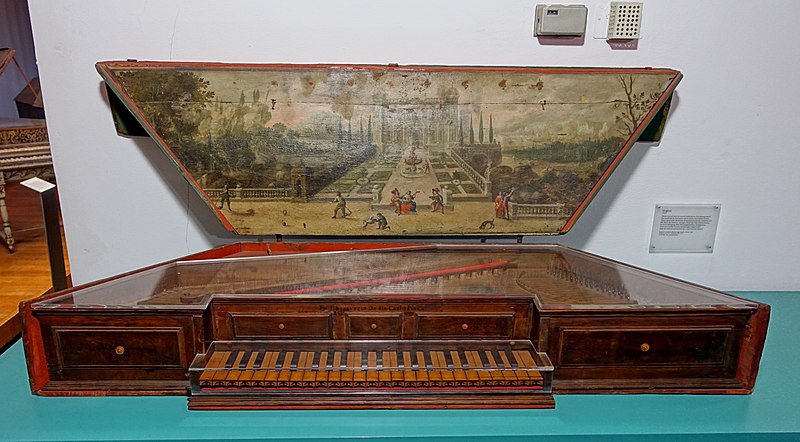
Figure 65 Bruneto Veronensis, Virginal, 1564, Germanisches Nationalmuseum, Nuremberg, MIR 1082; <http://objektkatalog.gnm.de/objekt/MIR1082> (accessed on 4 March 2025).
It was not until the 17th century that lid paintings with Arcadian-style landscapes à la Poussin and Lorrain appeared in which figures feature only as staffage and the landscape itself constitutes the main theme. The virginal of Donatus de Undeis from as early as 1590 (Fig. 66) already shows a section of an idyllic coastal landscape of this type, with staffage figures playing music between ancient-seeming ruins.
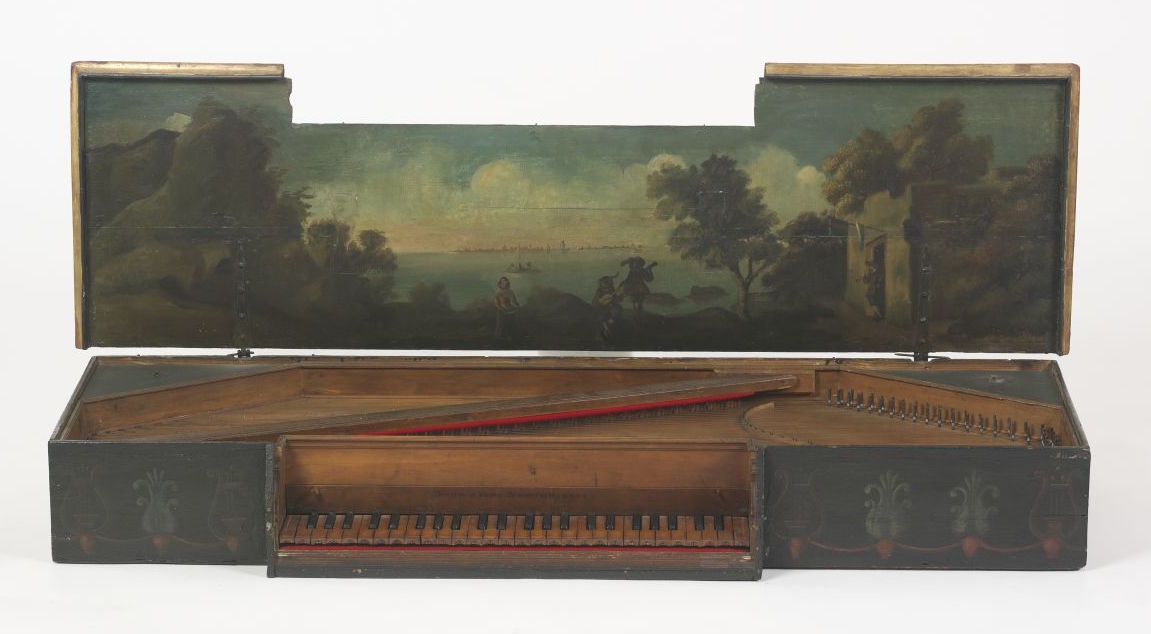
Figure 66: Donatus de Undeis, Virginal, 1590, Germanisches Nationalmuseum, Nuremberg, MIR 1087; <http://objektkatalog.gnm.de/objekt/MIR1087> (accessed on 4 March 2025).)
Bodies of water, be they in the form of fountains, canals, streams, rivers, lakes, or the open sea, are a frequently occurring motif from nature. This should come as no surprise: the fleetingness of the moment, constant change, and motion characterise both water and music, for which reason painters doubtless employed water metaphorically. Seascapes, however, are found only sporadically in the 16th century; a rare example is a clavichord of unknown origin, now in the Musée de la Musique Paris, known as de Lépante (Fig. 67). The painting on its lid probably commemorates the Battle of Lepanto (1571), in which the Christian powers of the Mediterranean were victorious against the Ottomans. Numerous prints and paintings – one example of which is the late 16th-century painting The Battle of Lepanto at the National Maritime Museum in London (Fig. 68) – immortalised this event and could have served as models for the lid painting.
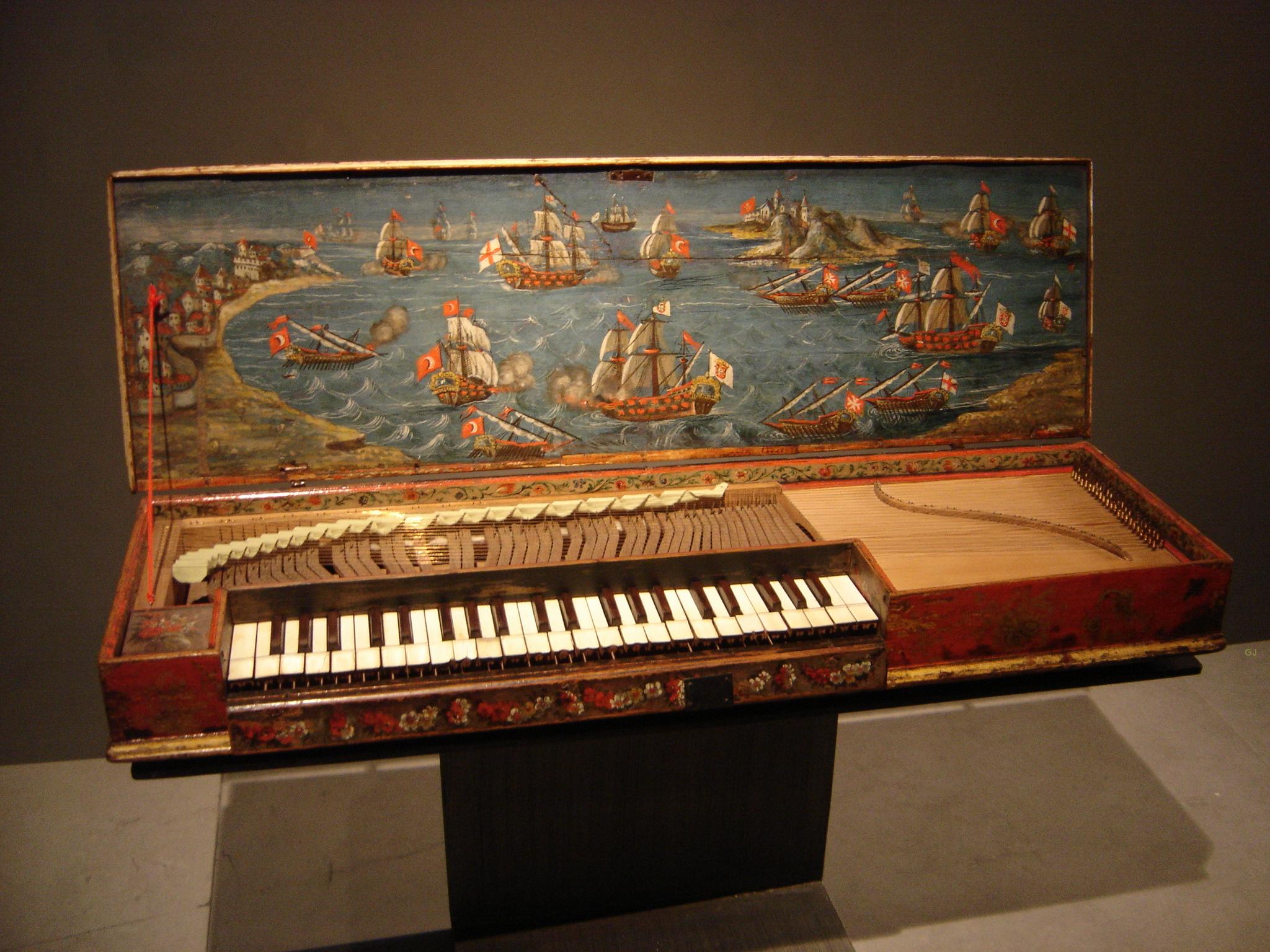
Figure 67: Anon., Clavichord, 16th century, Musée de la Musique, Paris, E.2111; <https://commons.wikimedia.org/wiki/File:Clavicorde_Lépante.JPG> (accessed on 4 March 2025).
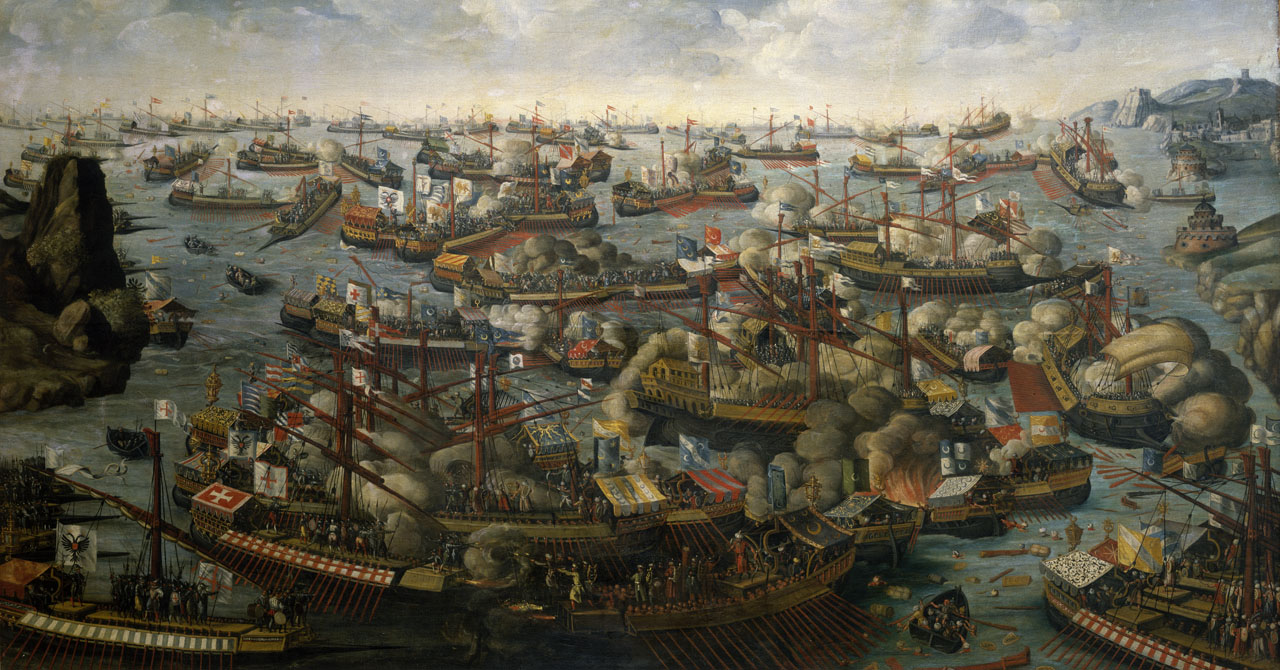
Figure 68: Anon., The Battle of Lepanto, late 16th century, oil/canvas, 127 x 232.4 cm, National Maritime Museum, London, BHC0261; <https://www.rmg.co.uk/collections/objects/rmgc-object-11753> (accessed on 4 March 2025).
One also finds Biblical and mythological themes embedded in landscapes. On the 1598 virginal by Alessandro Fabri in the Tagliavini Collection at the Museo di San Colombano in Bologna, one of the figures most symbolic of music, David, is positioned front and centre in an otherwise deserted landscape both as a king and as a psalmist with a harp (Fig. 69). The rocky fortress towering on the horizon could refer to the Castle of Zion and David’s prayer of thanksgiving, 2 Samuel 22:1–4: ‘The Lord is my rock, and my fortress, and my deliverer, the God of my rock, […] my high tower, my refuge, my saviour’. The painting is attributed to the Greek-born painter Belisario Corenzio (1558–after 1646), who was one of the most colourful artistic figures in Naples at the time.93
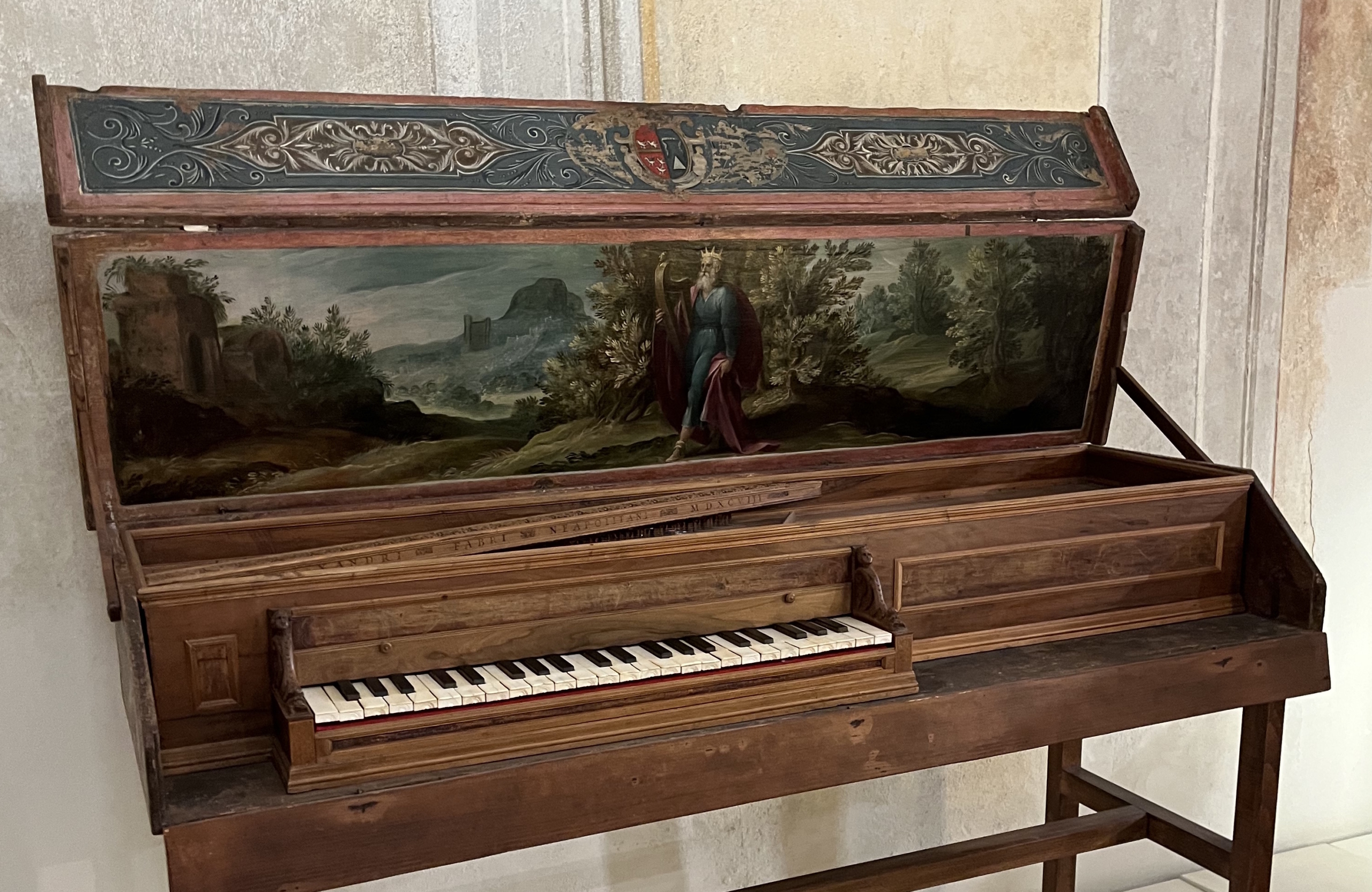
Figure 69: Alessandro Fabri, Rectangular Spinet (Naples, 1598), Tagliavini Collection, Bologna (Photo: Catalina Vicens, @Museo di San Colombano – Collezione Tagliavini, Genus Bononiae)
In the 16th century, unlike during the 17th, bloody episodes from mythology and the Bible such as the contest between Apollo and Marsyas feature only occasionally. One of the few lid paintings of this kind, on an Italian harpsichord built by Joseph Salodiensis in 1559 (Figs. 70–1), has an interesting history. The extant front flap and main lid of the lost protective case were both cut from older panel paintings and then joined together with hinges. In 1882, the Austrian painter Friedrich Amerling acquired the instrument along with its lid in Venice for his collection, presumably in part due to the attractive decoration.94 The main lid shows only Apollo’s flaying of the Dionysian flute player Marsyas without the preceding musical contest in which Apollo had triumphed. Marsyas’ cruel punishment is contrasted with a small peasant dance scene in the background. The competing instruments, the Apollonian lyre and the Dionysian pan-flute, lie symbolically in the foreground. The theme on the front flap has no direct literary connection with that of the main lid: it shows an antique-style scene with women playing music. The anonymous painter probably assembled the pictorial composition here from parts of well-known panel paintings.95 The posture and leg position of the unclothed singer in the foreground seem to be modelled on Titian’s painting Sacred and Profane Love (1515) (Fig. 72), and the two female gambists pictured at left are quite exact copies of the engraving Mankind before the Flood (Fig. 73) by the Flemish painter and engraver Jan Sadeler I. Overall, one is reminded of Tintoretto’s Music-Making Women (Fig. 74).
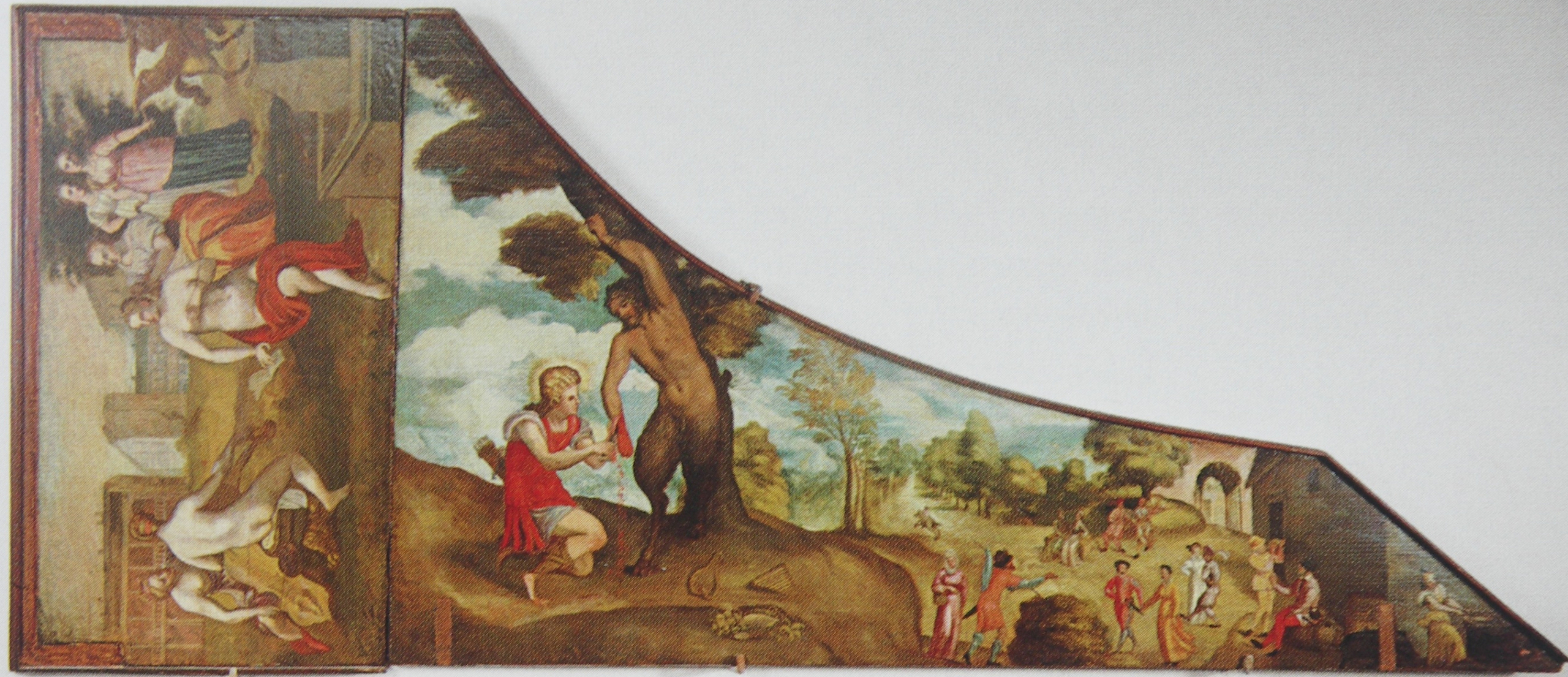
Figure 70: Joseph Salodiensis, Harpsichord, 1559/80, Kunsthistorisches Museum, Vienna, SAM 630 (Photo: H. Pollerus).
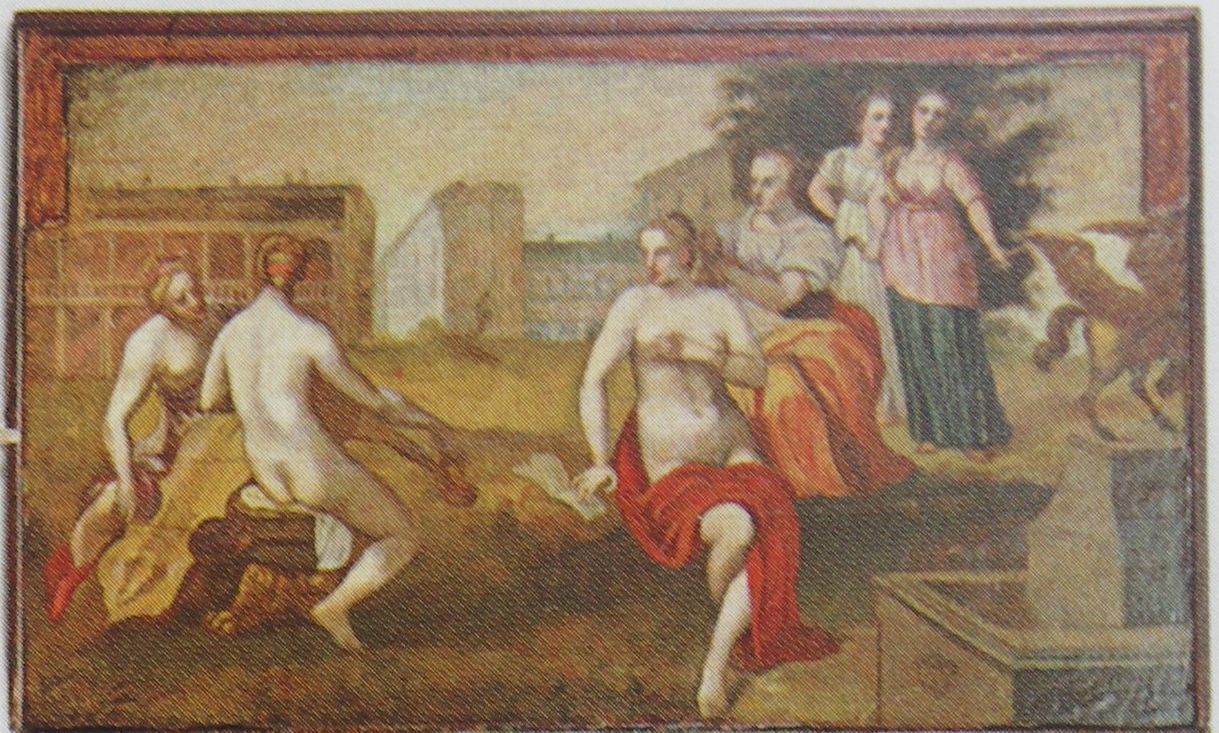
Figure 71: Joseph Salodiensis, Harpsichord, front cover, 1559/80, Kunsthistorisches Museum, Vienna, SAM 630 (Photo: H. Pollerus).
Figure 72: Titian, Sacred and Profane Love, 1515, oil/canvas, 118 x 278 cm, Galleria Borghese, Rome, 147; <https://commons.wikimedia.org/wiki/File:Tizian_029.jpg?uselang=de> (accessed on 4 March 2025).
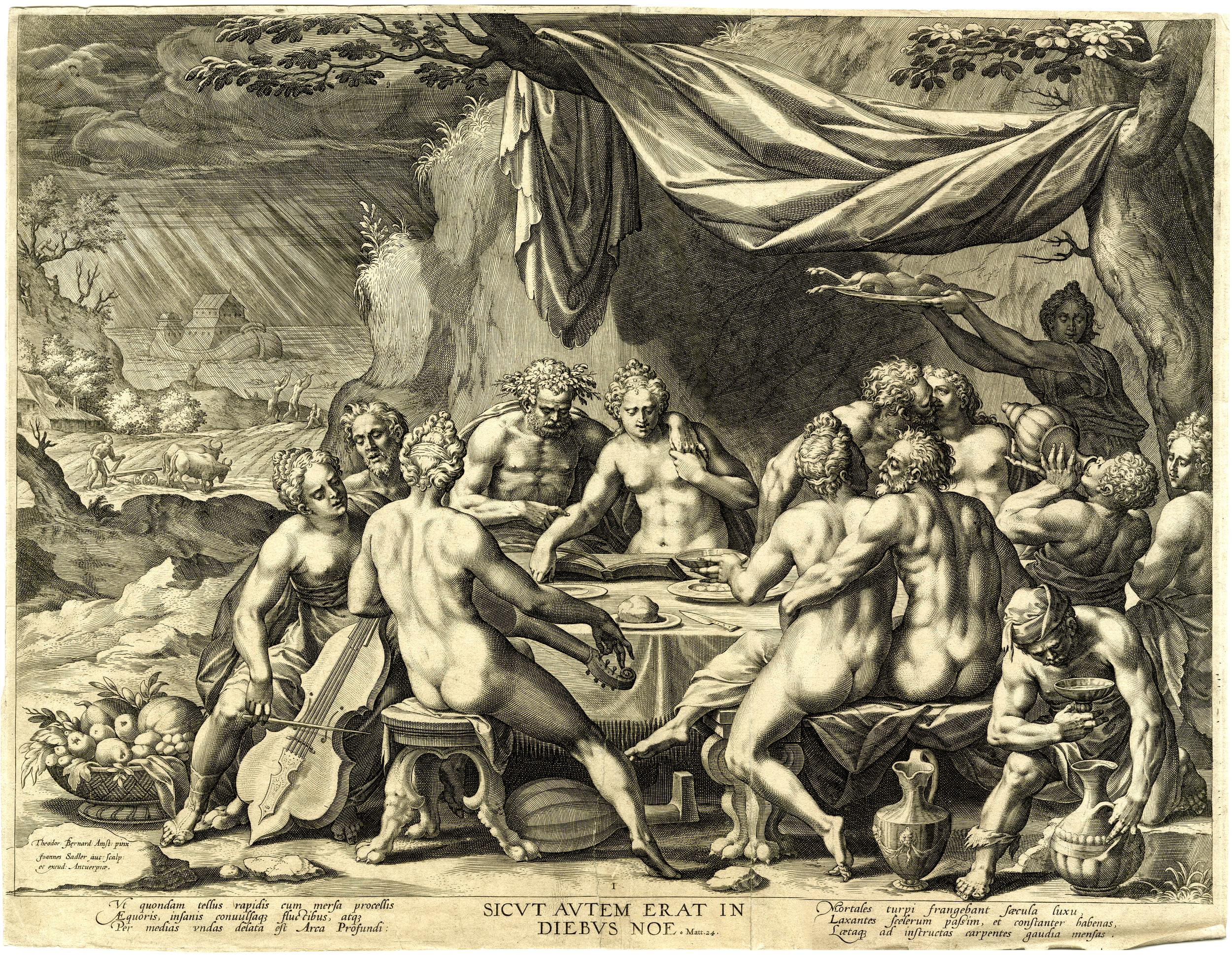
Figure 73: Jan Sadeler I after Dirck Barendsz, Mankind before the Flood, 1581–5, coloured copperplate engraving, 34.7 x 44.7 cm, The British Museum, London; <https://www.britishmuseum.org/collection/object/P_D-5-61> (accessed on 4 March 2025).
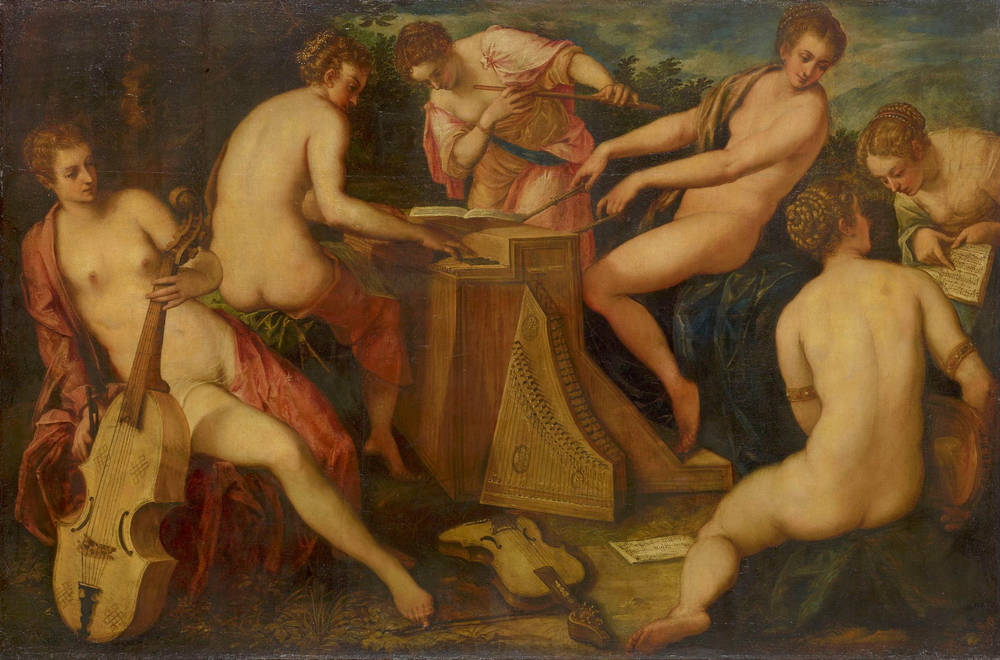
Figure 74: Tintoretto, Music-Making Women, after 1566, oil/canvas, 142 x 214 cm, Old Masters Picture Gallery, Dresden, 265; <https://www.skd.museum/programm/alle-macht-der-imagination-tschechische-saison-in-dresden/boehmische-spuren-in-der-gemaeldegalerie-alte-meister/#c32896> (accessed on 4 March 2025).
The lid painting on Lodewijk Grouwels’ double virginal (Fig. 75) is probably part of its original decoration. It illustrates the Old Testament story of David’s victory in the battle of the Israelites against the Philistines. During the triumphal entry into Jerusalem (with a rather urban setting hence depicted here), David carries Goliath’s huge severed head beneath a canopy borne by two slim, elegant ladies; according to 1 Samuel 18:6–7, he was received by ‘women [who] came out of all cities of Israel, singing and dancing […] with tabrets, with joy, and with instruments of musick.’ It is thus that even this painting for an instrument contains at least a secondary musical reference.
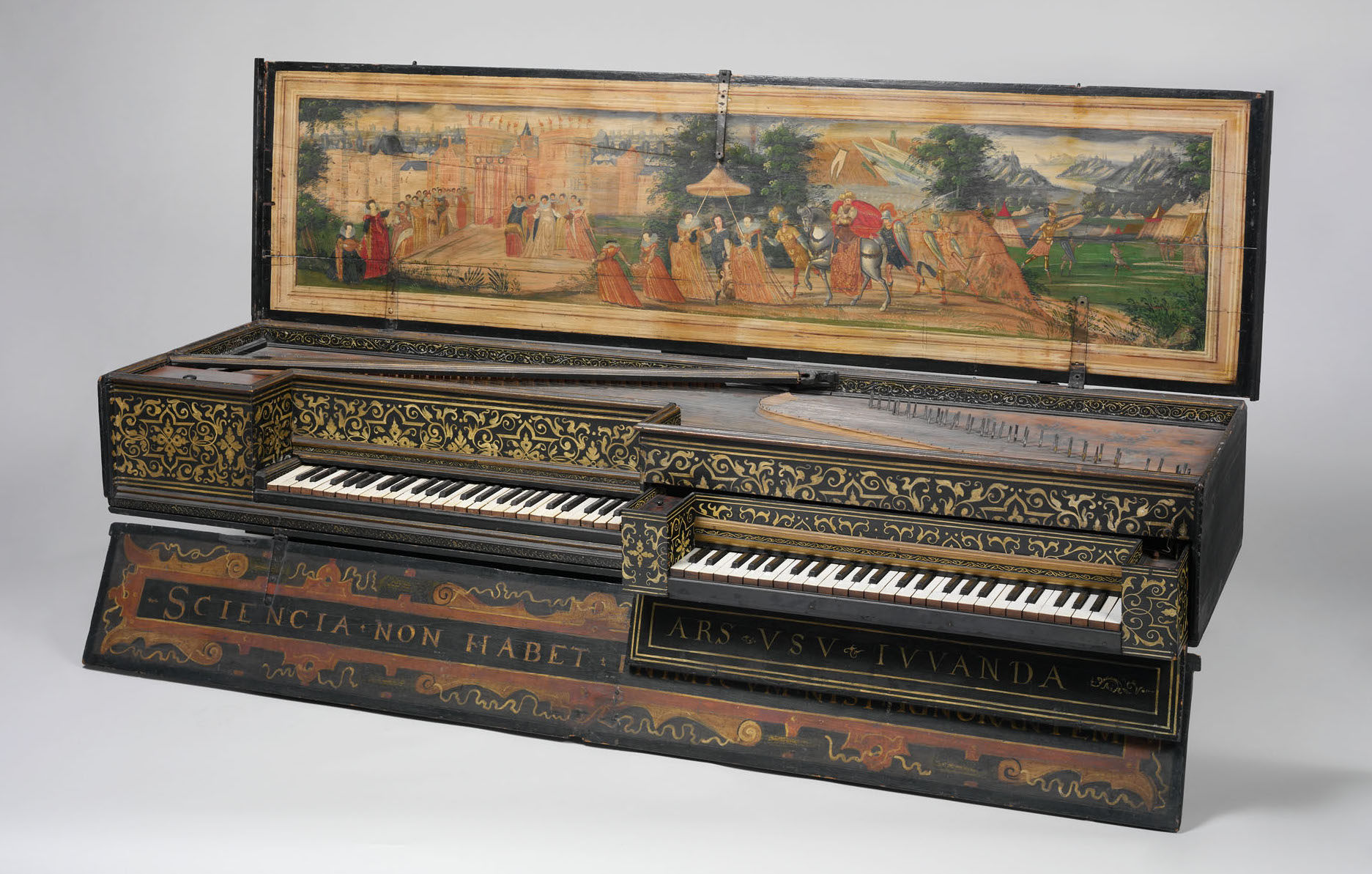
Figure 75: Lodewijk Grouwels, Double Virginal, 1600, Metropolitan Museum of Art, New York, 89.4.1196; <https://www.metmuseum.org/art/collection/search/501767> (accessed on 4 March 2025).
Overall, 16th-century instruments do not exhibit the same variety of pictorial themes as do those from later times. In Italy, where the influence of rediscovered ancient buildings and artworks was omnipresent, the forms and content from ancient pagan mythology naturally predominated, while in the southern Netherlands, the emerging pleasure and garden culture as well as a certain profane cosmopolitanism were reflected in depictions of idealised segments of reality. Even so, the astonishing mobility of artists – and, more importantly, artistic innovations’ widespread dissemination from both Italy and the Netherlands through woodcuts and copperplate engravings – contributed to the supra-regional exchange of more or less canonised pictorial themes and ornaments.
Soundboard and Rose
Very few original painted soundboards from the 16th century survive, and knowledge of 16th-century soundboard decorators and rose-makers is also quite scant. A number of more extensive studies exist concerning later periods.96 At least in the 17th century, each Flemish instrument maker worked mainly with one particular painter for the soundboard and the entire decoration, resulting in a personal style and the recognisability of their instruments.97 The maker’s signature then included the decorator’s services. This can be presumed to have already been the case with the instruments by Jost Karest, who employed his brother Goosen Karest as a painter in 1538 under an exclusive contract.98
Apart from their acoustic function, soundboards and roses are components that allow the transformation of decoration and its interpretation to be observed with particular ease. As is well known, 16th-century Italian cypress soundboards featured surfaces of a natural appearance amidst which elaborate roses, sometimes made of precious materials, worked their effect. An anonymous harpsichord, c.1540, at the Museum für Kunst und Gewerbe Hamburg (Figs. 76–7) displays a multi-dimensional rose typical of this type, constructed from a circle and a star, which is set into the soundboard in three tiers and whose ornamental band sits upon it in the manner of a ‘lace collar’.
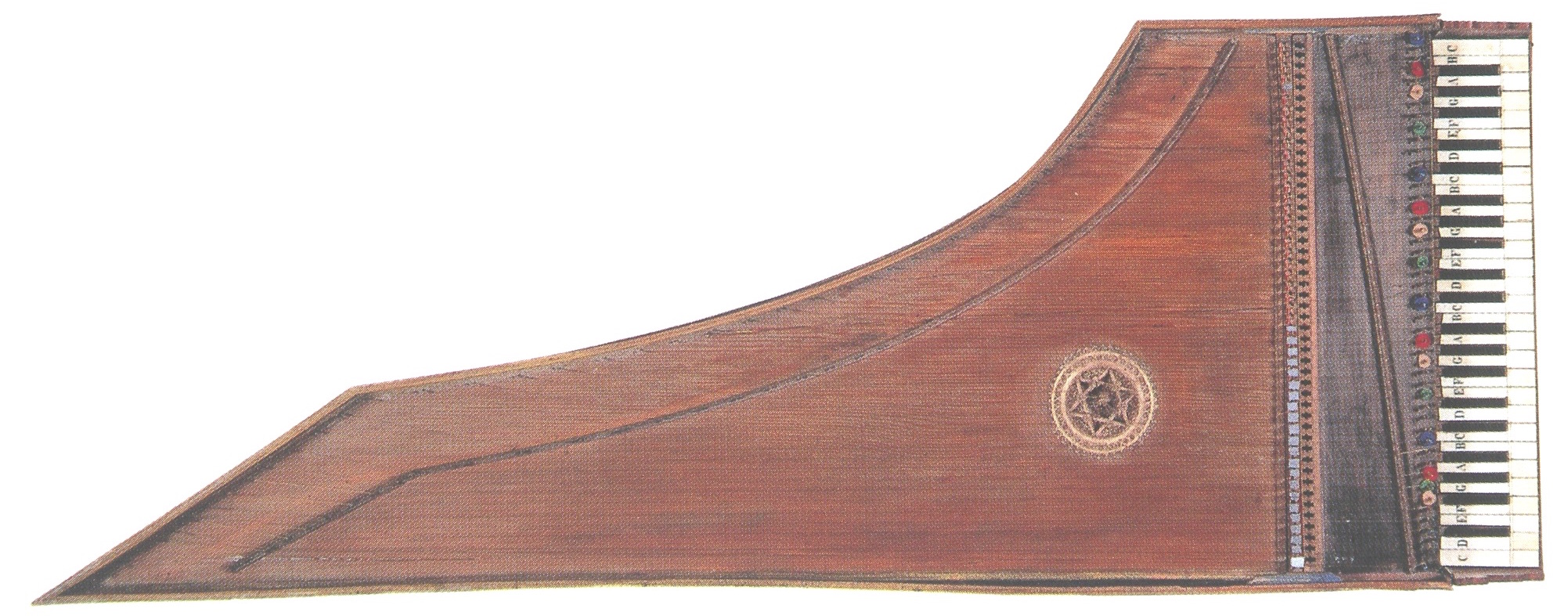
Figure 76: Anon., Harpsichord, c. 1540, Museum für Kunst und Gewerbe Hamburg, 2000.501, in: Andreas Beurmann, Historische Tasteninstrumente (Munich, 2000), p. xx.
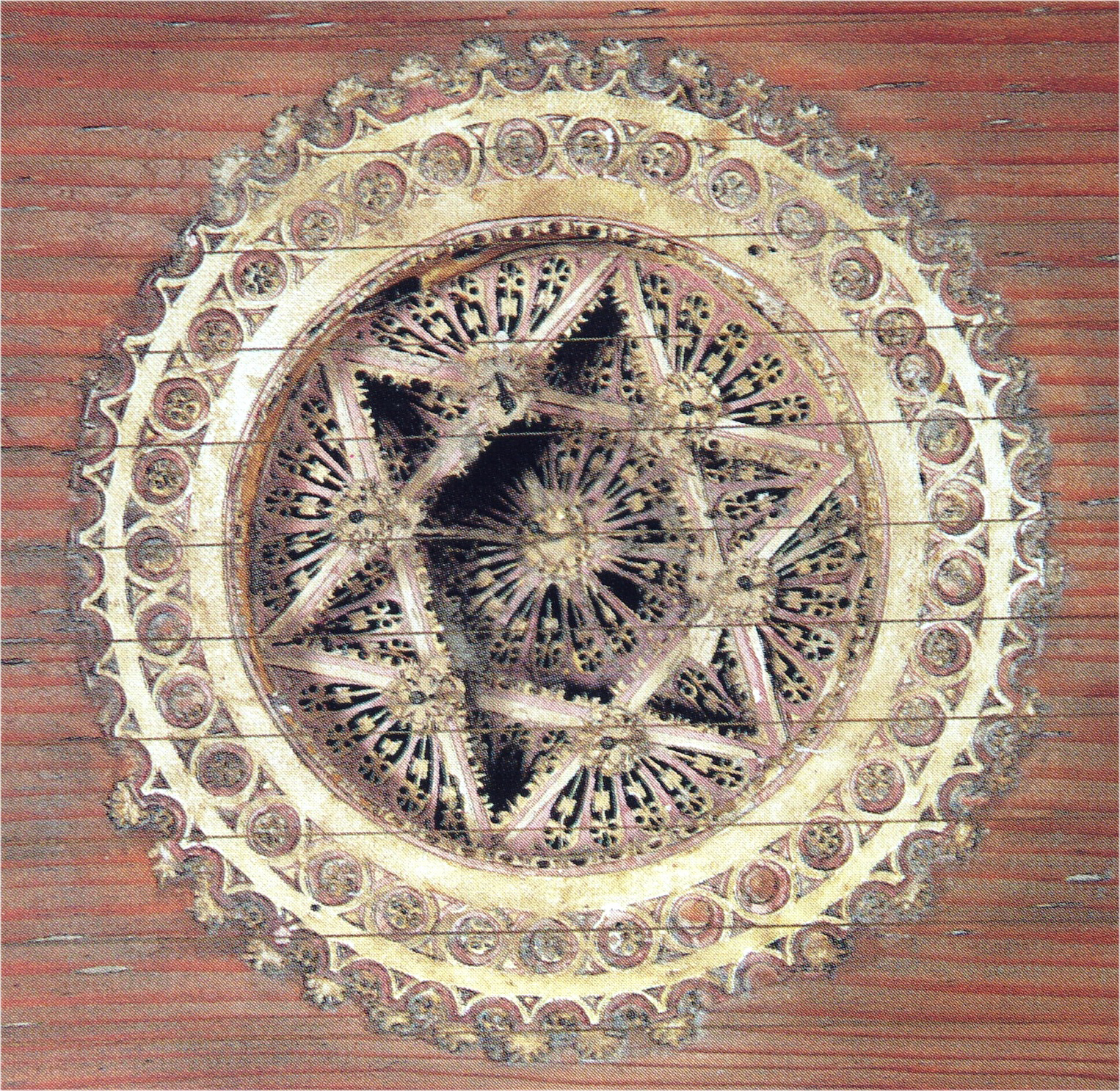
Fig. 77: Anon., Harpsichord, rose, c. 1540, Museum für Kunst und Gewerbe Hamburg, 2000.501, in: Andreas Beurmann, Historische Tasteninstrumente (Munich, 2000), p. xx.
Italian cypress soundboards are said to have a wonderful enduring fragrance. In a baroque retelling of an ancient idea, a curious parallel is drawn between scent and sound:
Epicurus meynte, daß aus den Cörpern, die einen Klang erregten, gewisse Cörperlein giengen, welche in unsern Ohren den Schall verursachten, wie es sonst bey den Cörpern geschicht, die einen Geruch von sich geben.99
(‘Epicurus was of the opinion that sound-producing bodies emitted certain little corpuscles that caused the sound in our ears, as also happens with bodies that produce a smell.’)
In any case, the notion of scent seems to have played an important role in the design of soundboards. In the southern Netherlands from the middle of the 16th century, for example, soundboards – which, there, were mostly made of spruce – were painted with ‘fragrant’ scattered flowers, fruits, and small animals. A double virginal by Hans Ruckers from 1581 (Fig. 78) shows clearly how this approach differed from the Italian practice.
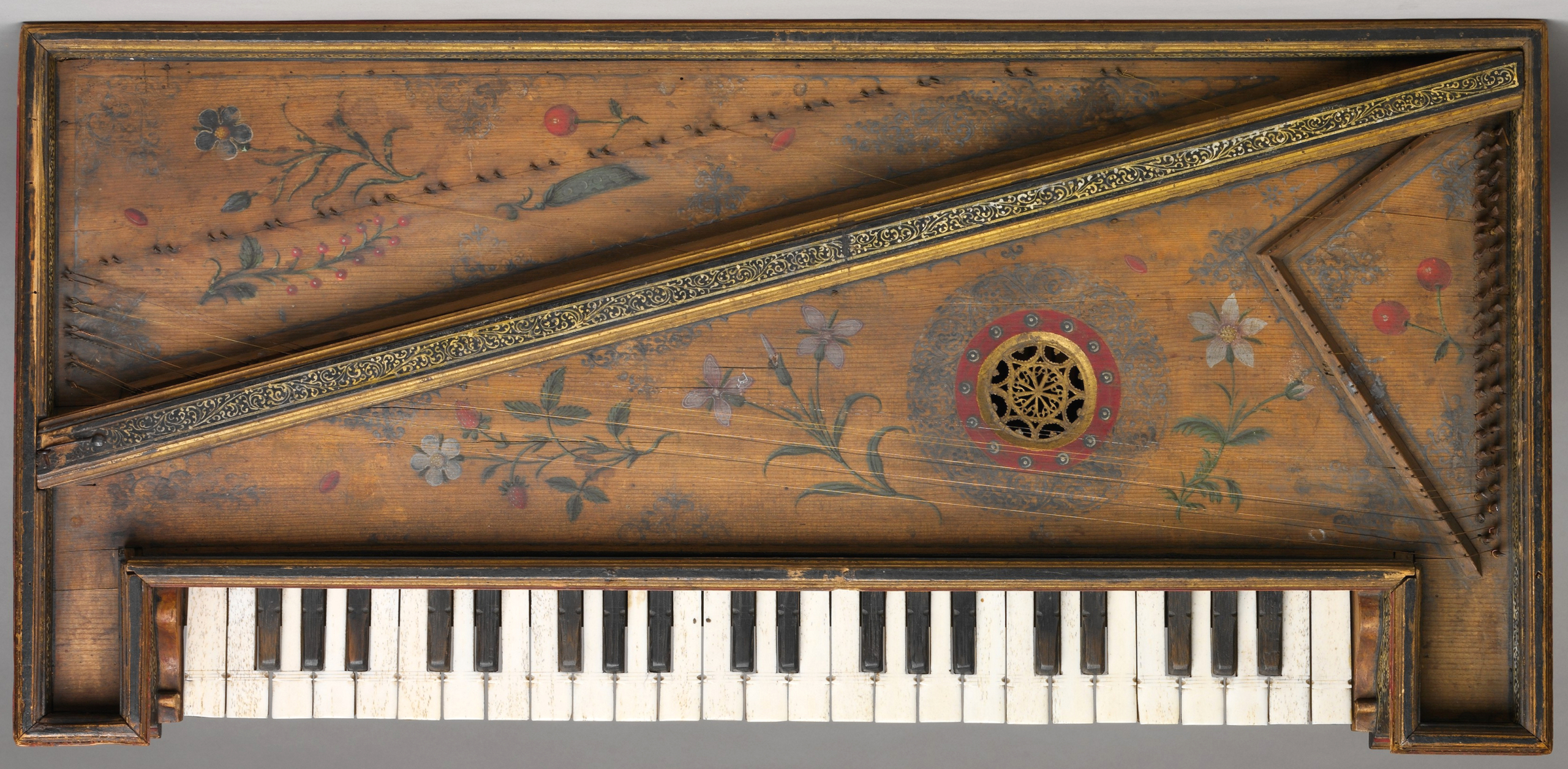
Figure 78: Hans Ruckers, Double Virginal, 1581, Metropolitan Museum of Art, New York, 29.90; <https://www.metmuseum.org/art/collection/search/503676> (accessed on 4 March 2025).
Due to clear formal and iconographic correspondence with Marian and occasionally Christological pictorial elements in other works of art, I propose that soundboard and rose designs be interpreted as allegories of the ‘hortus conclusus’.100 This pictorial motif of an enclosed garden refers to the Song of Solomon (especially 4:12) in the Old Testament. It is depicted in many famous paintings, always in connection with certain plant elements such as aquilegia, lilies, roses, strawberry blossoms, etc. – which one also finds on soundboards. Hans Ruckers’ virginal from 1583 (Fig. 79) shows a strawberry plant in a typically Marian manner, bearing fruit and blossoms simultaneously. The sides of instrument cases form the walled enclosures characteristic of the ‘enclosed garden’ – and in one anonymous Italian virginal from the 17th century at the Musical Instrument Museum in Brussels,101 the sides are even designed to resemble a fence entwined with greenery (Fig. 80).
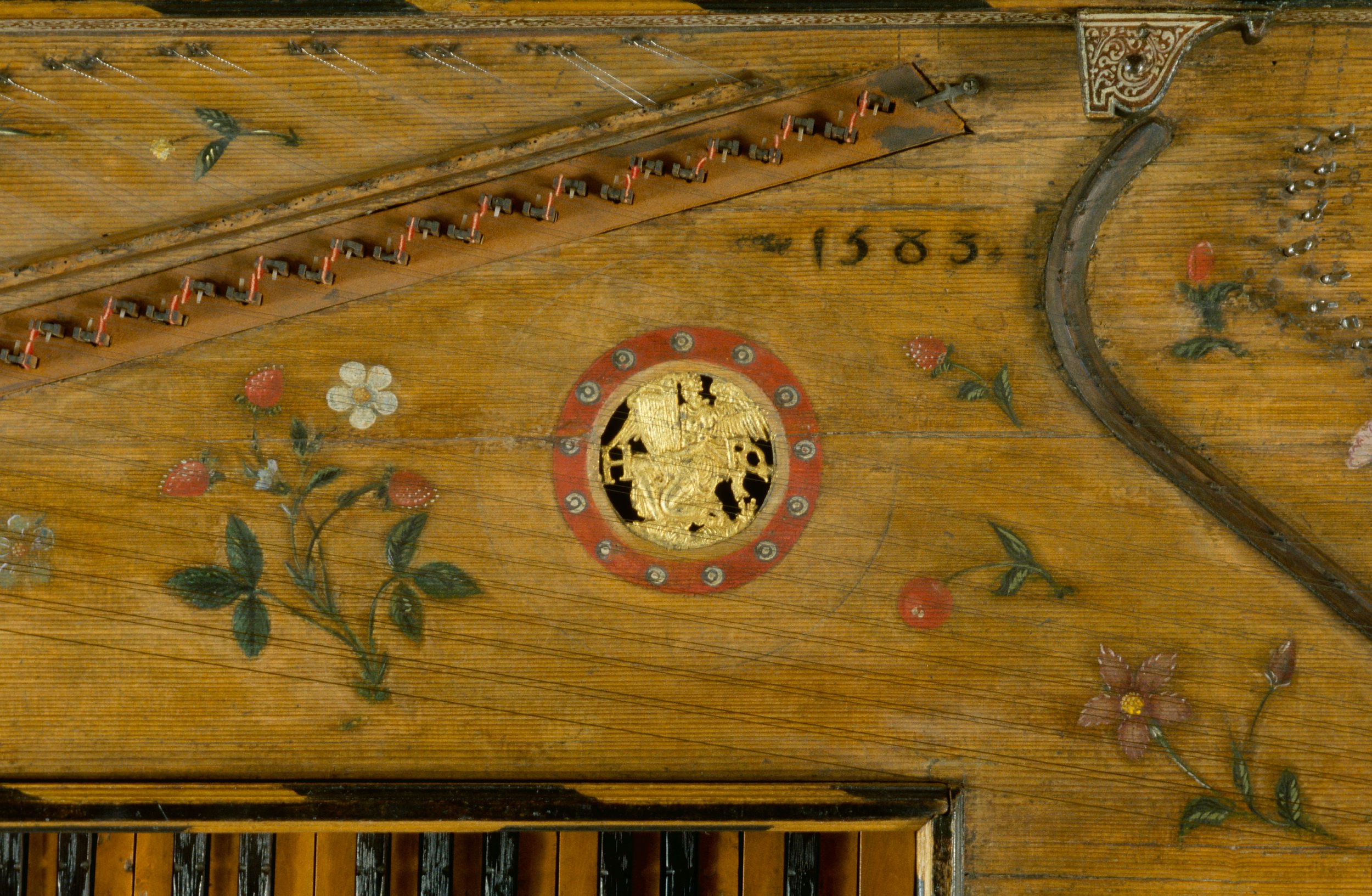
Figure 79: Hans Ruckers, Virginal, 1583, Musée de la Musique Paris, E.986.1.2; <https://mimo-international.com/media/CM/IMAGE/CMIM000023490.jpg?_ga=2.221891676.552757129.1659460502-146864436.1616342545> (accessed on 4 March 2025).
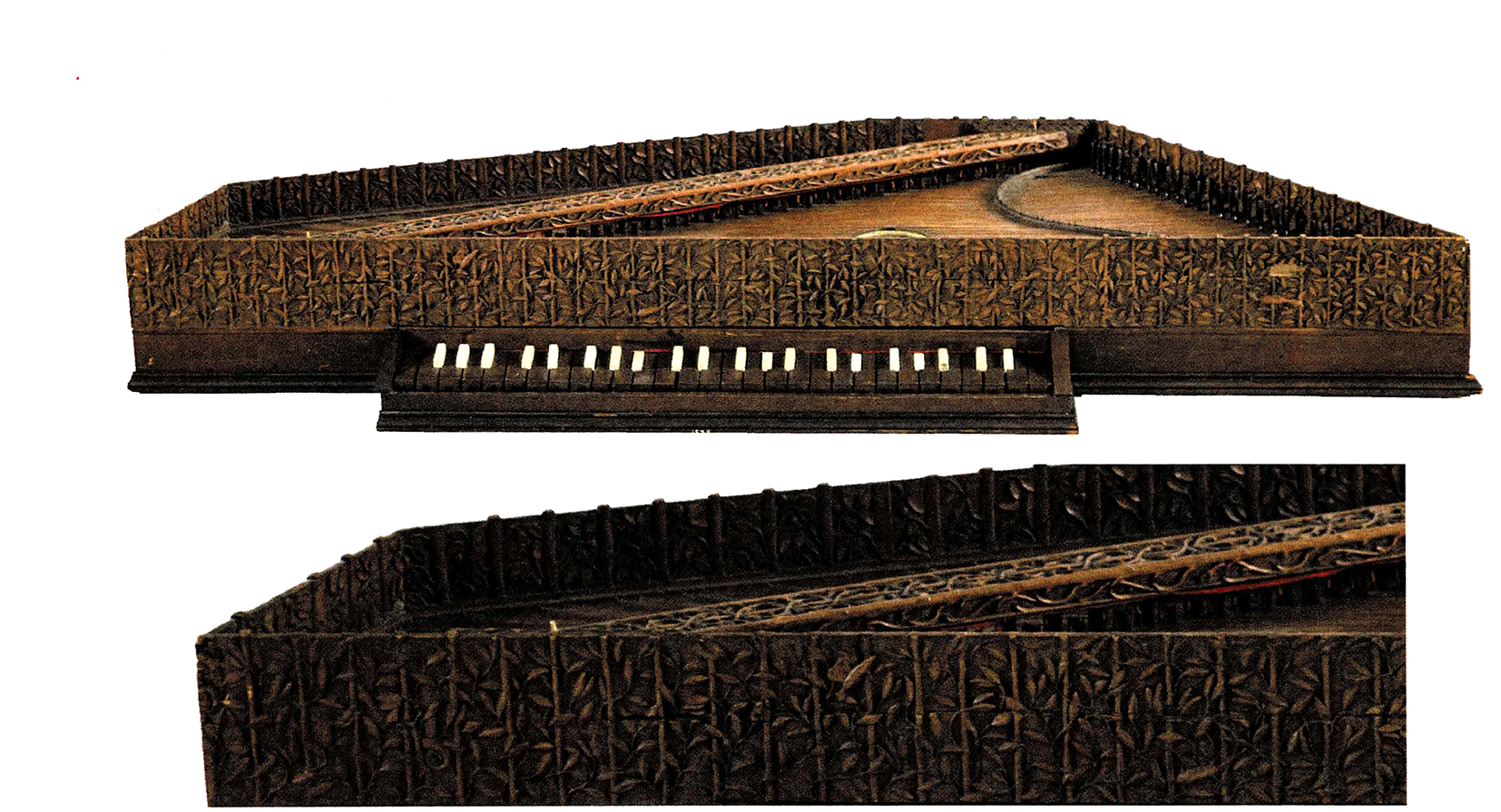
Figure 80: Anon., Virginal, 17th century, Musical Instrument Museum, Brussels, 1579, in: Heidelinde Pollerus, Tasteninstrumente als kunsthistorische Objekte (Graz/Vienna, 2018), 190.
The emergence of soundboard painting and instrument mottos in the southern Netherlands at about the same time points to a common background: the pervasion of a certain religious mindset during the Reformation and Counter-Reformation. The very fact that soundboard decoration is only barely visible from musicians’ and audience’s ordinary positions, achieving its overall effect only when seen from above, suggests that in the context of the ‘hortus conclusus’ this decoration originally may have been intended ‘Soli Deo Gloria’.102 Moreover, Sheridan Germann mentions symbolism as an essential component of Flemish soundboard painting.103 Since the blossom and its fragrance are only ephemeral, painted flowers offer themselves as a symbol of transience in conjunction with the sound rising from the soundboard. The allegory of the enclosed garden is often complemented by caterpillars, moths, and butterflies as symbols of metamorphosis and as a Christological image of death and resurrection. The birds sometimes seen sitting on branches – of species such as kingfisher, goldfinch, and hoopoe – symbolise the human soul, pointing to the understanding of the soundboard as the soul of the instrument.104
It should be added that in the southern Netherlands during the second half of the 16th century, in parallel with the increased scientific interest in botany and the intensive cultivation of ornamental plants, Antwerp arose as a centre of flower painting. Jan Brueghel the Elder was even famously given the epithet ‘Flower Brueghel’. The exotic and precious luxury flowers found on early 17th-century soundboards, especially the tulip, were probably employed more in the interest of representation without any religious connotation. During the 16th century, however, almost all of the flowers displayed on soundboards were simple wild forms.
The visual aesthetics of soundboard rose designs underwent rapid evolution during the 16th century, and although this evolution was not linear, a common thread does run through the many individual creations. I believe that the soundboard rose (German: Rosette, Italian: rosetta) originally served as a Marian symbol. As early as the 5th century, poets associated the rose mentioned in Song of Songs 2:2 with the Virgin Mary. In the traditions of the medieval cult of Mary, the rose became an important iconographic motif in sacred art – institutionalised, for example, by the Feast of the Rosary, introduced by Pope Pius V in 1572, and by the Laurentian Litany approved by Pope Sixtus V in 1587 with its invocation of Mary as the mysterious ‘Rosa mystica’. This association between Mary, the horticultural rose, and the harpsichord rose is underlined by the interpretation of the soundboard as a ‘hortus conclusus’ in which Mary forms the ‘rose’ at the centre. The visual similarity between the soundboard rose and the type of rose seen particularly in Gothic cathedrals with ‘Notre Dame’ in their name likewise supports this interpretation.105 Compare, for example the rose of a harpsichord made by Dominicus Pisaurensis Venetus (Fig. 81) and the rose window at the Cathédrale Notre-Dame d’Amiens (Fig. 82).
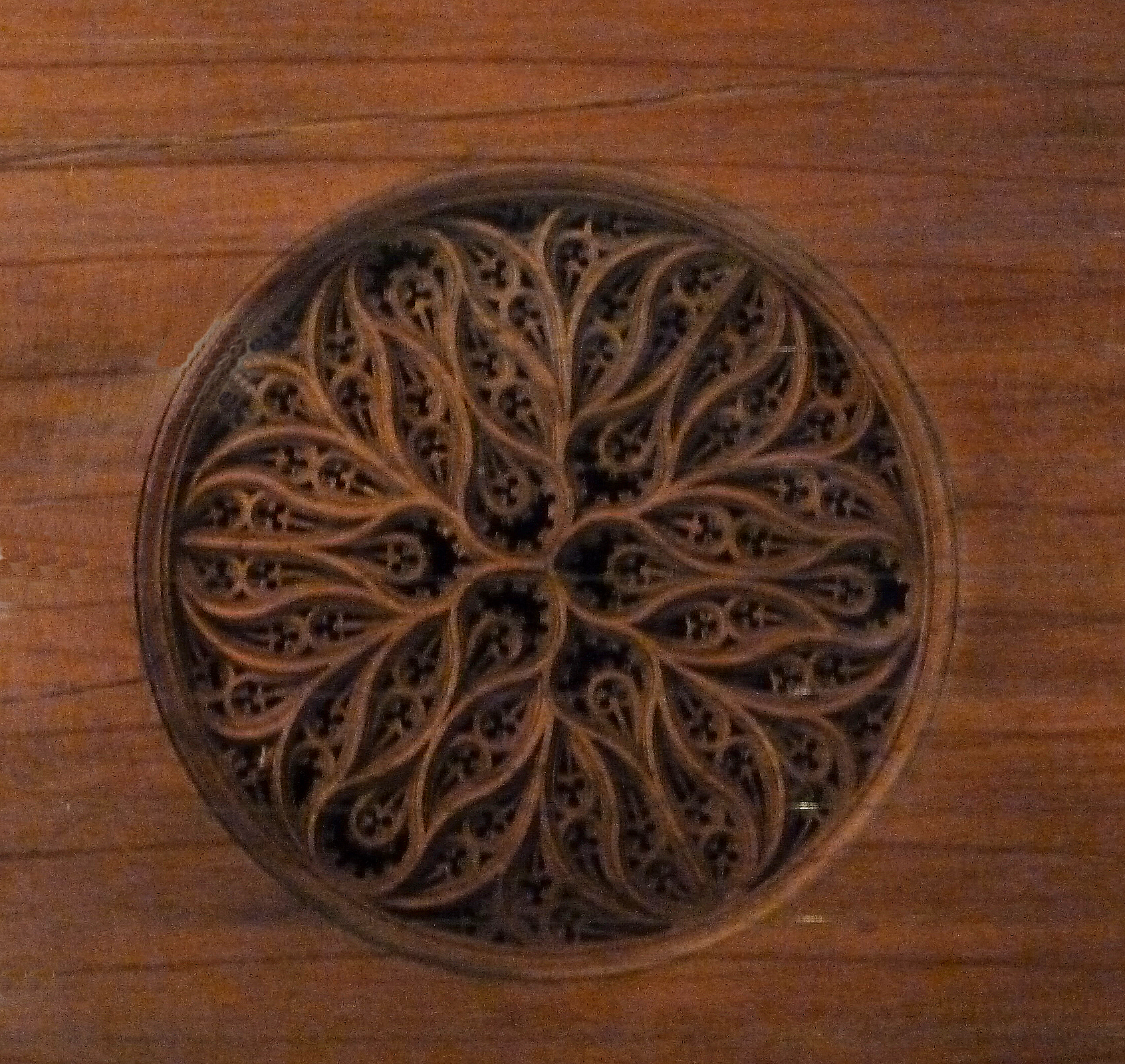
Figure 81: Dominicus Pisaurensis, Harpsichord, rose, 1533, Grassi-Museum Leipzig, 67 (Photo: H. Pollerus).
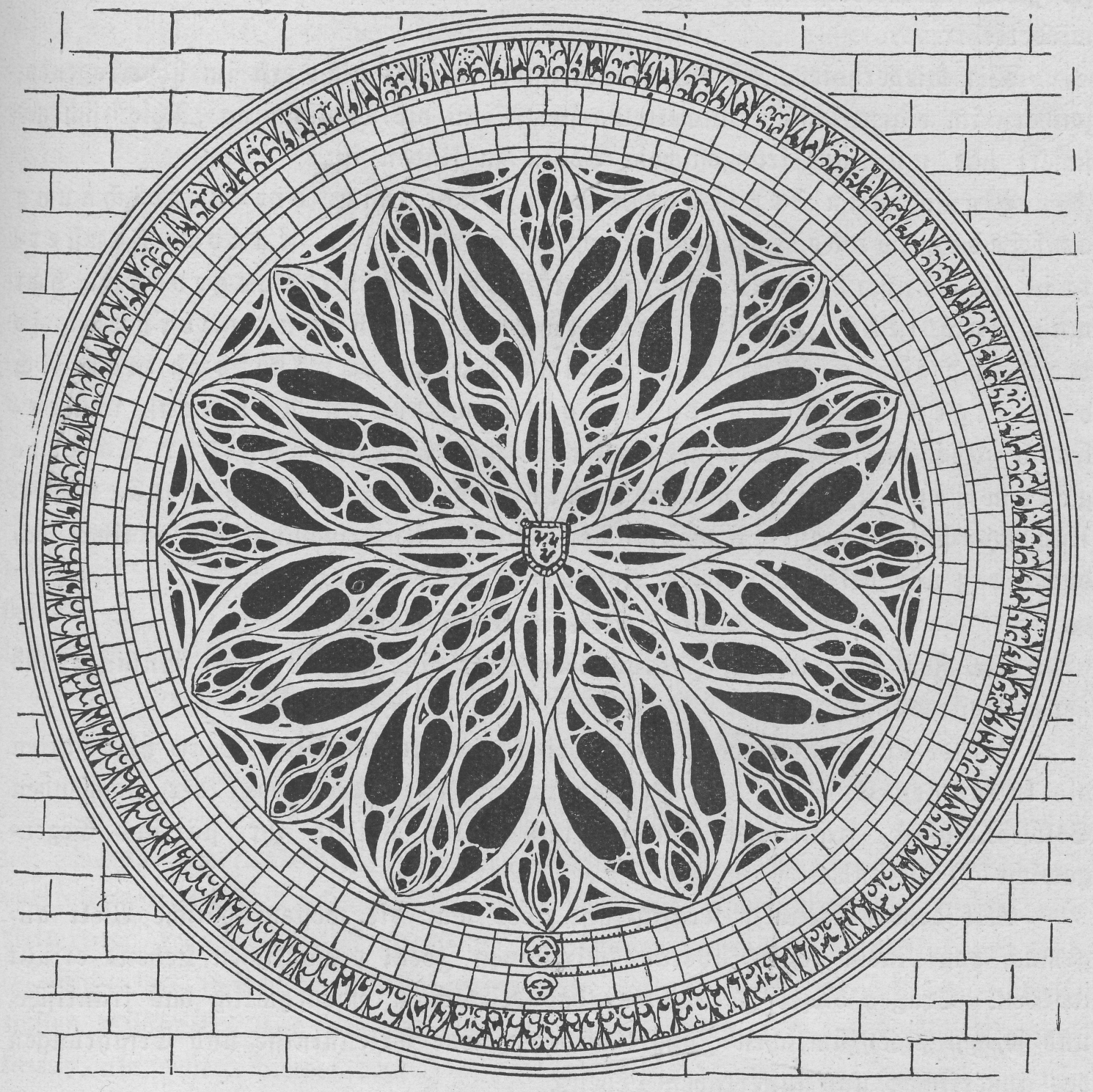
Figur 82: Cathédrale Notre-Dame d’Amiens, 13th century, from: Georg Streng, Das Rosettenmotiv in der Kunst- und Kulturgeschichte (Munich, 1918), 47.
Further evidence for this interpretation is the adoption of the motif of the ‘Madonna in a wreath of flowers’ for the rose designs at the beginning of the 17th century. Developed by Peter Paul Rubens, Henrik van Balen, and Jan Brueghel the Elder shortly after 1600, this type of picture was popular especially in Antwerp. A typical example is the Madonna and Child in a Wreath of Flowers, c. 1618 (Fig. 83), a collaboration between Peter Paul Rubens and Jan Brueghel the Elder. This motif was obviously taken up by Flemish instrument decorators: the initially simple wreath of leaves, which can be seen on the combination instrument by Hans Ruckers from 1594 (Fig. 84), gradually developed into a lush wreath of roses and other flowers with Marian connotations until luxury flowers such as tulips were finally added, as on the harpsichord by Ioannes Ruckers from 1639 in the Victoria and Albert Museum London (Fig. 85). Unlike in the panel paintings, however, the soundboards of early and later Ruckers instruments feature an angel playing the harp in the center of the floral wreath instead of the Madonna. There are probably several reasons for this, including the Ruckers family’s desire to downplay their commitment to Catholicism at a time of religious upheaval.106
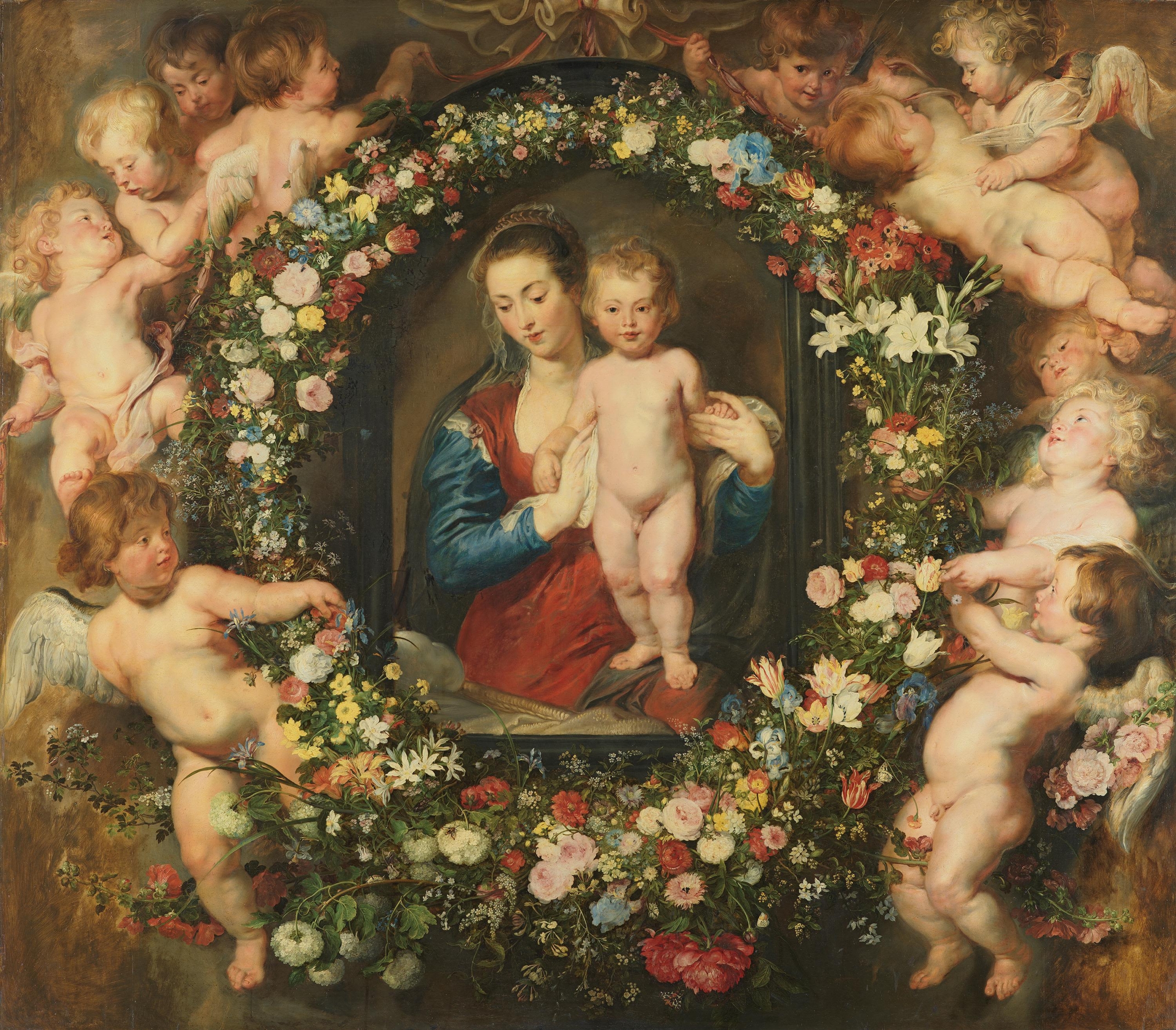
Figure 83: Peter Paul Rubens and Jan Brueghel the Elder, Madonna and Child in a Wreath of Flowers, c.1618, oil/wood, 185 x 209.8 cm, Alte Pinakothek, Munich, 331; <https://www.sammlung.pinakothek.de/de/artwork/QrLW9oV4NO> (accessed on 4 March 2025).
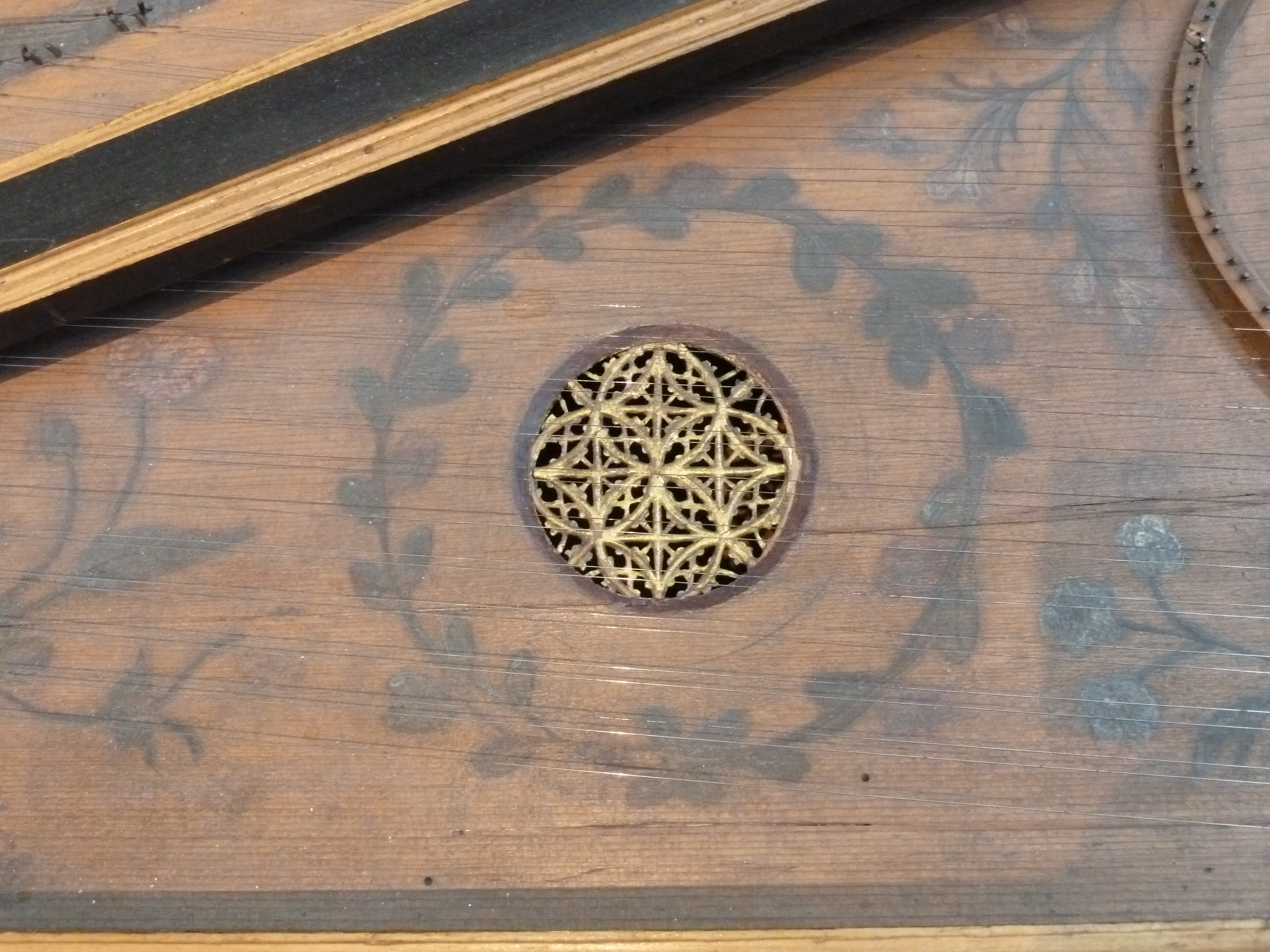
Figure 84: Hans Ruckers, Combination Instrument, 1594, Kunstgewerbemuseum Berlin (Köpenick), K 6439 (Photo: H. Pollerus).
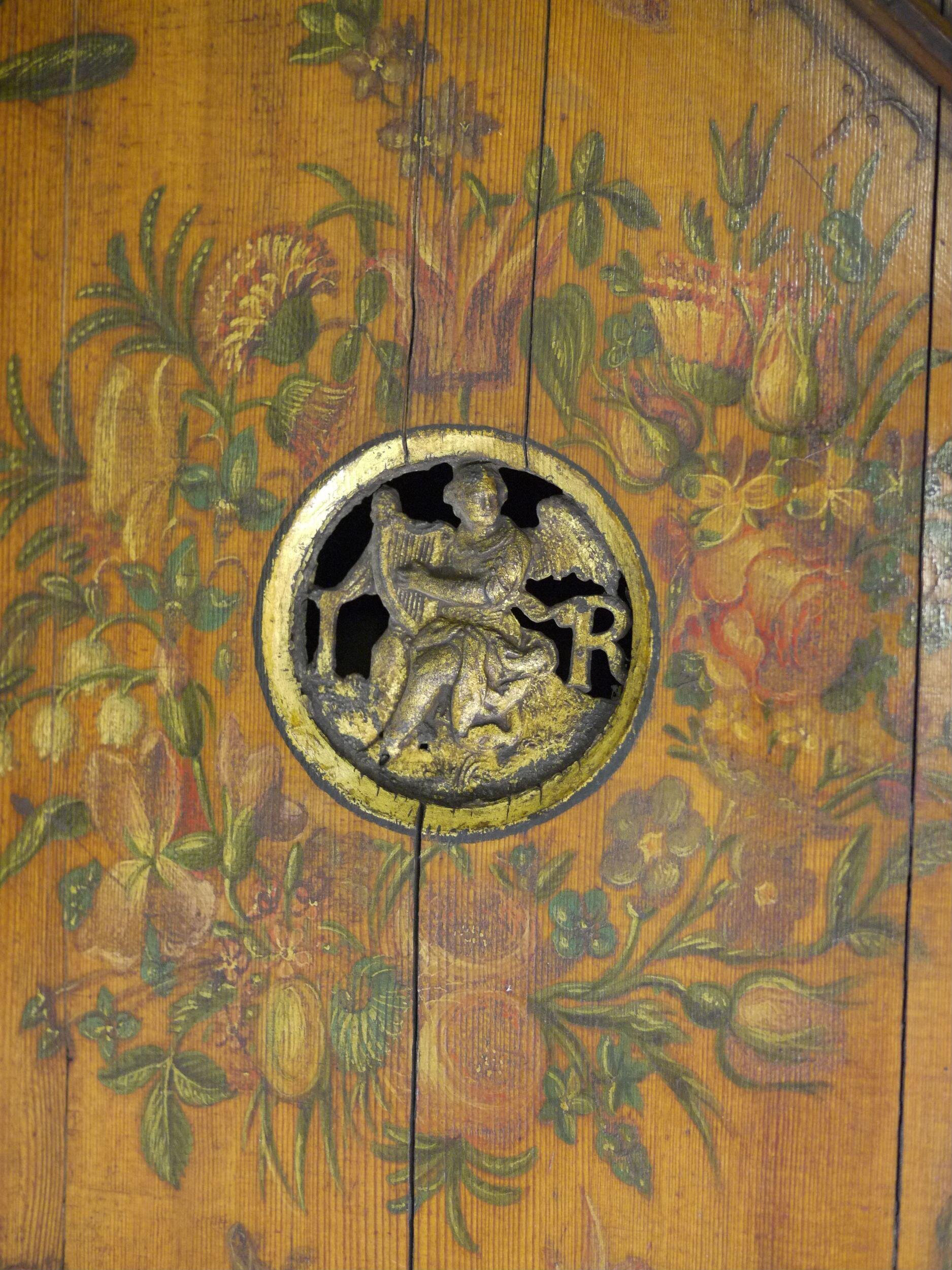
Figure 85: Ioannes Ruckers, Harpsichord, 1639, Victoria and Albert Museum, 1739–1869; <https://collections.vam.ac.uk/item/O169594/harpsichord-ruckers-ioannes/?carousel-image=2017JX0134> (accessed on 4 March 2025).
Tulip mania,107 the increasing interest in botany, and – not insignificantly – growing commercialization all contributed to changing conceptions of the rose. It was in the southern Netherlands that the rose design was first developed into a logo, a small advertising space for the instrument maker. While Italian roses had been characterised by elaborate geometric or phytomorphic designs in sometimes precious materials, the design was now rendered two-dimensionally by way of illusionistic painting. An Italian virginal in the Beurmann Collection at the Museum für Kunst und Gewerbe Hamburg (Fig. 86) still exhibits a filigree three-dimensional design fashioned from cypress and ebony as well as parchment with an ornamental wreath of late Gothic motifs. On the clavichord of Dominicus Pisaurensis (Fig. 87), the carved ornament in the late-gothic flamboyant style is backed with red fabric and surrounded by pearls. On Hans Ruckers’ double virginal from 1581 (Fig. 88), such pearls along with the typical Italian ‘lace wreath’ are only painted on the soundboard; they surround a filigree but simple geometric rose centre. And on Hans Ruckers’ virginal from 1583 (Fig. 89), the rose now contains a metal centre comprising an angel with a harp between the initials of the builder, HR.
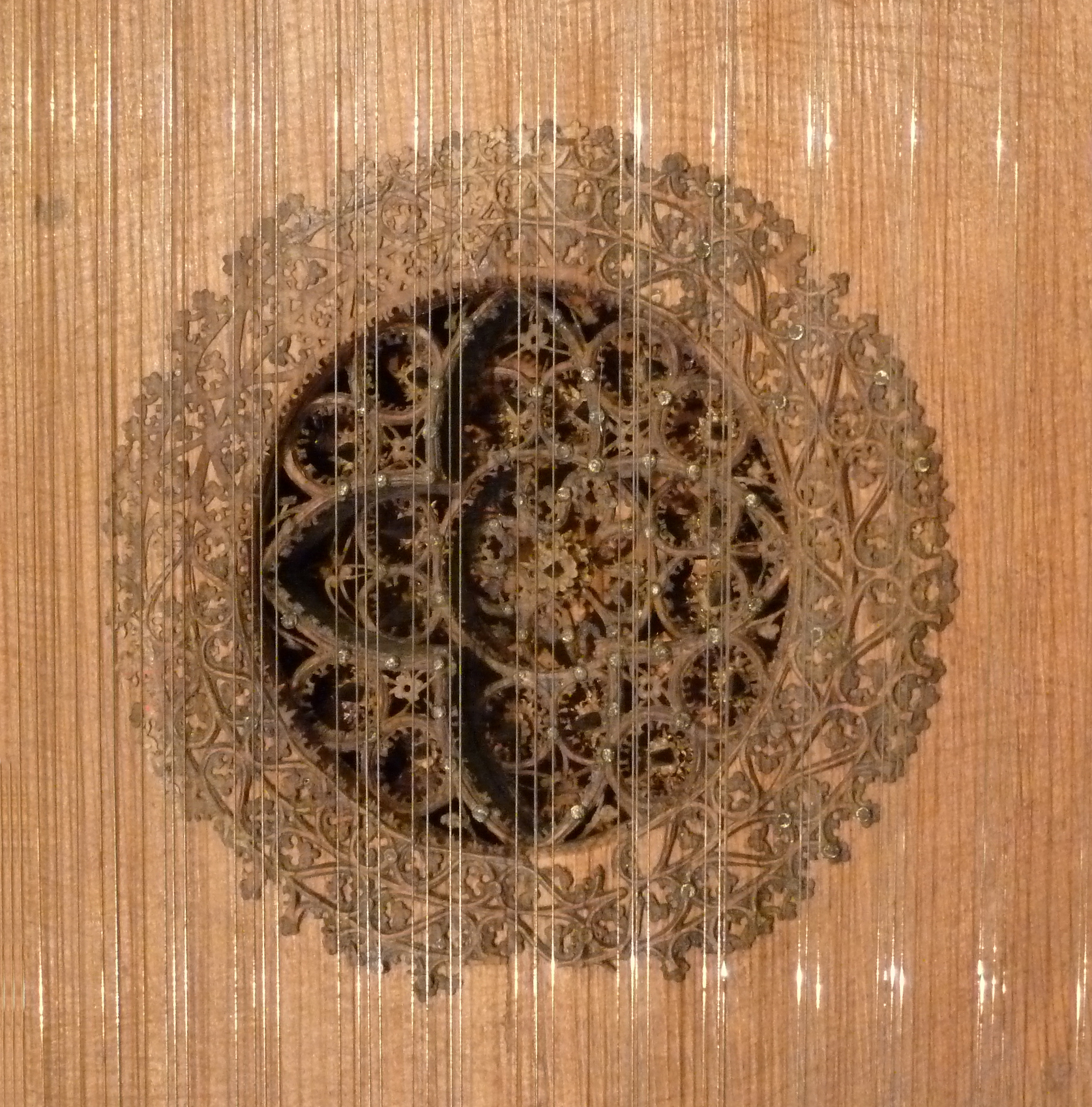
Figure 86: Anon., Virginal, c. 1580, Beurmann Collection, Museum für Kunst und Gewerbe Hamburg, 2000.504 (Photo: H. Pollerus).
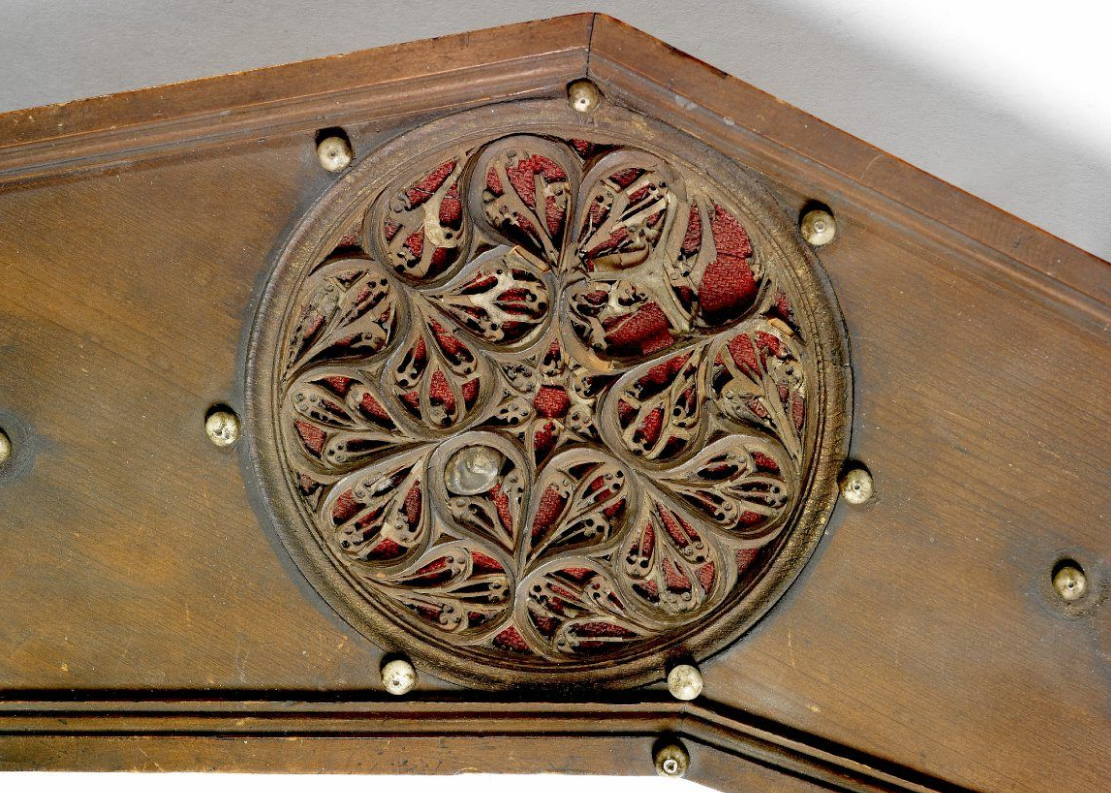
Figure 87: Dominicus Pisaurensis, Clavichord, 16th century, Musée de la Musique, Paris, E.1608/C.1485; <https://collectionsdumusee.philharmoniedeparis.fr/collectionsdumusee/doc/MUSEE/0157969/clavicorde> (accessed on 4 March 2025).
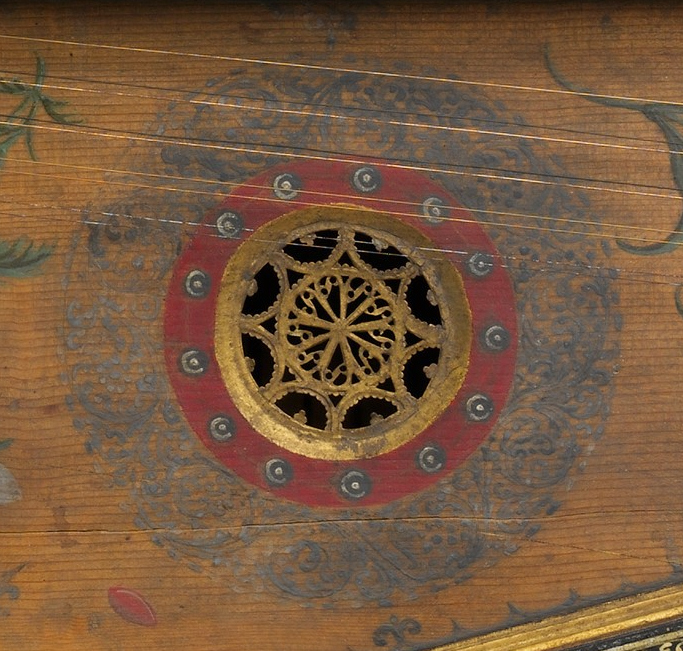
Figure 88: Hans Ruckers, Double Virginal, 1581, Metropolitan Museum of Art, New York, 29.90; <https://www.metmuseum.org/art/collection/search/503676> (accessed on 4 March 2025).
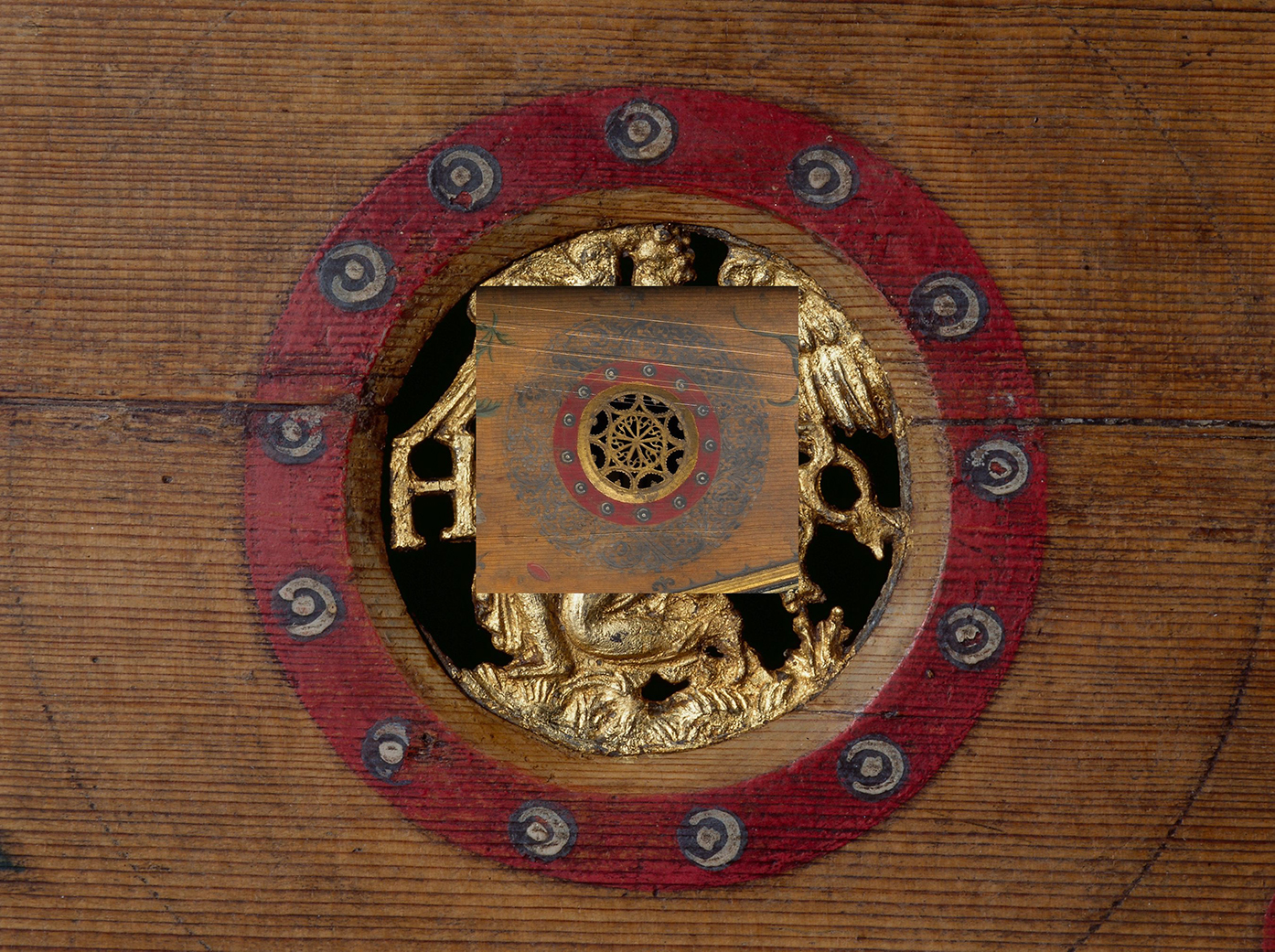
Figure 89: Hans Ruckers, Virginal, 1583, Musée de la Musique, Paris, E.986.1.2; <https://collectionsdumusee.philharmoniedeparis.fr/collectionsdumusee/doc/MUSEE/0130260/virginale-a-la-quinte> (accessed on 4 March 2025).
This conceptual change as well as the shift of the rose’s visual function to that of a company logo went hand in hand with the development of small workshops into large manufactories towards the end of the century. The initials of the respective instrument manufacturer, in the 17th century also the full name, combined with a standardised rose centre – usually a sacred figure playing music – to form a representative solution tailored to the producers. Roses thus came to embody commercial expedients with an acoustic function in which the original spiritual meaning did, however, still resonate metaphorically.
Conclusion
One could summarise that the visual design of keyboard instruments during the 16th century oscillated between representational needs, projections of worldviews and educational standards, enthusiasm for fashionable decoration, and mundane expediency. The expressive means that were employed with both cognitive and sensory impacts in mind were diverse and quite naturally dependent on what was artistically and financially feasible. Commissioners, painters, and artisans joined musicians and the audience at a locus situated between the reception of formal, stylistic, and intellectual topoi from antiquity and the Middle Ages and the simultaneous ‘modernisation’ of outlooks and expression. Though symbolic and metaphorical portrayals of religious and mythological content did persist in lid paintings and other decorative elements, they were increasingly overlayed by secularisation and commercialisation and/or intended more and more ‘poetically’. Decorative elements gradually lost their function as vehicles of spiritual meaning but continued – as they still do today in innumerable copies and replicas – to convey aesthetic and cultural-historical values as ‘forms of dignity and luxury’. A precious ‘piece of resonant furniture’ that appealed to contemporary tastes quite naturally enhanced the prestige of its owner. But through an instrument’s appearance, its magnificent aesthetic design, one also accorded the instrument itself a suitable degree of ‘esteem’ and thereby dignified it as a medium of the donum dei that was music. In the theory of art, at least, the decorated instrument was by no means understood merely as a ‘sonorous substrate’. It was much rather music, as an instrument’s primary purpose, that wielded the most influence over its aesthetic design – over its paintings and mottos, above all, but also over its ornamentation.
(Translation of the article and, unless otherwise stated, quotations from the original sources: Chris Roth)
Endnotes
-
The secondary literature on instrument making is extensive, but decoration is often only addressed as an aside. Indispensable for its record of surviving instruments, with each entry containing a brief reference to decoration, is Donald H. Boalch, Makers of the Harpsichord and Clavichord 1440–1840, 3rd ed., ed. by Charles Mould (Oxford, 1995). Alongside numerous studies on individual objects and various fantastic collection catalogues, the following works are among the fundamental literature here: Christoph Rueger, Musikinstrument und Dekor. Kostbarkeiten europäischer Kulturgeschichte (Leipzig, 1982); Grant O’Brien, Ruckers: A Harpsichord and Virginal Building Tradition (Cambridge, 1990); Thomas Aurelius Belz, Das Instrument der Dame. Bemalte Kielklaviere aus drei Jahrhunderten (Bamberg, 1998); Sheridan Germann, Harpsichord Decoration: A Conspectus, The Historical Harpsichord 4 (Hillsdale, 2002); Franca Falletti, Renato Meucci and Gabriele Rossi-Rognoni (eds.), Marvels of Sound and Beauty: Italian Baroque Musical Instruments (Florence, 2007). Recent studies such as the following offer a multidimensional approach to organology, which views musical instruments not only as sound-producing objects, but also as artifacts with specific social and cultural significance and functions: Flora Dennis, ‘Musical Sound and Material Culture‘, in: The Routledge Handbook of Material Culture in Early Modern Europe, ed. Catherine Richardson, Tara Hamling and David Gaimster (London/New York, 2017), 371–82; Emanuela Vai, ‘Fantastic Finials. The Materiality, Decoration and Display of Renaissance Musical Instruments’, in: Music and Visual Culture in Renaissance Italy, ed. Chriscinda Henry and Tim Shephard (New York, 2023), 295–322. An extensive bibliography can be found in the printed version of my dissertation: Heidelinde Pollerus, Tasteninstrumente als kunsthistorische Objekte. Cembalo, Clavichord, Spinett, Virginal (Graz/Vienna, 2018).↩︎
-
The Sense of Hearing,1617/18, Prado, Madrid.↩︎
-
Woman at the Virginal,c. 1637, Rijksmuseum, Amsterdam.↩︎
-
The Young Scholar and his Wife, 1640, Gemäldegalerie Alte Meister, Kassel.↩︎
-
Young Woman Playing the Harpsichord, 1659, National Gallery, London.↩︎
-
The Concert,1665/66, Isabella Stewart Gardner Museum, Boston (until 1990); whereabouts currently unknown.↩︎
-
A Man and a Woman at the Virginal,c. 1665, National Gallery, London.↩︎
-
For example, Sofonisba Anguissola, Self-Portrait at the Spinet (c. 1556, Museo di Capodimonte, Naples). A contemporary description of the studiolo of the Roman courtesan Imperia Cognati also mentions the table covered in green velvet, on which musical instruments and sheet music lie. Cf. Vai‚ ‚Fantastic Finials‘ (see n. 1), 312; Pollerus, Tasteninstrumente (see n. 1), 375.↩︎
-
Worcester Art Museum, inv. no. 1920.88. <https://commons.wikimedia.org/wiki/File:Jan_van_Hemessen_-_Young_Woman_Playing_a_Clavichord.jpg> (accessed on 4 August 2025).↩︎
-
For details on the development of the Ruckers paper prints, see Grant O’Brien, Ruckers (see n. 1).↩︎
-
Reginald Howard Wilenski, Flemish Painters 1430–1830, 2 vols. (London, 1960), i, 143.↩︎
-
Now at the Musical Instrument Museum in Brussels, inv. no. 2935. Cf. Pollerus, Tasteninstrumente, (see n. 1), 201.↩︎
-
A reversed exemplar of this drawing is held by the Royal Collection Trust, RCIN 990220.↩︎
-
Richard Schaal, ‘Die Musikinstrumenten-Sammlung von Raimund Fugger d. J.’, in: AfMw 21 (1964), 212–16.↩︎
-
Author’s translation. A different translation can be found in Douglas Alton Smith, ‘The Musical Instrument Inventory of Raymund Fugger’, in: GSJ 33 (1980), 36–44, at 40.↩︎
-
Heinrich Zimerman (ed.), ‘Urkunden, Acten und Regesten aus dem Archiv des k. k. Ministeriums des Inneren (Fortsetzung)’, in: Jahrbuch der kunsthistorischen Sammlungen des Allerhöchsten Kaiserhauses 7 (1888), xvii–lxxxiv, at xxi, xxxi.↩︎
-
Martin McLeish, ‘An Inventory of Musical Instruments at the Royal Palace, Madrid, in 1602’, in: GSJ 21 (1968), 108–28, at 121.↩︎
-
Johann Mattheson, Der vollkommene Capellmeister (Hamburg: Christian Herold, 1739), Preface, 20.↩︎
-
Giovanni Paolo Lomazzo, Trattato dell’arte della pittura, scultura et archittetura (Milan: Paolo Gottardo Pontio, 1584), 346; <https://mdz-nbn-resolving.de/details:bsb00104031> (accessed 4 March 2025).↩︎
-
Ibid.↩︎
-
The Council of Trent (1545–63) and Counter-Reformation policies fundamentally did not allow pagan, classical, or profane elements in religious painting. The depiction of mythological themes was tolerated as ‘poetic’ painting on a case-by-case basis. Anthony Blunt, Kunsttheorie in Italien 1450–1600 (Munich, 1984), 79.↩︎
-
For an identification of all the individuals, see Pollerus, Tasteninstrumente (see n. 1), 204–5.↩︎
-
Lomazzo, Trattato (see n. 19), 347. Lomazzo himself painted a fresco depicting the Nine Choirs of Angels in theChurch of San Marco in Milan in 1570. On Lomazzo, see also: Marilena Cassimatis, Zur Kunsttheorie des Malers Giovanni-Paolo Lomazzo (1538–1600) (Frankfurt a.M., 1985).↩︎
-
Giovanni Andrea Gilio da Fabriano, Due dialogi (Camerino: Antonio Gioioso, 1564), quoted in Blunt, Kunsttheorie (see n. 21), 79. Gilio was a priest and art theorist of the Counter-Reformation.↩︎
-
Thijs Weststeijn, ‘Decorum’, in: Grundbegriffe der Kunstwissenschaft, ed. Stefan Jordan and Jürgen Müller (Ditzingen, 2018), 88–91.↩︎
-
Leopoldo Franciolini (1844–1920) was an Italian antiques dealer specialising in old keyboard instruments who ran a workshop and pursued a large-scale trade in fake instruments in Florence. He ‘modified’ hundreds of instruments, mainly with assembled decorative elements, in order to fraudulently obtain higher prices. Such instruments are now exhibited in museum collections with corresponding explanations. On Franciolini, see e.g. Edward M. Ripin, The Instrument Catalogs of Leopoldo Franciolini, Music indexes and bibliographies 9 (Hackensack, N.J., 1974); Edward L. Kottick, A History of the Harpsichord (Bloomington, 2003), 403–5; Gunther Joppig, ‘Ein “echter” Franciolini’, in: Antiquitäten-Zeitung 21 (1999), 814–15.↩︎
-
Boalch, Makers (see n. 1), 20, 250.↩︎
-
A description of this painting can be found at <https://www.nationalgallery.org.uk/paintings/possibly-by-girolamo-romanino-pegasus-and-the-muses> (accessed on 15 Sept. 2024).↩︎
-
In the older literature, both parts as well as all prior studies are attributed to Annibale Carracci. In recent years, co-authorship by his brother Agostino (and perhaps even by his cousin Ludovico) is assumed, though the amount of material concerned here is a topic of discussion. Daniele Benati et al. (eds.), The Drawings of Annibale Carracci [Catalogue of an exhibition held at the National Gallery of Art, Washington, 26 Sept. 1999 – 9 January 2000] (Washington, 1999); Ann Sutherland Harris, ‘Review: The Drawings of Annibale Carracci’, in: Master Drawings 43 (2005), 512–26; Clovis Withfield, ‘Agostino risarcito parte II. Nuovi spunti sul vero ruolo del maggiore dei fratelli Carracci’, in: About Art Online (2018), <https://www.aboutartonline.com/agostino-risarcito-parte-2-nuovi-spunti-sul-vero-ruolo-del-maggiore-dei-fratelli-carracci-with-english-text/> (accessed on 15 Sept. 2024).↩︎
-
Giovanni Pietro Bellori, Nota delli musei, librerie, gallerie et ornamenti di statue e pitture ne’ palazzo, nelle case e ne’ giardini di Roma (Rome: Deversin and Cesaretti, 1664), 29; <https://mdz-nbn-resolving.de/details:bsb11098347> (accessed on 4 March 2025).↩︎
-
For a very extensive discussion of its renovation and reattribution, see: Thomas Fusenig and Ulrike Villwock, ‘Hieronymus Franckens “Venezianischer Ball” in Aachen. Eine neue Datierung und ihre Folgen’, in: Wallraf-Richartz-Jahrbuch 61 (2000), 145–76. Cf. also Thomas Fusenig and Christine Vogt (eds.), Suermondt-Ludwig-Museum Aachen. Bestandskatalog der Gemäldegalerie Niederlande von 1550 bis 1800 (Aachen/Munich, 2006), 124–6.↩︎
-
Jana Stolzenberger, ‘Höfisches Sammeln und internationale Tendenzen der Kunst um 1600’, in: Renaissance – Barock – Aufklärung. Kunst und Kultur vom 16. bis zum 18. Jahrhundert, ed. Daniel Hess and Dagmar Hirschfelder, Die Schausammlungen des Germanischen Nationalmuseums 3 (Nuremberg, 2010), 271–84, at 272–3.↩︎
-
Sally Metzler, Bartholomeus Spranger. Splendor and Eroticism in Imperial Prague. The Complete Works [Catalogue of an exhibition at The Metropolitan Museum of Art, New York, 4 Nov. 2014 – 1 Feb. 2015] (New York, 2014), 94–5.↩︎
-
See the informations on the Website of Germanisches Nationalmuseum, <http://objektkatalog.gnm.de/objekt/Gm1100> (accessed on 15 Sept. 2024).↩︎
-
Another possible ‘candidate’ for rediscovery as an instrument lid is the painting on wood Apollo and the Muses, atrributed to Benvenuto di Giovanni di Meo del Guasta (1436–1518), Detroit Institute of Arts, 31,8 x 106,7 cm, inv. no. 40.128.↩︎
-
Sabba da Castiglione, Ricordi (Venice: Paolo Gherardi, 1554), Ricordo cix, fol. 51r; <https://books.google.it/books?id=lZBZyV9nZfMC&hl=de&pg=PA1 – v=onepage&q&f=false> (accessed on 4 March 2025).↩︎
-
A Sebastiano da Verona worked for Cardinal Ippolito I d’Este as a ‘M.o de instromenti’ from 1508 to 1511. Lewis Lockwood, ‘Adrian Willaert and Cardinal Ippolito I d’Este: New Light on Willaert’s Early Career in Italy, 1515–21’, in: EMH 5 (1985), 85–112, at 112.↩︎
-
Boalch, Makers (see n. 1), 76; William F. Prizer, ‘Isabella d’Este and Lorenzo da Pavia, “Master Instrument-Maker”’, in: EMH 2 (1982), 87–118 and 120–7, esp. at 89.↩︎
-
Erik Forssman, Column and Ornament (Cologne, 1956), 13.↩︎
-
Possibly plumwood, see: Johann Heinrich Zedler, Universal-Lexicon,Supplement 1 (Leipzig/Halle: J.H. Zedler, 1751), entry ‘Almuggim-Holz’, col. 1133, <https://www.zedler-lexikon.de/index.html?c=blaettern&seitenzahl=578&bandnummer=s1&view=100&l=de> (accessed on 4 March 2025).↩︎
-
1 Kings, 10:11.↩︎
-
Ovid (Publius Ovidius Naso), Metamorphosen,ed. Erich Rösch (Munich, 1952), XI 168, 405. Ovid, Metamophoses, trans. David Raeburn (London, 2004), XI 167.↩︎
-
Marin Mersenne, Harmonie universelle, 2 vols.(Paris: Sebastien Cramoisy and Pierre Ballard, 1636–37), ii, Livre cinquiesme des instrumens à vent, 241, discusses flutes, his statement, however, also applies to other kinds of instruments: ‘[…] mais on choisit ordinairement du bois d’une belle couleur, & qui reçoit un beau poly, afin que la beauté accompagne la bonté de l’instrument, & que les yeux soient en quelque façon participans du plaisir de l’oreille’ (‘but usually wood of a beautiful colour is chosen, which can be polished well, so that the beauty accompanies the instrument’s quality & the eyes are in some way involved in the pleasure of the ear’); <https://gallica.bnf.fr/ark:/12148/bpt6k15111009> (accessed on 4 March 2025).↩︎
-
Translation from <https://www.metmuseum.org/art/collection/search/503043> (accessed on 1 February 2022).↩︎
-
Cf. John Henry van der Meer et al., Kielklaviere, Cembali, Spinette, Virginale. Bestandskatalog des Staatlichen Instituts für Musikforschung, Preußischer Kulturbesitz (Berlin, 1991), 195–9.↩︎
-
On the characteristics of this style, cf. Forssman, Column and Ornament (see n. 39), 116–17. On the change in meaning of ornamentation in the Renaissance in general cf. Clare Lapraik Guest, The Understanding of Ornament in the Italian Renaissance (Leiden, 2016).↩︎
-
See also the Cabinet Organ, Ausgburg, c. 1600, Victoria and Albert Museum, 216:1,2-1879, or the Cabinet with Room Organ, Tirol, 1590–1600, Landesmuseum Württemberg, G29,143, or the Virginal in a Cabinet, Tirol or Augsburg, 1580/90, Bayerisches Nationalmuseum Munich, R 1069, and also the southern German cabinet from the second half of the 16th century held at the Graz Museum, inv. no. 9148-1.↩︎
-
Extensive description of the object with in part contradictory statements: <https://collections.vam.ac.uk/item/O58892/the-glass-virginal-virginal-unknown/> (accessed on 4 March 2025).↩︎
-
Thomas Aquinas, Summa theologica 1, 91, 3, quoted in Rosario Assunto, Die Theorie des Schönen im Mittelalter (Cologne, 1982), 231.↩︎
-
Walther Hermann Ryff (Gualtherus Rivius), Der furnembsten, notwendigsten, der gantzen Architectur angehörigen Mathematischen und Mechanischen künst eygentlicher Bericht (Nuremberg: Johann Petreius, 1547) (VD16 R 4001), das dritt buch der newen Perspectiva, fol. iv, <http://data.onb.ac.at/rep/108DD702> (accessed on 4 March 2025).↩︎
-
For details on the depicted content, cf. Thomas Aurelius Belz, ‘Gartendarstellungen auf flämischen Kielinstrumenten’, in: Gärten und Höfe der Rubenszeit, ed. Ursula Härting (Munich, 2000), 135–42.↩︎
-
Pollerus, Tasteninstrumente (see n. 1), esp. 210–22.↩︎
-
Stewart Pollens, ‘Flemish Harpsichords and Virginals in the Metropolitan Museum of Art: An Analysis of Early Alterations and Restorations’, in: Metropolitan Museums Journal 32 (1997), 85–110, at 87.↩︎
-
Laurence Libin, ‘Remarks on the 1581 Hans Ruckers Virginal at the Metropolitan Museum of Art’, in: Hans Ruckers (+1598): Founder of a Harpsichord Workshop of Universal Importance in Antwerp, ed. Jeannine Lambrechts-Douillez (Peer, 1998), 77–84.↩︎
-
Moritz Kelber, ‘Double Virginals’, in: The Museum of Renaissance Music: A History in 100 Exhibits, ed. Vincenzo Borghetti and Tim Shephard (Turnhout, 2023), 222–5, at 225.↩︎
-
Cf. for example Florence Gétreau, ‘Vin et musique dans les jardins de plaisir: un thème pour les couvercles de virginales et clavecins anversois et allemands (1570–1650)’, in: Musique – images – instruments 19 (2023), 14–16.↩︎
-
1 Sam 18:8–16.↩︎
-
Gregor von Rezzori, Mir auf der Spur (Munich, 1999), 13.↩︎
-
For details, see: Pollerus, Tasteninstrumente (see n. 1), 233–4.↩︎
-
Quotation from Günter Bandmann, ‘Ikonologie des Ornaments und der Dekoration’, in: Jahrbuch für Ästhetik und allgemeine Kunstwissenschaft 4 (1958/1959), 232–58, at 247.↩︎
-
Thomas McGeary, ‘Harpsichord Mottoes’, in: JAMIS 7 (1981), 5–35.↩︎
-
Virginal by Hans Ruckers, 1610, Händel-Haus, Halle an der Saale – Virginal by Ioannes Ruckers, 1636, Harvard University, Cambridge. Cf. Pollerus, Tasteninstrumente (see n. 1), 75.↩︎
-
See ibid., 66–105, which builds upon McGeary, ‘Harpsichord Mottoes’ (see n. 61).↩︎
-
See for example Pieter Brueghel the Elder’s famous painting Netherlandish Proverbs, 1559, Staatliche Museen Berlin.↩︎
-
Julius Bernhard von Rohr, Einleitung zur Ceremoniel-Wissenschaft der Privat-Personen (Berlin, 1728), repr. ed. Gotthardt Frühsorge (Weinheim, 1990), 518–19.↩︎
-
Veronika Gutmann, Das Virginal des Andreas Ryff, Basler Kostbarkeiten 12 (Basel, 1991), 18, Fig. 5, <https://www.hmb.ch/fileadmin/a/hmb/dateien/pdf/basler-kostbarkeiten/HMB-12-Das-Virginal-des-Andreas-Ryff.pdf> (accessed on 22 Sept. 2024).↩︎
-
On the origins of all 110 of these mottos, see: Pollerus, Tasteninstrumente (see n. 1), 82 and 85.↩︎
-
Howard Schott, Anthony Baines and James Yorke, Catalogue of Musical Instruments in the Victoria and Albert Museum (London, 1998), 18–19.↩︎
-
Johann Heinrich Zedler, Universal-Lexicon,vol. 37 (Leipzig/Halle: J.H. Zedler, 1743), entry ‘Sinnbild’, col. 1690, <https://www.zedler-lexikon.de/index.html?c=blaettern&seitenzahl=858&bandnummer=37&view=100&l=de> (accessed 4 March 2025).↩︎
-
Interestingly, a portrait painted by Raphael in 1502 shows Elisabetta Gonzaga, the Duchess of Urbino, wearing a headband with a scorpion, which is interpreted as a love symbol in the object description but may also have been a reference to the astrological sign Scorpio, which is one of the fruitful signs. Elisabetta Gonzaga was unable to have children due to her husband’s sterility. See: Anna Bisceglia, Portrait of Elisabetta Gonzaga – object description in the online catalogue of the Uffizi Gallery, Florence, <https://www.uffizi.it/en/artworks/portrait-eleonora-gonzaga> (accessed on 6 Oct. 2024)↩︎
-
Ovid, Metamorphoses, XII 112 and XIII 171, 303 and 326.↩︎
-
See Daniel Meister, Thesaurus philopoliticus. Politisches Schatzkästlein [Political Treasure Chest] (1625–31), ed. Fritz Herrmann and Leonhard Kraft (Heidelberg, 1927). This text was originally published by Eberhardt Kieser, Frankfurt 1623. See the 1st booklet of the 1st book, p. 7. Digital copy: <https://de.wikipedia.org/wiki/Daniel_Meisner#/media/Datei:Meisner_Brugge.jpg> (accessed 4 March 2025).↩︎
-
Johann Konrad Eberlein and Christine Jakobi-Mirwald, Grundlagen der mittelalterlichen Kunst (Berlin, 1996), 78.↩︎
-
Giorgio Vasari, Le Vite (Florence, 1568), repr. ed. Gaetano Milanesi (Florence, 1878–85), vii, 594–5.↩︎
-
Carel van Mander, Das Leben der niederländischen und deutschen Maler (from 1400–1615), translation of the 1617 edition [into German] with notes by Hanns Floerke (Wiesbaden, 2000), 362. (The English given here is translated from this German version.) The book was first printed in 1604 by Jacob de Meester at Alkmaar for Passchier van Westbusch, a bookseller in Harlem.↩︎
-
Erasmus Weddigen, ‘Jacopo Tintoretto und die Musik’, in: Artibus et Historiae 5 (1984), no. 10, 67–119, esp. at 77.↩︎
-
See Pollerus, Tasteninstrumente (see n. 1), 237–8.↩︎
-
On the relationship between the drawing and the lid, see Benati et al. (eds.), The Drawings (see n. 29), 227.↩︎
-
This cameo is also known as the Seal of Nero. It was first mentioned in 1428, when Lorenzo Ghiberti was commissioned to produce a gold setting for it. The cameo indirectly found its way to Lorenzo di Medici’s collection in 1487, where it was one of the most highly valued objects. In 1583, it became part of the Farnese collection. On the history and meaning of this object cf. Tim Shephard et al., Music in the Art of Renaissance Italy 1420–1540 (Turnhout, 2020), 193–5.↩︎
-
See also the current status after a recent renovation <https://www.hermitagemuseum.org/what-s-on/d12c3644825adec3d074ad7576e9cb7f?lng=en> (accessed on 4 March 2025).↩︎
-
Vasari, Le Vite (see n. 74),594–5. According to Shephard et al., Music in the Art of Renaissance Italy (see n. 79), 192, an arpicordo is not a harpsichord, but a polygonal virginal.↩︎
-
Raffaello Borghini, Il riposo (Florence: Giorgio Marescotti, 1584), 534, <https://archive.org/details/riposodiraffaell00borg/page/n3/mode/2up> (accessed on 4 March 2025).↩︎
-
Jacob Burckhardt, Die Kunst der Renaissance in Italien, ed. Horst Günther (Frankfurt a.M., 1997), 870.↩︎
-
Hermann Voss, ‘Über einige Gemälde und Zeichnungen von Meistern aus dem Kreise Michelangelos’, in: Jahrbuch der Königlich Preussischen Kunstsammlungen 34 (1913), 297–320.↩︎
-
John T. Spike, ‘Rediscovery: Apollo and Marsyas by Bronzino’, in: FMR 73 (1995), 14–24; Carmen Brambach et al., The Drawings of Bronzino (New York, 2010), 98–101; Andrea Emiliani, ‘Agnolo di Cosimo, known as Bronzino: The Competition between Apollo and Marsyas’, in: From Sacro to Profano: The Giorgio Baratti Art Collection from Milan, ed. Daiva Mitruleviciute et al. (Vilnius, 2020), 617; Stephen J. Campbell, ‘Bronzino’s Fable of Marsyas: Anatomy as Myth’, in: Inner and Outer Body, ed. Victor Stoichita (Rome, 2012), 173–94.↩︎
-
Shephard et al., Music in the Art of Renaissance Italy (see n. 79), 192, mention that the painting kept in the Eremitage was altered ‘early on’ from an ‘irregular trapezoid to a regular rectangle’.↩︎
-
Ovid, Metamorphoses, VI 382–400 and XI 150–400.↩︎
-
For more details, see Shephard et al., Music in the Art of Renaissance Italy (see n. 79), 191–205.↩︎
-
It is interesting to note that an English manuscript from the 12th century already places instruments in the canonical categorises of ‘goats and sheep’. See Rueger, Musikinstrument und Dekor (see n. 1), 9.↩︎
-
See <https://www.metmuseum.org/art/collection/search/345269> (accessed on 4 March 2025).↩︎
-
Dennis, ‘Musical Sound and Material Culture’ (see n. 1), 376.↩︎
-
Albrecht Dürer, Albrecht Altdorfer, and Joachim Patinir are generally viewed as the founders of landscape painting in the early modern period. Cf. Norbert Schneider, Geschichte der Landschaftsmalerei vom Spätmittelalter bis zur Romantik (Darmstadt, 1999).↩︎
-
Maria Cristina Casali, ‘Decorazione’, in: John Henry van der Meer and Luigi Ferdinando Tagliavini (eds.), Collezione Tagliavini. Catalogo degli strumenti musicali, 2 vols. (Bologna, 2007/08), i, 329–30, <https://digital.fondazionecarisbo.it/artwork/collezione-tagliavini-catalogo-degli-strumenti-musicali-3> (accessed 4 March 2025).↩︎
-
Rudolf Hopfner, Kunsthistorisches Museum Wien. Masterpieces of the Collection of Historic Musical Instruments, A Brief Guide to the Kunsthistorisches Museum Wien 1 (Vienna, 2019), 46–7.↩︎
-
See Pollerus, Tasteninstrumente (see n. 1),197–8, 340.↩︎
-
Cf. for example Sheridan Germann, ‘Monsieur Doublet and His Confrères: The Harpsichord Decorators of Paris’, in: EM 8 (1980), 435–53; 9 (1981), 192–207.↩︎
-
Germann, Harpsichord Decoration (see n. 1),31; O’Brien, Ruckers (see n. 1), 149–57.↩︎
-
Ibid., 299–300.↩︎
-
Johann Heinrich Zedler, Universal-Lexicon,vol. 34 (Leipzig/Halle: J.H. Zedler, 1742), entry ‘Schall’, col. 825, <https://www.zedler-lexikon.de/index.html?c=blaettern&bandnummer=34&seitenzahl=426&dateiformat=1&view=100&supplement=0%27)> (accessed 4 March 2025).↩︎
-
See Pollerus, Tasteninstrumente (see n. 1), 158–60. At the same time, these designs might draw on the well-established tradition of floral motifs as marginal decorations in 16th-century manuscripts.↩︎
-
A clearer illustration can be found in ibid., 190.↩︎
-
Also a frequent motto on 17th- and 18th-century instrument lids, see ibid., 98.↩︎
-
Germann, Harpsichord Decoration (see n. 1),28–30.↩︎
-
Equally, the interior of church buildings has been compared to the soul (‘anima’) of Christ or the saints and every good Christian (‘ogni buon Cristiano’). For this reason, it should be richly and beautifully decorated, even in places that are not visible to church visitors. Cf. Pietro Cataneo Senese, I quattro primi libri di architettura (Venice: Figliuoli di Aldo Manuzio, 1554), iii, 38, <http://bdh-rd.bne.es/viewer.vm?id=0000235384&page=1> (accessed on 4 August 2025).↩︎
-
Georg Streng, Das Rosettenmotiv in der Kunst- und Kulturgeschichte (Munich, 1918), 55.↩︎
-
Detailed information on the development of the rose into a ‘logo’ can be found in Pollerus, Tasteninstrumente (see n. 1), esp. 163–4.↩︎
-
The rampant trade in tulip bulbs in the Netherlands led to the first documented speculative bubble, which burst in 1637. Jan Breughel the Younger even created several paintings of tulip bulb-trading monkeys as allegories of ‘tulipomania’; see the 1640 version at the Frans Hals Museum in Haarlem.↩︎
Bibliography
Rosario Assunto, Die Theorie des Schönen im Mittelalter (Cologne, 1982)
Günter Bandmann, ‘Ikonologie des Ornaments und der Dekoration’, in: Jahrbuch für Ästhetik und allgemeine Kunstwissenschaft 4 (1958/1959), 232–58
Giovanni Pietro Bellori, Nota delli musei, librerie, gallerie et ornamenti di statue e pitture ne’ palazzo, nelle case e ne’ giardini di Roma (Rome: Deversin and Cesaretti, 1664), <https://mdz-nbn-resolving.de/details:bsb11098347>
Thomas Aurelius Belz, ‘Gartendarstellungen auf flämischen Kielinstrumenten’, in: Gärten und Höfe der Rubenszeit, ed. Ursula Härting (Munich, 2000), 135–42
Thomas Aurelius Belz, Das Instrument der Dame. Bemalte Kielklaviere aus drei Jahrhunderten (Bamberg, 1998)
Daniele Benati et al. (eds.), The Drawings of Annibale Carracci [Catalogue of an exhibition held at the National Gallery of Art, Washington, 26 Sept. 1999 – 9 January 2000] (Washington, 1999)
Anthony Blunt, Kunsttheorie in Italien 1450–1600 (Munich, 1984)
Donald H. Boalch, Makers of the Harpsichord and Clavichord 1440–1840, 3rd ed., ed. by Charles Mould (Oxford, 1995)
Raffaello Borghini, Il riposo (Florence: Giorgio Marescotti, 1584), <https://archive.org/details/riposodiraffaell00borg/page/n3/mode/2up>
Carmen Brambach et al., The Drawings of Bronzino (New York, 2010)
Jacob Burckhardt, Die Kunst der Renaissance in Italien, ed. Horst Günther (Frankfurt a.M., 1997)
Stephen J. Campbell, ‘Bronzino’s Fable of Marsyas: Anatomy as Myth’, in: Inner and Outer Body, ed. Victor Stoichita (Rome, 2012), 173–94
Marilena Cassimatis, Zur Kunsttheorie des Malers Giovanni-Paolo Lomazzo (1538–1600) (Frankfurt a.M., 1985)
Pietro Cataneo Senese, I quattro primi libri di architettura (Venice: Figliuoli di Aldo Manuzio, 1554), iii, 38, <http://bdh-rd.bne.es/viewer.vm?id=0000235384&page=1>
Flora Dennis, ‘Musical Sound and Material Culture‘, in: The Routledge Handbook of Material Culture in Early Modern Europe, ed. Catherine Richardson, Tara Hamling and David Gaimster (London/New York, 2017), 371–82
Johann Konrad Eberlein and Christine Jakobi-Mirwald, Grundlagen der mittelalterlichen Kunst (Berlin, 1996)
Andrea Emiliani, ‘Agnolo di Cosimo, known as Bronzino: The Competition between Apollo and Marsyas’, in: From Sacro to Profano: The Giorgio Baratti Art Collection from Milan, ed. Daiva Mitruleviciute et al. (Vilnius, 2020), 617
Franca Falletti, Renato Meucci and Gabriele Rossi-Rognoni (eds.), Marvels of Sound and Beauty: Italian Baroque Musical Instruments (Florence, 2007)
Thomas Fusenig and Ulrike Villwock, ‘Hieronymus Franckens “Venezianischer Ball” in Aachen. Eine neue Datierung und ihre Folgen’, in: Wallraf-Richartz-Jahrbuch 61 (2000), 145–76
Thomas Fusenig and Christine Vogt (eds.), Suermondt-Ludwig-Museum Aachen. Bestandskatalog der Gemäldegalerie Niederlande von 1550 bis 1800 (Aachen/Munich, 2006)
Sheridan Germann, Harpsichord Decoration: A Conspectus, The Historical Harpsichord 4 (Hillsdale, 2002)
Sheridan Germann, ‘Monsieur Doublet and His Confrères: The Harpsichord Decorators of Paris’, in: EM 8 (1980), 435–53; 9 (1981), 192–207
Florence Gétreau, ‘Vin et musique dans les jardins de plaisir: un thème pour les couvercles de virginales et clavecins anversois et allemands (1570–1650)’, in: Musique – images – instruments 19 (2023), 14–16
Clare Lapraik Guest, The Understanding of Ornament in the Italian Renaissance (Leiden, 2016)
Veronika Gutmann, Das Virginal des Andreas Ryff, Basler Kostbarkeiten 12 (Basel, 1991), <https://www.hmb.ch/fileadmin/a/hmb/dateien/pdf/basler-kostbarkeiten/HMB-12-Das-Virginal-des-Andreas-Ryff.pdf>
Rudolf Hopfner, Kunsthistorisches Museum Wien. Masterpieces of the Collection of Historic Musical Instruments, A Brief Guide to the Kunsthistorisches Museum Wien 1 (Vienna, 2019)
Gunther Joppig, ‘Ein “echter” Franciolini’, in: Antiquitäten-Zeitung 21 (1999), 814–15
Moritz Kelber, ‘Double Virginals’, in: The Museum of Renaissance Music: A History in 100 Exhibits, ed. Vincenzo Borghetti and Tim Shephard (Turnhout, 2023), 222–5
Edward L. Kottick, A History of the Harpsichord (Bloomington, 2003)
Laurence Libin, ‘Remarks on the 1581 Hans Ruckers Virginal at the Metropolitan Museum of Art’, in: Hans Ruckers (+1598): Founder of a Harpsichord Workshop of Universal Importance in Antwerp, ed. Jeannine Lambrechts-Douillez (Peer, 1998), 77–84
Lewis Lockwood, ‘Adrian Willaert and Cardinal Ippolito I d’Este: New Light on Willaert’s Early Career in Italy, 1515–21’, in: EMH 5 (1985), 85–112
Giovanni Paolo Lomazzo, Trattato dell’arte della pittura, scultura et archittetura (Milan: Paolo Gottardo Pontio, 1584), <https://mdz-nbn-resolving.de/details:bsb00104031>
Carel van Mander, Das Leben der niederländischen und deutschen Maler (from 1400–1615), translation of the 1617 edition [into German] with notes by Hanns Floerke (Wiesbaden, 2000)
Johann Mattheson, Der vollkommene Capellmeister (Hamburg: Christian Herold, 1739)
Thomas McGeary, ‘Harpsichord Mottoes’, in: JAMIS 7 (1981), 5–35
Martin McLeish, ‘An Inventory of Musical Instruments at the Royal Palace, Madrid, in 1602’, in: GSJ 21 (1968), 108–28
John Henry van der Meer et al., Kielklaviere, Cembali, Spinette, Virginale. Bestandskatalog des Staatlichen Instituts für Musikforschung, Preußischer Kulturbesitz (Berlin, 1991)
John Henry van der Meer and Luigi Ferdinando Tagliavini (eds.), Collezione Tagliavini. Catalogo degli strumenti musicali, 2 vols. (Bologna, 2007/08), i, <https://digital.fondazionecarisbo.it/artwork/collezione-tagliavini-catalogo-degli-strumenti-musicali-3>
Daniel Meister, Thesaurus philopoliticus. Politisches Schatzkästlein [Political Treasure Chest] (1625–31), ed. Fritz Herrmann and Leonhard Kraft (Heidelberg, 1927)
Marin Mersenne, Harmonie universelle, 2 vols.(Paris: Sebastien Cramoisy and Pierre Ballard, 1636–37), <https://gallica.bnf.fr/ark:/12148/bpt6k15111009>
Sally Metzler, Bartholomeus Spranger. Splendor and Eroticism in Imperial Prague. The Complete Works [Catalogue of an exhibition at The Metropolitan Museum of Art, New York, 4 Nov. 2014 – 1 Feb. 2015] (New York, 2014)
Grant O’Brien, Ruckers: A Harpsichord and Virginal Building Tradition (Cambridge, 1990)
Ovid (Publius Ovidius Naso), Metamorphosen,ed. Erich Rösch (Munich, 1952)
Ovid, Metamophoses, trans. David Raeburn (London, 2004)
Stewart Pollens, ‘Flemish Harpsichords and Virginals in the Metropolitan Museum of Art: An Analysis of Early Alterations and Restorations’, in: Metropolitan Museums Journal 32 (1997), 85–110
Heidelinde Pollerus, Tasteninstrumente als kunsthistorische Objekte. Cembalo, Clavichord, Spinett, Virginal (Graz/Vienna, 2018)
William F. Prizer, ‘Isabella d’Este and Lorenzo da Pavia, “Master Instrument-Maker”’, in: EMH 2 (1982), 87–118 and 120–7
Gregor von Rezzori, Mir auf der Spur (Munich, 1999)
Edward M. Ripin, The Instrument Catalogs of Leopoldo Franciolini, Music indexes and bibliographies 9 (Hackensack, N.J., 1974)
Julius Bernhard von Rohr, Einleitung zur Ceremoniel-Wissenschaft der Privat-Personen (Berlin, 1728), repr. ed. Gotthardt Frühsorge (Weinheim, 1990)
Christoph Rueger, Musikinstrument und Dekor. Kostbarkeiten europäischer Kulturgeschichte (Leipzig, 1982)
Walther Hermann Ryff (Gualtherus Rivius), Der furnembsten, notwendigsten, der gantzen Architectur angehörigen Mathematischen und Mechanischen künst eygentlicher Bericht (Nuremberg: Johann Petreius, 1547) (VD16 R 4001), <http://data.onb.ac.at/rep/108DD702>
Sabba da Castiglione, Ricordi (Venice: Paolo Gherardi, 1554), <https://books.google.it/books?id=lZBZyV9nZfMC&hl=de&pg=PA1 – v=onepage&q&f=false>
Richard Schaal, ‘Die Musikinstrumenten-Sammlung von Raimund Fugger d. J.’, in: AfMw 21 (1964), 212–16
Norbert Schneider, Geschichte der Landschaftsmalerei vom Spätmittelalter bis zur Romantik (Darmstadt, 1999)
Howard Schott, Anthony Baines and James Yorke, Catalogue of Musical Instruments in the Victoria and Albert Museum (London, 1998)
Tim Shephard et al., Music in the Art of Renaissance Italy 1420–1540 (Turnhout, 2020)
Douglas Alton Smith, ‘The Musical Instrument Inventory of Raymund Fugger’, in: GSJ 33 (1980), 36–44
John T. Spike, ‘Rediscovery: Apollo and Marsyas by Bronzino’, in: FMR 73 (1995), 14–24
Lorenz Stöer, Geometria et Perspectiva (Augsburg: Hans Rogel d. Ä., 1567) (VD16 S 9209), <https://mdz-nbn-resolving.de/details:bsb11216116>
Jana Stolzenberger, ‘Höfisches Sammeln und internationale Tendenzen der Kunst um 1600’, in: Renaissance – Barock – Aufklärung. Kunst und Kultur vom 16. bis zum 18. Jahrhundert, ed. Daniel Hess and Dagmar Hirschfelder, Die Schausammlungen des Germanischen Nationalmuseums 3 (Nuremberg, 2010), 271–84
Georg Streng, Das Rosettenmotiv in der Kunst- und Kulturgeschichte (Munich, 1918)
Ann Sutherland Harris, ‘Review: The Drawings of Annibale Carracci’, in: Master Drawings 43 (2005), 512–26
Emanuela Vai, ‘Fantastic Finials. The Materiality, Decoration and Display of Renaissance Musical Instruments’, in: Music and Visual Culture in Renaissance Italy, ed. Chriscinda Henry and Tim Shephard (New York, 2023), 295–322
Giorgio Vasari, Le Vite (Florence, 1568), repr. ed. Gaetano Milanesi (Florence, 1878–85)
Sebastian Virdung, Musica getutscht und ausgezogen, [Basel] [Michael Furter] [1511] (vdm: 3), <http://resolver.staatsbibliothek-berlin.de/SBB0001444100000000>
Hermann Voss, ‘Über einige Gemälde und Zeichnungen von Meistern aus dem Kreise Michelangelos’, in: Jahrbuch der Königlich Preussischen Kunstsammlungen 34 (1913), 297–320
Erasmus Weddigen, ‘Jacopo Tintoretto und die Musik’, in: Artibus et Historiae 5 (1984), no. 10, 67–119
Thijs Weststeijn, ‘Decorum’, in: Grundbegriffe der Kunstwissenschaft, ed. Stefan Jordan and Jürgen Müller (Ditzingen, 2018), 88–91
Reginald Howard Wilenski, Flemish Painters 1430–1830, 2 vols. (London, 1960)
Clovis Withfield, ‘Agostino risarcito parte II. Nuovi spunti sul vero ruolo del maggiore dei fratelli Carracci’, in: About Art Online (2018), <https://www.aboutartonline.com/agostino-risarcito-parte-2-nuovi-spunti-sul-vero-ruolo-del-maggiore-dei-fratelli-carracci-with-english-text/>
Johann Heinrich Zedler, Universal-Lexicon,68 vols. (Leipzig/Halle: J.H. Zedler, 1731–54), <https://www.zedler-lexikon.de/>
Heinrich Zimerman (ed.), ‘Urkunden, Acten und Regesten aus dem Archiv des k. k. Ministeriums des Inneren (Fortsetzung)’, in: Jahrbuch der kunsthistorischen Sammlungen des Allerhöchsten Kaiserhauses 7 (1888), xvii–lxxxiv





.jpg)


